Japan · Seas of Japan & Korea · Nature & wildlife island
Amami Oshima
Amami Oshima is the largest of the Amami Islands, a mountainous subtropical island of about 712 square kilometres between Kyushu and Okinawa, part of Kagoshima Prefecture. Its forests are part of a UNESCO natural World Heritage Site, home to the rare Amami rabbit, and its coast has coral beaches, mangroves and whale watching in winter.
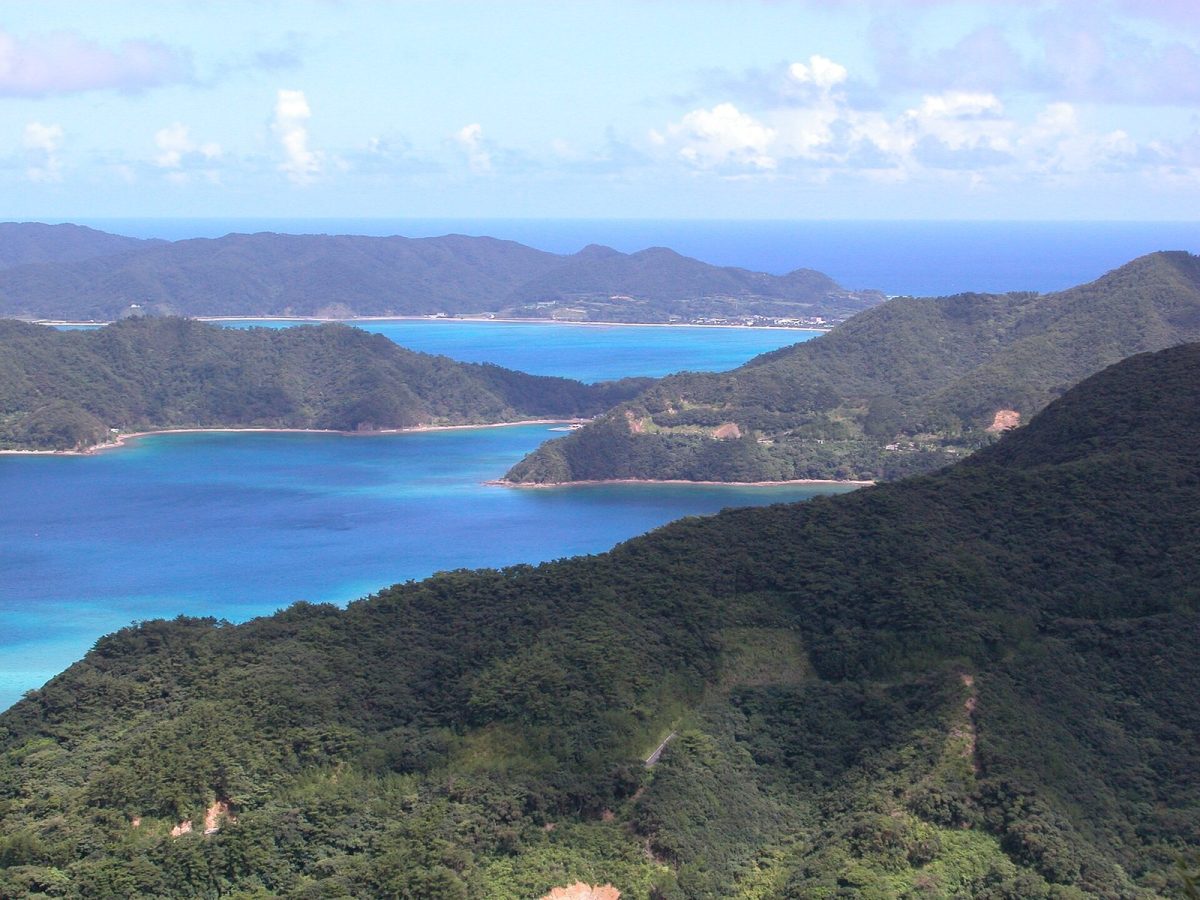
Photo: TANAKA Juuyoh (田中十洋), CC BY 2.0
At a glance
| Getting there | Fly from Kagoshima in 1 h, or from Tokyo or Osaka; overnight ferry from Kagoshima about 11 h |
|---|---|
| Gateway | Kagoshima (flight or overnight ferry) |
| Travel time | 1 h by air or about 11 h by ferry |
| Days | 3 to 5 nights |
| Best months | Apr and Jul–Oct; rainy season May–Jun; typhoons Aug–Sep; whales Jan–Mar |
| Getting around | Rent a car; buses are slow and infrequent; the island is long and hilly |
| Booking | Forest night tours and rental cars ahead; flights early for Golden Week and August |
| Cost | Mid-range for Japan |
| Beaches | White coral sand: Tomori and Ohama for swimming, Ayamaru for rock pools, Sakibaru for colour |
| Sea | Seas of Japan & Korea |
| Archipelago | Amami Islands |
| Area | 712 km² |
| Population | 66,000 (2009) |
| Highest point | 694 m (Mount Yuwan) |
| Ferry | 11 h from Kagoshima (flight or overnight ferry) |
| Airport | Yes, scheduled flights |
| Car-free | No |
| UNESCO | Amami-Oshima Island, Tokunoshima Island, Northern part of Okinawa Island, and Iriomote Island |
| Checked | October 2026 |
Tours and day trips: what to book
Only one tour is sold online for Amami Oshima: a private day with a local guide who adapts the route to your interests, usually by car, covering forest, beaches, crafts and food. It is a good choice if you do not drive in Japan or want an English-speaking guide, as few signs and menus are translated.
Most other activities are booked locally, through your accommodation or the tourist office at the airport and in Naze. Night tours into the forest roads look for the Amami rabbit, the Ryukyu scops owl and other endemic animals; a guide is strongly recommended, and some forest roads now limit vehicles at night.
Guided walks in the protected Kinsakubaru forest need a certified guide. In the south, canoe and kayak tours paddle through the mangroves at Sumiyo, and dive and snorkelling shops run reef trips around Setouchi and Kakeroma. From January to March, whale-watching boats look for humpbacks.
Craft workshops let you try the mud dyeing used for the island's famous silk.
The best plan is a rental car, one guided night tour and a day in the south.
What to see and do on Amami Oshima
Kinsakubaru forest and night tours
In the island's centre, about an hour from Naze, a forest road leads into one of the largest subtropical forests in Japan, with giant tree ferns, rare birds and the black Amami rabbit. By day, walk with a certified guide; at night, join a guided drive to see rabbits, frogs and owls.
The beaches of the north
The north coast near the airport has the island's best beaches: Tomori with shallow turquoise water and white sand, Sakibaru with vivid colours, and Ohama near Naze, popular for sunsets. At Ayamaru cape, rock pools are good for children at low tide. Swim inside the reef and watch for jellyfish in summer.
Mangrove Park at Sumiyo
South of Naze, the mouth of the Sumiyo river holds one of the largest mangrove forests in Japan. Canoe tours of about an hour paddle through the channels with a guide, best at mid to high tide. The visitor centre explains the ecosystem, and an observation tower gives the view.
Mud-dyed silk in Tatsugo
Amami's tsumugi silk is dyed with the bark of a local tree and then with iron-rich mud from the rice paddies, giving it a deep brown colour. Workshops and a craft village near the airport show weaving on traditional looms and let you dye a scarf or a T-shirt yourself, which takes about an hour.
Setouchi and Kakeroma Island
At the southern end, Koniya is the base for the quiet coral island of Kakeroma, reached by a short ferry or water taxi across the Oshima Strait. Rent a bike or a car there for beaches, small villages and very clear water. Back in Setouchi, the coast road has viewpoints over the strait.
Tours and day trips for Amami Oshima
Live dates and prices. Free cancellation on most tours.
How to get to Amami Oshima
Amami Airport, in the north near Kasari, has direct flights from Kagoshima in about one hour, from Tokyo in about two and a half hours and from Osaka, including budget carriers, as well as from Naha on Okinawa. From the airport to Naze, the main town, is about an hour by road.
Overnight ferries from Kagoshima arrive at Naze after about 11 hours, usually daily, and continue south via other Amami islands to Okinawa. They carry cars, which helps if you are touring Kyushu, and offer shared and private cabins.
Small ferries link Koniya with Kakeroma and other islands to the south, and flights connect Amami with Kikai, Tokunoshima and Yoron.
Getting around
A rental car is close to essential. The island is long, hilly and wiggly, and driving from the airport to Koniya takes about two hours, though new tunnels have shortened the trip. Pick up the car at the airport.
Buses link the airport, Naze and Koniya, but services to beaches and forests are few. Taxis are available in Naze. Watch for rabbits and wildlife on forest roads at night and drive slowly.
When to go
Amami is subtropical. April is warm and green, a good month for walking and the first swims. The rainy season usually runs from early May to late June and brings heavy showers. July to October is the beach season, with sea temperatures of 27 to 29 degrees and air temperatures above 30 degrees, but August and September are also typhoon months, when flights and ferries can be cancelled.
From January to March humpback whales pass offshore, and the winter is mild, around 15 degrees, though windy and grey. Cherry trees bloom in late January.
Golden Week in early May, the Obon holiday in mid-August and New Year are the busiest times for Japanese visitors. Three to five nights let you see both the north and the south.
Where to stay
Naze, the main town, has the most hotels, restaurants and evening life, and sits in the middle of the island. Kasari and Tatsugo in the north are close to the airport and the best beaches, with resort hotels and guesthouses. Koniya in the south is the base for Kakeroma and the mangroves, and suits divers and those who want a quieter stay. Many visitors split their time between north and south.
History and character
Amami has been settled since prehistoric times and appears in Japanese chronicles of the 7th century. It came under the Ryukyu Kingdom in the 15th century and then under the Satsuma domain of Kyushu from 1609, which forced the islanders to grow sugar cane for its profit; brown sugar shochu is still made only here. The samurai Saigo Takamori lived in exile on the island in the 1850s. After the Second World War it was under US administration until 1953.
Combine it with
Combine Amami with Kagoshima and Sakurajima on the way in, or continue south by ferry or flight to Tokunoshima, Okinoerabu and Yoron, smaller islands with excellent beaches, and on to Okinawa's main island. Kakeroma is the easiest side trip, about 20 minutes by boat from Koniya.
Frequently asked questions
How do I get to Amami Oshima?
Fly from Kagoshima in 1 h, or from Tokyo or Osaka; overnight ferry from Kagoshima about 11 h.
How long does it take to get to Amami Oshima from Kagoshima (flight or overnight ferry)?
From Kagoshima (flight or overnight ferry): 1 h by air or about 11 h by ferry.
How many days do you need on Amami Oshima?
3 to 5 nights.
When is the best time to visit Amami Oshima?
Apr and Jul–Oct; rainy season May–Jun; typhoons Aug–Sep; whales Jan–Mar.
Do I need a car on Amami Oshima?
Rent a car; buses are slow and infrequent; the island is long and hilly.
Is Amami Oshima worth a day trip?
Go if you want subtropical forest, rare wildlife, quiet beaches and local culture without Okinawa's crowds. Choose Ishigaki or the Kerama Islands instead if you want short boat hops, many dive shops and beach resorts. At about 11 h each way from Kagoshima (flight or overnight ferry), it is worth staying at least one night.
Is Amami Oshima expensive?
Mid-range for Japan.
What are the beaches like on Amami Oshima?
White coral sand: Tomori and Ohama for swimming, Ayamaru for rock pools, Sakibaru for colour.
What should I book ahead for Amami Oshima?
Forest night tours and rental cars ahead; flights early for Golden Week and August.
Can I book tours and day trips to Amami Oshima online?
Yes. Boat trips, guided tours and day trips for Amami Oshima can be booked online; live prices and free cancellation on most are shown on this page.