Barbuda
Leeward Islands, Antigua and Barbuda
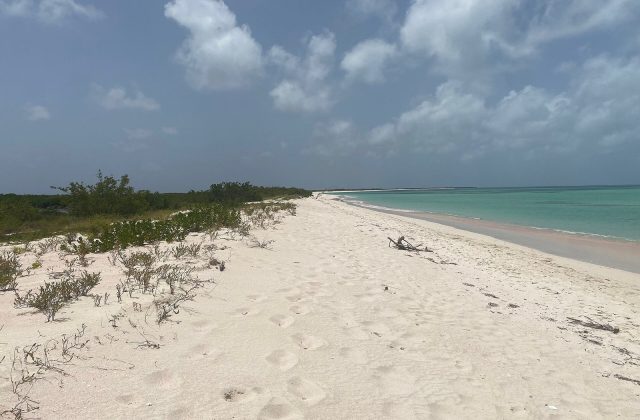
Barbuda is the flat, quiet sister island of Antigua, about 161 square kilometres of scrub, lagoons and caves 48 km to…
1 tour
Antigua and Barbuda · Caribbean Sea · Beach island
Antigua is a low, dry island of 281 square kilometres in the Leeward Islands of the eastern Caribbean, known for a coastline scalloped into dozens of white-sand bays. It also has the best-preserved Georgian naval dockyard in the region, a UNESCO site at English Harbour, and some of the finest sailing waters in the Caribbean.
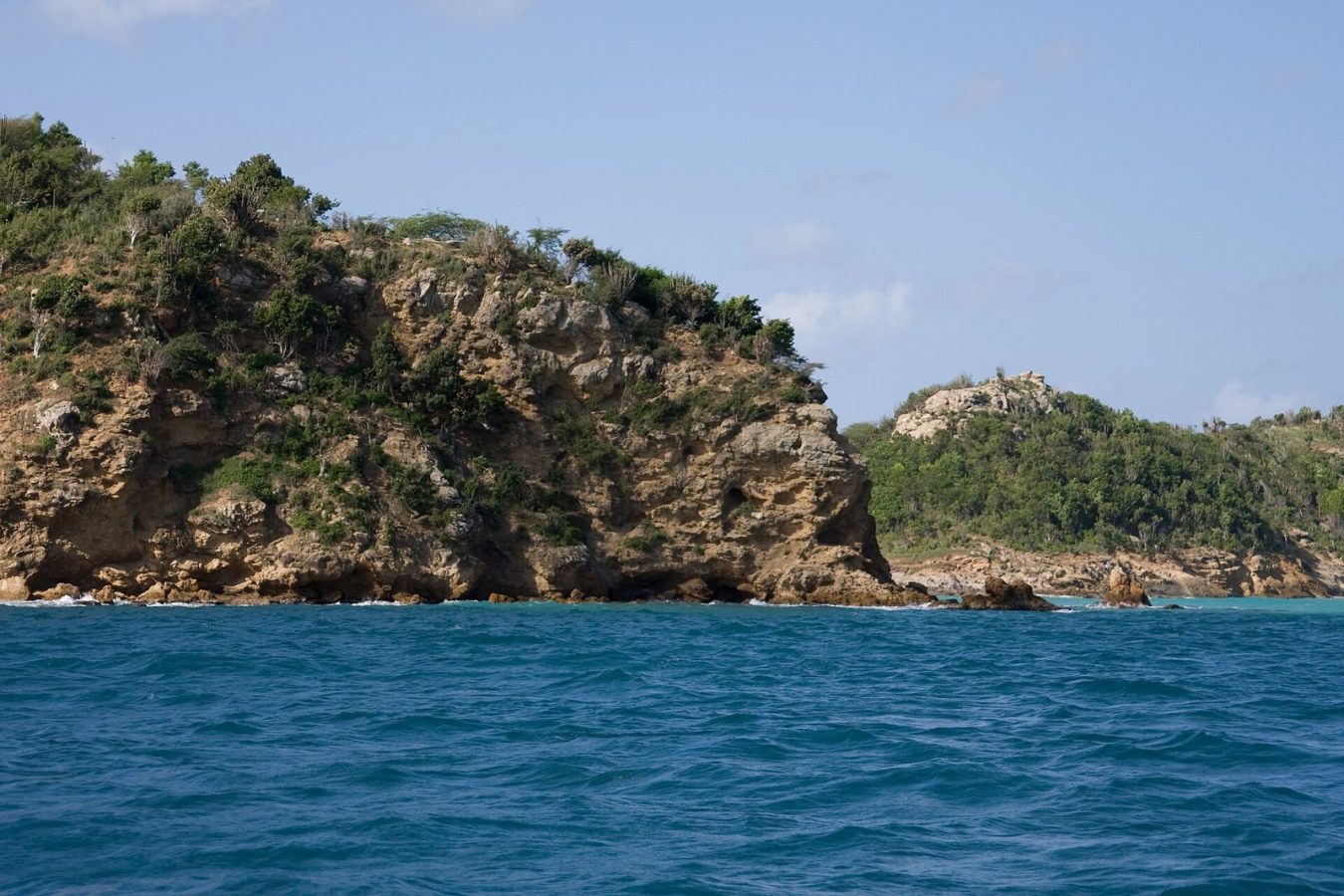
Photo: Calyponte, CC BY-SA 3.0
| Getting there | Direct flights from London, New York, Miami and Toronto; island hops from the Caribbean; ferry to Barbuda |
|---|---|
| Gateway | St John's (V. C. Bird airport) |
| Travel time | About 8.5 h from London, 4 h from New York |
| Days | A week |
| Best months | Dec–Apr dry and busiest; May–Jun good value; hurricane risk Jun–Nov |
| Getting around | Rent a car (drive on the left, local permit needed) or use taxis; minibuses for locals |
| Booking | Hotels and flights for Dec–Apr months ahead; boat trips and Shirley Heights days ahead |
| Cost | Expensive, as in most of the Caribbean |
| Beaches | White sand, calm in the west: Dickenson Bay, Darkwood, Ffryes, Valley Church; Half Moon Bay east |
| Sea | Caribbean Sea |
| Archipelago | Leeward Islands |
| Area | 281 km² |
| Population | 83,191 (2011) |
| Highest point | 402 m (Mount Obama) |
| Airport | Yes, scheduled flights |
| Car-free | No |
| UNESCO | Antigua Naval Dockyard and Related Archaeological Sites |
| Checked | October 2026 |
Tours on Antigua concentrate on the water, with a few classic land routes.
Boat days are the main purchase. Catamaran and sailing trips from Jolly Harbour, St John's and English Harbour hop between beaches on the west and south coasts or circle the whole island, usually with snorkelling, a buffet lunch and an open bar. Shorter trips go to Stingray City, a shallow sandbank on the east coast where you stand among rays, to the reefs around Green Island, and to the islets near Hell's Gate on glass-bottom boats. Private yachts are widely available.
On land, island tours by minibus, jeep, tuk tuk or buggy visit Nelson's Dockyard, Shirley Heights, Devil's Bridge and the old sugar estate at Betty's Hope, often ending on a beach. Guided hikes, e-bike rides and walking tours of St John's add variety, and the Sunday sunset party at Shirley Heights is sold with transfers. Day trips to Barbuda by boat or small plane are offered for its pink-sand beach and frigate bird colony.
Our advice: book one boat day around the island, take a guided land tour or rent a car for a day, and go to Shirley Heights on Sunday.
The 18th-century Royal Navy base on the sheltered south coast is the only working Georgian dockyard in the world, its stone storehouses and officers' quarters now hotels, restaurants and a small museum. Superyachts moor alongside. The neighbouring bay of Falmouth Harbour is the island's sailing centre; allow half a day for both.
The restored military lookout on the cliffs above English Harbour gives the island's best view, over the dockyard and the coves below. On Sunday evenings a steel band and a barbecue draw a big crowd for sunset, followed by reggae. It is about a 10-minute drive from the dockyard, or a steep walk on a marked trail.
The calm Caribbean side has the best swimming. Dickenson Bay near St John's is lively with water sports; further south, Darkwood, Ffryes and Valley Church have soft white sand, clear water and a beach bar or two, with views of Montserrat on clear days. Jolly Harbour has a marina, shops and restaurants.
On the rugged Atlantic east coast, waves have carved a natural limestone arch at Devil's Bridge, where water spouts through blowholes on rough days. Half an hour south, Half Moon Bay is a long curve of pale sand, popular with locals at weekends; the water can be rough, so swim in the calmer northern end.
Betty's Hope, in the centre of the island, was one of the first large sugar plantations, and its restored windmill and ruins tell the story of slavery and sugar. St John's, the capital, has the twin-towered Anglican cathedral, a market and the Museum of Antigua and Barbuda, and fills with shoppers on cruise days.
Our pick for each kind of trip, with live dates and prices. Free cancellation on most.
Best for: First visit, island highlights
A small-group drive around the island with a local guide, taking in the dockyard, the lookout over English Harbour and a beach, ideal for getting your bearings.
V. C. Bird International Airport, near St John's in the north-east, has direct flights from London of about eight and a half hours, from New York and Miami, and from Toronto, with more services in the winter season. Regional flights link Antigua with other Caribbean islands, and it is a common hub for reaching smaller islands nearby.
A fast passenger ferry runs to Barbuda, about 90 minutes away, on several days a week, and small planes make the hop in around 20 minutes. St John's is one of the busiest cruise ports of the eastern Caribbean, with several large ships docking at the town quays on peak days. Many yachts arrive by sea at English and Falmouth Harbours, especially in winter.
Roads are narrow and often potholed, and traffic drives on the left. Renting a car gives the most freedom; you need a temporary local driving permit, which the rental company issues. Taxis have fixed rates between set points, which should be agreed before setting off. Public minibuses run from St John's to most villages, cheap but irregular, and rarely late in the evening. Most resorts are self-contained, and many visitors use taxis for occasional trips.
The best weather is from December to April: dry, sunny and warm, with temperatures around 28 degrees and steady trade winds. This is also the high season, with peak prices at Christmas and Easter. Antigua Sailing Week, at the end of April, and the Classic Yacht Regatta before it fill English Harbour with boats and visitors.
May and June are hotter but still mostly dry and much cheaper. The hurricane season runs from June to November, with the greatest risk from August to October, when some hotels and restaurants close and rain showers become more frequent. Carnival, from late July to early August, is the island's biggest festival. The sea stays warm all year. A week allows for beaches, a boat day and a tour.
The north-west around Dickenson Bay and Runaway Bay is close to St John's and the airport, with mid-range hotels and lively beaches. The west coast south of Jolly Harbour has quieter beaches and large resorts. English Harbour and Falmouth in the south suit sailors and those who want restaurants and history on the doorstep. The east coast has a few secluded luxury properties. Many hotels are all-inclusive.
Arawak and later Carib peoples lived here before Columbus named the island in 1493 after a church in Seville. The English settled it in 1632 and turned it into a sugar colony worked by enslaved Africans; the windmill towers of more than a hundred estates still dot the countryside. The Royal Navy made English Harbour its main base in the eastern Caribbean, where the young Horatio Nelson served in the 1780s. Slavery ended in 1834, and Antigua and Barbuda became independent in 1981. Tourism replaced sugar in the late 20th century.
Barbuda, the flat sister island with a long pink-sand beach and a frigate bird colony, is 90 minutes by ferry and works as a day trip or an overnight stay. Montserrat, with its volcano, is a short flight away. Antigua is also a good starting point for a week combining St Kitts, Nevis or Guadeloupe by air or charter yacht.
Direct flights from London, New York, Miami and Toronto; island hops from the Caribbean; ferry to Barbuda.
From St John's (V. C. Bird airport): about 8.5 h from London, 4 h from New York.
A week.
Dec–Apr dry and busiest; May–Jun good value; hurricane risk Jun–Nov.
Rent a car (drive on the left, local permit needed) or use taxis; minibuses for locals.
Go if you want calm white beaches, sailing and a dose of naval history with a Sunday steel band at sunset. Skip it or choose Dominica or St Lucia if you want rainforest, mountains and hiking.
Expensive, as in most of the Caribbean.
White sand, calm in the west: Dickenson Bay, Darkwood, Ffryes, Valley Church; Half Moon Bay east.
Hotels and flights for Dec–Apr months ahead; boat trips and Shirley Heights days ahead.
Yes. Boat trips, guided tours and day trips for Antigua can be booked online; live prices and free cancellation on most are shown on this page.
Leeward Islands, Antigua and Barbuda
Barbuda is the flat, quiet sister island of Antigua, about 161 square kilometres of scrub, lagoons and caves 48 km to…
1 tour