Bahrain · Indian Ocean · City island
Bahrain
Bahrain is a small island kingdom in the Persian Gulf, an archipelago centred on one main island and linked to Saudi Arabia by the 25-km King Fahd Causeway. In under 800 square kilometres it combines the glass towers of Manama with the ruins of the ancient Dilmun civilisation, a pearling heritage and a Formula One circuit in the desert.
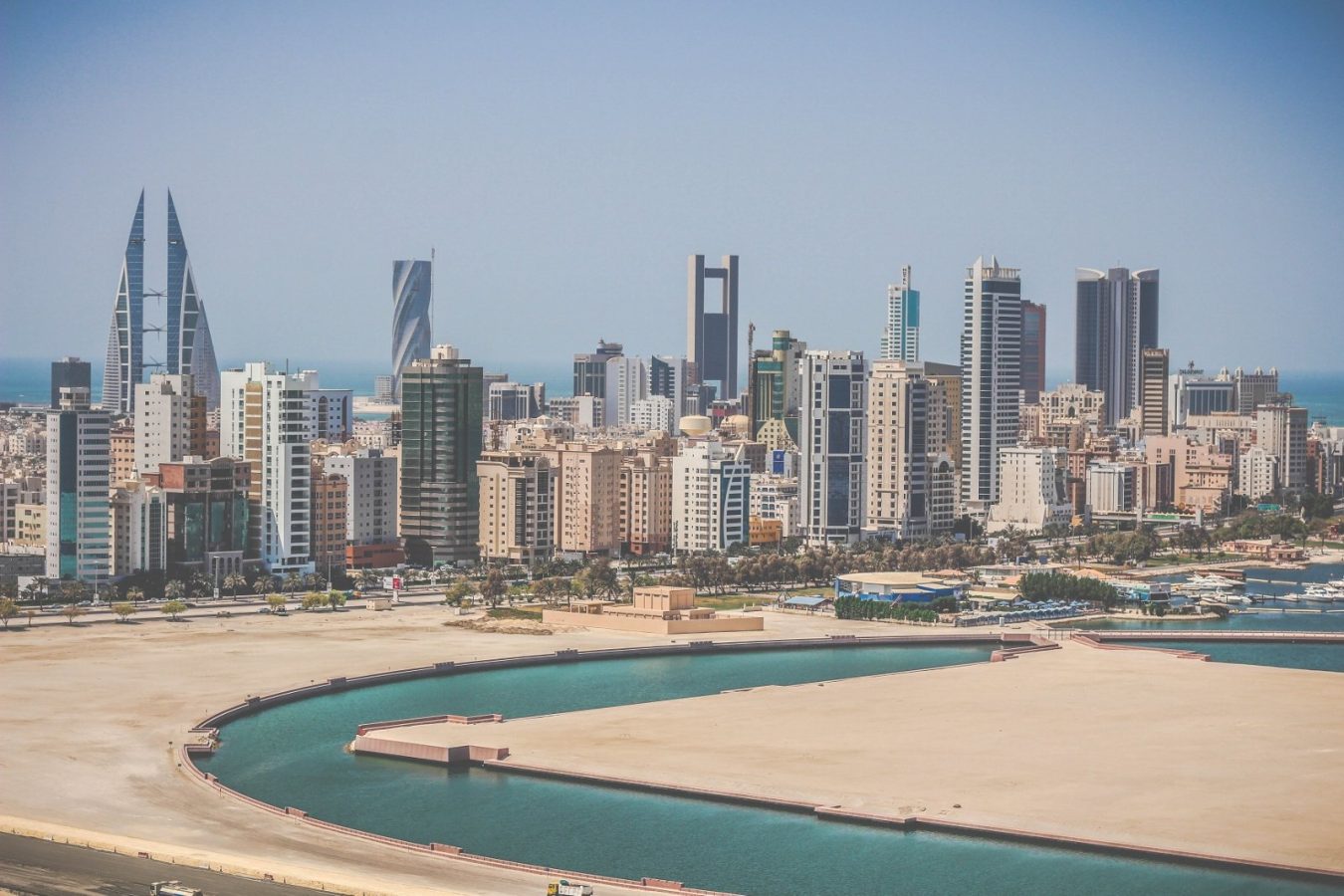
Photo: Wadiia, CC BY-SA 4.0
At a glance
| Getting there | Flights to Bahrain International Airport on Muharraq; drive over the King Fahd Causeway from Saudi Arabia |
|---|---|
| Gateway | Manama (Bahrain International Airport) |
| Travel time | 1 h by air from Dubai or Doha; 30 min drive from Khobar |
| Days | 1 to 2 nights |
| Best months | Nov–Mar mild; May–Sep very hot and humid; Grand Prix in spring |
| Getting around | Taxis and ride-hailing apps; rent a car for the south; buses are basic |
| Booking | Hotels well ahead for the Grand Prix weekend; tours and boat trips a day ahead |
| Cost | Mid-range for the Gulf; cheaper than Dubai |
| Beaches | Few public beaches; hotel beaches, and the sandbank of Jarada by boat |
| Sea | Indian Ocean |
| Area | 787 km² |
| Population | 1.6 million (2024) |
| Highest point | 134 m (Mountain of Smoke (Jabal ad Dukhan)) |
| Airport | Yes, scheduled flights |
| Car-free | No |
| Bridge | Road bridge or causeway to the mainland |
| UNESCO | Qal'at al-Bahrain – Ancient Harbour and Capital of Dilmun |
| Checked | October 2026 |
Tours and day trips: what to book
Bahrain is small, and most tours start in Manama and last half a day or a full day, often with hotel pickup.
The core product is a city and heritage tour by car or minibus. Typical stops are the Al Fateh Grand Mosque, the Bahrain National Museum, the fort of Qal'at al-Bahrain, the Bab al-Bahrain gate and the souq, with Muharraq's pearling quarter on longer versions. Full-day tours add the south: the burial mounds of A'ali, the oil museum near Jebel Dukhan and the lone Tree of Life in the desert. Cruise passengers have timed versions from the port.
There are also food walks through the Manama souq, pearl-diving experiences with a local diver, horse riding at sunset and short desert drives. Boat trips go to Jarada, a sandbank that rises at low tide, for swimming and fishing.
Multi-day packages combine Bahrain with Doha and the Al Ahsa oasis in Saudi Arabia, and some day trips cross the causeway; check visa rules before booking those.
Entry to the mosque and many sites is free, so the tour fee is mostly for transport and the guide. For one day, take a guided half-day city tour and spend the evening in Muharraq or Adliya.
What to see and do in Bahrain
Manama souq and Bab al-Bahrain
The gateway of Bab al-Bahrain marks the entrance to the old market district, a maze of alleys selling spices, gold, fabrics and perfumes. Come in the late afternoon when the shops reopen and the heat eases, and stop for tea and Bahraini sweets. The Al Fateh Grand Mosque, one of the largest in the region, welcomes visitors with guided explanations.
Qal'at al-Bahrain
On the north coast, about 15 minutes west of Manama, a Portuguese-era fort stands on an artificial mound built up over thousands of years of settlement, back to the Dilmun era. The site is listed by UNESCO. Visit the museum next door, then walk the ramparts at sunset, when the fort is lit and the sea glows.
Muharraq and the Pearling Path
Across the bridge from Manama, the old town of Muharraq preserves coral-stone merchant houses, a market and restored buildings along a trail that tells the story of pearl diving. The route is also on the UNESCO list. Look into the Bin Matar House and the Siyadi mosque, and finish with dinner in the lively old lanes.
Bahrain National Museum
On the waterfront in Manama, the national museum gives the best introduction to the country, with halls on Dilmun burial customs, traditional crafts, trade and the pearling era. Allow about two hours. The building faces the modern skyline, and the nearby cultural centre often hosts concerts and exhibitions in the cooler months.
The south and the Tree of Life
A drive south through oil fields and desert leads to Jebel Dukhan, at 134 metres the highest point, the site of the region's first oil well and the lone mesquite known as the Tree of Life, said to be about 400 years old. Combine it with the Formula One circuit at Sakhir and the burial mounds of A'ali.
Bahrain tours: which one for you
Our pick for each kind of trip, with live dates and prices. Free cancellation on most.
Best for: First visit, Manama in half a day
Covers the Grand Mosque, the national museum, Bahrain Fort and the old souq with a guide and transport, giving a solid overview of the country in a few hours.
- Pearling history in Muharraq: Bahrain pearling path tour with oyster opening activity Walks the restored merchant houses of the old pearling town and ends with opening oysters, explaining the trade that made the island rich before oil.
- A morning on the sea: Bahrain boat excursion to jaradah island A boat ride to the sandbank of Jarada, which appears at low tide, for swimming in shallow warm water away from the city.
How to get to Bahrain
Most visitors arrive by air at Bahrain International Airport on Muharraq island, about 15 minutes from central Manama. It is the hub of the national airline and has direct flights from Europe, India and across the Middle East, with short hops from Dubai, Doha and Riyadh.
The other way in is by road over the King Fahd Causeway, a chain of bridges and embankments about 25 km long from Khobar in Saudi Arabia, with border formalities on an island in the middle. It gets very busy on weekends, when many Saudis drive over. Buses link Bahrain with Saudi cities, and rental cars may need permission to cross. Cruise ships call at Khalifa bin Salman Port in winter. Check visa requirements for your passport before travelling.
Getting around
Taxis and ride-hailing apps are the easiest way to get around and are reasonably priced. Public buses connect Manama, Muharraq and other towns but are slow for sightseeing. Renting a car is straightforward, roads are wide and in good condition, and it makes sense for a day in the south. Distances are short: the whole main island is about 50 km from north to south.
When to go
The best time is from November to March, when days are warm and sunny, around 20 to 25 degrees, and evenings are pleasant for walking the souq and eating outdoors. December and January can be cool at night. April is already hot.
From May to September the heat is intense, often above 40 degrees with high humidity, and outdoor sightseeing is limited to early morning and evening; hotel prices drop, though. The Formula One Grand Prix in spring fills hotels and raises prices. During Ramadan, eating in public by day is restricted and opening hours change, but evenings are lively after the fast is broken. The weekend falls on Friday and Saturday, when Manama is busiest with visitors from Saudi Arabia. One or two nights cover the main sights.
Where to stay
Manama is the natural base. The Seef district and the area around the diplomatic quarter have the big hotels and malls, while Juffair has many mid-range hotels and restaurants. Adliya is the place for independent restaurants and cafes. Muharraq has a few boutique stays in restored houses close to the Pearling Path. Resort hotels with private beaches lie on the artificial islands of Amwaj and in the south.
History and character
Bahrain was the heart of Dilmun, a Bronze Age trading civilisation that linked Mesopotamia with the Indus Valley, and its thousands of burial mounds still dot the north. Fresh water springs and the richest pearl beds in the Gulf made it a prize for empires, from the Persians to the Portuguese. The Al Khalifa family has ruled since the 18th century, and the island was a British protectorate until 1971. Oil was found in 1932, the first on the Arab side of the Gulf, and turned it into a modern state.
Combine it with
Bahrain combines easily with other Gulf cities: Doha and Dubai are about an hour away by air. Crossing the causeway leads to Khobar and Dammam in Saudi Arabia and on to the Al Ahsa oasis, about two hours by road. The Hawar islands near Qatar are a quiet escape for birdwatchers.
Frequently asked questions
How do I get to Bahrain?
Flights to Bahrain International Airport on Muharraq; drive over the King Fahd Causeway from Saudi Arabia.
How long does it take to get to Bahrain from Manama (Bahrain International Airport)?
From Manama (Bahrain International Airport): 1 h by air from Dubai or Doha; 30 min drive from Khobar.
How many days do you need in Bahrain?
1 to 2 nights.
When is the best time to visit Bahrain?
Nov–Mar mild; May–Sep very hot and humid; Grand Prix in spring.
Do I need a car in Bahrain?
Taxis and ride-hailing apps; rent a car for the south; buses are basic.
Is Bahrain worth a day trip?
Go if you want Gulf history, pearling heritage, good food and a relaxed city stop of one or two days. Skip it or choose Oman if you want mountains, wild beaches and long road trips through dramatic landscapes.
Is Bahrain expensive?
Mid-range for the Gulf; cheaper than Dubai.
What are the beaches like in Bahrain?
Few public beaches; hotel beaches, and the sandbank of Jarada by boat.
What should I book ahead for Bahrain?
Hotels well ahead for the Grand Prix weekend; tours and boat trips a day ahead.
Can I book tours and day trips to Bahrain online?
Yes. Boat trips, guided tours and day trips for Bahrain can be booked online; live prices and free cancellation on most are shown on this page.