Barbados · Atlantic Ocean · Beach island
Barbados
Barbados is a coral island nation of 439 square kilometres, the easternmost of the Caribbean islands and set out in the Atlantic. It pairs calm white-sand beaches on the west and south coasts with wild surf on the east, rum distilleries, plantation houses and a capital, Bridgetown, whose old centre and garrison are a World Heritage Site.
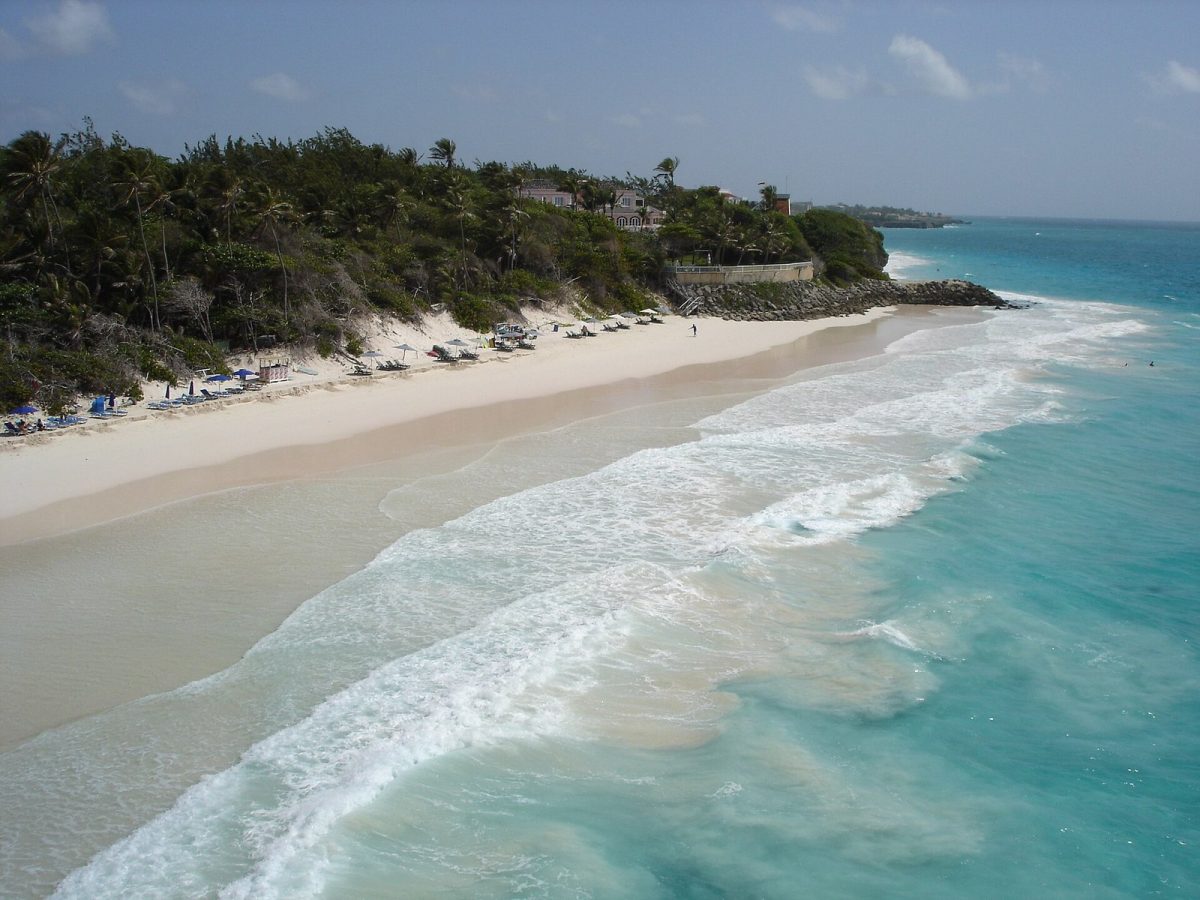
Photo: Patdoy at en.wikipedia, CC BY-SA 3.0
At a glance
| Getting there | Direct flights to Grantley Adams airport from London, North America and nearby islands; many cruise calls |
|---|---|
| Gateway | Bridgetown (Grantley Adams airport) |
| Travel time | About 8.5 h by air from London |
| Days | A week or more |
| Best months | Dec–Apr dry and breezy; Jun–Nov hotter, wetter, hurricane season |
| Getting around | Cheap buses and shared vans along the coasts; rent a car for the east and interior |
| Booking | Hotels and flights months ahead for Dec–Apr; catamaran trips a few days ahead |
| Cost | Expensive, even for the Caribbean |
| Beaches | Calm white sand on the west and south: Carlisle Bay, Mullins, Accra; surf at Bathsheba |
| Sea | Atlantic Ocean |
| Archipelago | Lesser Antilles |
| Area | 439 km² |
| Population | 269,090 (2021) |
| Highest point | 340 m (Mount Hillaby) |
| Airport | Yes, scheduled flights |
| Car-free | No |
| UNESCO | Historic Bridgetown and its Garrison |
| Checked | October 2026 |
Tours and day trips: what to book
Barbados sells a wide range of half-day and full-day outings, most with pickup from hotels on the west and south coasts or from the cruise terminal.
The most popular is a catamaran cruise along the calm west coast, of three to five hours. It usually stops twice to snorkel, once over a shallow shipwreck in Carlisle Bay and once with green turtles, and includes lunch, an open bar and snorkel gear. Sunset and private catamarans follow the same coast, and smaller speedboat trips focus on turtles alone.
Island tours by minibus come in several flavours: a coast-to-coast loop past the cliffs of the east coast, a visit to Harrison's Cave and the gardens of the interior, or a rum tour of distilleries and the Jacobean mansion of St Nicholas Abbey. Most include entry fees; lunch varies.
Active options include guided hikes along the east coast, e-bike rides through the country parishes, zip lines in the wooded gullies, sailing lessons and every kind of water sport on the west-coast beaches. Food tours and cooking classes show Bajan dishes such as flying fish and cou-cou.
For a first stay, book the catamaran cruise and one island tour, and spend a Friday night at the fish fry in Oistins.
What to see and do in Barbados
Carlisle Bay and Bridgetown
Just south of the capital, Carlisle Bay is a wide curve of white sand with clear, calm water and several small shipwrecks close to shore, where turtles and reef fish gather. Walk into Bridgetown for the parliament buildings, the old synagogue, and the careenage with its fishing boats, then visit the Garrison and its parade ground.
The west coast
North of Bridgetown, the parish of St James and the towns of Holetown and Speightstown line a coast of calm, sheltered bays with fine sand and sunset views. Mullins and Paynes Bay are good for swimming and turtles. Holetown, where the first English settlers landed in 1627, has restaurants and a small historic church.
Bathsheba and the east coast
The Atlantic side is wild and green, with huge rocks standing in the surf at Bathsheba and a famous reef break for experienced surfers. Swimming is dangerous here, but the shallow rock pools at low tide are safe. Drive along the coast road to the viewpoints at Cherry Tree Hill and the gardens of Andromeda nearby.
Harrison's Cave and the interior
In the middle of the island, an electric tram runs down into a limestone cave of stalactites, streams and pools. Hunte's Gardens, a short drive away, fills a deep sinkhole with tropical plants and paths. Combine them with Gun Hill Signal Station for the view, and the Wildlife Reserve in the north, where green monkeys roam.
St Nicholas Abbey and the north
This plantation house from the 1650s is one of the oldest Jacobean mansions in the Americas, with a small rum distillery and a steam railway through the cane fields. Further north the island ends in cliffs at the Animal Flower Cave, where sea anemones fill pools above the waves. The countryside here is quiet and green.
Barbados tours: which one for you
Our pick for each kind of trip, with live dates and prices. Free cancellation on most.
Best for: First visit, a day on the water
The island's favourite outing: a catamaran along the west coast with snorkelling over a shipwreck and with turtles, a lunch on board and drinks included.
- Caves and gardens: Barbados tour of harrison s cave hunte s gardens Combines a tram ride through the limestone chambers of Harrison's Cave with the tropical garden of Hunte's in a gully nearby, with transport.
- Rum lovers: Barbados rum distillery tour and mount gay visitor center A tour and tasting at the visitor centre of one of the oldest rum houses in the world, just outside Bridgetown.
How to get to Barbados
Grantley Adams International Airport, in the south-east near Oistins, has direct flights from London of about eight and a half hours, and from New York, Miami and Toronto. Regional airlines link it with St Lucia, St Vincent, Grenada, Trinidad and other islands, usually in under an hour. Taxis from the airport charge fixed fares by area, about 30 minutes to the south coast and up to an hour to the west.
There is no regular passenger ferry from other islands. Bridgetown is one of the busiest cruise ports in the Caribbean, and many ships start and end their voyages here; the terminal is a short taxi ride from the town centre and Carlisle Bay.
Getting around
Public buses, blue for the government and yellow for private companies, and white shared vans called ZRs run frequently along the west and south coasts at a flat fare, and less often inland. Cars can be rented with a temporary local permit; driving is on the left, roads in the interior are narrow and poorly signposted, and traffic around Bridgetown is heavy. Taxis have no meters, so agree the fare first.
When to go
The dry season from December to April is the classic time, with sunshine, steady trade winds that ease the heat and the calmest seas on the west coast; it is also the most expensive, especially at Christmas, New Year and Easter. May and early June are quieter and still mostly dry.
June to November is the hurricane season, hotter and more humid, with heavier showers, though Barbados lies at the southern edge of the usual storm track and direct hits are rare. Prices drop sharply. The sea stays around 27 to 29 C all year.
The Crop Over festival, which celebrates the end of the sugar harvest, peaks with costumed parades on the first Monday of August. The Holetown festival in February and the jazz and food festivals are also worth timing a trip for. A week suits most visitors.
Where to stay
The west coast, around Holetown and Speightstown, has the calmest water and the most upmarket resorts and villas, ideal for couples and families who want quiet. The south coast, from Hastings and Rockley to St Lawrence Gap and Oistins, is livelier and cheaper, with more guesthouses, bars and restaurants and easy buses to Bridgetown. Bathsheba and the east coast suit surfers and walkers who want a small, quiet base.
History and character
Indigenous peoples lived here long before the English claimed an empty island in 1625 and settled two years later. Within decades Barbados became the first great sugar colony of the Caribbean, worked by enslaved Africans whose descendants make up most of today's population. The plantation houses, windmills and rum distilleries are relics of that history, as are the garrison and the old town of Bridgetown. Slavery ended in 1834, and the island became independent in 1966. In 2021 it became a republic, with its own president replacing the British monarch.
Combine it with
Barbados is a good start for the southern Caribbean. Short flights reach St Lucia and St Vincent in under an hour, and small planes connect with the Grenadines, where Bequia and Mustique make an island-hopping week. Day trips by air to the Grenadines are sold locally. Many visitors also begin or end a Caribbean cruise in Bridgetown.
Compare
Frequently asked questions
How do I get to Barbados?
Direct flights to Grantley Adams airport from London, North America and nearby islands; many cruise calls.
How long does it take to get to Barbados from Bridgetown (Grantley Adams airport)?
From Bridgetown (Grantley Adams airport): about 8.5 h by air from London.
How many days do you need in Barbados?
A week or more.
When is the best time to visit Barbados?
Dec–Apr dry and breezy; Jun–Nov hotter, wetter, hurricane season.
Do I need a car in Barbados?
Cheap buses and shared vans along the coasts; rent a car for the east and interior.
Is Barbados worth a day trip?
Go if you want easy beaches, good food, rum and turtles on an English-speaking island with direct flights. Skip it if you want empty wilderness or low prices, and choose Dominica or the Grenadines instead.
Is Barbados expensive?
Expensive, even for the Caribbean.
What are the beaches like in Barbados?
Calm white sand on the west and south: Carlisle Bay, Mullins, Accra; surf at Bathsheba.
What should I book ahead for Barbados?
Hotels and flights months ahead for Dec–Apr; catamaran trips a few days ahead.
Can I book tours and day trips to Barbados online?
Yes. Boat trips, guided tours and day trips for Barbados can be booked online; live prices and free cancellation on most are shown on this page.