Philippines · Philippine seas · Nature & wildlife island
Batan Island
Batan is the main island of Batanes, the northernmost province of the Philippines, closer to Taiwan than to Manila. Green rolling pastures, sea cliffs, stone houses built against typhoons and the 1,009-metre volcano of Mount Iraya make it unlike anywhere else in the country, and its isolation keeps visitor numbers low.
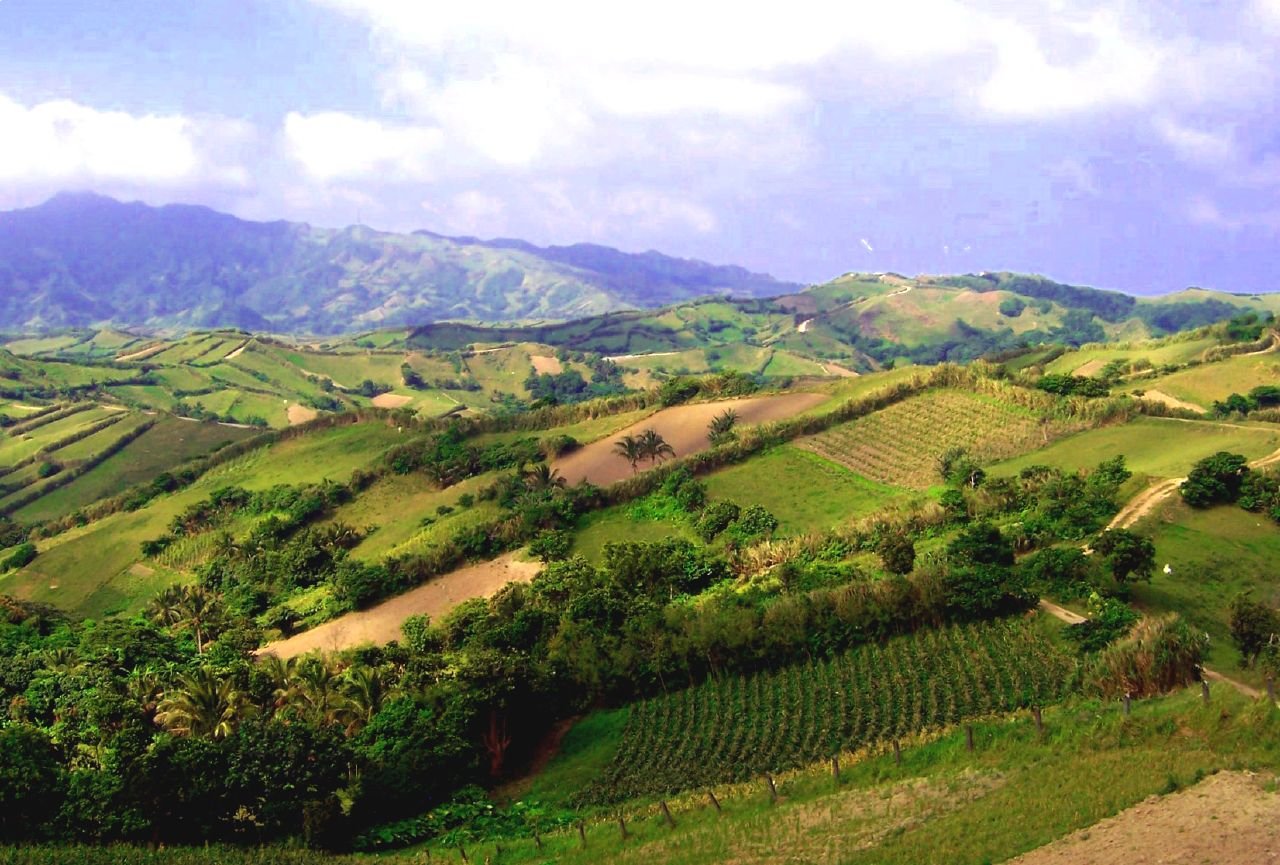
Photo: bingbing, CC BY 2.0
At a glance
| Getting there | Flights of about 1.5 to 2 h from Manila to Basco; there is no practical ferry for visitors |
|---|---|
| Gateway | Manila (flight to Basco) |
| Travel time | About 1.5 to 2 h by air |
| Days | 3 to 5 nights |
| Best months | Mar–May dry and calm; Jun–Nov typhoon season; Dec–Feb windy and cool |
| Getting around | Hire a tricycle or van with driver, or rent a bike or scooter; one road loops the island |
| Booking | Flights well ahead, as they are few and fill fast; tours and rooms a few weeks ahead |
| Cost | Expensive for the Philippines because of flights |
| Beaches | Few swimming beaches; boulder shores at Valugan, rocky coves, strong currents |
| Sea | Philippine seas |
| Archipelago | Batanes |
| Area | 76 km² |
| Population | 11,173 |
| Highest point | 1,009 m (Mount Iraya) |
| Airport | Yes, scheduled flights |
| Car-free | No |
| Checked | October 2026 |
Tours and day trips: what to book
Batan is usually seen on two guided day tours, one for the north of the island and one for the south, sold by local operators and guesthouses in Basco.
The north tour stays close to Basco: the lighthouse on Naidi Hills, the rolling pastures of Vayang, the boulder beach of Valugan and the views of Mount Iraya, often with the old Japanese tunnels and the hilltop chapel of Tukon. The south tour follows the coast road to Mahatao and Ivana, with the stone churches, the cliffs of Chawa, the communal pasture known as Marlboro Country, the stone houses of Ivana and the unmanned honesty shop where you pay into a box. Both are normally done by private tricycle or van with a driver-guide and include lunch; entrance fees and the environmental fee paid on arrival are sometimes extra.
A third day is usually spent on Sabtang Island, reached by boat from Ivana, and a fourth if possible on remote Itbayat, though both depend on calm seas. Climbing Mount Iraya requires a local guide.
Our advice: book the north and south tours for your first two days, leaving a spare day for weather, and add Sabtang on the first calm morning.
What to see and do on Batan Island
Basco and Naidi Hills
The small provincial capital sits on a bay below Mount Iraya, with a cathedral, a seafront and simple restaurants. A short climb or tricycle ride brings you to the lighthouse on Naidi Hills, which can be climbed for views over the town, the volcano and the sea. Come at sunset, when the light catches the hills.
Vayang Rolling Hills
North of Basco, a road climbs onto grassy ridges that run straight to the edge of high sea cliffs, with cows grazing, stone walls and the Pacific on both sides. On clear days you can see Itbayat in the distance. Walk along the ridge, but keep away from the crumbling edges and hold on to hats.
Racuh a Payaman
In Mahatao, this communal pasture on the hills above the east coast is nicknamed Marlboro Country for its rolling grass and grazing cattle. Fields are separated by hedges of reeds, and the view takes in the Pacific breaking on the cliffs and Mount Iraya to the north. It is about 30 minutes' drive from Basco.
Ivana and the stone houses
In the southern town of Ivana, Ivatan stone houses with walls up to a metre thick and steep thatched roofs line the road. The House of Dakay, built in 1887, is one of the oldest and survived major earthquakes. Opposite the port stands the honesty coffee shop, where there is no staff and you pay into a box.
Valugan Boulder Beach
On the east coast near Basco, a long beach is covered not with sand but with smooth grey boulders thrown out by Mount Iraya and polished by waves. The Pacific crashes hard here, so it is for walking and photographs, not swimming. Visit at sunrise, when the boulders glow and the beach is empty.
Sabtang Island
From Ivana port, open boats called falowa cross to Sabtang in about 30 to 45 minutes in the early morning. The island has the best-preserved stone villages, notably Savidug and Chavayan, plus the arch of Morong beach. Tours by tricycle around the island include lunch; the boat runs only when seas are calm, so plan flexibly.
Batan Island tours: which one for you
Our pick for each kind of trip, with live dates and prices. Free cancellation on most.
Best for: First visit, the north of the island
Covers the Basco lighthouse, the rolling hills of Vayang and the boulder beach of Valugan with a local guide and lunch, the best introduction on your first day.
- The south and its stone villages: Batanes south batan signature guided tour A day through the old stone houses of Ivana, the churches and the communal pasture of Mahatao, with a guide to explain Ivatan life and building traditions.
How to get to Batan Island
Basco Airport, just outside the town, has scheduled flights from Manila of about 1.5 to 2 hours, operated by a few airlines with small aircraft. Flights are limited and cancellations are common when strong winds or typhoons affect the islands, so book early, avoid tight connections and allow at least one spare day before any international flight.
There is no regular passenger ferry from the mainland that is practical for visitors; cargo ships sail irregularly from northern Luzon. Bringing a car is not realistic.
On arrival, visitors pay an environmental fee at the airport, and guesthouses usually meet guests by prior arrangement. From Batan, boats link Ivana with Sabtang and Basco with Itbayat, both depending on weather.
Getting around
A paved road follows the coast of most of the island, linking Basco, Mahatao, Ivana and Uyugan, with a road over the hills to the east coast. Tricycles and vans with drivers can be hired for a half day or full day and double as guides. Many visitors rent bicycles or scooters to tour the northern sights from Basco, but the hills are steep and the wind strong. Public jeepneys are infrequent, and traffic is very light.
When to go
The best time to visit is March to May, when the weather is mostly dry and sunny, the sea calm enough for the boats to Sabtang and Itbayat, and the hills still green. Temperatures are pleasant, around 25 to 30 degrees, cooler than most of the Philippines.
From June to November typhoons regularly pass close to or over Batanes, bringing violent winds and grounding flights and boats, sometimes for days. Travel is possible between storms, but plans must be flexible.
From December to February the northeast monsoon makes it cool, windy and often grey, with rough seas; it suits hikers who do not mind the weather. Holy Week and the summer school holidays in April and May are busiest, when rooms and flights sell out. Three to five nights allow the two Batan tours plus Sabtang.
Where to stay
Basco is the obvious base, with most guesthouses, homestays, small hotels and restaurants, the airport and the boat to Itbayat. Rooms are simple and fill quickly in high season. A few quieter places are spread along the coast road in Mahatao and Ivana, including a hillside inn in the former home of a famous Ivatan painter; they suit those who want views and silence, but need transport for meals. Sabtang has basic homestays for an overnight stay.
History and character
The Ivatan, an Austronesian people, have lived on Batan for thousands of years, building hilltop fortresses called ijang and later the thick-walled stone houses that withstand typhoons. Spanish missionaries arrived in the late 17th century, and Spain formally annexed the islands in 1783, moving villagers into planned towns with stone churches. American rule followed, then Japanese occupation in the Second World War, whose tunnels remain near Basco. Mount Iraya last erupted in 1454, and the volcanic soil still feeds the pastures and gardens.
Combine it with
Batan is the hub for the rest of Batanes. Sabtang is 30 to 45 minutes by boat from Ivana, easily seen in a day. Itbayat, the largest island, lies about three to four hours by boat from Basco or a short hop by small plane, with cliffs and few visitors. Most travellers then return to Manila; there are no connections to Taiwan, despite the short distance.
Frequently asked questions
How do I get to Batan Island?
Flights of about 1.5 to 2 h from Manila to Basco; there is no practical ferry for visitors.
How long does it take to get to Batan Island from Manila (flight to Basco)?
From Manila (flight to Basco): about 1.5 to 2 h by air.
How many days do you need on Batan Island?
3 to 5 nights.
When is the best time to visit Batan Island?
Mar–May dry and calm; Jun–Nov typhoon season; Dec–Feb windy and cool.
Do I need a car on Batan Island?
Hire a tricycle or van with driver, or rent a bike or scooter; one road loops the island.
Is Batan Island worth a day trip?
Go if you want windswept hills, sea cliffs, traditional stone villages and very little tourist development. Skip it or choose Palawan or Siargao if you want white-sand beaches, snorkelling, cheap travel or a trip that will not be disrupted by weather.
Is Batan Island expensive?
Expensive for the Philippines because of flights.
What are the beaches like on Batan Island?
Few swimming beaches; boulder shores at Valugan, rocky coves, strong currents.
What should I book ahead for Batan Island?
Flights well ahead, as they are few and fill fast; tours and rooms a few weeks ahead.
Can I book tours and day trips to Batan Island online?
Yes. Boat trips, guided tours and day trips for Batan Island can be booked online; live prices and free cancellation on most are shown on this page.