Comoros · Indian Ocean · Volcanic island
Comoros
The Comoros is a small island nation at the northern end of the Mozambique Channel, made up of Grande Comore, Mohéli and Anjouan, with the active volcano Mount Karthala rising to 2,361 metres. Few tourists come, which is the appeal: old Arab-Swahili towns, ylang-ylang plantations, black lava coasts, white beaches and turtles.
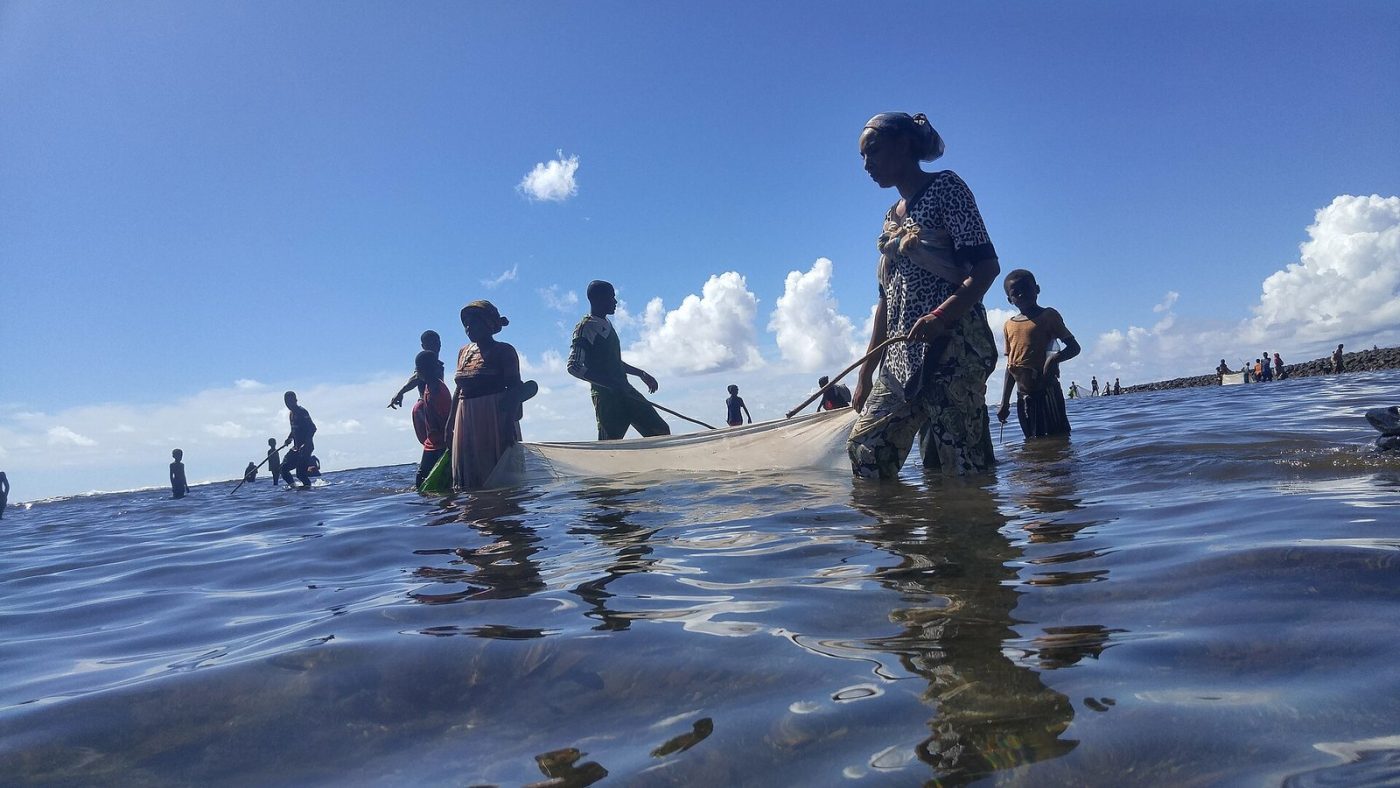
Photo: Sarahmcq, CC BY-SA 4.0
At a glance
| Getting there | Flights to Moroni via Nairobi, Addis Ababa, Dar es Salaam or the Indian Ocean islands; small planes between islands |
|---|---|
| Gateway | Moroni (Prince Said Ibrahim airport) |
| Travel time | International flight to Moroni, then 30-min flights |
| Days | A week or more |
| Best months | May–Nov dry and cooler; Dec–Apr hot, humid and rainy with cyclone risk |
| Getting around | Shared taxis or a car with driver on each island; small planes and boats between them |
| Booking | Flights and inter-island transport well ahead; guides for Karthala a few days ahead |
| Cost | Mid-range; flights and hotels expensive for the region |
| Beaches | White sand in the north of Grande Comore and on Mohéli; black lava shores elsewhere |
| Sea | Indian Ocean |
| Archipelago | Comoro Islands |
| Area | 2,034 km² |
| Population | 900,000 (2026) |
| Highest point | 2,361 m (Mount Karthala) |
| Airport | Yes, scheduled flights |
| Car-free | No |
| Checked | October 2026 |
Tours and day trips: what to book
Tourism in the Comoros is in its infancy, and what is sold online is a handful of guided outings run by local operators in Moroni, mostly on Grande Comore.
The most useful are guided island tours with a driver and hotel pickup, a day around Grande Comore taking in Moroni's harbour and medina, lava flows on the coast, villages, the crater lake in the north and a beach. Lunch and entry fees may or may not be included; ask. Walking tours of Moroni's old town are shorter.
For active travellers, guided hikes up Mount Karthala are the highlight. The climb takes a long day up and down or two days with camping on the rim; guides, porters and transport to the trailhead are normally included, while tents, food and water vary. Forest walks look for birds, lemurs and giant fruit bats, and other tours visit waterfalls, spice plantations and ylang-ylang distilleries. A listing combining the Comoros with Zanzibar is a separate trip.
Mohéli and Anjouan are best arranged through guesthouses there, especially turtle watching on Mohéli. Our advice: book a guided island tour and Karthala in advance, then arrange the other islands locally.
What to see and do in Comoros
Mount Karthala
The great volcano dominates Grande Comore and has one of the largest summit craters of any active volcano, several kilometres across. The climb from the villages on its western slopes passes through forest and heath to a lunar landscape of ash and lava. It is long and steep, so start before dawn with a guide, plenty of water and warm clothes for the summit.
Moroni's medina and old mosque
The capital's old quarter sits around the small harbour, with narrow lanes, carved wooden doors and coral-stone houses. The white Old Friday Mosque, first built in the 15th century, stands on the waterfront and is the city's landmark. Walk early, when the market comes to life, and dress modestly: shoulders and knees covered.
The north of Grande Comore
About an hour's drive north of Moroni, the coast changes from black lava to white sand. Beaches around Mitsamiouli have calm, clear water for swimming and snorkelling. Nearby, the Lac Salé is a salt-water crater lake below a volcanic rim, and the Trou du Prophète is a sheltered lava cove. Facilities are basic, so carry water and food.
Mohéli Marine Park
Mohéli, the smallest and least developed island, has a protected marine park where green turtles come ashore to nest almost every night on the beaches at Itsamia. Local guides take visitors to watch them after dark. By day there is snorkelling on reefs around the islets of the south coast, and humpback whales pass from about July to October.
Anjouan and its ylang-ylang
Anjouan is steep and green, with waterfalls, crater lakes and terraced valleys. The old town of Mutsamudu has a medina and a hilltop citadel. Across the island, distilleries turn the fragrant flowers of ylang-ylang trees into essential oil for perfume, and the Comoros is one of the world's leading producers. Visits are best arranged through guides in Mutsamudu.
Comoros tours: which one for you
Our pick for each kind of trip, with live dates and prices. Free cancellation on most.
Best for: First visit, a guided island tour
A day around Grande Comore with a guide and pickup, covering Moroni, lava coasts, villages and beaches, which is hard to arrange alone on a first day.
- Climbing Mount Karthala: Comoros mount karthala hike with optional camping A guided ascent of the active volcano through forest to the vast summit crater, with the option to camp up top and see the sunrise.
- Moroni's old town on foot: Comoros ancient medina guided walking tour A walk through the narrow lanes of the medina with a local guide, explaining the old mosque, the carved doors and life in the harbour district.
How to get to Comoros
Moroni's Prince Said Ibrahim International Airport, about 20 km north of the capital, has flights from Nairobi, Addis Ababa, Dar es Salaam, Zanzibar and Madagascar, as well as the French islands of Mayotte and Réunion, with connections to Europe and the Gulf. Schedules are limited and change often, so check before booking. Many nationalities obtain a visa on arrival.
Small planes link Grande Comore with Mohéli and Anjouan in about 30 minutes, but services are irregular and subject to delays. Ferries and smaller boats also run between the islands; some are crowded and safety standards are poor, so choose a reputable operator or fly. Cars cannot practically be brought in.
Getting around
Each island has a road around its coast, varying from good asphalt on Grande Comore to rough tracks on Mohéli and Anjouan. Shared taxis and minibuses link the main towns cheaply but are slow and crowded. Most visitors hire a car with driver for the day through their hotel, which is more comfortable and provides some guidance. Self-drive rental exists on Grande Comore but is rare. In Moroni, short taxi rides are cheap.
When to go
The dry season from May to November is the best time to visit, with cooler, sunnier weather, lower humidity and better conditions for climbing Karthala and travelling between islands. Humpback whales are present from about July to October, and turtles nest all year on Mohéli, with peaks in the dry months.
From December to April it is hot, humid and rainy, roads can be damaged and the cyclone season brings occasional storms. Ramadan changes daily life, with many places closing by day, and the season of grand marriages, the elaborate weddings that are central to Comorian life, fills July and August with celebrations.
A week allows time for Grande Comore and one other island; ten days or more let you see all three without rushing, allowing for flight delays.
Where to stay
On Grande Comore, Moroni has most hotels, from simple guesthouses to a few business hotels, and is the base for tours and Karthala; the beach hotels around Mitsamiouli in the north suit a quieter stay with swimming. On Mohéli, small eco lodges and guesthouses near Nioumachoua and Itsamia are close to the marine park. On Anjouan, Mutsamudu has a few hotels near the port. Expect basic standards and occasional power cuts.
History and character
The islands were settled by Bantu-speaking Africans and later by Arab, Persian and Malagasy traders, creating a Swahili Islamic culture with sultanates that fought among themselves. France took control in the 19th century, and the Comoros declared independence in 1975, though Mayotte voted to remain French. Since then the country has had many coups and political crises, and Anjouan and Mohéli tried to break away in the late 1990s. Today it remains poor but culturally rich, with Arabic, French and Comorian spoken and Islam central to daily life.
Combine it with
The Comoros pairs with Zanzibar, Dar es Salaam or Madagascar, all reached by flights of a few hours. Mayotte, a French department with a large lagoon, is close to Anjouan but separate politically, and travel between them is restricted. Many travellers come via Nairobi or Addis Ababa and add a safari in East Africa before or after.
Frequently asked questions
How do I get to Comoros?
Flights to Moroni via Nairobi, Addis Ababa, Dar es Salaam or the Indian Ocean islands; small planes between islands.
How long does it take to get to Comoros from Moroni (Prince Said Ibrahim airport)?
From Moroni (Prince Said Ibrahim airport): international flight to Moroni, then 30-min flights.
How many days do you need in Comoros?
A week or more.
When is the best time to visit Comoros?
May–Nov dry and cooler; Dec–Apr hot, humid and rainy with cyclone risk.
Do I need a car in Comoros?
Shared taxis or a car with driver on each island; small planes and boats between them.
Is Comoros worth a day trip?
Go if you want a volcano climb, Swahili towns, turtle beaches and travel well off the tourist trail. Skip it or choose Zanzibar or Mauritius if you want reliable transport, polished resorts or an easy beach holiday.
Is Comoros expensive?
Mid-range; flights and hotels expensive for the region.
What are the beaches like in Comoros?
White sand in the north of Grande Comore and on Mohéli; black lava shores elsewhere.
What should I book ahead for Comoros?
Flights and inter-island transport well ahead; guides for Karthala a few days ahead.
Can I book tours and day trips to Comoros online?
Yes. Boat trips, guided tours and day trips for Comoros can be booked online; live prices and free cancellation on most are shown on this page.