Mont-Saint-Michel
France
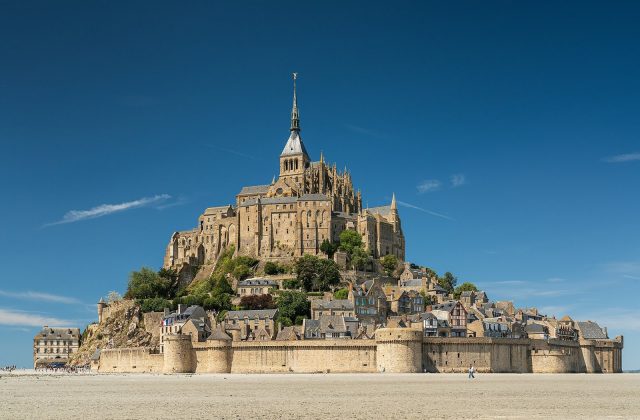
Mont-Saint-Michel is a granite tidal island crowned by a Benedictine abbey, rising from the bay between Normandy and…
84 tours & trips
France · Mediterranean Sea · Nature & wildlife island
Corsica is a French island in the Mediterranean, the fourth largest in the sea, where a single chain of granite mountains rises to 2,706 metres at Monte Cinto barely 25 km from the coast. It combines white-sand beaches in the south, red cliffs in the west, hilltop villages and some of the hardest and finest hiking in Europe.
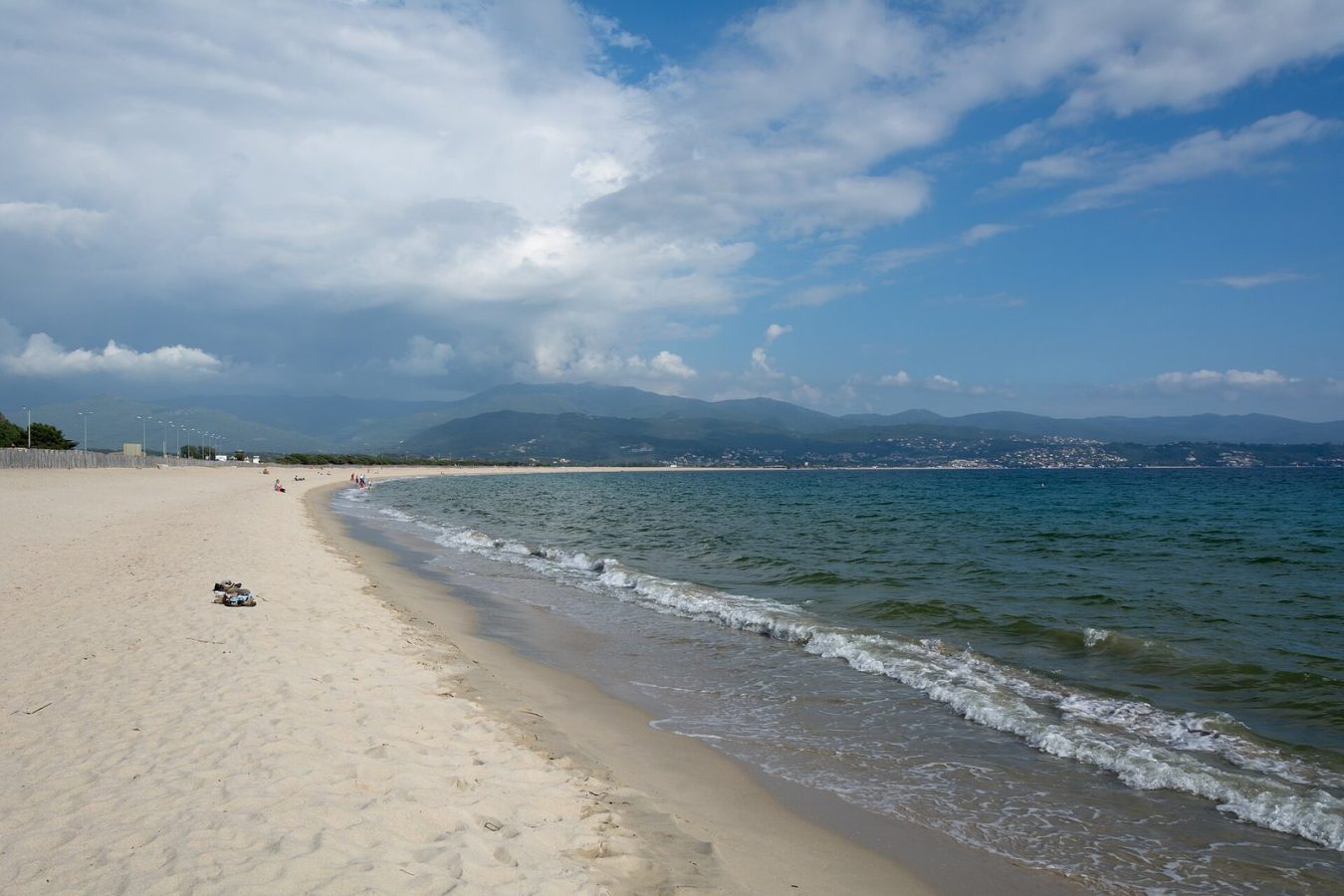
Photo: Isiwal, CC BY-SA 3.0
| Getting there | Flights to Ajaccio, Bastia, Calvi or Figari; ferries from Nice, Marseille, Toulon and Italian ports |
|---|---|
| Gateway | Ajaccio or Bastia; ferries from Nice and Marseille |
| Travel time | 1 to 1.5 h by air from Paris or Nice; 5 to 12 h by ferry |
| Days | A week or more |
| Best months | May–June and September; July–August hot, crowded and expensive |
| Getting around | Hire a car; slow mountain roads; a scenic narrow-gauge train links Ajaccio, Bastia and Calvi |
| Booking | Car ferries, rental cars and summer rooms months ahead; GR20 refuges in spring |
| Cost | Expensive for France in July and August |
| Beaches | White sand near Porto-Vecchio: Palombaggia, Santa Giulia, Rondinara; Saleccia in the Agriates |
| Sea | Mediterranean Sea |
| Area | 8,680 km² |
| Population | 355,486 (2023) |
| Highest point | 2,706 m (Monte Cinto) |
| Airport | Yes, scheduled flights |
| Car-free | No |
| UNESCO | Gulf of Porto: Calanche of Piana, Gulf of Girolata, Scandola Reserve |
| Checked | November 2026 |
Corsica is large, so most tours are half-day or day outings from one coast rather than island-wide packages; plan them by where you are staying.
Boat trips are the main product. On the west coast, boats from Porto, Calvi, Cargese, Sagone, Tiuccia and Ajaccio run to the red Calanques of Piana, Capo Rosso, the fishing village of Girolata and the Scandola reserve, part of a UNESCO site with the Gulf of Porto; from Ajaccio there are also short cruises to the Sanguinaires islands at sunset. In the south, boats from Bonifacio and Porto-Vecchio follow the white cliffs and sea caves out to the Lavezzi islands. In the north, catamarans from L'Ile-Rousse and Saint-Florent drop you on the beaches of the Agriates. Fares cover the boat and commentary; lunch is usually extra.
A good share of the listings leave from Santa Teresa Gallura, Palau and La Maddalena in Sardinia and only make sense if you are staying there.
On land, there are canyoning days in the Richiusa and Vecchio gorges, 4x4 tours into the maquis and to Saleccia beach, village tours of the Balagne, wine tastings, guided walks in the Vizzavona forest, GR20 treks and drives in a vintage Fiat 500. Snorkelling trips and first dives run in clear water around Cargese and Ajaccio.
With a week, pick one boat trip in the west and one in the south, and drive yourself the rest of the time.
At the southern tip, the old town sits on top of white limestone cliffs above a deep natural harbour, with Sardinia visible 12 km across the strait. Walk the citadel walls, climb down the stairway carved into the cliff, and take a boat below the overhanging rock. Come early or late to avoid the day-trip crowds.
On the west coast, the road between Piana and Porto winds through towers of red granite eroded into strange shapes above a deep blue gulf. Stop at the viewpoints and walk one of the short trails, then take a boat from Porto to Scandola and Girolata, a fishing hamlet reached only on foot or by sea.
The south-east has the most famous sand: Palombaggia with its umbrella pines and pink rocks, Santa Giulia with a shallow lagoon-like bay, and Rondinara, an almost closed circle of turquoise water. They get very busy in August, when parking fills by mid-morning. Porto-Vecchio's old town is a good evening base.
In the centre, Corte was the capital of independent Corsica and still has its citadel high on a rock and the island's university. It is the base for walks into the Restonica and Tavignano valleys, with mountain lakes and natural pools in the rivers. Drive the Restonica road early, as it is narrow and busy.
In the north-west, Calvi has a Genoese citadel above a long sandy bay and a lively harbour. Inland, the hills of the Balagne are dotted with villages such as Pigna and Sant'Antonino, with craft workshops and wide views. A coastal train connects Calvi and L'Ile-Rousse in summer, stopping at beaches along the way.
The narrow peninsula north of Bastia is lined with Genoese watchtowers, small marinas and villages clinging to the slopes. A full loop of about 120 km on a winding coastal road takes a day. Stop at Erbalunga, Centuri for lobster and Nonza with its dark pebble beach below a tower.
Our pick for each kind of trip, with live dates and prices. Free cancellation on most.
Best for: First visit, Scandola and Piana by boat
From Porto into the Scandola reserve and under the red granite Calanques of Piana, the stretch of coast that roads cannot reach and the best boat trip on the island.
Four airports serve the island: Ajaccio, Bastia, Calvi and Figari near Bonifacio and Porto-Vecchio. Flights from Paris, Nice and Marseille run all year and take about an hour to an hour and a half, and many European cities add direct flights in summer.
Ferries are the choice if you want your own car. Fast and conventional boats sail from Nice, Marseille and Toulon to Bastia, Ajaccio, Calvi, L'Ile-Rousse and Porto-Vecchio, taking from about five hours by day to a night crossing. From Italy, boats leave Livorno, Savona and Genoa, and short crossings of about an hour link Bonifacio with Santa Teresa Gallura in Sardinia. Car spaces sell out in July and August, so book early.
A car is close to essential. Roads are good but slow, twisting through mountains, and distances take longer than the map suggests: allow about three hours from Ajaccio to Bonifacio. Watch for cows, pigs and goats on the road. A narrow-gauge railway links Ajaccio, Corte and Bastia, with a branch to Calvi, and is a scenic ride in itself. Buses between towns are limited and infrequent.
The best months are May, June and September. The sea warms to about 20 degrees by June and stays warm into October, the maquis smells of herbs and flowers in spring, and prices are reasonable. July and August are hot and crowded, with French and Italian holidaymakers filling the beaches, ferries and roads; prices peak around mid-August.
For hiking, late June to September is the season in the high mountains, when the GR20 is free of snow; storms are common in the afternoons, so start early. October is good for walking and quieter beaches. From November to March, coastal resorts shut down, but Ajaccio and Bastia stay alive and snow covers the peaks. Plan at least a week to see two or three regions.
The island is too big for one base. Split your stay: Porto-Vecchio or Bonifacio for the southern beaches and cliffs, Porto or Piana for the west coast and the Calanques, and Calvi or L'Ile-Rousse for the Balagne. Ajaccio and Bastia are practical cities with ferries, airports and restaurants, but less charming as beach bases. Corte suits hikers who want the interior.
Corsica was fought over by Pisa and then Genoa, which ruled it from 1284 to 1755 and built the watchtowers that ring the coast and the citadels of Calvi, Bastia and Bonifacio. In 1755 Pasquale Paoli declared an independent Corsican republic with its capital at Corte, but Genoa sold the island to France and French troops took it in 1769. Napoleon was born in Ajaccio that same year. The island keeps its own language, polyphonic singing and a strong sense of identity.
Sardinia is an hour away by ferry from Bonifacio, so a trip can continue to the Maddalena islands and the Costa Smeralda. Overnight ferries from Nice and Marseille link the island with the French Riviera and Provence, and boats from Livorno connect with Tuscany and the island of Elba.
Flights to Ajaccio, Bastia, Calvi or Figari; ferries from Nice, Marseille, Toulon and Italian ports.
From Ajaccio or Bastia; ferries from Nice and Marseille: 1 to 1.5 h by air from Paris or Nice; 5 to 12 h by ferry.
A week or more.
May–June and September; July–August hot, crowded and expensive.
Hire a car; slow mountain roads; a scenic narrow-gauge train links Ajaccio, Bastia and Calvi.
Go if you want mountains and beaches on one island, with road trips, hiking, boat trips and strong local food. Skip it or choose Sardinia or Mallorca if you want an easy, cheap beach holiday without long winding drives.
Expensive for France in July and August.
White sand near Porto-Vecchio: Palombaggia, Santa Giulia, Rondinara; Saleccia in the Agriates.
Car ferries, rental cars and summer rooms months ahead; GR20 refuges in spring.
Yes. Boat trips, guided tours and day trips for Corsica can be booked online; live prices and free cancellation on most are shown on this page.
France
Mont-Saint-Michel is a granite tidal island crowned by a Benedictine abbey, rising from the bay between Normandy and…
84 tours & trips
France
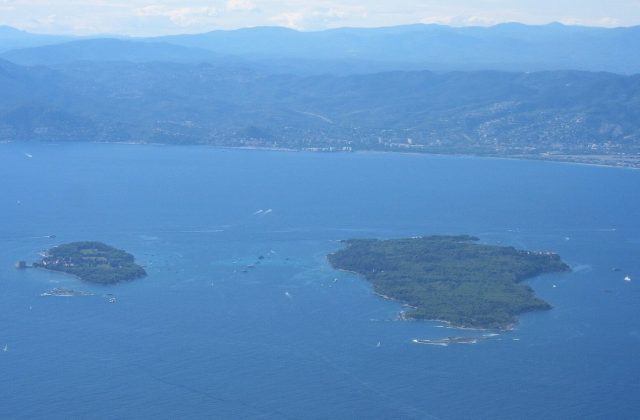
The Lerins Islands are a group of five low, pine-covered islands just off Cannes, only 15 minutes by boat from the old…
42 tours & trips
France
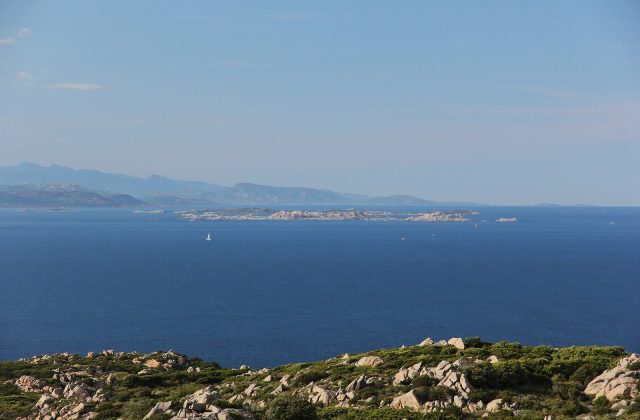
The Lavezzi Islands are a cluster of low granite islets in the Strait of Bonifacio, about 10 km south-east of Bonifacio…
36 tours & trips
France
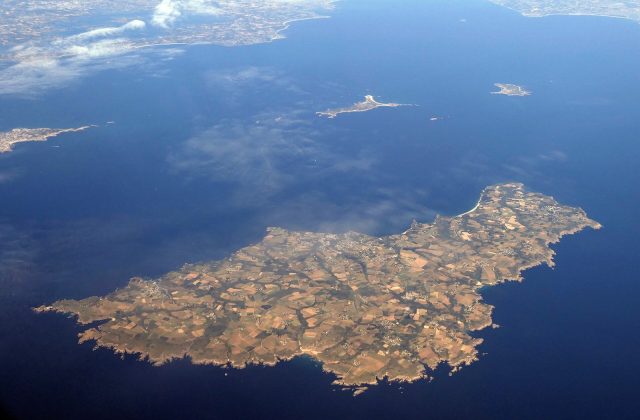
Belle-Île-en-Mer is the largest of the Breton islands, 17 km long and 14 km off the Quiberon peninsula, with a wild…
29 tours & trips
France
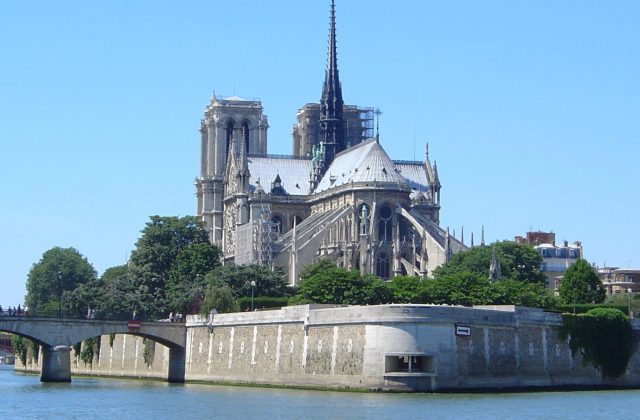
The Ile de la Cite is the small island in the Seine where Paris began, home to Notre-Dame Cathedral, the stained glass…
25 tours & trips
France
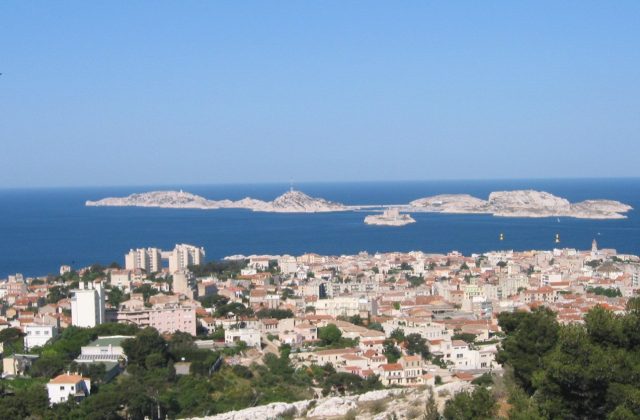
The Frioul Islands are a small, bare limestone archipelago about 4 km off Marseille, made up of Ratonneau, Pomegues,…
21 tours & trips