Cuba · Caribbean Sea · Historic island
Cuba
Cuba is the largest island in the Caribbean, about 1,250 km long, a country of colonial cities, tobacco valleys, mountains and long white beaches between the Gulf of Mexico and the Caribbean Sea. Old Havana, Trinidad and the Vinales valley are the classic route, and travel here still feels unlike anywhere else.
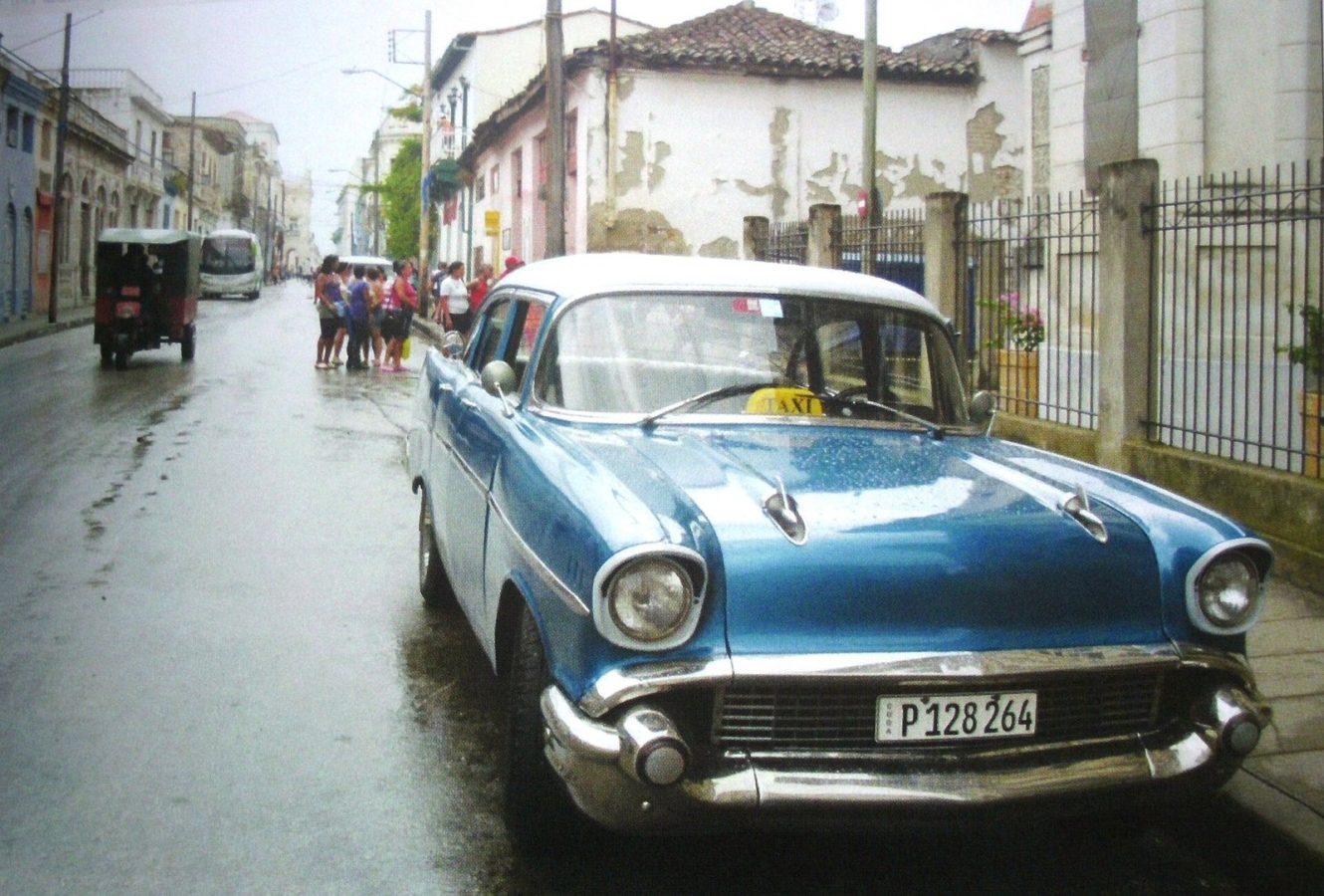
Photo: Виктор Пинчук (автор фото и книги), CC BY-SA 4.0
At a glance
| Getting there | Fly to Havana from Europe, Canada, Mexico or Panama; charter flights also serve Varadero and the northern cays |
|---|---|
| Gateway | Havana (Jose Marti airport) |
| Travel time | About 9 to 10 h by air from Western Europe |
| Days | A week or more |
| Best months | Nov–Apr dry and warm; Jun–Nov hurricane season; Jul–Aug hot |
| Getting around | Tourist buses, shared taxis and hired cars with drivers; car rental scarce and costly |
| Booking | Flights, first nights and long-distance bus seats ahead; keep plans flexible |
| Cost | Mid-range; cheap guesthouses, pricey resorts and transport |
| Beaches | Long white sand: Varadero, Cayo Coco and Cayo Santa Maria; Playa Ancon near Trinidad |
| Sea | Caribbean Sea |
| Archipelago | Greater Antilles |
| Area | 109,884 km² |
| Population | 11 million (2023) |
| Highest point | 1,974 m (Pico Turquino) |
| Airport | Yes, scheduled flights |
| Car-free | No |
| UNESCO | Old Havana and its Fortification System |
| Checked | November 2026 |
Tours and day trips: what to book
Almost nothing is sold online for Cuba as an island in this catalogue. Visitors build their own trip or book a package from home.
Most independent travellers arrange accommodation in casas particulares, private rooms in family homes, and buy activities locally through their hosts. In Havana the classic experiences are a ride in a 1950s American convertible along the Malecon, a walking tour of the old town and an evening of salsa or son in a music bar. From Havana or a casa in Vinales, guides lead walks and horse rides through the tobacco farms, usually with a visit to a drying barn. Trinidad offers trips to the sugar mill valley and hikes to waterfalls in the Topes de Collantes reserve.
Beach holidays are usually all-inclusive packages to Varadero or the northern cays, with catamaran trips to snorkel offshore reefs sold at the hotel. Divers head to the Bay of Pigs or Maria la Gorda.
Our advice: book flights and the first nights in Havana, then arrange onward transport and excursions through your hosts, carrying enough cash for the whole stay.
What to see and do in Cuba
Old Havana and the Malecon
The colonial core of the capital, a UNESCO World Heritage Site, is a grid of restored squares, baroque churches, palaces and crumbling arcaded streets. Walk from the cathedral square to Plaza Vieja and the fortress of La Fuerza, then stroll the seafront Malecon at sunset to Vedado. Allow at least two full days for the city.
Trinidad and the sugar mill valley
About four hours by road southeast of Havana, Trinidad is a small colonial town of cobbled streets and pastel houses, almost unchanged since the sugar boom of the early 19th century. Climb a bell tower for views, hear live music on the steps by the main square at night, and visit the plantation ruins in the valley outside.
Vinales valley
Three hours west of Havana, a green valley of tobacco fields is dotted with mogotes, steep limestone hills covered in forest. Walk or ride a horse between farms to see how cigars are rolled, explore a cave, and watch the sunset from a viewpoint above the village. Stay at least two nights to enjoy the slow pace.
Varadero and the northern cays
The Hicacos peninsula at Varadero, two hours east of Havana, has a white beach about 20 km long backed by resorts. Further east, causeways cross the sea to Cayo Santa Maria, Cayo Coco and Cayo Guillermo, with turquoise water and quieter beaches. These are mainly resort areas, best for pure relaxation rather than Cuban life.
Santiago de Cuba and the Sierra Maestra
Cuba's second city, at the eastern end of the island, is hilly, hot and proud of its Afro-Caribbean music. See the cliff-top fortress of El Morro at the harbour mouth and the cemetery of Santa Ifigenia. To the west rise the Sierra Maestra mountains, with Pico Turquino, the highest point at 1,974 metres, climbed on guided treks.
Cienfuegos and the Bay of Pigs
Cienfuegos, on a large bay halfway between Havana and Trinidad, has an elegant French-influenced centre and a seafront promenade. To the west, the Bay of Pigs has clear water and reefs right off the shore, with good snorkelling and diving at Playa Larga and Playa Giron, and a museum about the failed invasion of 1961.
Tours and day trips for Cuba
Live dates and prices. Free cancellation on most tours.
How to get to Cuba
Jose Marti International Airport in Havana receives flights from Madrid, Paris and other European cities, from Canada, Mexico, Panama and other Latin American hubs. Varadero, Holguin, Cayo Coco and Santa Clara have charter and scheduled flights, mainly from Canada and Europe, used by package holidaymakers.
Most visitors need a tourist card, sold by airlines or travel agencies, and must complete an online entry form before departure; travel medical insurance is required. Travellers from the United States face legal restrictions on tourism and must check the permitted categories of travel.
There are no regular passenger ferries to Cuba, and cruise calls are rare. Bring enough cash in euros or US dollars: foreign cards issued by US banks do not work, and cash machines are unreliable.
Getting around
Distances are long: Havana to Santiago is about 850 km. Tourist buses link the main destinations but sell out, while shared taxis, often classic cars, run the same routes faster for a little more and can be arranged by your host. Hiring a car with a driver is popular. Rental cars are scarce and expensive, fuel shortages are frequent, and roads have potholes, cyclists and horse carts and no lighting at night. Trains are slow and unreliable.
When to go
The best months are November to April, the dry season, with temperatures around 25 to 28 degrees, low humidity and sea around 25 degrees. Christmas, New Year and Easter are the busiest and most expensive times, and casas in Havana and Trinidad fill early; January and February can bring cool northerly fronts.
May and June are hotter and wetter but quieter. July and August are very hot and humid, with daily afternoon storms, and Cubans take their own holidays at the beaches; Santiago's carnival in July is the liveliest festival. The hurricane season runs from June to November, with the greatest risk from August to October.
Power cuts and shortages have become common across the island in recent years, so choose accommodation with a generator or backup. Two weeks allows Havana, Vinales, Trinidad and a few beach days.
Where to stay
In the cities, casas particulares give the best value and the most local insight; in Havana, Old Havana puts you among the sights, Centro Habana is more local, and leafy Vedado is quieter, with good restaurants. In Trinidad and Vinales, family homes are the main option and hosts often cook excellent dinners. For beaches, the all-inclusive resorts of Varadero and the cays are the norm, comfortable but isolated from Cuban life.
History and character
The Taino and earlier peoples lived on Cuba when Columbus landed in 1492. Spanish colonists founded Havana and the other early towns, and the island grew rich on sugar worked by enslaved Africans, then on tobacco. Independence wars from 1868, led in part by Jose Marti, ended with Spanish defeat in 1898 and decades of American influence. The revolution of 1959 brought Fidel Castro to power and close ties with the Soviet Union; tourism has been encouraged since the economic crisis of the 1990s.
Combine it with
Cuba itself fills two weeks or more. Within the country, add the Isla de la Juventud or Cayo Levisa for quieter islands. Many travellers combine Cuba with Mexico, as Cancun is about an hour by air from Havana, or with Panama through Panama City's air hub. Jamaica and the Cayman Islands are close by air, but direct flights are limited.
Frequently asked questions
How do I get to Cuba?
Fly to Havana from Europe, Canada, Mexico or Panama; charter flights also serve Varadero and the northern cays.
How long does it take to get to Cuba from Havana (Jose Marti airport)?
From Havana (Jose Marti airport): about 9 to 10 h by air from Western Europe.
How many days do you need in Cuba?
A week or more.
When is the best time to visit Cuba?
Nov–Apr dry and warm; Jun–Nov hurricane season; Jul–Aug hot.
Do I need a car in Cuba?
Tourist buses, shared taxis and hired cars with drivers; car rental scarce and costly.
Is Cuba worth a day trip?
Go if you want colonial cities, live music, classic cars, tobacco country and Caribbean beaches in one long trip. Skip it or choose the Dominican Republic or Mexico if you want reliable power, easy transport, good internet and a stress-free beach holiday.
Is Cuba expensive?
Mid-range; cheap guesthouses, pricey resorts and transport.
What are the beaches like in Cuba?
Long white sand: Varadero, Cayo Coco and Cayo Santa Maria; Playa Ancon near Trinidad.
What should I book ahead for Cuba?
Flights, first nights and long-distance bus seats ahead; keep plans flexible.
Can I book tours and day trips to Cuba online?
Yes. Boat trips, guided tours and day trips for Cuba can be booked online; live prices and free cancellation on most are shown on this page.