Cyprus · Mediterranean Sea · Beach island
Cyprus
Cyprus is the third largest island in the Mediterranean, about 9,250 square kilometres, lying south of Turkey and west of Lebanon. It offers warm sea for much of the year, long beaches, the pine-covered Troodos mountains rising to 1,952 metres and layers of history from ancient mosaics to Crusader castles, all on an island divided since 1974.
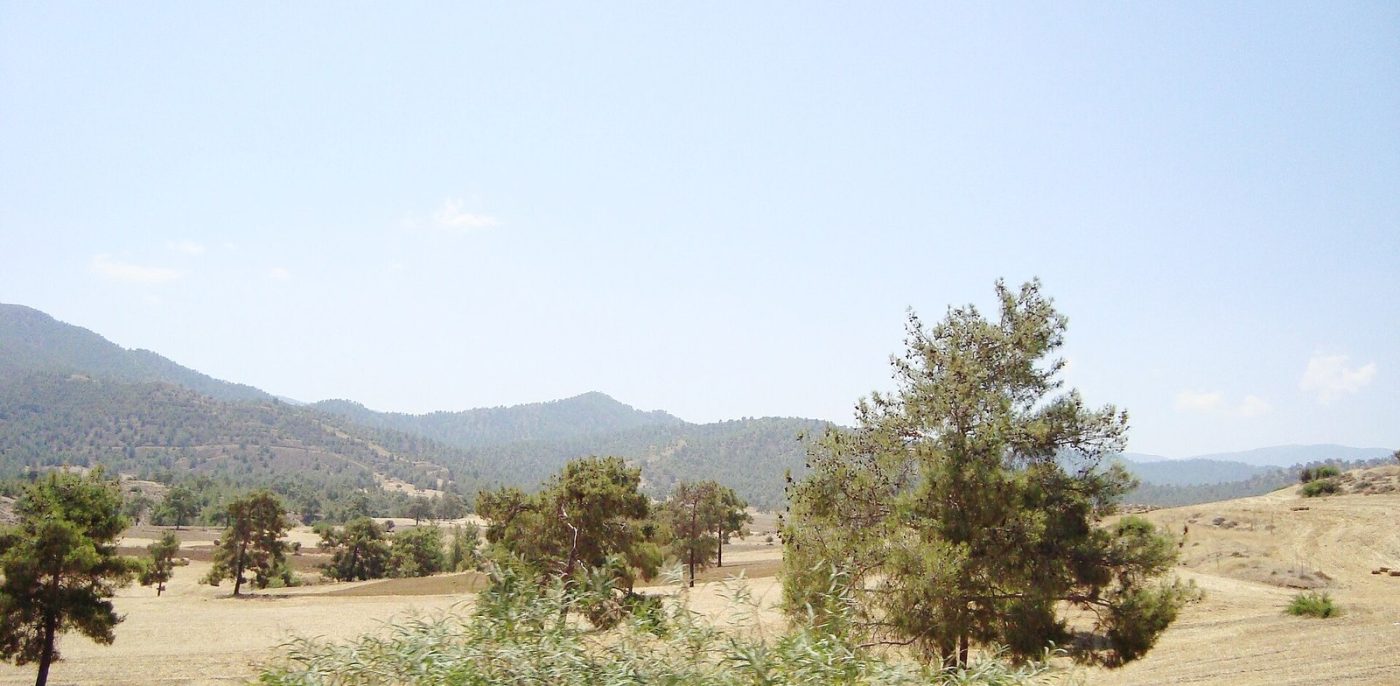
Photo: TroodosMountains, CC BY-SA 3.0
At a glance
| Getting there | Flights to Larnaca or Paphos from across Europe and the Middle East; no regular ferries from Greece |
|---|---|
| Gateway | Larnaca or Paphos airports |
| Travel time | About 4 to 5 h by air from London, 1.5 h from Athens |
| Days | A week or more |
| Best months | Apr–Jun and Sep–Oct; Jul–Aug very hot; winter mild, snow on Troodos |
| Getting around | Rent a car and drive on the left; buses link the main towns |
| Booking | Flights and beach hotels months ahead for Jul–Aug; tours a few days ahead |
| Cost | Mid-range; cheaper than most of western Europe |
| Beaches | Sand at Ayia Napa, Protaras and Fig Tree Bay; quieter coves on the Akamas and Karpas |
| Sea | Mediterranean Sea |
| Area | 9,251 km² |
| Population | 1.1 million |
| Highest point | 1,952 m (Mount Olympus) |
| Airport | Yes, scheduled flights |
| Car-free | No |
| UNESCO | Paphos |
| Checked | October 2026 |
Tours and day trips: what to book
Cyprus is large enough that most visitors rent a car, but organised tours help with the mountains, the divided capital and the sea.
The most popular are day tours by coach or minibus from the resorts of Paphos, Limassol, Larnaca, Ayia Napa and Protaras. They cover the Troodos mountains with painted churches, Kykkos monastery and wine villages such as Omodos; the ancient sites of Paphos and Kourion; or Nicosia, crossing the Green Line on foot into the Turkish Cypriot north. Some go further north to Kyrenia, Famagusta or the fenced ghost town of Varosha. Jeep safaris in the Troodos and the Akamas peninsula are popular with families.
On the water, boats from Latchi visit the Blue Lagoon on the Akamas coast, and boats from Ayia Napa and Protaras sail to the sea caves of Cape Greco. Diving is excellent, with the famous wreck of the ferry Zenobia off Larnaca and an underwater sculpture park near Ayia Napa. There are also wine tours, cooking classes and halloumi-making workshops.
Transport and a guide are usually included; entry fees and lunch often are not. A car plus one tour to Nicosia and one boat trip covers most visits.
What to see and do in Cyprus
Paphos and its mosaics
The archaeological park beside Paphos harbour holds Roman villas with some of the finest floor mosaics in the Mediterranean, showing myths and hunting scenes. A short drive north, the Tombs of the Kings are underground burial chambers cut into rock. Both are part of a World Heritage Site. Allow half a day, avoiding the midday heat in summer.
The Troodos mountains
The mountains in the centre and west, rising to 1,952 metres at Mount Olympus, are cool in summer and snowy in winter. Small Byzantine churches with painted interiors, ten of them a World Heritage Site, hide in the valleys. Kykkos monastery, stone villages such as Kakopetria and Omodos, and forest walking trails fill a day or two.
Nicosia and the Green Line
The capital is divided by a United Nations buffer zone. In the south, the Cyprus Museum holds the island's best archaeological finds and the old town has Venetian walls. Cross on foot at Ledra Street with a passport to the north, where the Selimiye Mosque was once a Gothic cathedral and the old caravanserai still hosts cafes.
Kourion and Aphrodite's Rock
West of Limassol, Kourion is an ancient city on a clifftop above the sea, with a restored theatre, mosaics and a sanctuary of Apollo nearby. Further west, the sea stack of Petra tou Romiou is the legendary birthplace of Aphrodite, a popular stop for a swim. The coastal road between them has wide views.
Cape Greco and Ayia Napa
At the south-east tip, the Cape Greco national park has sea caves, cliffs and clear water, with walking and cycling paths. Nearby, Ayia Napa has famous beaches such as Nissi and a lively nightlife, while Protaras has calmer family beaches including Fig Tree Bay. Boat trips to the caves leave from both resorts.
Kyrenia and the north coast
In the north, the small harbour of Kyrenia is overlooked by a castle that houses an ancient shipwreck. Above it, the ruined Gothic abbey of Bellapais and the crusader castle of St Hilarion sit on the mountain ridge. Further east are walled Famagusta and the ruins of Salamis. Check your rental car's insurance before crossing.
Cyprus tours: which one for you
Our pick for each kind of trip, with live dates and prices. Free cancellation on most.
Best for: First visit, the highlights in a day
A guided coach day from the west of the island that strings together the main ancient sites, the coast and a mountain village, for those without a car.
- Nicosia, north and south: Paphos divided nicosia north cyprus walk in and larnaca A guided day that crosses the Green Line on foot in the divided capital, showing both sides, with a stop in Larnaca, which is the best introduction to modern Cyprus.
- The Troodos villages and wine: Cyprus troodos mountains villages and wineries tour A day from the east coast resorts into the mountains, with stone villages, monasteries and tastings at small wineries, a contrast to the beaches.
How to get to Cyprus
Most visitors fly into Larnaca, the main airport, on the south-east coast, or Paphos in the west. Both have direct flights from much of Europe, with more services in summer, and links to the Middle East; London is about four and a half hours away, Athens about an hour and a half. Ercan airport in the north is reached only via Turkey.
There are no regular passenger ferries between Greece and Cyprus, though cruise ships call at Limassol and Larnaca. In the north, ferries connect Kyrenia and Famagusta with southern Turkey. Visitors arriving in the south can cross into the north at several checkpoints with a passport or ID; check current rules if you plan to enter the Republic of Cyprus through the north. Taxis, shuttle buses and rental cars connect the airports with the resorts.
Getting around
A rental car is the easiest way to explore, and driving is on the left, as in Britain. The motorways along the south coast are good, while mountain roads in the Troodos are winding and slow. Intercity buses link Nicosia, Larnaca, Limassol, Paphos and Ayia Napa, and local buses serve the resorts. Taxis are widely available. Cycling is pleasant in spring and autumn but very hot in summer.
When to go
Cyprus has one of the warmest climates in Europe. Spring, from April to June, and autumn, in September and October, are the best seasons, with warm sun, a pleasant sea and wildflowers in spring. July and August are very hot, often above 35 degrees inland and in Nicosia, and the beaches are crowded, though the sea reaches about 27 degrees.
Winters are mild on the coast, with occasional rain, and the sea is too cold for most people from December to March. Snow often covers the higher Troodos, and there is a small ski area on Mount Olympus. Flamingos winter on the salt lake at Larnaca.
Greek Orthodox Easter is the main festival, with processions and celebrations in every town. The Limassol Carnival and the flood festival of Kataklysmos at Pentecost are colourful too. A week covers the south; ten days add the north and the mountains.
Where to stay
Choose a base by what you want. Paphos suits history and quieter beaches, with easy access to the Akamas peninsula. Limassol is a lively city with a marina, restaurants and central location. Larnaca is close to the airport and Nicosia, with a pleasant seafront. Ayia Napa and Protaras are for beaches, families and nightlife. The Troodos villages offer cool nights and rural guesthouses, and Kyrenia is the main base in the north.
History and character
Cyprus has been settled for more than 10,000 years; the Neolithic village of Choirokoitia is one of the oldest in the region. Mycenaean Greeks, Phoenicians, Persians, Romans and Byzantines followed. Richard the Lionheart took the island in 1191, and the Lusignan kings and then the Venetians left Gothic cathedrals and castles. The Ottomans ruled from 1571 and Britain from 1878 until independence in 1960. In 1974 a coup and Turkish invasion divided the island, and the Republic of Cyprus joined the European Union in 2004. Britain still keeps two military bases.
Combine it with
Cyprus is usually visited on its own, with a combined trip to the north and south. Flights connect Larnaca with Athens and the Greek islands, Tel Aviv, Beirut and Amman in under two hours, making Cyprus easy to pair with Greece, Israel or Jordan. In the north, ferries reach southern Turkey in a few hours.
Frequently asked questions
How do I get to Cyprus?
Flights to Larnaca or Paphos from across Europe and the Middle East; no regular ferries from Greece.
How long does it take to get to Cyprus from Larnaca or Paphos airports?
From Larnaca or Paphos airports: about 4 to 5 h by air from London, 1.5 h from Athens.
How many days do you need in Cyprus?
A week or more.
When is the best time to visit Cyprus?
Apr–Jun and Sep–Oct; Jul–Aug very hot; winter mild, snow on Troodos.
Do I need a car in Cyprus?
Rent a car and drive on the left; buses link the main towns.
Is Cyprus worth a day trip?
Go if you want beaches, sunshine for most of the year, ancient sites and mountain villages in one easy, English-speaking destination. Skip it or choose Crete if you want a more traditional Greek island feel without large resorts or a divided capital.
Is Cyprus expensive?
Mid-range; cheaper than most of western Europe.
What are the beaches like in Cyprus?
Sand at Ayia Napa, Protaras and Fig Tree Bay; quieter coves on the Akamas and Karpas.
What should I book ahead for Cyprus?
Flights and beach hotels months ahead for Jul–Aug; tours a few days ahead.
Can I book tours and day trips to Cyprus online?
Yes. Boat trips, guided tours and day trips for Cyprus can be booked online; live prices and free cancellation on most are shown on this page.