Oman · Indian Ocean · Nature & wildlife island
Daymaniyat Islands
The Daymaniyat Islands are a chain of nine small, uninhabited islands in the Gulf of Oman, about 18 km off the coast and an hour by boat from Muscat. Protected as a nature reserve, they have the best coral reefs near the capital and are the place in Oman to snorkel with sea turtles.
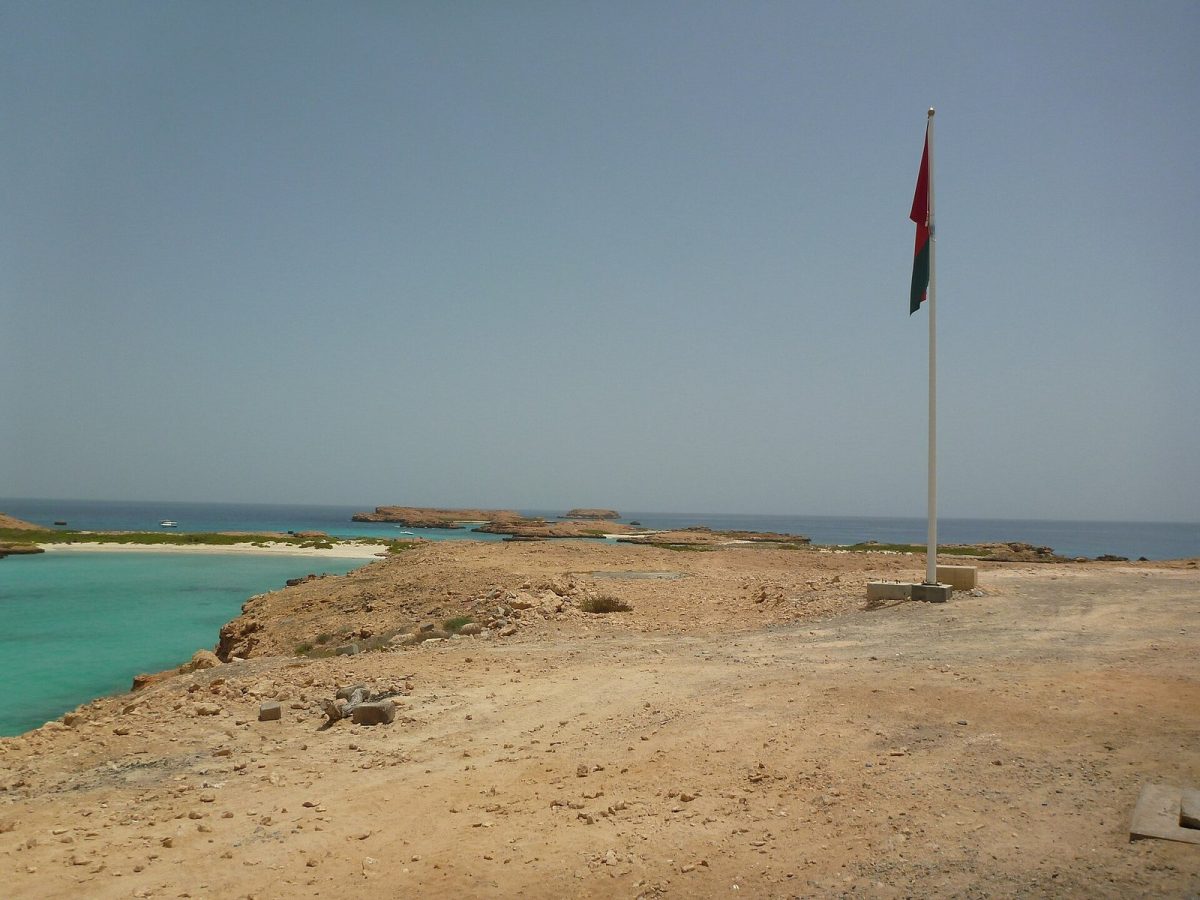
Photo: Wusel007, CC BY-SA 4.0
At a glance
| Getting there | Speedboat trips from Al Mouj marina in Muscat or from Seeb and Barka, about 45 min to 1 h |
|---|---|
| Gateway | Muscat (Al Mouj marina), Seeb or Barka |
| Travel time | 45 min to 1 h by speedboat |
| Days | A day trip is enough |
| Best months | Oct–Apr warm and calmer; May–Sep very hot; landings banned in nesting season |
| Getting around | Only by boat; no roads, buildings or facilities on the islands |
| Booking | Snorkelling trips a day or two ahead; winter weekends earlier |
| Cost | Mid-range for Oman |
| Beaches | Small white coral-sand beaches, open for landing only in the permitted season |
| Sea | Indian Ocean |
| Area | 1 km² |
| Population | Uninhabited |
| Airport | No |
| Checked | October 2026 |
Tours and day trips: what to book
Everything sold for the Daymaniyat Islands is a boat trip from the Muscat coast, and the choice is mostly about what you do in the water.
The standard snorkelling trip leaves from the marina at Al Mouj in Muscat or from beaches at Seeb and Barka in the morning, crosses in 45 minutes to an hour and stops at two or three reef sites, with about an hour in the water at each. Snorkel gear, life jackets, water and soft drinks are included, and so is the reserve permit; some trips add a picnic or a hot lunch and a beach stop when landings are allowed. Half-day trips return by early afternoon.
Divers can book two-dive trips with Muscat dive centres, and beginners can try an introductory dive with an instructor. Private boats for small groups, kayak-and-snorkel trips and a few licensed overnight camping trips are also available.
For most visitors, a shared morning snorkelling trip is the right choice: seas are usually calmest early, and the light on the reef is best. Check that the operator is licensed for the reserve and does not chase or touch turtles.
What to see and do in Daymaniyat Islands
Snorkelling with sea turtles
Green and hawksbill turtles feed on the reefs and seagrass around the islands all year and are seen on almost every trip. Guides drop snorkellers over shallow coral where turtles graze and surface to breathe. Keep at least a few metres away, never touch or follow them, and float quietly; they will often carry on feeding around you.
The coral reefs
The reserve protects hard and soft coral gardens with parrotfish, angelfish, moray eels, rays and blacktip reef sharks. The best snorkelling is in a few metres of water on the sheltered sides of the islands, while divers explore deeper boulder slopes. Visibility varies with plankton blooms; on a clear day it can reach well over ten metres.
Diving the reserve
Muscat dive centres run two-dive trips to sites around the islands, from easy reefs for beginners to deeper drop-offs with stronger currents. Look for turtles, schools of snapper and barracuda, and, in some seasons, whale sharks passing through. Certified divers should bring their card; introductory dives are offered in shallow water.
The island beaches and birds
In the permitted season some trips land on a small beach of white coral sand for a swim and a picnic, with the bare rocky hills of the island behind. The islands are important nesting grounds for seabirds and ospreys, and turtles lay eggs on the beaches, which is why landing is controlled. Take all rubbish back with you.
The crossing from Muscat
The boat ride out from the coast between Seeb and Barka is part of the trip, with the Hajar mountains behind and dolphins often riding the bow wave. Seas are usually flat in the morning but can be choppy in the afternoon wind. Take seasickness tablets if needed, and wear a hat and high-factor sunscreen.
Daymaniyat Islands tours: which one for you
Our pick for each kind of trip, with live dates and prices. Free cancellation on most.
Best for: First visit, snorkelling from Muscat
A half-day speedboat trip from Muscat to two or three reef sites in the reserve, with snorkel gear and a guide, the classic way to see the turtles.
- A first try at scuba: Daymaniyat islands scuba diving experience with photos An introductory dive with an instructor on a shallow reef in the reserve, no certificate needed, and underwater photographs to take home.
- A night on the islands: Daymaniyat overnight camping with snorkeling and beach bbq Snorkelling by day, then a beach camp with a barbecue under the stars, run under a permit in the season when overnight stays are allowed.
How to get to Daymaniyat Islands
There is no public ferry. All visits are by licensed tour or dive boat, mostly from the marina at Al Mouj, close to Muscat airport, or from beaches and small harbours at Seeb, Sawadi and Barka, which are closest to the islands. The crossing takes about 45 minutes to an hour by speedboat.
Muscat International Airport has flights from the Gulf, Europe and Asia and is about 15 minutes by road from Al Mouj. Most operators offer pickup from Muscat hotels for a fee; otherwise taxis and ride-hailing apps cover the drive. If you have a hire car, park at the marina. Bring swimwear, a towel, sun protection and cash for extras, as there is nothing to buy on the islands.
Getting around
There is nothing to get around: the islands have no roads, buildings, shops, water or shade, and you stay with your boat. Snorkelling and diving sites are reached by the boat, and guides choose sheltered spots according to the wind. Landing is allowed only on designated beaches and only outside the nesting season; in the closed months you stay on the water. Wear reef shoes for the coral sand and rocks.
When to go
The best time to visit is October to April, when daytime temperatures are around 25 to 30 degrees, the sea is warm and generally calm, and the light is clear. This is also the main tourist season in Muscat, so book a day or two ahead, especially for Friday and Saturday trips.
From May to September, temperatures on the coast often pass 40 degrees, though the sea remains good for snorkelling, around 28 to 30 degrees, and trips continue in the cooler morning. During the turtle and bird nesting season, roughly May to October, landing on the islands is banned, but snorkelling and diving around them carry on. Strong winds can cancel trips at any time of year. One day is enough; keen divers may book two or three.
Where to stay
No one can stay on the islands except on licensed camping trips, so you base yourself on the mainland. Al Mouj and the Seeb coast are closest to the boats and the airport, with modern hotels and apartments. Qurum and Shatti al Qurum in central Muscat have beach hotels and restaurants. Muttrah, by the old harbour and souk, has the most character. Barka and Sawadi, west of the city, have quiet beach resorts near the shortest crossings.
History and character
The islands appear in an ancient Greek sailing guide to the Indian Ocean, which suggests that traders between Arabia and India knew them as a landmark. Never permanently settled, they were used by fishermen from the Batinah coast, who still work the surrounding waters. In 1996 a royal decree made them a nature reserve to protect their coral, nesting turtles and seabirds, and access has since been managed by permits. Oman has placed them on its list of sites proposed for future World Heritage status, and fishing inside the reserve is restricted.
Combine it with
Spend a few days in Muscat for the Grand Mosque, Muttrah souk and the old town. The coast south-east of the city has the bays of Bandar Khayran, reached by boat, and Wadi Shab, about two hours away by road. Inland, Nizwa and the Hajar mountains make a two-day trip, and Musandam is a short flight north.
Frequently asked questions
How do I get to Daymaniyat Islands?
Speedboat trips from Al Mouj marina in Muscat or from Seeb and Barka, about 45 min to 1 h.
How long does it take to get to Daymaniyat Islands from Muscat (Al Mouj marina), Seeb or Barka?
From Muscat (Al Mouj marina), Seeb or Barka: 45 min to 1 h by speedboat.
How many days do you need in Daymaniyat Islands?
A day trip is enough.
When is the best time to visit Daymaniyat Islands?
Oct–Apr warm and calmer; May–Sep very hot; landings banned in nesting season.
Do I need a car in Daymaniyat Islands?
Only by boat; no roads, buildings or facilities on the islands.
Is Daymaniyat Islands worth a day trip?
Go if you want a day of easy snorkelling or diving with turtles and reef fish close to Muscat. Skip it or head for Musandam or Masirah if you want a stay with beaches, towns and places to sleep.
Is Daymaniyat Islands expensive?
Mid-range for Oman.
What are the beaches like in Daymaniyat Islands?
Small white coral-sand beaches, open for landing only in the permitted season.
What should I book ahead for Daymaniyat Islands?
Snorkelling trips a day or two ahead; winter weekends earlier.
Can I book tours and day trips to Daymaniyat Islands online?
Yes. Boat trips, guided tours and day trips for Daymaniyat Islands can be booked online; live prices and free cancellation on most are shown on this page.