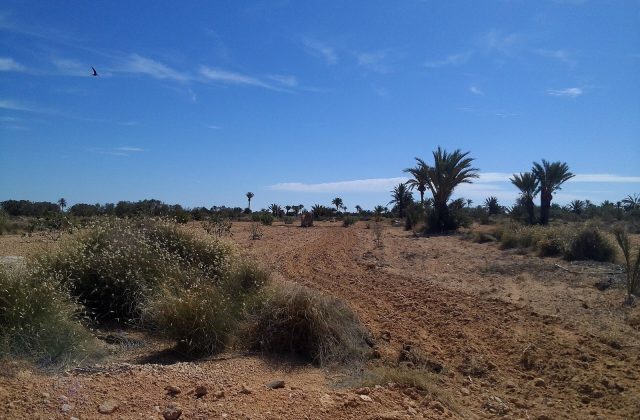
Kerkennah Islands
Tunisia
The Kerkennah Islands are a flat, palm-covered archipelago in the Gulf of Gabès, about an hour by ferry from Sfax on…
3 tours & trips
Tunisia · Mediterranean Sea · Beach island
Djerba is the largest island in North Africa, 514 square kilometres of flat, sunny land in the Gulf of Gabès off southern Tunisia, joined to the mainland by an ancient causeway. Long sandy beaches, whitewashed mosques, a Jewish community of great age and low prices make it one of the most relaxed beach holidays in the Mediterranean.
| Getting there | Flights to Djerba-Zarzis from Tunis (1 h) and Europe; causeway from Zarzis or short ferry from Jorf |
|---|---|
| Gateway | Djerba-Zarzis airport; Jorf ferry or El Kantara causeway |
| Travel time | 1 h by air from Tunis; 15-min ferry from Jorf |
| Days | A week or more |
| Best months | Apr–June and Sep–Oct; Jul–Aug very hot; winter mild but too cool to swim |
| Getting around | Cheap yellow taxis, rental cars, bikes and quads; flat roads; few buses |
| Booking | Hotels for Jul–Aug and the Ghriba pilgrimage; desert trips a day or two ahead |
| Cost | Cheap by Mediterranean standards |
| Beaches | Long fine sand on the east coast: Sidi Mahrez, Aghir and La Seguia; shallow, calm water |
| Sea | Mediterranean Sea |
| Area | 514 km² |
| Population | 163,726 (2014) |
| Airport | Yes, scheduled flights |
| Car-free | No |
| Bridge | Road bridge or causeway to the mainland |
| UNESCO | Djerba: Testimony to a settlement pattern in an island territory |
| Checked | October 2026 |
Djerba's tours fall into three groups, the island itself, the sea and the desert of southern Tunisia on the mainland, and nearly all include pickup from the hotels of the tourist zone.
Island tours by minibus or with a guide spend half or a full day on the souks and fort of Houmt Souk, the El Ghriba synagogue, the street-art village of Erriadh and the potters of Guellala, often with a stop at a carpet or olive oil shop that you can politely skip. Lunch is sometimes included.
The pirate-ship trip is a Djerba institution: a mock galleon sails from Houmt Souk to Flamingo Island, a sandy spit in the south-east with shallow water, a grilled-fish lunch and, in the cooler months, flamingos. It suits families. Catamaran cruises, dolphin-spotting trips and introductory dives are smaller alternatives.
The desert trips are the most memorable. Day tours cross the causeway to the Berber hill village of Chenini, the fortified granaries of Ksar Hadada and the Star Wars locations around Tataouine, while two-day trips add the dunes and hot spring of Ksar Ghilane and a night in a camp. Days are long, with five or more hours in a vehicle. For a first visit, book one island tour and one desert day, and arrange camel rides and quads locally.
The main town is a maze of whitewashed lanes and covered souks selling pottery, blankets, jewellery and spices. Look into the old funduqs, the inns where merchants once slept above their goods, watch the morning fish auction near the harbour, and walk out to Borj el Kebir, the fort on the shore where a Spanish garrison was overwhelmed in 1560.
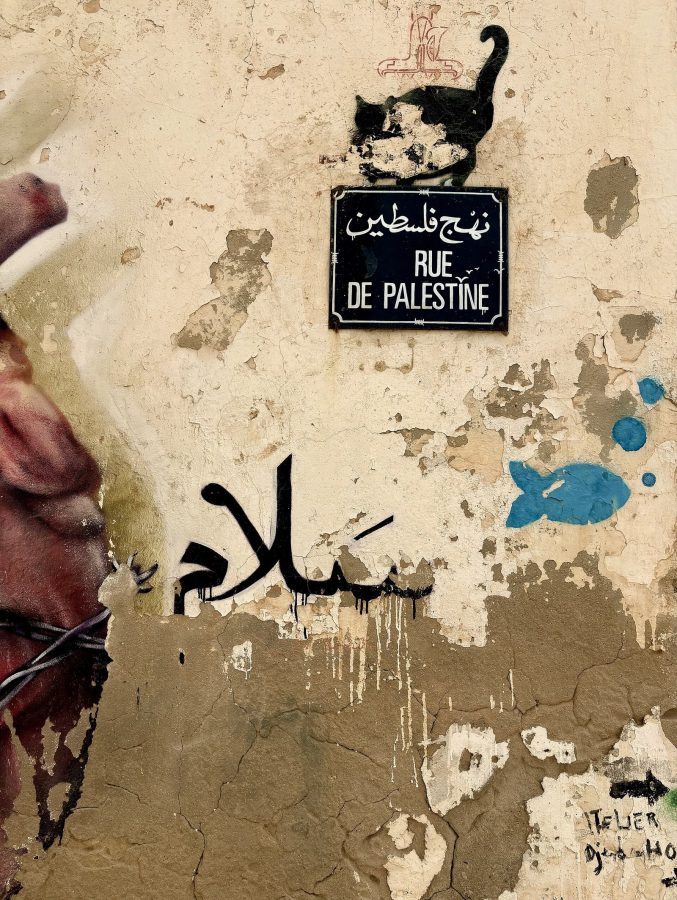
In the village of Erriadh, El Ghriba is one of the oldest synagogues in Africa, a modern building on a site of great age, with a blue-tiled interior open to modestly dressed visitors after security checks. Around it, the lanes of Erriadh are covered with murals by more than a hundred international artists, painted for the Djerbahood project in 2014.
On the south coast, Guellala has been a potters' village since antiquity, using clay dug from the low hills behind it. Workshops let you watch jars being thrown and fired in brick kilns, and the heritage museum on the hill explains traditional island life with costumes and models. Sunset from the hilltop over the strait is worth waiting for.
Ras Rmel, known as Flamingo Island, is a long sandy spit off the south-east coast reached only by boat. The water around it is shallow and warm, good for children, and the pirate-ship excursions from Houmt Souk include lunch and time on the sand. Flamingos gather in the lagoons mainly in winter and spring; in summer you may see few.
The fishing port of Ajim, where the ferry from the mainland lands, stood in for Mos Eisley in the first Star Wars film, and fans still seek out the cantina doorway. The harbour is lined with the boats of sponge fishermen, and the west coast nearby has palm groves and the small domed house filmed as the home of Obi-Wan Kenobi.
Our pick for each kind of trip, with live dates and prices. Free cancellation on most.
Best for: First visit: around the island
A guided tour linking the potters of Guellala, the murals of Erriadh and the souks of Houmt Souk, the best overview of island life in one go.
Djerba-Zarzis International Airport, in the north-west of the island near Mellita, has flights of about an hour from Tunis all year and direct flights from France, Germany and other European countries, many of them charters from spring to autumn; the hotel zone is 20 to 30 minutes away by taxi.
By road, two links cross the shallow sea. In the south-east, a causeway of about 7 km, Roman in origin, joins El Kantara to the mainland near Zarzis. In the west, car ferries shuttle between Jorf and Ajim from early morning until late at night, taking about 15 minutes, with long queues in summer. Louages, the shared minibuses, and buses come from Tunis, Gabès and Tataouine.
The island is flat and compact, about 30 km across, so getting around is easy. Yellow taxis are plentiful and cheap; agree the fare or ask for the meter. Renting a car makes it simple to reach Guellala, Ajim and the beaches of the south, and bicycles, scooters and quads are popular in the tourist zone. Local buses run from Houmt Souk to the villages but are slow and irregular. Carry cash, as cards are not widely accepted.
The best months are April to June and September to October, with sunny days in the mid to high 20s, a warm sea from June and fewer crowds. July and August are very hot, often above 35 degrees, and hotels fill with Tunisian and European families. The sea is warmest from August to October, around 27 degrees.
Winter is mild, about 16 to 18 degrees by day, and good for desert trips, walking and cultural visits, though too cool for most people to swim, and some hotels close. The Ghriba pilgrimage, usually in May, brings Jewish pilgrims from around the world, with heavy security. Ramadan moves each year; restaurants in tourist areas stay open. A week allows beach days, an island tour and a trip to the desert.
Almost all hotels are in the tourist zone along the north-east coast, between Sidi Mahrez and Aghir, with long beaches and all-inclusive resorts that suit families. Houmt Souk has small guesthouses in old funduqs and traditional houses, good for those who want to walk to cafés and souks. Midoun, the second town, is close to the beaches and has a weekly market. Restored menzels, traditional farmhouses in the countryside, offer quiet stays with pools.
Djerba is said to be the island of the lotus-eaters in the Odyssey. Phoenicians, Romans, whose town of Meninx lies in ruins on the south coast, and Berber tribes all left their mark, and the island became a stronghold of the Ibadi branch of Islam, whose plain whitewashed mosques dot the countryside, some half-sunk into the ground for defence. The Jewish community, with roots said to go back to antiquity, still lives near Houmt Souk. In 1560 an Ottoman fleet defeated a Spanish force here. UNESCO listed the island in 2023 for its settlement pattern.
Southern Tunisia is the natural pairing: Tataouine, the hill villages of Chenini and Douiret and the ksour are two to three hours away by road, Matmata with its underground houses about the same, and the Sahara dunes at Ksar Ghilane a long day. Tunis and Carthage are an hour away by air, and the coast at Zarzis is just across the causeway.
Flights to Djerba-Zarzis from Tunis (1 h) and Europe; causeway from Zarzis or short ferry from Jorf.
From Djerba-Zarzis airport; Jorf ferry or El Kantara causeway: 1 h by air from Tunis; 15-min ferry from Jorf.
A week or more.
Apr–June and Sep–Oct; Jul–Aug very hot; winter mild but too cool to swim.
Cheap yellow taxis, rental cars, bikes and quads; flat roads; few buses.
Go if you want a cheap beach holiday with warm sea, souks and an easy Sahara trip. Skip it or choose Crete or Sicily if you want mountains, dramatic scenery or lively nightlife beyond the hotels.
Cheap by Mediterranean standards.
Long fine sand on the east coast: Sidi Mahrez, Aghir and La Seguia; shallow, calm water.
Hotels for Jul–Aug and the Ghriba pilgrimage; desert trips a day or two ahead.
Yes. Boat trips, guided tours and day trips for Djerba can be booked online; live prices and free cancellation on most are shown on this page.
Tunisia
The Kerkennah Islands are a flat, palm-covered archipelago in the Gulf of Gabès, about an hour by ferry from Sfax on…
3 tours & trips