Vanuatu
180 km away
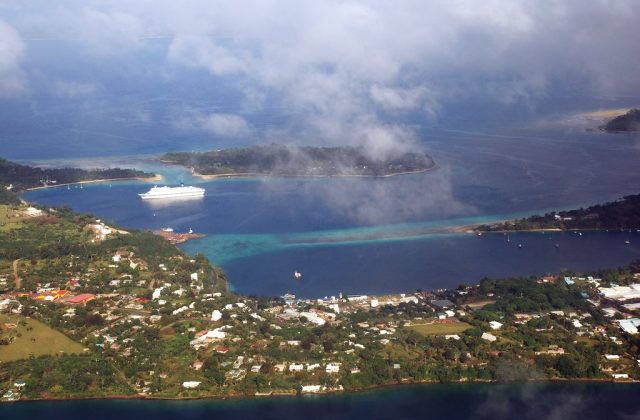
Vanuatu is a nation of 83 volcanic islands in the South Pacific, about 1,750 km east of northern Australia, where most…
31 tours & trips
Vanuatu · Pacific Ocean · Nature & wildlife island
Espiritu Santo, usually just called Santo, is the largest island of Vanuatu, almost 4,000 square kilometres of rainforest, mountains and coral coast, rising to the country's highest peak at 1,879 metres. It is famous for world-class wreck diving, freshwater blue holes and the white sand of Champagne Beach.
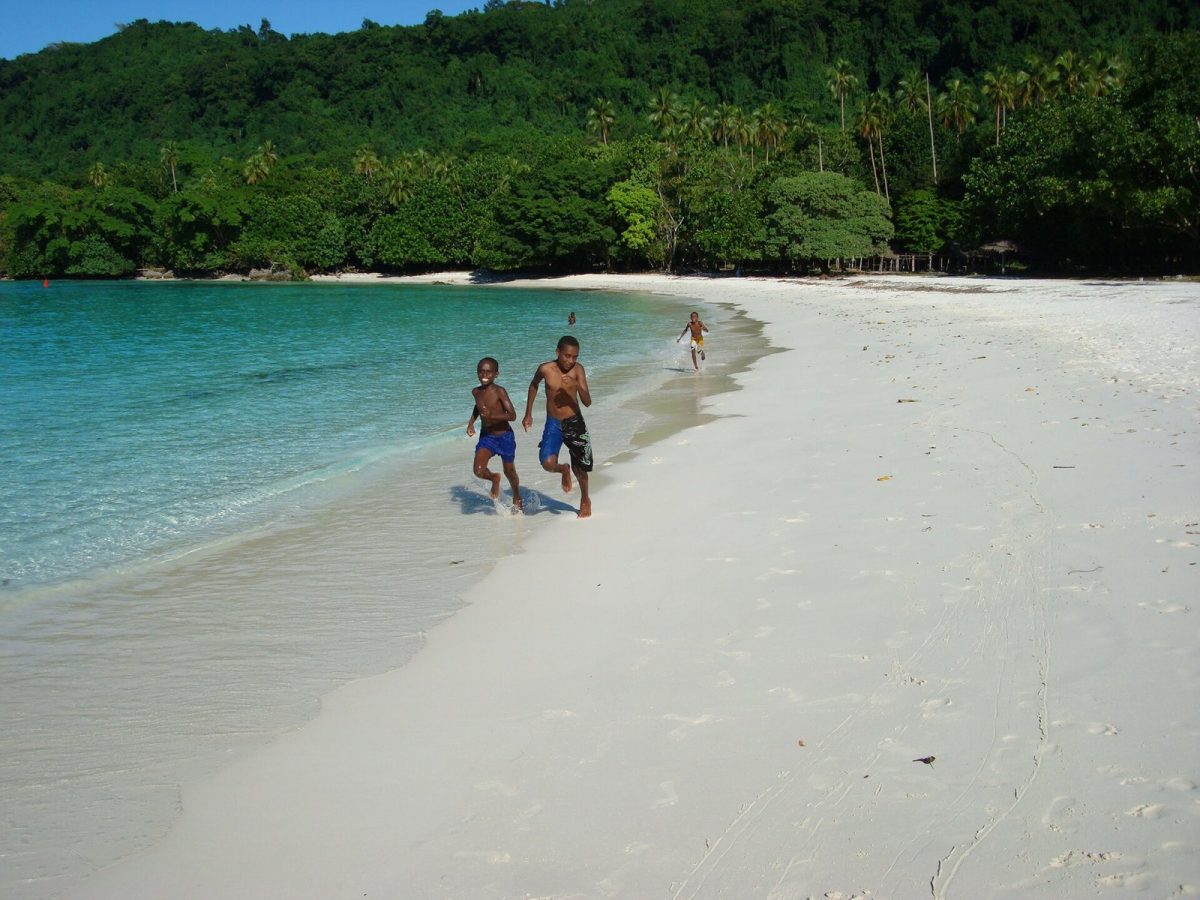
Photo: Bkj1000 (talk)Jae Lee, CC BY-SA 3.0
| Getting there | Flights of about 1 h from Port Vila to Luganville; some seasonal flights from Australia |
|---|---|
| Gateway | Port Vila (flight to Luganville) |
| Travel time | About 1 h by air |
| Days | 3 to 5 nights |
| Best months | May–Oct dry and cooler; Nov–Apr hot, wet, cyclone risk |
| Getting around | Hire a car or use taxis and minibuses on the east coast road |
| Booking | Flights and dive packages a few weeks ahead; tours a day or two ahead |
| Cost | Mid-range for Vanuatu |
| Beaches | White sand on the east: Champagne Beach, Lonnoc and Port Olry; calm, clear water |
| Sea | Pacific Ocean |
| Area | 3,956 km² |
| Population | 37,328 (2020) |
| Highest point | 1,879 m (Mount Tabwemasana) |
| Airport | Yes, scheduled flights |
| Car-free | No |
| Checked | October 2026 |
Nothing is sold online for Espiritu Santo on its own in this catalogue. Visitors usually arrange activities locally through their accommodation, the tourist office in Luganville or the dive centres.
Diving is the main draw, and the dive shops in Luganville run trips to the wreck of the President Coolidge and Million Dollar Point, from single dives for the experienced to multi-day packages and courses; equipment, guide and transport from your hotel are usually included. Snorkellers can join some trips.
On land, the most sold tour is the day trek to Millennium Cave, a long walk through villages and forest, a cave crossing with torches and a float down a river canyon; transport, a guide and lunch are included, and good fitness is needed. Half-day tours visit the blue holes and Champagne Beach by minibus, often with lunch at a local restaurant. Kayaking, village visits and fishing charters are also offered.
Cruise ships call at Luganville and Champagne Beach, and their passengers take shore excursions to the same sights.
The plain recommendation is to rent a car or hire a driver for the east coast, book diving directly with a dive shop, and join a guided Millennium Cave trek if you are fit.
Just off the shore near Luganville lies a large American troopship that sank in 1942 after hitting mines while entering the harbour. It is one of the most famous wreck dives in the world, reached from the beach. Divers see guns, trucks, a statue nicknamed the Lady in the dining room and corridors, over several dives.
On the north-east coast, about an hour's drive from Luganville, Champagne Beach is a curving bay of fine white sand and very clear, calm water, often rated among the best beaches in the Pacific. It gets its name from bubbles rising through the sand at low tide. A small entry fee is charged by the landowners. It is busiest on cruise days.
Several freshwater springs along the east coast fill pools of startling blue in the forest. Matevulu, Riri and Nanda are the best known, with rope swings, jetties and canoes for exploring the streams. The water is clear and cool, good for a swim after the beach. Each charges a small entry fee and is a short drive off the main road.
A few kilometres east of Luganville, the US military dumped vast amounts of equipment into the sea at the end of the Second World War, including bulldozers, trucks and jeeps. The heap lies in shallow water off a rocky beach, and snorkellers and divers explore it easily from the shore. Coral and fish have colonised the machinery.
Inland from Luganville, a demanding full-day trek leads through village gardens and rainforest to a huge cave where a river flows through the dark, with bats and swiftlets overhead. You wade through the cave with torches, then float down a narrow gorge with a buoyancy aid. It is the island's great adventure and needs a local guide.
At the end of the east coast road, Port Olry is a village with a long white beach, small islands offshore and simple seafood restaurants, and Lonnoc nearby has beach bungalows facing calm water. It is a good place to slow down, swim and eat freshly caught fish and coconut crab, where legally sold.
Pekoa airport, a few kilometres from Luganville, has several flights a day from Port Vila on Efate, taking about an hour, and flights to smaller islands in the north. International flights from Brisbane have operated at some periods, mostly seasonally, so check the current schedule. Schedules can change at short notice in Vanuatu, so allow buffer time before an international connection.
Inter-island passenger and cargo ships sail between Port Vila and Luganville, usually taking around a day with stops; they are cheap but irregular and basic. Cruise ships call regularly at Luganville and sometimes anchor off Champagne Beach. Taxis and hotel transfers meet flights at the airport.
Luganville is compact and walkable, with taxis and minibuses that you flag down, marked by a letter B on the number plate. A sealed road runs up the east coast to Port Olry, passing the blue holes and Champagne Beach, and is easy to drive. Car hire is available in Luganville; drive on the right. Away from the east coast, roads are rough and often need a 4WD. Hiring a driver for the day is a good option.
The best time is May to October, the dry season, with sunny days in the mid twenties, cooler nights and lower humidity. This is also the best time for diving and trekking, with clear water and dry paths. July and August are the busiest months, with Australian and New Zealand school holidays.
From November to April the weather is hot and humid, with heavy rain and the risk of cyclones, which can disrupt flights and damage roads. Prices are lower and diving continues, but the Millennium Cave trek may close after heavy rain. Sea temperatures stay between about 25 and 29 degrees all year.
Cruise ship days bring crowds to Champagne Beach and the blue holes, so check the schedule. Three to five nights gives time for a few dives, the east coast and a day trek; divers often stay a week or more.
Luganville, the only town, has hotels, guesthouses and dive lodges along the waterfront, and is the best base for divers and those who want restaurants and services. Along the east coast, resorts and bungalows near the blue holes and Champagne Beach offer quiet, beach and garden settings, suitable for couples and families. Port Olry and Lonnoc have simple beach bungalows. The rest of the island has only village guesthouses, best arranged through the tourist office.
Melanesian peoples have lived on Santo for about three thousand years. In 1606 the explorer Pedro Fernandes de Queiros landed at Big Bay, believing he had found the great southern continent and naming it after the Holy Spirit. During the Second World War the island became a huge American base, with airfields and tens of thousands of troops; the writer James Michener drew on his time here for Tales of the South Pacific. Just before independence in 1980, a short-lived secessionist rebellion broke out on Santo. War relics remain around Luganville today.
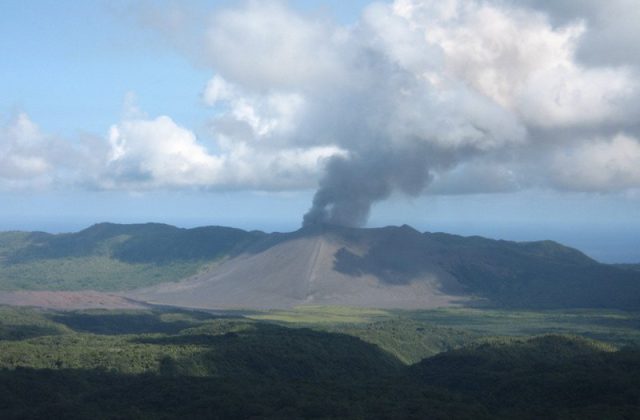
Efate and Port Vila, an hour's flight away, are the obvious pairing, with more restaurants and resorts. Malo and Aore, small islands just south of Santo, are reached by short boat rides. Tanna, with its active volcano, Mount Yasur, can be added by flying back through Port Vila. Ambae, with its crater lakes, is reached by small plane from Santo.
180 km away
Vanuatu is a nation of 83 volcanic islands in the South Pacific, about 1,750 km east of northern Australia, where most…
31 tours & trips
298 km away
Efate is the main island of Vanuatu, home to the capital Port Vila and its international airport, about two and a half…
12 tours & trips
Flights of about 1 h from Port Vila to Luganville; some seasonal flights from Australia.
From Port Vila (flight to Luganville): about 1 h by air.
3 to 5 nights.
May–Oct dry and cooler; Nov–Apr hot, wet, cyclone risk.
Hire a car or use taxis and minibuses on the east coast road.
Go if you want great wreck diving, swimming in clear blue holes and a relaxed Melanesian island with few tourists. Skip it or choose Efate if you want more resorts, restaurants and easy international flights, or a short break.
Mid-range for Vanuatu.
White sand on the east: Champagne Beach, Lonnoc and Port Olry; calm, clear water.
Flights and dive packages a few weeks ahead; tours a day or two ahead.
Vanuatu
Vanuatu is a nation of 83 volcanic islands in the South Pacific, about 1,750 km east of northern Australia, where most…
31 tours & trips
Vanuatu
Efate is the main island of Vanuatu, home to the capital Port Vila and its international airport, about two and a half…
12 tours & trips
Vanuatu
Tanna is a volcanic island in southern Vanuatu, 40 km long, best known for Mount Yasur, one of the most accessible…
8 tours & trips