Gili Trawangan
Gili Islands, Indonesia
Gili Trawangan is the largest of the three Gili Islands off north-west Lombok in Indonesia, a flat, car-free island…
140 tours & trips
Indonesia · Indonesian seas · Car-free island
Gili Air is the closest of the three Gili Islands to Lombok, a flat, car-free coral island of about 1.7 square kilometres in Indonesia. Ringed by white sand and reefs full of turtles, it offers easy snorkelling and diving, beach cafes and a quieter, more local feel than its party neighbour, Gili Trawangan.
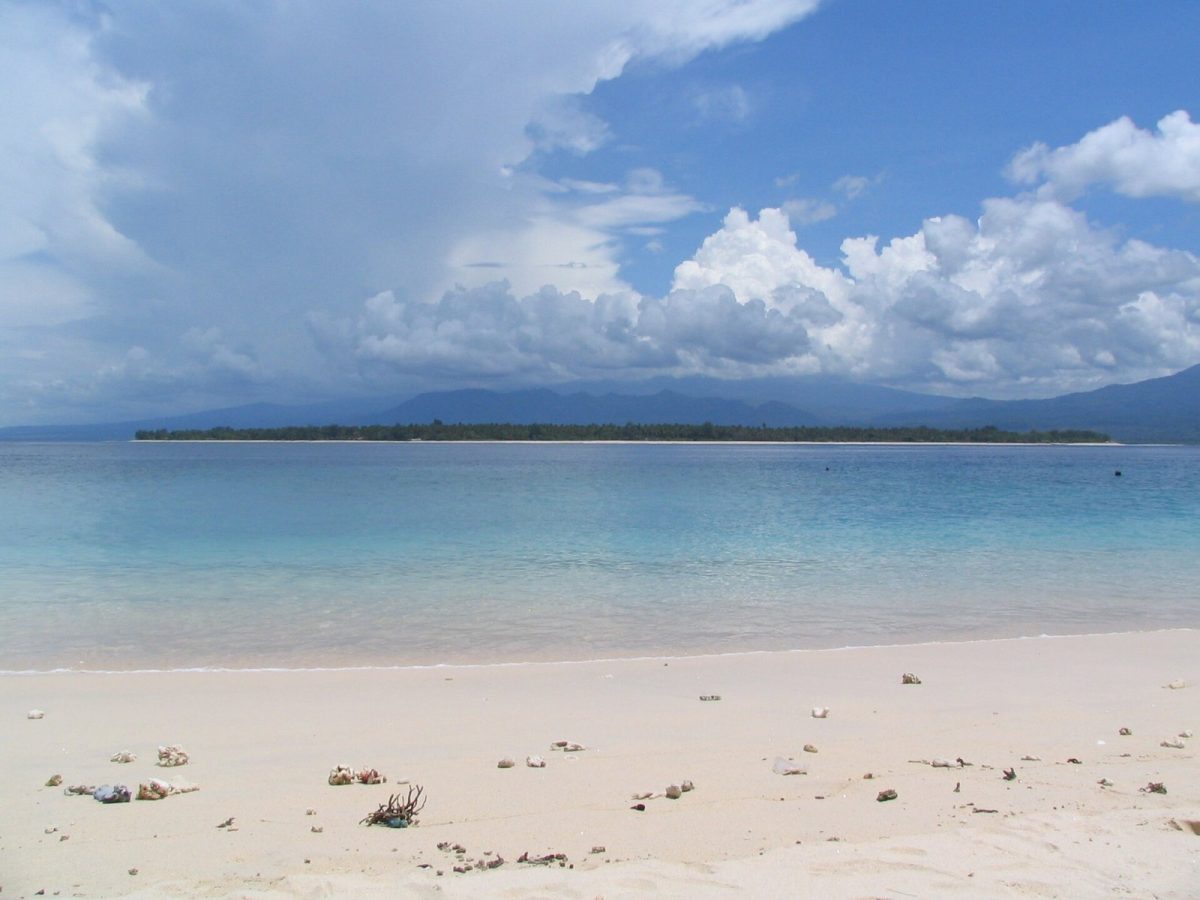
Photo: MisterGrigri, CC BY-SA 3.0
| Getting there | Fast boats from Bali (Padang Bai or Sanur) in 1.5 to 2.5 h; public boat from Bangsal on Lombok in about 20 min |
|---|---|
| Gateway | Bali (Padang Bai) or Lombok (Bangsal) |
| Travel time | 1.5 to 2.5 h by fast boat from Bali; 20 min from Lombok |
| Days | 3 to 5 nights |
| Best months | Apr–Oct dry season; Nov–Mar wet with rougher seas; Jul–Aug busiest |
| Getting around | Car-free: walk, cycle or take a horse cart; no motor vehicles |
| Booking | Fast boats from Bali a few days ahead; dive courses and rooms in Jul–Aug |
| Cost | Mid-range; cheaper than Bali's resorts |
| Beaches | White coral sand all round; best swimming on the east and north; low tide shallow and rocky |
| Sea | Indonesian seas |
| Archipelago | Gili Islands |
| Area | 1.7 km² |
| Population | 1,500 |
| Highest point | 10 m |
| Airport | No |
| Car-free | Yes |
| Checked | October 2026 |
On Gili Air, most of what you buy is either transport or time on the reef.
The standard activity is a snorkelling boat trip. Shared trips of three to five hours, usually on glass-bottom boats, visit three or four spots around Gili Air, Gili Meno and Gili Trawangan, including the turtle areas and the underwater statues off Meno; masks and fins are included, while lunch is usually paid for on Meno or Trawangan. Private boats with a guide, and sometimes an underwater photographer, cost more but let you choose the timing and avoid crowds.
Dive centres offer try dives, open water courses and freediving courses, with sites a short boat ride away. Cooking classes and jewellery-making workshops are good rainy-day options. From Lombok, day tours visit the three Gilis or combine a pearl farm with Gili Air.
Fast boat tickets from Bali and Nusa Penida are also sold online, often with a hotel transfer included. Weigh the operator's reliability over the lowest price, as crossings can be rough.
The plain recommendation: book the fast boat in advance, then choose a shared snorkelling trip or a dive locally once you arrive.
Green and hawksbill turtles feed on the reefs around the island, and you can often see them just off the beach on the north-east coast. Rent a mask and fins from a shop on the beach and swim out at high tide, but beware of the currents between islands. A boat trip reaches the richer reefs further out.
Gili Air is a popular place to learn to dive, with many schools and calm, clear water for beginners. Nearby sites include sloping reefs, a wreck and pinnacles with reef sharks, rays and big schools of fish. Freediving courses use the deep, calm water off the island. Book a course on arrival and plan your flight carefully after diving.
In the late afternoon, walk or cycle to the west side, where bars set up beanbags and swings on the sand. On clear days the sun sets behind Mount Agung on Bali. The coast here is rockier, so swimming is better in the morning on the east. Bring a torch for the walk back on unlit paths.
The harbour and most cafes, dive shops and guesthouses are on the south-east side, facing Lombok and the volcano Rinjani. Behind the beach lies the village, where local families live among coconut palms and a mosque. Dress modestly away from the beach, and look for small warungs serving Indonesian food at local prices.
A sandy path follows the whole coast, and the loop takes about an hour and a half on foot, less by bike. Along the way you pass quiet beaches on the north, yoga studios, small farms and empty stretches of sand. Go in the early morning or late afternoon, as the heat is intense at midday.
Our pick for each kind of trip, with live dates and prices. Free cancellation on most.
Best for: First visit, snorkelling all three Gilis
A glass-bottom boat stops at reefs off all three islands, including the turtle spots and the underwater statues off Gili Meno, with masks and fins provided.
From Bali, fast boats leave Padang Bai in the east and Serangan or Sanur in the south, reaching Gili Air in about one and a half to two and a half hours, often stopping first at Gili Trawangan. Several operators run daily departures, and many include hotel pickup in Bali. The sea can be rough, especially in the wet season, so choose a reputable company.
From Lombok, public boats leave Bangsal harbour for the 20-minute crossing when full, with a few scheduled trips during the day; private speedboats are also available. Lombok International Airport is about two hours by road from Bangsal. A slow public ferry runs from Padang Bai to Lembar in Lombok, but it is long and you must still cross the island. Island-hopping boats link the three Gilis daily.
There are no cars or motorbikes on Gili Air. Most people walk; the island is so small that you can cross it in 20 minutes. Bicycles are available for rent everywhere, but the sandy paths inland can be hard going. Horse carts, called cidomo, carry luggage from the harbour to your hotel and can be hired for short rides. Public boats connect with Gili Meno and Gili Trawangan.
The dry season, from April to October, is the best time, with sunny days, calm seas and good visibility for snorkelling and diving. The air temperature stays around 30 degrees all year and the sea around 28 degrees. July and August are the busiest months, with higher prices and fuller boats.
The wet season, from November to March, brings heavy afternoon showers, humidity and sometimes rough crossings, but also lower prices and fewer visitors; a few places close. The island is Muslim, and during Ramadan some restaurants close during the day and the atmosphere is quieter, although tourist cafes stay open. Visibility underwater is usually best from June to September. Three to five nights give you time to snorkel, dive and relax.
The east coast, near the harbour, is the most convenient base, with dive centres, restaurants and the best swimming beaches. The north is quieter, with bungalows and resorts and good snorkelling. The west is the place for sunsets and small boutique hotels, while the inland area has cheaper guesthouses among the palms, a short walk from the beach and good value for longer stays.
The Gili Islands were long uninhabited, used by Lombok fishermen and as stopping points, until Bugis seafarers from Sulawesi and Sasak people from Lombok settled them in the 20th century, planting coconuts and fishing. Gili Air has the largest local population of the three islands. Backpackers began arriving in the 1980s, and simple bungalows grew into a tourist economy. In 2018 an earthquake struck Lombok and the Gilis, damaging buildings, but the island has since rebuilt and remains a quiet, family-friendly community.
Gili Meno and Gili Trawangan are a short boat ride away and make good day trips, or you can split your stay among all three. Lombok, 20 minutes across the water, offers waterfalls, the beaches of Kuta and treks on Mount Rinjani. Bali is two hours away by fast boat, and Nusa Penida is also reached directly.
Fast boats from Bali (Padang Bai or Sanur) in 1.5 to 2.5 h; public boat from Bangsal on Lombok in about 20 min.
From Bali (Padang Bai) or Lombok (Bangsal): 1.5 to 2.5 h by fast boat from Bali; 20 min from Lombok.
3 to 5 nights.
Apr–Oct dry season; Nov–Mar wet with rougher seas; Jul–Aug busiest.
No. Gili Air is car-free. Car-free: walk, cycle or take a horse cart; no motor vehicles.
Go if you want a relaxed car-free island with turtle snorkelling, dive schools and sunset bars without heavy partying. Skip it or choose Gili Trawangan if you want nightlife, or Gili Meno if you want even more silence.
Mid-range; cheaper than Bali's resorts.
White coral sand all round; best swimming on the east and north; low tide shallow and rocky.
Fast boats from Bali a few days ahead; dive courses and rooms in Jul–Aug.
Yes. Boat trips, guided tours and day trips for Gili Air can be booked online; live prices and free cancellation on most are shown on this page.
Gili Islands, Indonesia
Gili Trawangan is the largest of the three Gili Islands off north-west Lombok in Indonesia, a flat, car-free island…
140 tours & trips
Gili Islands, Indonesia
Gili Meno is the smallest and quietest of the three Gili Islands off the northwest coast of Lombok, a flat car-free…
20 tours & trips