Senegal · Atlantic Ocean · Historic island
Gorée
Gorée is a tiny car-free island 2 km off Dakar, an 18-hectare grid of sandy lanes and pastel colonial houses that became a symbol of the Atlantic slave trade. Listed by UNESCO among the first World Heritage Sites in 1978, it is a 20-minute ferry ride from the city and a calm, moving half day away from the traffic.
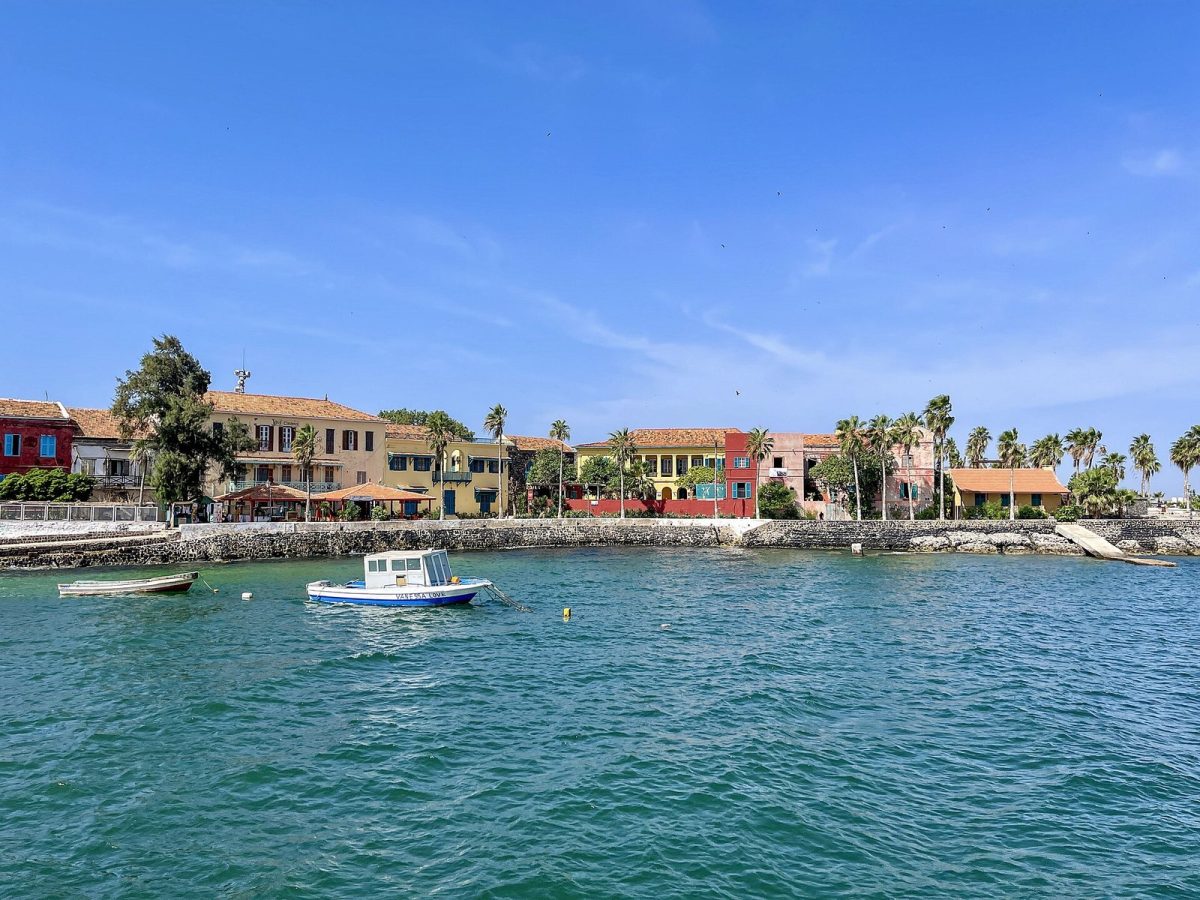
Photo: Fawaz.tairou, CC BY-SA 4.0
At a glance
| Getting there | Ferry from the Dakar port terminal in about 20 min, running through the day; no cars on the island |
|---|---|
| Gateway | Dakar |
| Travel time | 20 min by ferry |
| Days | A day trip is enough |
| Best months | Nov–May dry season, coolest Dec–Mar; Jul–Oct hot, humid and rainy |
| Getting around | Car-free: the whole island is a short walk; streets of sand and cobbles |
| Booking | Nothing far ahead; avoid Sunday crowds; guides arranged at the jetty or with a tour |
| Cost | Mid-range for Senegal; foreigners pay higher ferry fares |
| Beaches | One small sandy beach by the jetty, crowded at weekends; better beaches on the Dakar coast |
| Sea | Atlantic Ocean |
| Area | 0.2 km² |
| Population | 1,680 (2013) |
| Ferry | 20 min from Dakar |
| Airport | No |
| Car-free | Yes |
| UNESCO | Island of Gorée |
| Checked | October 2026 |
Tours and day trips: what to book
Gorée itself is easy to visit alone: take the ferry, pay the small island tax and walk. What is sold online are guided visits from Dakar and longer days that combine the island with other sights.
The basic tour picks you up in Dakar, takes you to the ferry with tickets and guides you round the House of Slaves, the Castel plateau and the historical museum in about half a day. The more detailed versions spend longer on the island with a local historian or an artist, and visit studios and less known streets. Entry fees for museums are sometimes included and sometimes paid on the spot.
Full-day tours add a Dakar city tour with the African Renaissance Monument and the Museum of Black Civilisations, or a drive to Lake Retba, the pink lake. Two-day packages combine all of these. Some trips start from the resorts at Saly, a long drive south.
If you are independent and confident, go alone and hire one of the official guides at the jetty, agreeing the price first. If it is your first time in Dakar, a guided half day with ferry tickets and transport saves time and hassle.
What to see and do on Gorée
The House of Slaves
The Maison des Esclaves, built in the late 18th century, is the island's emotional centre: cramped cells on the ground floor, merchant quarters upstairs and the narrow Door of No Return facing the ocean. Historians debate how many captives passed through this house, but it stands as a memorial to millions. Allow an hour and expect queues.
The lanes and colonial houses
The island's sandy streets are lined with ochre and red houses with wooden balconies and bougainvillea, built for merchants and the mixed-race signares who ran much of the trade. Walk slowly from the jetty past the church, the mosque and the old police station; the whole village fits into an hour's stroll.
The Castel plateau
The rocky southern height of the island is crowned by a fort and two huge guns from the Second World War, now surrounded by artists' shacks and paintings made of sand. The climb takes ten minutes from the village, and the view takes in the island's rooftops and the Dakar skyline across the water.
The historical museum and Fort d'Estrees
At the northern tip, a round 19th-century fort now holds a museum on the history of Senegal and the slave trade, with maps, objects and models. It is quieter than the House of Slaves and helps put it in context. Nearby, a memorial sculpture of a freed couple faces the sea.
The beach and harbour
Next to the jetty, a small sandy beach sheltered by a breakwater is where Dakar families swim at weekends. The cafes along the front serve grilled fish and fresh juice, and it is the place to wait for the return ferry. On weekdays it is calm; Sundays are lively and crowded.
Gorée tours: which one for you
Our pick for each kind of trip, with live dates and prices. Free cancellation on most.
Best for: First visit, a half day from Dakar
Takes care of the ferry tickets and adds a guide who explains the House of Slaves, the forts and the island's history while you walk.
- History in depth: Ile de goree in depth guided visit with access to little known places A longer, slower walk with a local guide that goes beyond the main sights into corners and stories most short visits miss.
- Gorée and the Pink Lake in one day: Dakar goree island and pink lake tour Pairs the island with Lake Retba north-east of Dakar, famous for its pink water and salt collectors, for those with only one full day.
How to get to Gorée
Ferries leave from the maritime terminal at the port of Dakar, near the city centre, and take about 20 minutes to cross the 2 km to Gorée. They run roughly every hour or two from early morning to late evening, more often at weekends. Foreign visitors pay a higher return fare than Senegalese residents, and a small tourist tax is collected on arrival. Buy tickets at the terminal and keep the return half. The last boats back fill up on Sundays and holidays, so do not cut it fine. Taxis from the Plateau district to the terminal are short and cheap, and from the airport at Diass the trip into Dakar takes about an hour. There are no cars on the island.
Getting around
Gorée is about 900 metres long and 300 metres wide, so everything is on foot, mostly on sandy lanes and a few steep paths to the Castel. There are no cars, bikes for hire or taxis. Wear sandals or light shoes and a hat; there is little shade on the plateau. Guides wait at the jetty: they are useful but agree the fee first, and say no firmly to unofficial ones.
When to go
The dry season from November to May is the best time, with sunshine, low humidity and a cool ocean breeze; December to March is the coolest, though the dusty harmattan wind from the Sahara can bring haze. From June the heat and humidity rise, and the rainy season from July to October brings heavy storms and the hottest, stickiest weather.
Weekends, and Sundays above all, are busy with Dakar families, school groups and music on the beach, while weekdays are quiet, which suits the House of Slaves. Cruise ships and official visits sometimes bring crowds. Ramadan changes opening hours for some cafes. Half a day is enough to see everything; a full day, or a night, lets you see the village once the day visitors leave.
Where to stay
Most people stay in Dakar and visit Gorée as a half day. The Plateau district is closest to the ferry and has hotels and restaurants; Almadies and Ngor in the west have the best beaches and nightlife. Gorée itself has a few guesthouses and rooms in old houses, simple but atmospheric, for those who want to see the island quiet after the last ferry and before the first one.
History and character
Gorée had a sheltered anchorage close to the mainland, and from the 15th century the Portuguese, Dutch, English and French fought over it in turn; the name comes from the Dutch island of Goeree. Under French rule it became a trading station for gum, ivory, gold and captives shipped to the Americas. The island was one of the Four Communes whose residents won French citizenship. After the trade ended, Dakar grew and Gorée declined into a quiet village. Today it is a place of remembrance, visited by popes, presidents and descendants of the enslaved.
Combine it with
Gorée pairs naturally with Dakar: the Museum of Black Civilisations, the markets and the African Renaissance Monument, and Ngor Island, a short boat ride for swimming. Lake Retba is about an hour by road. Further afield, Saint-Louis is four to five hours north and the Saloum Delta three hours south, both worth a few nights.
Frequently asked questions
How do I get to Gorée?
Ferry from the Dakar port terminal in about 20 min, running through the day; no cars on the island.
How long does it take to get to Gorée from Dakar?
From Dakar: 20 min by ferry.
How many days do you need on Gorée?
A day trip is enough.
When is the best time to visit Gorée?
Nov–May dry season, coolest Dec–Mar; Jul–Oct hot, humid and rainy.
Do I need a car on Gorée?
No. Gorée is car-free. Car-free: the whole island is a short walk; streets of sand and cobbles.
Is Gorée worth a day trip?
Go if you want to understand the history of the slave trade in a quiet, car-free island village. Skip it or head for Ngor Island if you want a beach day with swimming and seafood rather than museums and memorials. With about 20 min each way from Dakar, a day trip is easy to do.
Is Gorée expensive?
Mid-range for Senegal; foreigners pay higher ferry fares.
What are the beaches like on Gorée?
One small sandy beach by the jetty, crowded at weekends; better beaches on the Dakar coast.
What should I book ahead for Gorée?
Nothing far ahead; avoid Sunday crowds; guides arranged at the jetty or with a tour.
Can I book tours and day trips to Gorée online?
Yes. Boat trips, guided tours and day trips for Gorée can be booked online; live prices and free cancellation on most are shown on this page.