Japan · Seas of Japan & Korea · Beach island
Iki
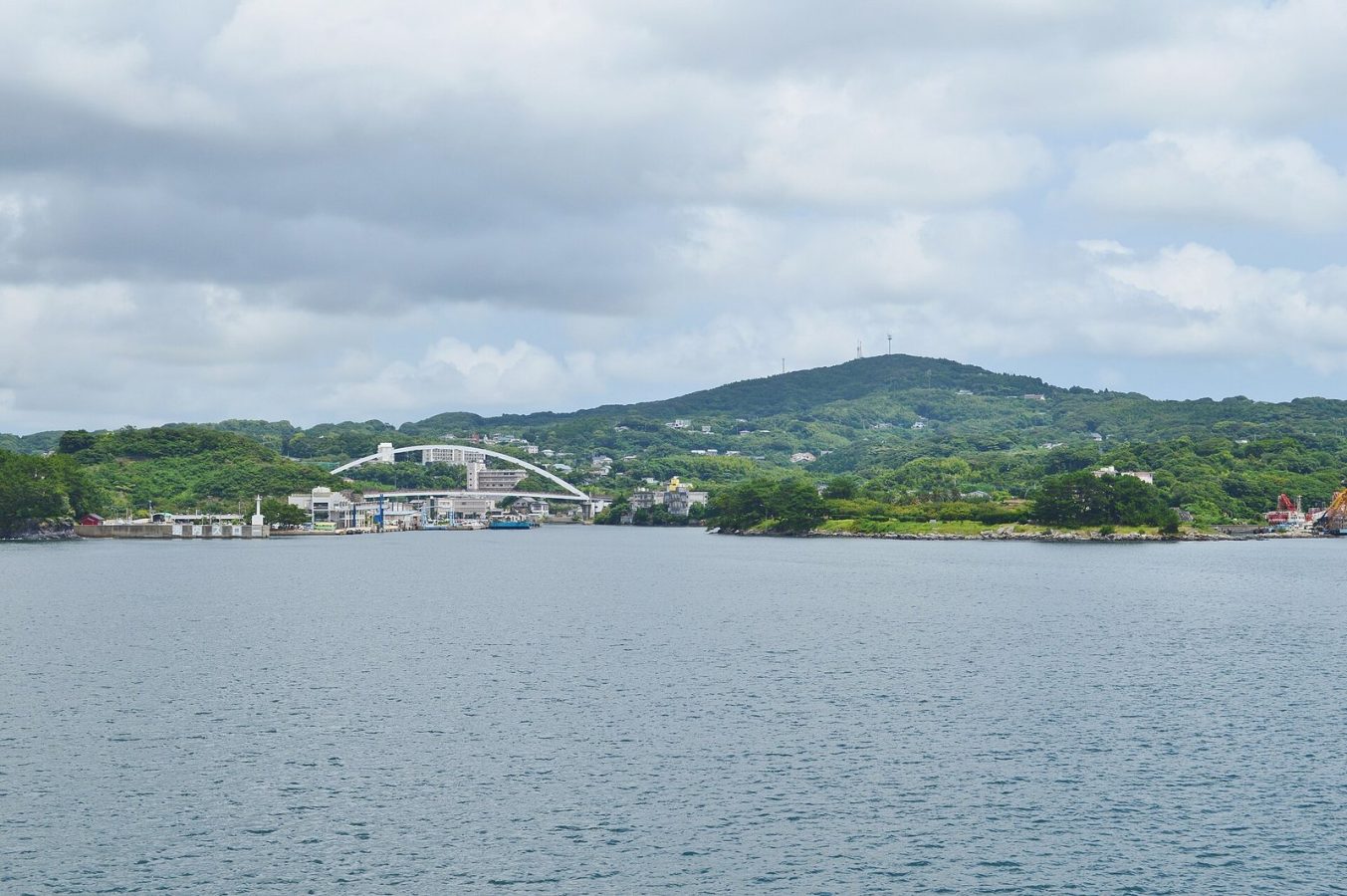
Iki is a low, green volcanic island of about 134 square kilometres in the Tsushima Strait, roughly 20 km off the coast of Kyushu and about an hour from Fukuoka by jetfoil. It rewards visitors with quiet sandy beaches, Yayoi-period ruins, sea-urchin and beef dishes, and the barley shochu the island claims to have invented.
At a glance
| Getting there | Jetfoil from Fukuoka (Hakata Port) about 65 min or car ferry about 2 h; ferry from Karatsu; flights from Nagasaki |
|---|---|
| Gateway | Fukuoka (Hakata Port) |
| Travel time | About 65 min by jetfoil, 2 h or so by car ferry |
| Days | 1 to 2 nights |
| Best months | May–Oct; Jul–Aug for swimming and sea urchin; quiet and windy in winter |
| Getting around | Rent a car at the port; island buses are sparse; e-bikes suit the flat east |
| Booking | Rental car and ryokan for summer weekends and Obon; jetfoil seats in peak season |
| Cost | Mid-range for Japan |
| Beaches | Pale sand and clear water; Tsutsukihama and Nishikihama are the best swimming beaches |
| Sea | Seas of Japan & Korea |
| Archipelago | Iki Islands |
| Area | 134 km² |
| Population | 28,008 |
| Highest point | 213 m (Mount Takenotsuji) |
| Ferry | 1 h 5 min from Fukuoka (Hakata Port) |
| Airport | Yes, scheduled flights |
| Car-free | No |
| Checked | October 2026 |
Tours and day trips: what to book
Very little is sold online for Iki, and most visitors arrange the island themselves: a jetfoil from Hakata, a rental car waiting at the port and a night in a ryokan with a seafood dinner. What does exist are two kinds of local experience, both run on the island.
The first is an evening of bar hopping with a guide, who takes a small group through the drinking places of Gonoura or Ashibe and explains the barley shochu that is distilled on Iki. It suits travellers who would otherwise struggle with menus written only in Japanese, and it solves the problem of driving after dinner.
The second is a sushi-making class, where a local cook shows you how to prepare rice and slice fish from the island harbours, and you eat the result. It is a good choice for families or for a rainy afternoon.
Other things are best booked locally: a glass-bottom or sightseeing boat around Tatsunoshima in summer, sea kayaking and stand-up paddle hire at the main beaches, and distillery visits, which are often free but may need a phone call ahead. Recommendation: book your rental car before anything else, then add the shochu evening if you stay the night.
What to see and do on Iki
Harunotsuji and the Ikikoku Museum
The moated settlement at Harunotsuji was one of the main towns of the Yayoi period, around 2,000 years ago, and is linked with the kingdom of Iki named in old Chinese chronicles. Reconstructed huts and platforms stand on the site, and the modern museum on the hill above explains the finds, from bronze mirrors to imported pottery. Allow two hours for both.
Tsutsukihama and the southern beaches
On the south coast near Ishida, Tsutsukihama is a long arc of fine pale sand with shallow, very clear water, showers and a campsite, and it is the most popular swimming beach in summer. Nishikihama and the smaller coves nearby are quieter. Lifeguards work only in July and August, so check the flags and jellyfish warnings outside that season.
Saruiwa and the west coast
Saruiwa, the Monkey Rock, is a basalt sea stack on the western headland that looks like a monkey staring out to sea. It takes a few minutes to see, but the drive along the west coast to reach it is the scenic part, with cliffs, an old gun battery from the 1930s close by and wide views towards Tsushima on clear days.
Tatsunoshima by boat
This uninhabited islet off the north-west coast has white sand, turquoise water and tall cliffs of columnar rock. In the summer season small boats cross from Katsumoto in about ten minutes, and some sightseeing boats circle the cliffs before landing. Bring food and water, as there is nothing on the island, and check the last boat back.
Kojima Shrine and Iki's shrines
Iki has an unusual number of Shinto shrines for its size, many of them small and wooded. The most photographed is Kojima Shrine, on an islet in Uchiumi Bay that you can walk to only at low tide; check the tide tables before you go and treat the islet as sacred ground. Tsukiyomi Shrine, up a short flight of steps in the forest, is another favourite.
Shochu distilleries and Yunomoto
Barley shochu has been made on Iki for centuries, and several distilleries welcome visitors to see the stills and taste a few styles. In the north, the small hot-spring town of Yunomoto has traditional inns where you can soak, then eat sea urchin, squid and Iki beef for dinner. It makes the best overnight base for a slow evening.
Iki tours: which one for you
Our pick for each kind of trip, with live dates and prices. Free cancellation on most.
Best for: An evening out with a local guide
A guided walk through the small bars of the island, a good way to taste local barley shochu and island snacks without worrying about the language or driving back.
- Food lovers and families: Nagasaki sushi making experience in iki A hands-on session shaping sushi with fish landed on the island, short enough to fit around a day of beaches and shrines and suitable for children.
How to get to Iki
Most people come from Fukuoka. Jetfoils leave Hakata Port several times a day and reach Gonoura or Ashibe in a little over an hour; slower car ferries take about two hours and some continue to Tsushima. In stormy weather, which is more common in winter, the jetfoil can be cancelled, so keep some slack in your plans.
From the Saga side, a car ferry from Karatsu Higashi port arrives at Indoji on the south-east coast in under two hours, which suits travellers coming from Karatsu or Nagasaki by road. Iki also has a small airport with short flights from Nagasaki, though they are few each day. Tickets for the boats can be bought at the terminal, and booking ahead is wise on summer weekends and during Obon in mid-August. Bringing a car on the ferry is possible but costs more than renting one on arrival.
Getting around
The island is about 17 km from north to south, and its sights are scattered among farmland and small fishing ports, so a car is by far the easiest way to see it. Rental offices meet the boats at Gonoura and Ashibe; book ahead in summer. Island buses link the ports with the main villages but are infrequent and do not reach most beaches. Electric bicycles are a pleasant option on the gentle eastern side. Taxis exist but are expensive for longer trips.
When to go
Iki has a mild, damp climate. The beach season is July and August, when the sea is warm, lifeguards are on duty and the island is at its busiest, especially during the Obon holiday in mid-August. Late spring and early autumn are the best all-round months, with fewer visitors, comfortable temperatures for walking and cycling, and lower room rates. The rainy season usually runs through June and much of July, bringing grey skies and heavy showers.
Typhoons can pass between August and October and cancel boats for a day or two. Winter is cold and windy, with rougher seas, but it is the season for local seafood and hot springs, and the island is very quiet. Sea urchin is at its best in early summer. One night is enough for the highlights by car; two nights let you add Tatsunoshima, a slow beach day and the shrines.
Where to stay
Gonoura, the main port and largest town, has the widest choice of business hotels, restaurants and bars, and it is convenient if you arrive late by jetfoil. Yunomoto in the north is the place for a traditional inn with hot-spring baths and a big seafood dinner. Ashibe, on the east coast, is quieter and handy for the boats. If beaches are the point of your stay, look for guesthouses near Tsutsukihama and Ishida in the south, close to the airport.
History and character
Iki has been a stepping stone between Kyushu and the Korean peninsula for two thousand years. Chinese chronicles of the third century describe a kingdom here, and the Harunotsuji settlement shows that it traded with the continent. In 1274 and 1281 the Mongol fleets sent against Japan landed on Iki and killed much of its population; memorials to the defenders still stand. Later the island was ruled by the Hirado domain. Today it lives from fishing, cattle, rice and shochu, and tourism is mostly domestic.
Combine it with
Iki pairs naturally with Fukuoka, which has the nearest big airport and the Hakata ferry terminal. Some boats continue from Iki to Tsushima, about two hours further north, where you find forested hills and views towards Korea. A loop of Fukuoka, Iki and Tsushima takes four or five days. From Karatsu, Iki also fits a trip through Saga and Nagasaki prefectures, combined with the Karatsu castle town.
Frequently asked questions
How do I get to Iki?
Jetfoil from Fukuoka (Hakata Port) about 65 min or car ferry about 2 h; ferry from Karatsu; flights from Nagasaki.
How long does it take to get to Iki from Fukuoka (Hakata Port)?
From Fukuoka (Hakata Port): about 65 min by jetfoil, 2 h or so by car ferry.
How many days do you need on Iki?
1 to 2 nights.
When is the best time to visit Iki?
May–Oct; Jul–Aug for swimming and sea urchin; quiet and windy in winter.
Do I need a car on Iki?
Rent a car at the port; island buses are sparse; e-bikes suit the flat east.
Is Iki worth a day trip?
Go if you want an easy, uncrowded Japanese island of beaches, shrines, seafood and shochu near Fukuoka. Skip it or choose Yakushima or the Goto Islands if you want mountains, long hikes or a dramatic landscape. With about 1 h 5 min each way from Fukuoka (Hakata Port), a day trip is easy to do.
Is Iki expensive?
Mid-range for Japan.
What are the beaches like on Iki?
Pale sand and clear water; Tsutsukihama and Nishikihama are the best swimming beaches.
What should I book ahead for Iki?
Rental car and ryokan for summer weekends and Obon; jetfoil seats in peak season.
Can I book tours and day trips to Iki online?
Yes. Boat trips, guided tours and day trips for Iki can be booked online; live prices and free cancellation on most are shown on this page.