Jamaica · Caribbean Sea · Beach island
Jamaica
Jamaica is the third-largest island in the Caribbean, almost 11,000 square kilometres of beaches, rivers and mountains rising to Blue Mountain Peak at 2,256 metres. Beyond the resort coast around Montego Bay, Negril and Ocho Rios it offers waterfalls, coffee country, rum estates, a lively capital and the music that made reggae famous.
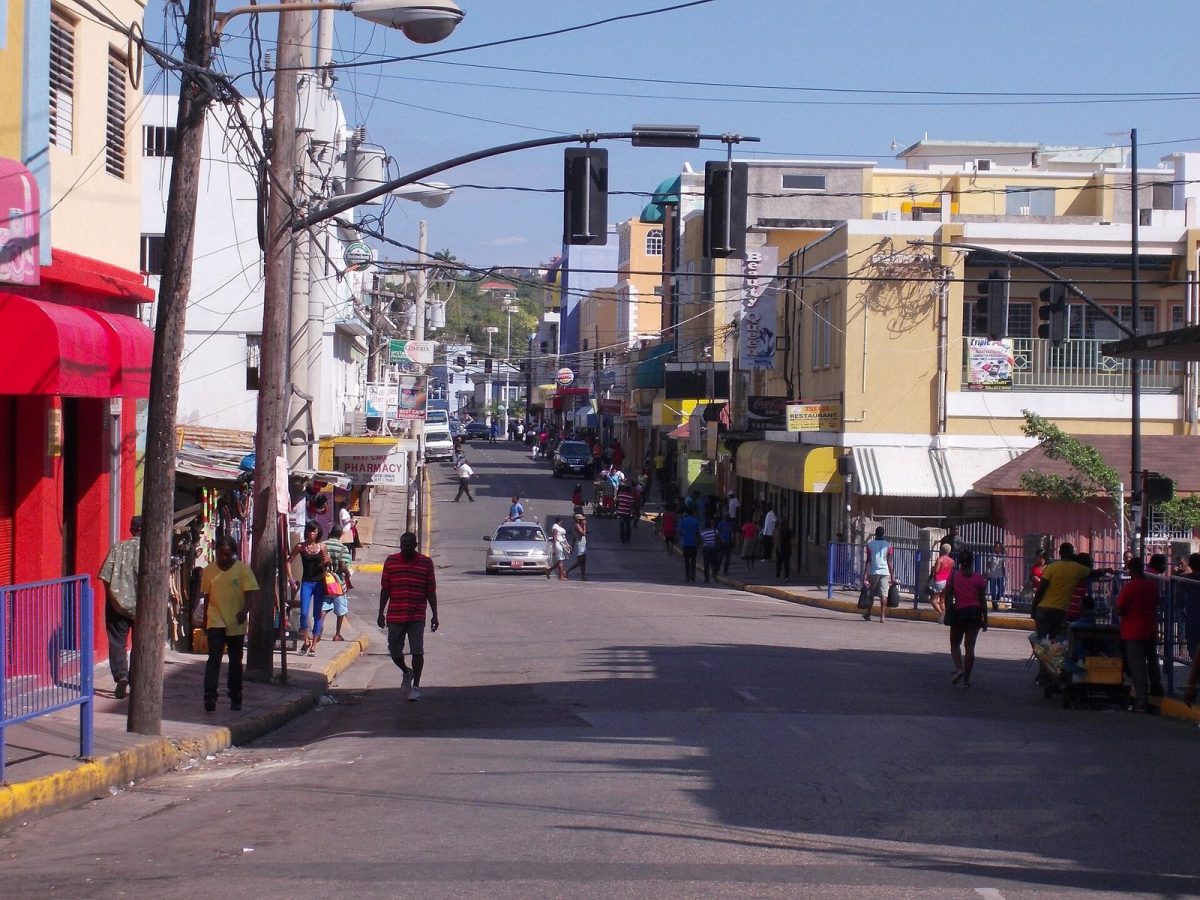
Photo: Don Ramey Logan, CC BY-SA 3.0
At a glance
| Getting there | Direct flights to Montego Bay or Kingston from North America and the UK; cruise ships call at Falmouth and Ocho Rios |
|---|---|
| Gateway | Montego Bay (Sangster airport) or Kingston |
| Travel time | About 1.5 h by air from Miami, 10 h from London |
| Days | A week or more |
| Best months | Dec–Apr dry and busiest; May–Nov hotter, wetter, hurricanes possible Jun–Nov |
| Getting around | Coaches and route taxis link the towns; a car or driver helps; drive on the left |
| Booking | Flights and hotels for Dec–Apr months ahead; tours a few days ahead |
| Cost | Mid-range; all-inclusives and imported goods cost more |
| Beaches | White sand north and west: Seven Mile Beach at Negril, Doctor's Cave in Montego Bay |
| Sea | Caribbean Sea |
| Archipelago | Greater Antilles |
| Area | 10,991 km² |
| Population | 2.7 million (2011) |
| Highest point | 2,256 m (Blue Mountain Peak) |
| Airport | Yes, scheduled flights |
| Car-free | No |
| UNESCO | Blue and John Crow Mountains |
| Checked | October 2026 |
Tours and day trips: what to book
Jamaica's tours are built around where you stay, and most include hotel pickup from Montego Bay, Negril or Ocho Rios.
The best sellers are full days to Dunn's River Falls near Ocho Rios, where you climb the cascades in a human chain with a guide, often combined with Nine Mile, Bob Marley's birthplace and resting place, or with river tubing. From Montego Bay these are long days of two hours or more on the road each way.
River trips form the second group: bamboo rafting on the Martha Brae near Falmouth or the Great River and Lethe near Montego Bay, poled by a raftsman, sometimes with a limestone mud massage; safaris on the Black River combined with YS Falls on the south coast; and night boat trips to the bioluminescent lagoon near Falmouth.
There are also catamaran cruises with snorkelling, rum estate tours at Appleton and Worthy Park, food tours, horse riding into the sea, ATVs, ziplines, and in Kingston the Bob Marley Museum, Devon House and Blue Mountain coffee and hiking trips.
Entrance fees, lunch and drinks vary, so check them. For one tour, choose Dunn's River with a river stop; for a second, the Black River or the Blue Mountains.
What to see and do in Jamaica
Dunn's River Falls, Ocho Rios
A series of limestone cascades that drops about 180 metres straight onto a beach near Ocho Rios. You climb up the rocks in the water with a guide, holding hands in a chain; wear water shoes and expect to get soaked. Go early or on a day without cruise ships in port, when the line can be long.
Negril and Seven Mile Beach
At the western tip, a long beach of white sand and calm water runs north from the town, lined with hotels, bars and water sports. South of the town the coast turns to low cliffs in the West End, where people swim from the rocks and gather at cliff-top bars for sunset. It is about 90 minutes from Montego Bay.
Blue Mountains
East of Kingston, a UNESCO-listed range of cloud forest, coffee estates and steep, winding roads. Visit a coffee farm, walk in Holywell, or start a pre-dawn hike of three or four hours to Blue Mountain Peak for sunrise and, on clear mornings, a view to Cuba. Go with a driver; the roads are narrow and the weather changes fast.
Kingston
The capital is busy and gritty, but it is the island's cultural centre. See Bob Marley's former home at 56 Hope Road, now a museum, the National Gallery's Jamaican art, Devon House for its mansion and ice cream, and across the harbour Port Royal, the old pirate town largely swallowed by an earthquake in 1692.
The south coast and Black River
The quieter south has the Black River, with boat trips through mangroves to see crocodiles and birds, YS Falls in a green valley a short drive inland, and Treasure Beach, a string of fishing villages with guesthouses and dark-sand coves. Boats from here run to a bar on stilts on a sandbar offshore.
Port Antonio and Portland
The wettest and greenest corner, on the north-east coast, about two hours from Kingston. Swim in the Blue Lagoon and at Frenchman's Cove, raft the Rio Grande on long bamboo rafts, walk to Reach Falls, and eat jerk at Boston Bay, where it is said to have started. Far fewer visitors make it here.
Jamaica tours: which one for you
Our pick for each kind of trip, with live dates and prices. Free cancellation on most.
Best for: First visit, a day from Montego Bay
A long day east along the north coast to climb Dunn's River Falls and visit Bob Marley's home village, ending at the glowing lagoon near Falmouth.
- The south coast and its rivers: Jamaica black river safari floyd s pelican bar tour A boat ride on the Black River among mangroves and crocodiles, with a stop at the stilt bar built on a sandbar out at sea.
- Hikers based in Kingston: Jamaica blue mountain peak hiking tour A guided night climb to Blue Mountain Peak for sunrise above the clouds, with transport up the steep mountain roads included.
How to get to Jamaica
Most visitors fly into Sangster International Airport at Montego Bay, close to the resort coast, with direct flights from many US and Canadian cities, from London and in season from other European cities. Miami is about an hour and a half away. Norman Manley International Airport in Kingston serves the capital, the Blue Mountains and Port Antonio, and a small airport near Ocho Rios takes some regional flights.
There are no regular passenger ferries from other islands. Jamaica is a major cruise stop: ships dock at Falmouth, Ocho Rios and Montego Bay, usually for a day, and shore excursions to the falls and rivers are timed around them.
Most resorts offer airport transfers; rental cars are available at both main airports.
Getting around
Jamaica is large, and distances take longer than the map suggests. Comfortable intercity coaches link Montego Bay, Negril, Ocho Rios, Kingston and other towns, and the toll highway has cut Kingston to Ocho Rios to about an hour. Route taxis and minibuses are cheap but crowded. Driving is on the left, on roads that are often narrow and potholed, with fast drivers; many visitors hire a licensed tourist taxi or private driver for day trips instead.
When to go
Jamaica is hot all year, around 28 to 32 degrees on the coast, with the sea near 27 to 29 degrees, but much cooler in the mountains. The dry season from December to April is the peak, with sunny days, the highest prices and the most cruise ships; book early for Christmas and Easter.
From May to November it is hotter, more humid and wetter, with short tropical downpours and lower rates. The hurricane season runs from June to November, with the greatest risk from August to October; in October 2025 Hurricane Melissa caused heavy damage in the west and south-west, so check that the places and hotels on your list have reopened.
Reggae Sumfest fills Montego Bay in July. A week lets you combine a beach base with two or three day trips.
Where to stay
Choose a base by what you want. Negril has the best beach and a relaxed feel, with resorts on Seven Mile Beach and smaller places on the West End cliffs. Montego Bay, close to the airport, has big all-inclusives and the most tours. Ocho Rios is central for the falls and rivers but busy with cruise passengers. Treasure Beach suits independent travellers seeking quiet; Port Antonio suits nature lovers; Kingston suits culture and music.
History and character
The Taino lived here when Columbus arrived in 1494. Spain held the island until England took it in 1655; Port Royal became a base for buccaneers until an earthquake sank much of it in 1692. Sugar plantations worked by enslaved Africans made Jamaica one of Britain's richest colonies, while escaped Maroons fought the British to a treaty in 1739. Slavery ended in 1838 and the island became independent in 1962. Its music, from ska to reggae and dancehall, along with Rastafari, jerk cooking and world-class sprinters, made it famous far beyond its size.
Combine it with
Within Jamaica, the classic split is Negril or Montego Bay for the beach, then Kingston and the Blue Mountains or Port Antonio for culture and nature, about three and a half to four hours apart by road. Short flights connect Montego Bay and Kingston with the Cayman Islands, and Cuba is a little over an hour by air from Kingston or Montego Bay.
Frequently asked questions
How do I get to Jamaica?
Direct flights to Montego Bay or Kingston from North America and the UK; cruise ships call at Falmouth and Ocho Rios.
How long does it take to get to Jamaica from Montego Bay (Sangster airport) or Kingston?
From Montego Bay (Sangster airport) or Kingston: about 1.5 h by air from Miami, 10 h from London.
How many days do you need in Jamaica?
A week or more.
When is the best time to visit Jamaica?
Dec–Apr dry and busiest; May–Nov hotter, wetter, hurricanes possible Jun–Nov.
Do I need a car in Jamaica?
Coaches and route taxis link the towns; a car or driver helps; drive on the left.
Is Jamaica worth a day trip?
Go if you want beaches plus rivers, waterfalls, mountains, music and food with real character on one island. Skip it or choose Aruba or the Cayman Islands if you want a dry, compact island with calm, easy logistics.
Is Jamaica expensive?
Mid-range; all-inclusives and imported goods cost more.
What are the beaches like in Jamaica?
White sand north and west: Seven Mile Beach at Negril, Doctor's Cave in Montego Bay.
What should I book ahead for Jamaica?
Flights and hotels for Dec–Apr months ahead; tours a few days ahead.
Can I book tours and day trips to Jamaica online?
Yes. Boat trips, guided tours and day trips for Jamaica can be booked online; live prices and free cancellation on most are shown on this page.