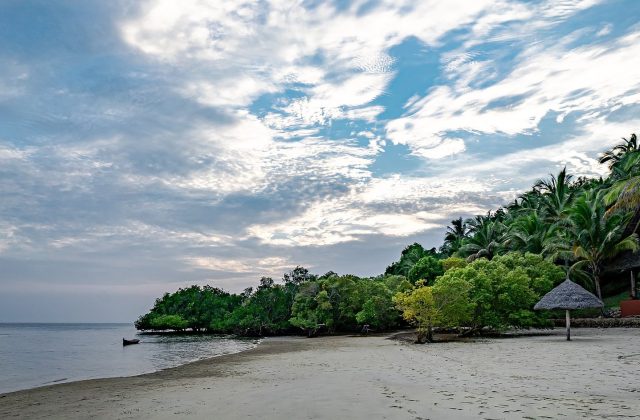
Mafia Island
129 km away
Mafia Island lies off the coast of Tanzania opposite the Rufiji delta, about 394 square kilometres of coconut palms,…
13 tours & trips
Tanzania · Indian Ocean · Historic island
Kilwa Kisiwani is a small island off the southern coast of Tanzania that was once the richest port of the Swahili coast, controlling the gold trade with southern Africa. Its coral-stone mosques, palaces and fort have been a UNESCO World Heritage Site since 1981, and a short boat ride from Kilwa Masoko takes you there.
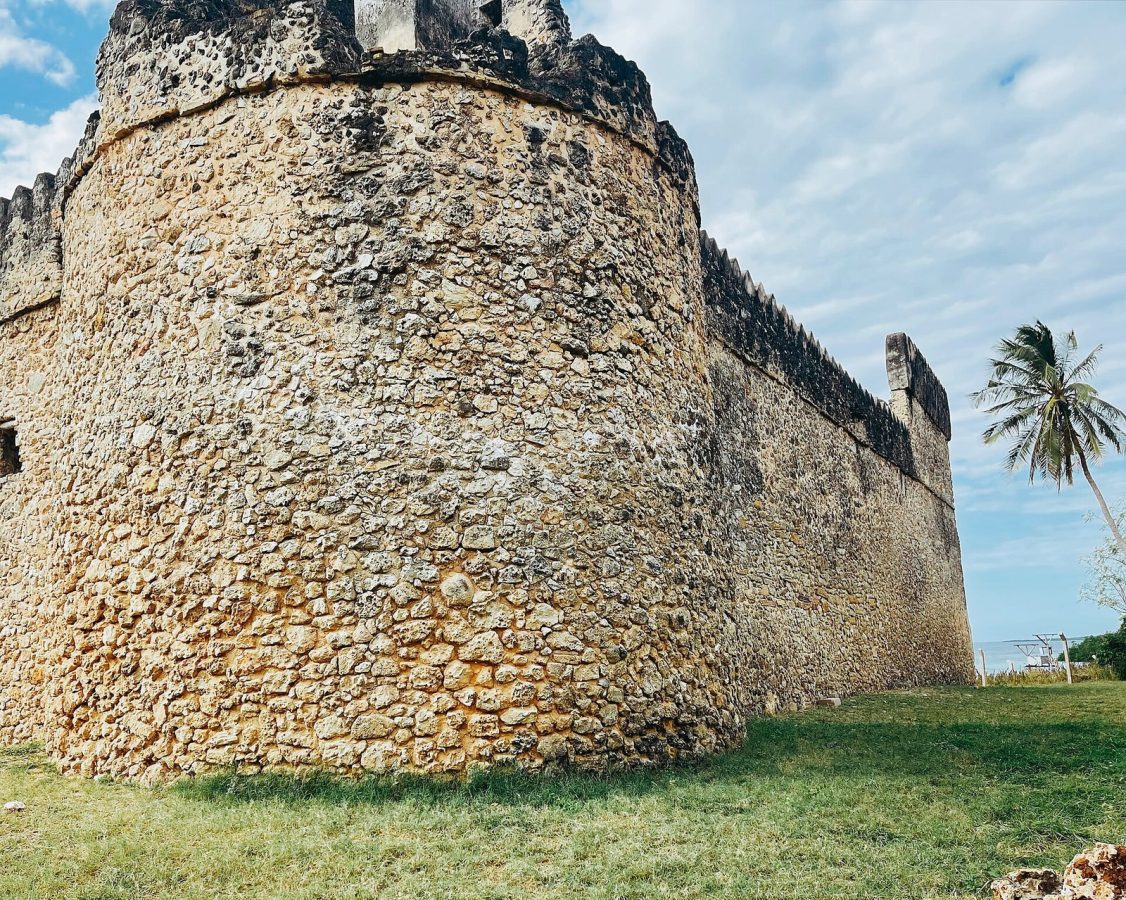
Photo: Halidtz, CC BY-SA 4.0
| Getting there | Permit from the antiquities office, then a short boat ride from the Kilwa Masoko jetty |
|---|---|
| Gateway | Kilwa Masoko |
| Travel time | About 15 min by motorboat |
| Days | A day trip is enough |
| Best months | Jun–Oct dry season; long rains Mar–May make roads hard |
| Getting around | On foot with a guide; the island has no cars and the ruins are close together |
| Booking | Nothing far ahead; arrange the permit, guide and boat the day before in Kilwa Masoko |
| Cost | Cheap; the site fee and boat are the main costs |
| Beaches | No visitor beaches on the island; swim at Jimbizi and Masoko Pwani in Kilwa Masoko |
| Sea | Indian Ocean |
| Airport | No |
| Car-free | Yes |
| UNESCO | Ruins of Kilwa Kisiwani and Ruins of Songo Mnara |
| Checked | October 2026 |
No tours are sold online for Kilwa Kisiwani, and almost everyone visits the same simple way, arranged locally in Kilwa Masoko on the mainland.
First you go to the antiquities office in Kilwa Masoko, pay the entry fee and receive a permit, which you must carry on the island. The office or your lodge will then assign an official guide and help you find a boat at the jetty near the market. A small motorboat is quickest, a sailing dhow slower but more atmospheric, and either way the price is agreed for the return trip including waiting time. The guide fee is usually separate, and a tip is expected.
Most lodges in Kilwa Masoko also offer a full package: permit, guide, boat and sometimes a packed lunch or a meal in a village home. A few combine Kilwa Kisiwani with Songo Mnara, the second ruined town on a neighbouring island, which needs a longer boat ride and its own permit, ideally on a separate morning.
Some safari operators add Kilwa to trips from Dar es Salaam or the Nyerere (Selous) game reserve. If you are already in Kilwa, the plain recommendation is to organise it yourself through your lodge, start early to avoid the midday heat, and allow three to four hours.
A five-minute walk from the landing, the Great Mosque is the oldest standing mosque on the East African coast, begun around the 11th century and enlarged in the 14th. Its prayer hall is a forest of coral-stone columns under a roof of low domes and barrel vaults, partly restored. Look for the large domed bay once reserved for the sultan.
On a cliff on the north shore, about 20 minutes on foot from the village, lie the remains of an enormous palace built in the early 14th century, with courtyards, a sunken pool, audience halls and warehouses. It was one of the largest buildings in sub-Saharan Africa at the time. The view across the bay to the mainland explains why the sultans chose it.
Next to the boat landing stands Gereza, the square fort whose name means prison. The Portuguese built the first version after taking Kilwa in 1505, and the Omani Arabs rebuilt it in the 18th and early 19th centuries. Walk the inner courtyard, look through the gun ports to the channel and notice the carved wooden door frame.
South of the Great Mosque, the walled Makutani palace dates from the 18th century, when Kilwa enjoyed a late revival as a slave and ivory port under Omani influence. A short walk away, the Small Domed Mosque is the most complete building on the island, with nine domes over a compact prayer room and fine niches carved in coral.
Near the big palace, Husuni Ndogo is a mysterious walled enclosure whose purpose is still debated by archaeologists. On the way back the guide leads you through the present village, where about a thousand people farm, fish and build boats among the ruins. Dress modestly, greet people, and buy water or coconuts from the small shops.
Kilwa Masoko, the mainland town opposite the island, lies about 300 km south of Dar es Salaam. The road is paved most of the way and buses take five to six hours; a private car with driver is faster and more comfortable. A small airstrip at Kilwa Masoko receives occasional charter flights, often linked to safari circuits, but there is no reliable scheduled service.
Once in Kilwa Masoko, get your permit at the antiquities office in town, then walk to the jetty, where motorboats cross the channel in about 15 minutes and dhows take longer, depending on wind and tide. Boats land right beside Gereza fort. There is no ferry timetable; you hire the boat for the return trip. Carry cash in Tanzanian shillings, as cards are rarely accepted.
The island has no roads for cars and you cover everything on foot. The Great Mosque, Gereza fort and the Small Domed Mosque are within a few hundred metres of the landing, while Husuni Kubwa is a walk of 20 to 30 minutes along sandy paths through the bush. The ground is uneven and there is little shade, so wear good shoes, a hat and sun cream and carry at least two litres of water each.
The best time is the dry season from June to October, when days are warm rather than oppressive, skies are clear and the sea is calm for the crossing. Daytime temperatures sit around 28 to 30 degrees, and the sea stays warm all year at roughly 25 to 28 degrees. A shorter dry spell in January and February is hot and humid but still workable.
The long rains from March to May bring heavy downpours, muddy paths and occasional road problems on the way from Dar es Salaam, and some lodges close. The short rains in November and December are lighter. Crowds are never an issue: you may well have the ruins to yourself on any day of the year. Start early, ideally on the first boat, as midday heat on the exposed palace site is intense. During Ramadan, eat and drink discreetly in the village. One day is enough for the island itself, two if you add Songo Mnara.
There is no accommodation for visitors on Kilwa Kisiwani, so everyone stays in Kilwa Masoko. A few beach lodges and bungalows sit along Jimbizi Beach and the coast just north of the town, within walking distance of the jetty, and most of them arrange the island trip. Simpler guesthouses near the market suit budget travellers. Kilwa Kivinje, 30 km north, has very basic rooms and suits those who want the old town atmosphere.
Founded by Persian and Arab traders who mixed with the local Swahili population, Kilwa grew from the 12th century into the leading city of the coast by controlling the gold trade from Sofala, in present-day Mozambique, which drew on the mines of the Zimbabwe plateau. Its sultans minted their own copper coins, and the traveller Ibn Battuta praised the town in 1331. The Portuguese sacked it in 1505, and it never fully recovered. Today the coral-stone ruins sit beside a small fishing village.
Pair the island with Songo Mnara, the other UNESCO-listed ruined town about an hour south by boat, and with Kilwa Kivinje, a crumbling 19th-century trading town 30 km north of Kilwa Masoko. Many travellers add Kilwa to a drive from Dar es Salaam or a safari in the Nyerere (Selous) reserve inland, or continue to Mafia Island further north for diving.
129 km away
Mafia Island lies off the coast of Tanzania opposite the Rufiji delta, about 394 square kilometres of coconut palms,…
13 tours & trips
317 km away
Zanzibar, or Unguja, is the main island of the Zanzibar archipelago off the coast of Tanzania, about 85 km long and two…
27 tours & trips
321 km away
Changuu, better known as Prison Island, is a tiny island 5.6 km north-west of Stone Town in the Zanzibar Channel, about…
227 tours & trips
Permit from the antiquities office, then a short boat ride from the Kilwa Masoko jetty.
From Kilwa Masoko: about 15 min by motorboat.
A day trip is enough.
Jun–Oct dry season; long rains Mar–May make roads hard.
No. Kilwa Kisiwani is car-free. On foot with a guide; the island has no cars and the ruins are close together.
Go if you want to walk through medieval Swahili ruins with almost no other visitors around you. Skip it or choose Zanzibar if you want beaches, comfortable hotels and an easy trip with plenty of restaurants and nightlife.
Cheap; the site fee and boat are the main costs.
No visitor beaches on the island; swim at Jimbizi and Masoko Pwani in Kilwa Masoko.
Nothing far ahead; arrange the permit, guide and boat the day before in Kilwa Masoko.
Yes. Kilwa Kisiwani is part of the World Heritage property Ruins of Kilwa Kisiwani and Ruins of Songo Mnara.
Zanzibar Archipelago, Tanzania
Changuu, better known as Prison Island, is a tiny island 5.6 km north-west of Stone Town in the Zanzibar Channel, about…
227 tours & trips
Zanzibar Archipelago, Tanzania
Mnemba is a tiny private island about 3 km off the north-east coast of Zanzibar, ringed by an oval coral reef some 7 km…
194 tours & trips
Zanzibar Archipelago, Tanzania
Pemba is the northern, greener and far less visited of the two main Zanzibar islands, about 50 km north of Unguja and…
82 tours & trips
Zanzibar Archipelago, Tanzania
Zanzibar, or Unguja, is the main island of the Zanzibar archipelago off the coast of Tanzania, about 85 km long and two…
27 tours & trips
Mafia Archipelago, Tanzania
Mafia Island lies off the coast of Tanzania opposite the Rufiji delta, about 394 square kilometres of coconut palms,…
13 tours & trips