Elafonisos
26 km away
Elafonisos is a small, low island of 19 square kilometres off the south-eastern tip of the Peloponnese, ten minutes by…
1 tour
Greece · Ionian Sea · Beach island
Kythira is a large, rugged island off the south-eastern tip of the Peloponnese, between the Greek mainland and Crete, known in myth as the birthplace of Aphrodite. Venetian castles, Byzantine ruins, waterfalls and dozens of uncrowded beaches spread across a quiet landscape that most foreign visitors never reach.
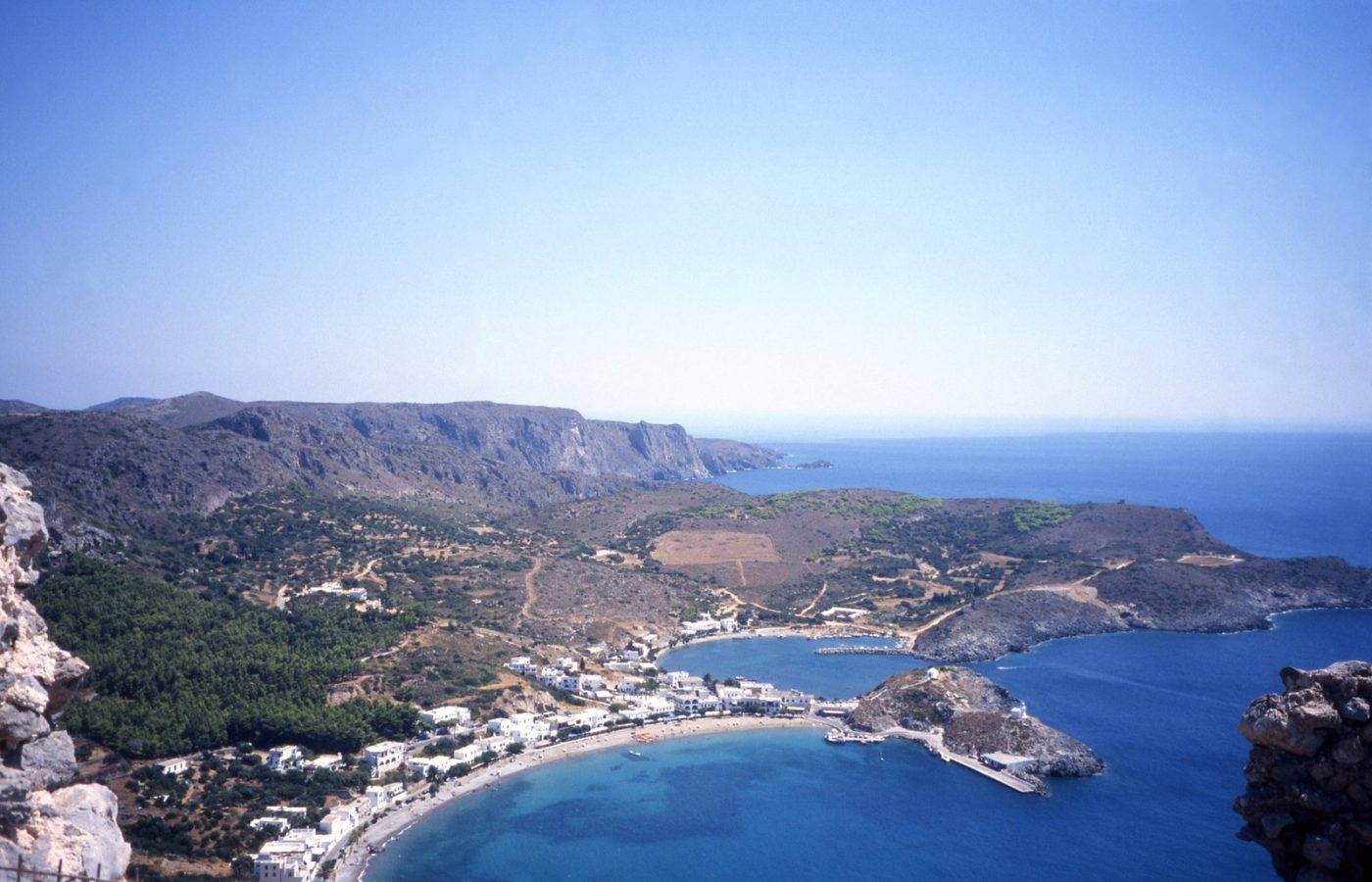
Photo: Ingo Mehling, CC BY-SA 3.0
| Getting there | Ferry from Neapoli in about 1 h to Diakofti, or a 45-min flight from Athens; slow ferries from Piraeus via Gythio |
|---|---|
| Gateway | Neapoli (ferry) or Athens (flights) |
| Travel time | About 1 h by ferry from Neapoli or 45 min by air |
| Days | 3 to 5 nights |
| Best months | May–Jun and Sep–Oct; August busiest; many places closed Nov–Mar |
| Getting around | Rent a car; buses are very limited and villages are spread across the island |
| Booking | Car hire and rooms for August, when the island fills with Greek and returning families |
| Cost | Mid-range for Greece |
| Beaches | Pebbles and sand in coves: Kaladi, Kapsali, Firi Ammos, Palaiopoli and Melidoni |
| Sea | Ionian Sea |
| Archipelago | Ionian Islands |
| Area | 278 km² |
| Population | 3,605 (2021) |
| Highest point | 506 m |
| Airport | Yes, scheduled flights |
| Car-free | No |
| Checked | October 2026 |
Nothing is sold online for Kythira on its own, and organised tourism is small. Almost everyone comes independently, by ferry or plane, rents a car and explores at their own pace, arranging any outings locally.
The main local options are on the water. In summer, small boats from Kapsali run trips around the southern coast to sea caves and the offshore rock of Avgo, often with swimming stops, and some offer the longer crossing to Antikythera. Kayak trips and paddleboard rentals operate from a few beaches. Prices are agreed directly or through travel offices in Chora and Kapsali, and usually include the boat and snorkel gear; food is extra.
On land, the island has a well-developed network of marked walking trails, and local guides run small-group hikes through gorges and to waterfalls, especially in spring and autumn. A few producers open for tastings of honey, olive oil and local wine.
Kythira is not sold as a day trip from Athens, and the travel time makes that pointless. The plain recommendation is to book a car with your ferry or flight, stay at least three nights, and add one boat trip from Kapsali and one guided walk.
The island's capital sits on a ridge in the south, a lane of whitewashed houses leading up to the Venetian castle. From its walls you look straight down on the double bay of Kapsali and out to the rock of Avgo, Aphrodite's legendary landing place. Visit the small archaeological museum, then walk down to Kapsali for a swim.
On the east coast, about 20 minutes by car from Chora, a steep path of steps leads down to one of the island's most beautiful beaches: two pebble coves divided by a rocky outcrop with a natural arch. The water is clear and deep. Come in the morning before the sun moves off the bay, bring shade and water, and skip it on windy days.
In the green north-west, the village of Mylopotamos has a square shaded by plane trees and a stream that drops in the Neraida waterfall into a cool pool. A trail follows the valley past ruined watermills. Nearby, the ruined castle-village of Kato Chora and the Agia Sofia cave, with frescoes inside, make a good half-day loop.
Hidden on a crag above a deep gorge in the north-east, the ruins of the Byzantine capital were sacked by the pirate Barbarossa in 1537 and never resettled. Several chapels with traces of frescoes survive among the walls. A rough road leads close, then a short walk. Go in the late afternoon light and wear proper shoes on the loose ground.
The fishing village of Avlemonas on the east coast has a tiny harbour, a small Venetian fort and rocks for swimming in very clear water, with tavernas for fish. Further north, Diakofti beside the ferry port has shallow turquoise water and a rusting shipwreck stranded near the harbour since 2000, a strange but popular sight.
The north coast resort of Agia Pelagia has several beaches within walking distance, including the reddish-sand Firi Ammos and Lagada. It is the quietest base for families and a good place for a seafood dinner. Inland, the villages of Potamos, with a Sunday market, and Karavas, with its spring and walking paths, are worth a stop.
The usual ferry route is from Neapoli, at the southern tip of the Laconian peninsula, to Diakofti on Kythira's east coast, a crossing of about an hour. There are one or more sailings a day in summer and fewer in winter; buy tickets at the port or from travel agents. Neapoli is about five hours by car or bus from Athens.
Slower ferries on the route between Piraeus, Gythio, Antikythera and Kissamos on Crete call at Diakofti a few times a week, useful for combining Kythira with Crete. Kythira's airport, in the centre of the island, has flights from Athens of about 45 minutes, several times a week and more often in summer. Bringing a car on the ferry from Neapoli is easy, but book ahead in August.
Kythira is about 30 km long, with villages and beaches scattered over hilly terrain, so a car is almost essential. Rental agencies operate at the port, the airport and in the main villages; book early for August. Bus services are minimal and mostly for school runs. Roads are generally good but narrow and winding, and some beach access roads are unpaved and steep. Taxis exist but are few. Scooters suit only experienced riders.
The best months are May, June, September and early October. The sea is warm enough for swimming from June, reaching about 24 to 26 degrees in August and staying pleasant into October, and the countryside is green and full of flowers in spring, ideal for walking. Days are hot but rarely as crowded as the Cyclades.
August is the busiest month by far, when Greek holidaymakers and members of the large Kythirian diaspora, especially from Australia, return home; rooms, cars and ferry space are hardest to find around 15 August, the feast of the Assumption, which is celebrated with village festivals. The summer meltemi wind can make some east-coast beaches rough. From November to March many tavernas and rooms close, ferries run less often and the weather is mild but changeable. Three to five nights let you see both north and south.
Kapsali, on the twin bay below Chora, is the liveliest base, with beaches, tavernas and boats, and suits those who want everything within walking distance. Chora itself offers rooms in old houses with castle views. Agia Pelagia in the north is quieter, with several beaches nearby, and suits families. Avlemonas and the inland villages, such as Mylopotamos or Potamos, suit travellers looking for village life and walking trails.
Ancient writers made Kythira the island where Aphrodite came ashore from the sea, and a sanctuary to her stood here. Its position between the Aegean and the western Mediterranean made it a stepping stone for Minoans, Byzantines and pirates. The Venetians, who called it Cerigo, held it for most of the period from the 13th century to 1797, building castles at Chora and Kato Chora. British rule followed as part of the Ionian Islands until union with Greece in 1864. Heavy emigration in the 20th century, above all to Australia, left a large diaspora that still returns each summer.
Kythira pairs well with the southern Peloponnese: Neapoli and the sandy island of Elafonisos are a short hop away, and the medieval rock town of Monemvasia and the port of Gythio, gateway to the Mani, are within two hours' drive of Neapoli. Ferries via Antikythera continue to Kissamos in western Crete, a longer but scenic crossing.
26 km away
Elafonisos is a small, low island of 19 square kilometres off the south-eastern tip of the Peloponnese, ten minutes by…
1 tour
112 km away
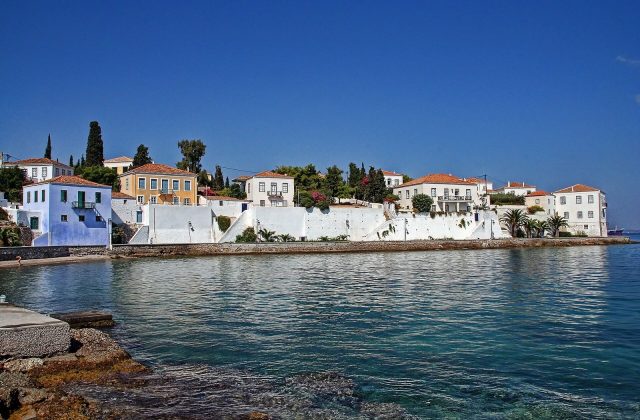
Spetses is a pine-covered island of about 27 square kilometres at the mouth of the Argolic Gulf, just off the…
7 tours & trips
120 km away
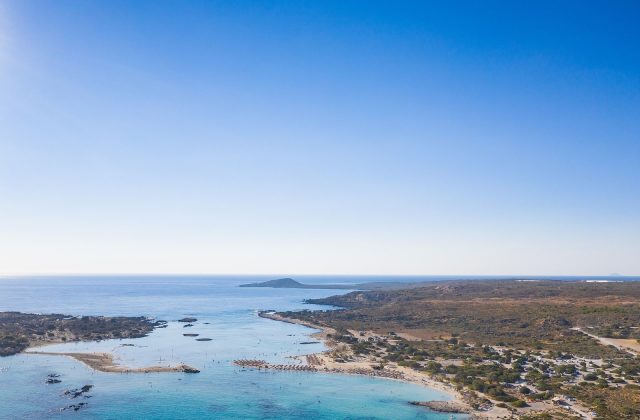
Elafonisi is a low, sandy islet at the south-western corner of Crete, joined to the shore by a shallow lagoon that you…
52 tours & trips
Ferry from Neapoli in about 1 h to Diakofti, or a 45-min flight from Athens; slow ferries from Piraeus via Gythio.
From Neapoli (ferry) or Athens (flights): about 1 h by ferry from Neapoli or 45 min by air.
3 to 5 nights.
May–Jun and Sep–Oct; August busiest; many places closed Nov–Mar.
Rent a car; buses are very limited and villages are spread across the island.
Go if you want a big, unspoilt Greek island with beaches, walks and villages but few foreign crowds. Skip it or choose Naxos if you want frequent ferries, lively nightlife, organised boat trips and an easy island-hopping route.
Mid-range for Greece.
Pebbles and sand in coves: Kaladi, Kapsali, Firi Ammos, Palaiopoli and Melidoni.
Car hire and rooms for August, when the island fills with Greek and returning families.
Ionian Islands, Greece
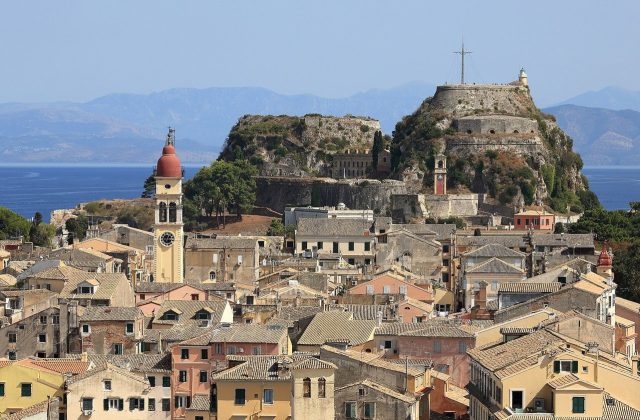
Corfu is the greenest of the Greek islands and the northernmost of the Ionian group, about 60 km long and just off the…
333 tours & trips
Ionian Islands, Greece
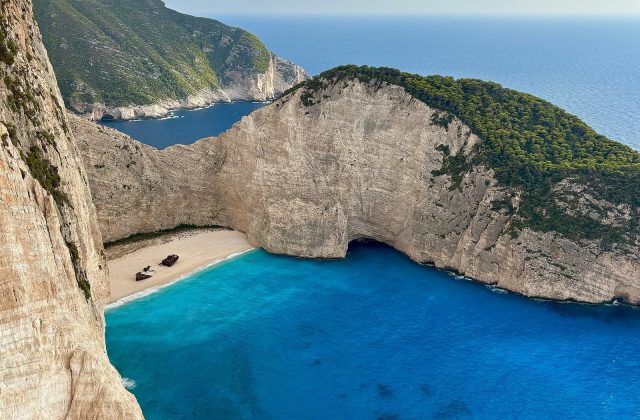
Zakynthos, also called Zante, is the third-largest Ionian island, about 20 km off the western Peloponnese and an hour…
209 tours & trips
Ionian Islands, Greece
Kefalonia is the largest of the Ionian Islands off western Greece, a mountainous island rising to 1,628 metres on Mount…
149 tours & trips
Ionian Islands, Greece
Lefkada is an Ionian island joined to the Greek mainland by a short causeway and a floating swing bridge, so you can…
51 tours & trips
Ionian Islands, Greece
Paxos is the smallest of the main Ionian islands, only about 25 square kilometres, lying some 15 km south of Corfu and…
48 tours & trips
Ionian Islands, Greece
Antipaxos is a small, vine-covered island of about 5 square kilometres, some 3 km south of Paxos in the Ionian Sea,…
44 tours & trips