Kenya · Indian Ocean · Car-free island
Lamu
Lamu is a small island on the northern coast of Kenya, about 240 km from Mombasa, whose old town is the oldest and best-preserved Swahili settlement in East Africa and a World Heritage site. There are almost no cars: people move by donkey, on foot and by dhow, and life follows the tides and the call to prayer.
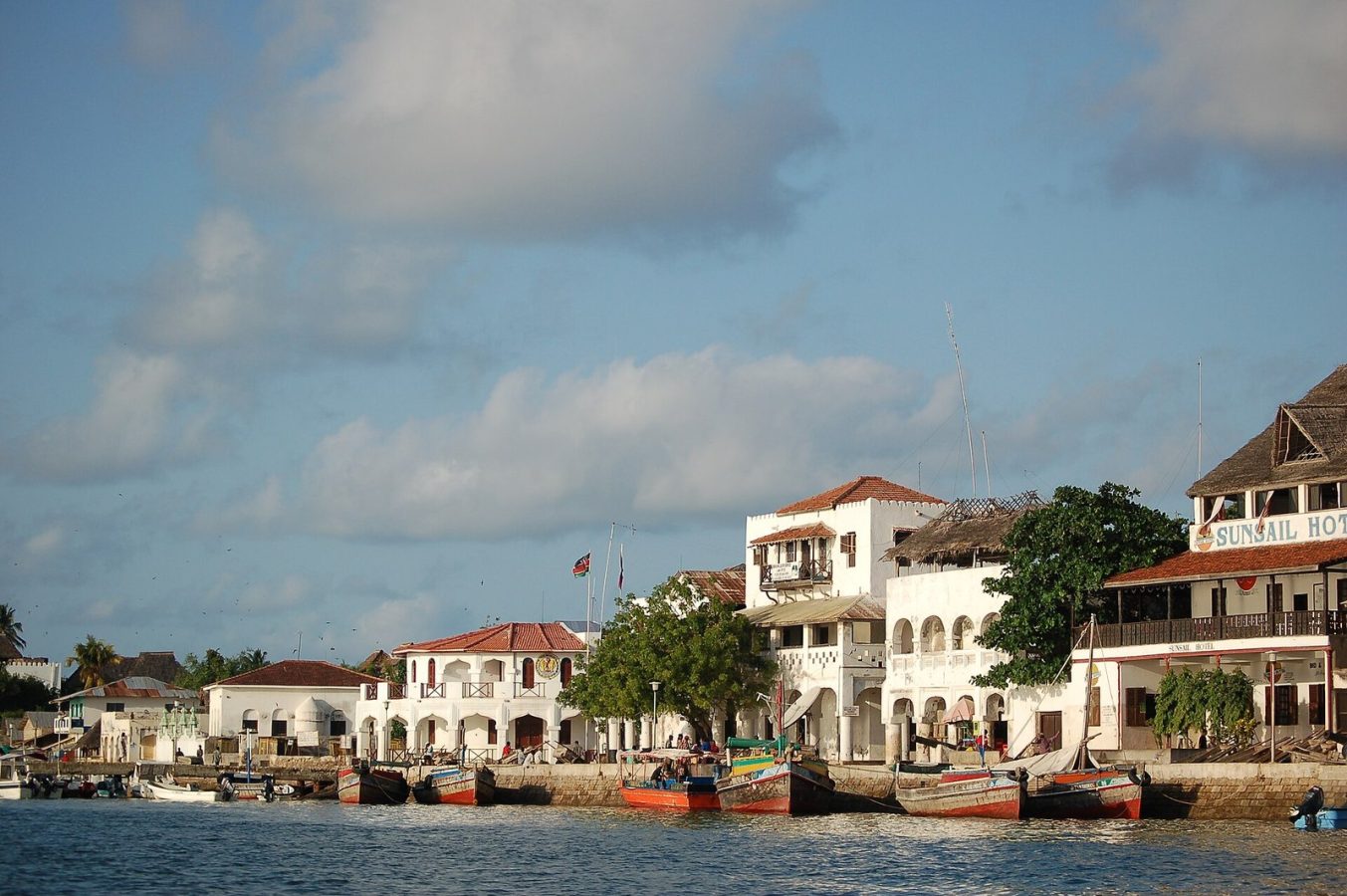
Photo: Erik (HASH) Hersman from Orlando, CC BY 2.0
At a glance
| Getting there | Fly from Nairobi or Mombasa to Manda airport, then a 10-min boat across the channel to Lamu town |
|---|---|
| Gateway | Manda airport (flights from Nairobi and Mombasa) |
| Travel time | About 1.5 h by air from Nairobi, then 10 min by boat |
| Days | 3 to 5 nights |
| Best months | Dec–Mar and Jul–Oct; long rains Apr–Jun; Maulidi and November cultural festival |
| Getting around | Car-free: walk, ride a donkey or take a boat between Lamu town and Shela |
| Booking | Flights and rooms ahead for festivals and Christmas; dhow trips a day ahead |
| Cost | Mid-range; simple guesthouses cheap, Shela villas expensive |
| Beaches | Shela beach: about 12 km of sand backed by dunes, with gentle water near the village |
| Sea | Indian Ocean |
| Archipelago | Lamu Archipelago |
| Area | 57 km² |
| Airport | No |
| Car-free | Yes |
| UNESCO | Lamu Old Town |
| Checked | November 2026 |
Tours and day trips: what to book
Most of what you do on Lamu is arranged with local guides and boat captains, and the online offer reflects that.
The core product is a guided walk of Lamu Old Town, about two to three hours, covering the seafront, the fort, the museums and the narrow lanes of stone houses; some include a Swahili lunch. The second is the dhow: sunset cruises of two hours with snacks and drinks, and longer day sails that combine snorkelling, a beach barbecue and a visit to Manda or the ruins of Takwa. From Shela, packages join a walk over the dunes with a sunset sail and dinner, sometimes with drone filming. Further afield there are guided walks in Witu forest on the mainland, a three-day camping trip to Boni National Park, donkey rides with village visits, henna workshops and private beach dinners. A few multi-day tours from Nairobi or Mombasa include Lamu in a coastal circuit.
Prices usually include the boat, guide and refreshments; museum tickets and park fees may be extra. For a first stay, book an old-town walk and one sunset dhow, then arrange a day sail directly with a captain in town.
What to see and do on Lamu
Lamu Old Town
Behind the seafront lies a dense web of alleys too narrow for cars, lined with coral-stone houses, carved wooden doors, small mosques and shops. Start at the main square by the fort, walk the main street parallel to the shore, and look up for the decorated plaster and roof terraces. Dress modestly; this is a conservative Muslim town.
The waterfront and dhow sailing
The seafront is the town's living room, where dhows unload, donkeys wait and men sit on stone benches at dusk. Hire a captain for a sail through the mangrove channels or a sunset cruise towards Manda; boats use wind and tide, so plan with the skipper. Negotiate the price before you leave.
Lamu Fort and the museums
The fort, built in the early 19th century, served as a prison until the 1980s and now houses exhibitions and a library. A short walk away, the Lamu Museum on the seafront shows Swahili culture, ceremonial horns and dhow models, and the Swahili House Museum shows how a traditional family home was arranged.
Shela village and beach
About 3 km south of town, a 45-minute walk along the shore or a short boat ride, Shela is a quieter village of white houses and smart guesthouses. Beyond it, a long beach backed by high dunes runs for kilometres; climb a dune for the view and swim near the village, where currents are gentler.
Takwa ruins on Manda
On the neighbouring island of Manda, reached by boat through mangrove creeks, the remains of the Swahili town of Takwa stand in the bush, with a mosque, a pillar tomb and house walls from the 15th to 17th centuries. The site is small but atmospheric; combine it with a dhow sail and a beach stop.
Matondoni and the dhow builders
On the island's west coast, the fishing village of Matondoni is known for building dhows by hand on the shore, using traditional methods and tools. You can walk across the island in about two hours, ride a donkey or go by boat, and return by sailing back at sunset around the island.
Lamu tours: which one for you
Our pick for each kind of trip, with live dates and prices. Free cancellation on most.
Best for: First visit, the old town on foot
A local guide leads you through the lanes, mosques and carved doorways of Lamu town and explains Swahili houses and customs that are easy to miss on your own.
- Sunset on a dhow: Lamu sunset sailing tour on a traditional dhow An evening sail on a traditional lateen-rigged boat along the channel between Lamu and Manda, the quintessential Lamu experience, best with a cold drink as the sun drops.
- Ruins and a boat ride: Lamu takwa ruins guided tour with boat ride A boat trip across to Manda island and a guided walk through the ruined town of Takwa in the forest, for those curious about the older Swahili coast.
How to get to Lamu
Most visitors fly. Several small airlines link Nairobi, from both Wilson airport and the main international airport, with Manda in about 1.5 hours, and there are flights from Mombasa and Malindi. Manda airstrip is on the island across the channel; boats wait at the jetty and take about 10 minutes to Lamu town or a little longer to Shela, and many hotels meet guests. Buses run from Mombasa and Malindi to Mokowe on the mainland, followed by a short boat ride, but the road passes through areas covered by travel advisories, so check current official advice before choosing it. There is nowhere to take a car on Lamu, so travel light.
Getting around
Lamu is car-free in practice: the town has only a few official vehicles and motorbikes, and everyone else walks. Donkeys carry goods and can be hired for rides. Between Lamu town and Shela, walk along the shore in about 45 minutes or take a water taxi, which runs often and cheaply in daylight. Boats are the way to reach Manda, the beaches and the villages; agree on the price and the return time before you set off.
When to go
Lamu has two good seasons. From December to March the north-east monsoon brings hot, dry, mostly calm weather and warm sea, the busiest period, especially around Christmas and New Year. From July to October the south-east winds make the days fresher and breezier, good for sailing and walking, with fewer visitors. The long rains from April to June bring heavy downpours, and many guesthouses close or cut prices; the short rains in November are lighter.
Air temperatures stay around 27 to 32 degrees, and the sea is warm all year. The religious festival of Maulidi, whose date follows the Islamic calendar, fills the town with processions and pilgrims, and the Lamu Cultural Festival in November brings dhow races and donkey races. Three to five nights let you settle into the pace.
Where to stay
Stay in Lamu town for the full atmosphere: restored Swahili houses with roof terraces, guesthouses for every budget and the waterfront at your door, though it is busy and noisy at prayer times. Shela is quieter, closer to the beach and has more upmarket houses and guesthouses, suiting couples and families. For complete seclusion, a few lodges stand on Manda island and on remote parts of the archipelago, reached only by boat.
History and character
Lamu has been a trading town for more than seven centuries, linking Africa with Arabia, Persia and India through the monsoon winds. Its merchants grew rich on ivory, mangrove timber and, later, slaves, and in the 19th century the town came under the rule of the Sultan of Zanzibar. The end of the slave trade and the rise of Mombasa brought a long decline, which is why the old town was never rebuilt and survives today. Travellers discovered it in the 1960s and 1970s, and it was listed as a World Heritage site in 2001.
Combine it with
Lamu pairs well with a safari: fly back to Nairobi and on to the Masai Mara or another park in about an hour. Along the coast, Malindi and Watamu are a short flight south, with reefs and Arab ruins at Gede, and Mombasa has Fort Jesus. Within the archipelago, boat trips reach Manda, Pate and Kiwayu.
Frequently asked questions
How do I get to Lamu?
Fly from Nairobi or Mombasa to Manda airport, then a 10-min boat across the channel to Lamu town.
How long does it take to get to Lamu from Manda airport (flights from Nairobi and Mombasa)?
From Manda airport (flights from Nairobi and Mombasa): about 1.5 h by air from Nairobi, then 10 min by boat.
How many days do you need on Lamu?
3 to 5 nights.
When is the best time to visit Lamu?
Dec–Mar and Jul–Oct; long rains Apr–Jun; Maulidi and November cultural festival.
Do I need a car on Lamu?
No. Lamu is car-free. Car-free: walk, ride a donkey or take a boat between Lamu town and Shela.
Is Lamu worth a day trip?
Go if you want a car-free Swahili town, dhow sailing, empty dunes at Shela and a slow, traditional pace. Skip it or choose Diani or Zanzibar if you want resort facilities, nightlife, coral reefs from the beach or easy access.
Is Lamu expensive?
Mid-range; simple guesthouses cheap, Shela villas expensive.
What are the beaches like on Lamu?
Shela beach: about 12 km of sand backed by dunes, with gentle water near the village.
What should I book ahead for Lamu?
Flights and rooms ahead for festivals and Christmas; dhow trips a day ahead.
Can I book tours and day trips to Lamu online?
Yes. Boat trips, guided tours and day trips for Lamu can be booked online; live prices and free cancellation on most are shown on this page.