Porto Santo
Madeira Islands, Portugal
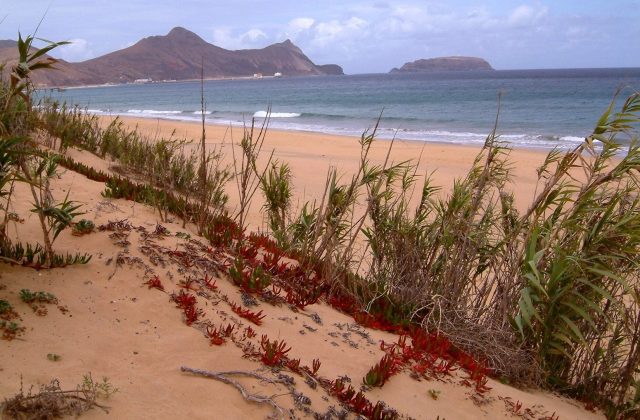
Porto Santo is the small, dry sister island of Madeira, 43 km to the north-east, with a 9 km beach of soft golden sand…
20 tours & trips
Portugal · Atlantic Ocean · Nature & wildlife island
Madeira is a steep volcanic island of 741 square kilometres in the Atlantic, nearly 1,000 km south-west of Lisbon, with a mild climate all year. It is an island for walkers: footpaths follow the levadas, old irrigation channels, through a UNESCO-listed laurel forest, and peaks of over 1,800 metres rise straight behind the capital, Funchal.
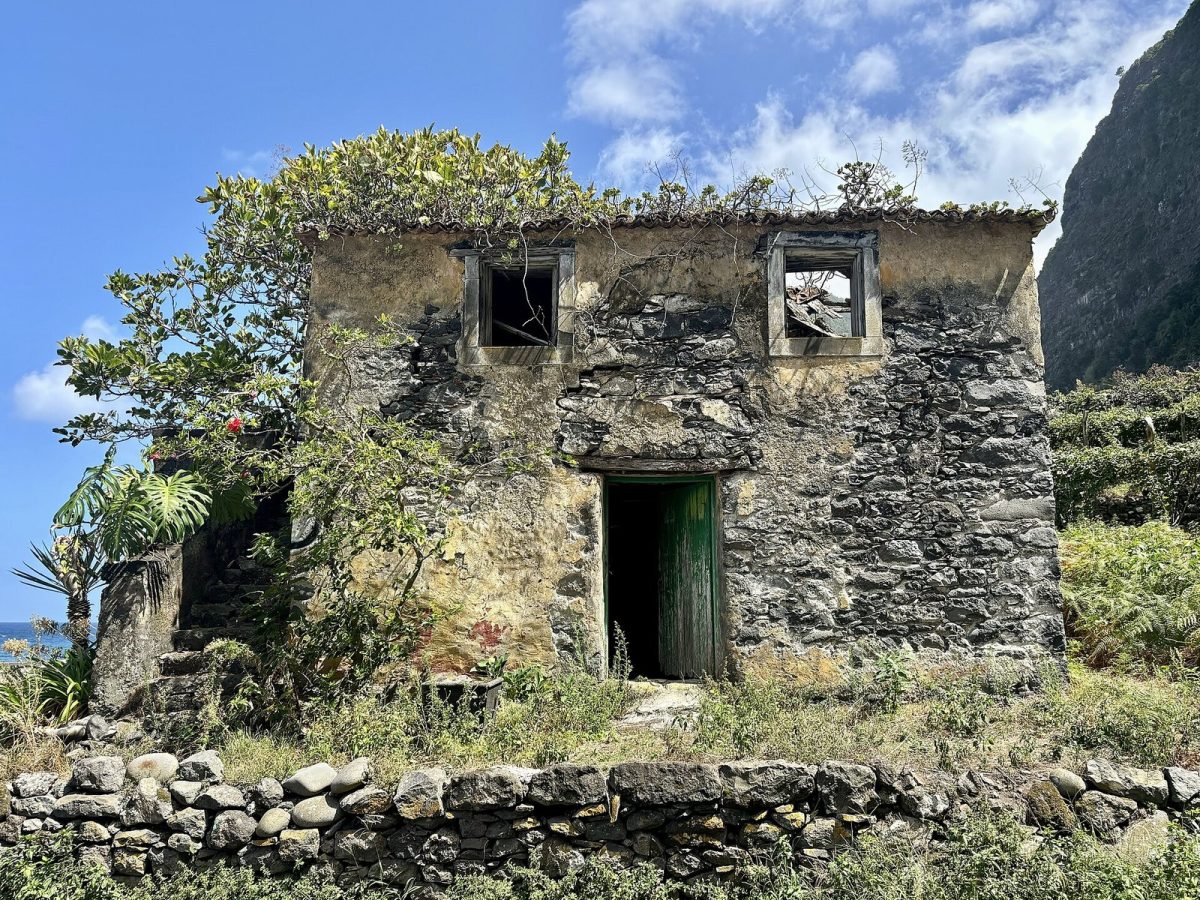
Photo: Frank Kovalchek from USA, CC BY 2.0
| Getting there | Flights to Madeira airport near Funchal from Lisbon (1.5 h), Porto and much of Europe |
|---|---|
| Gateway | Funchal (Madeira airport) |
| Travel time | 1.5 h by air from Lisbon; about 4 h from London |
| Days | A week or more |
| Best months | Mild all year; Apr–Oct driest for levada walks; Sep–Oct warmest sea |
| Getting around | Rent a car for the mountains; buses from Funchal; taxis or tours for linear walks |
| Booking | Rooms for New Year and the Flower Festival; car hire and guided walks ahead |
| Cost | Mid-range; good value for Western Europe |
| Beaches | Few beaches: pebbles, lidos and rock pools; sand at Calheta, Machico and on Porto Santo |
| Sea | Atlantic Ocean |
| Archipelago | Madeira Islands |
| Area | 741 km² |
| Population | 245,595 (2021) |
| Highest point | 1,862 m (Pico Ruivo) |
| Airport | Yes, scheduled flights |
| Car-free | No |
| UNESCO | Laurisilva of Madeira |
| Checked | October 2026 |
Madeira's tours are about getting into the mountains without driving the hairpin roads yourself, and most start with a hotel pickup in Funchal or Caniço.
Island tours by minibus or open 4x4 jeep cover the west or the east in a day. The west loop usually includes the sea cliff at Cabo Girão, the Encumeada pass, the lava rock pools at Porto Moniz and São Vicente; the east takes in Pico do Arieiro, the laurel forest at Ribeiro Frio and the thatched houses of Santana. Jeep versions add forest tracks and sunrise or sunset on Arieiro.
Guided levada walks are the most popular product. A guide and transfer solve the problem that most good walks are linear, start high in the mountains and end far from where you parked; Rabaçal, Caldeirão Verde and the Balcões viewpoint are the classics. Lunch is rarely included, so bring food, water, a waterproof and a torch for tunnels.
On the water, catamaran and small-boat trips from Funchal look for dolphins and whales, which are seen on most outings, while canyoning, paragliding and diving cater for the active. For a first visit, book one island tour and one guided walk, then rent a car.
The capital climbs a bowl of hills above the harbour. Start at the Mercado dos Lavradores for fruit and fish, walk the old quarter with its painted doors, then ride the cable car up to Monte for the tropical gardens and the church. Come down in a wicker toboggan steered by two men in straw hats, a tradition from the 19th century.
The classic mountain walk links the island's third-highest peak, at 1,818 metres, with the highest, Pico Ruivo at 1,862. The stepped path runs along knife-edge ridges and through tunnels for about seven km, three hours or more one way. Go early, before cloud fills the valleys, and check that the route is open, as rockfalls close sections.
On the high Paul da Serra plateau in the west, a side road drops to Rabaçal, where levada paths lead into a valley of laurel forest. The walk to 25 Fontes, a pool fed by dozens of falling springs, takes about two hours there and back, and the Risco waterfall is a short detour. It is the busiest trail on the island, so start early.
West of Funchal, Câmara de Lobos is a fishing harbour of painted boats where Churchill sat and painted in 1950; try poncha, the local drink of sugar-cane spirit, honey and lemon. A few minutes further on, Cabo Girão is one of the highest sea cliffs in Europe at about 580 metres, with a glass-floored platform over the drop.
At the north-west tip, Porto Moniz has natural pools formed in black lava, filled by the sea and safe for swimming. The coast road east passes waterfalls and São Vicente, with its volcanic caves, on the way to the triangular thatched houses of Santana. The north is greener, wetter and wilder than the south, and makes a good full-day drive.
Our pick for each kind of trip, with live dates and prices. Free cancellation on most.
Best for: First visit: around the island in a day
A guided full day linking the sea cliffs, mountain passes and the north coast, a good overview before you explore on foot or by car.
Madeira Airport, also named after Cristiano Ronaldo, lies on the south-east coast about 20 minutes by road from Funchal. Its runway, extended over the sea on tall columns, is known for crosswinds, and flights are sometimes diverted when the wind is strong, so leave slack before onward connections.
There are flights of about an hour and a half from Lisbon and Porto all year, and direct flights from London, Germany, the Netherlands and much of Europe in three to four hours. Airport buses and taxis run into Funchal. A ferry sails to Porto Santo on most days, taking about two and a half hours, and cruise ships dock right beside central Funchal.
Renting a car gives the most freedom: fast roads and tunnels run along the south coast and across the island, but the old mountain roads are steep and narrow, so choose a car with a decent engine. Parking in central Funchal is tight. Buses link Funchal with most villages, though services to the north and the trailheads are infrequent. Taxis are reasonable for one-way walks, and organised walks solve the logistics of linear levada routes.
Madeira is mild all year, with daytime temperatures of about 19 degrees in winter and 25 in summer on the south coast, and a sea of about 18 to 24 degrees. The south, around Funchal, is sunnier and drier than the north, and the mountains are often in cloud by midday, so start walks early. April to October is the best time for hiking, with the driest trails; September and October bring the warmest sea.
Winter is busy rather than quiet, with northern Europeans escaping the cold, more rain and occasional landslides that close paths. The New Year fireworks over Funchal bay fill every hotel months ahead, and the Flower Festival in spring and Carnival are lively times to come. A week is the minimum for walking.
Funchal is the obvious base, with the most hotels, restaurants and bus connections and the airport 20 minutes away; the hotel zone west of the centre has seawater lidos, and the old town suits evenings out. Caniço and Garajau to the east are quieter, with diving. Calheta and Ponta do Sol in the sunny south-west suit a slower stay, and the north coast around São Vicente and Porto Moniz is for walkers who want to start at the trailheads.
Madeira was uninhabited when Portuguese sailors claimed it around 1419, and settlers named it after the dense wood, madeira, that covered it. They burned much of the forest, cut the first levadas to carry water from the wet north to the sunny south and grew sugar with enslaved labour. From the 17th century the fortified Madeira wine, aged by the heat of long voyages, made the fortunes of British merchant families in Funchal. Tourism began with Victorian invalids wintering here and grew after the airport opened in 1964. Since 1976 the islands have been an autonomous region.
Porto Santo, the archipelago's second inhabited island, is about two and a half hours away by ferry or 15 minutes by air, and has the long sandy beach Madeira lacks. Lisbon is an hour and a half away by air, so a week on Madeira pairs well with a few days in the capital. The uninhabited Desertas islands can be seen on boat trips from Funchal.
Flights to Madeira airport near Funchal from Lisbon (1.5 h), Porto and much of Europe.
From Funchal (Madeira airport): 1.5 h by air from Lisbon; about 4 h from London.
A week or more.
Mild all year; Apr–Oct driest for levada walks; Sep–Oct warmest sea.
Rent a car for the mountains; buses from Funchal; taxis or tours for linear walks.
Go if you want mountain and levada walks, a mild climate in any month and a pleasant small capital. Skip it or choose Tenerife or the Algarve if a long sandy beach matters more to you than scenery.
Mid-range; good value for Western Europe.
Few beaches: pebbles, lidos and rock pools; sand at Calheta, Machico and on Porto Santo.
Rooms for New Year and the Flower Festival; car hire and guided walks ahead.
Yes. Boat trips, guided tours and day trips for Madeira can be booked online; live prices and free cancellation on most are shown on this page.
Madeira Islands, Portugal
Porto Santo is the small, dry sister island of Madeira, 43 km to the north-east, with a 9 km beach of soft golden sand…
20 tours & trips
Madeira Islands, Portugal
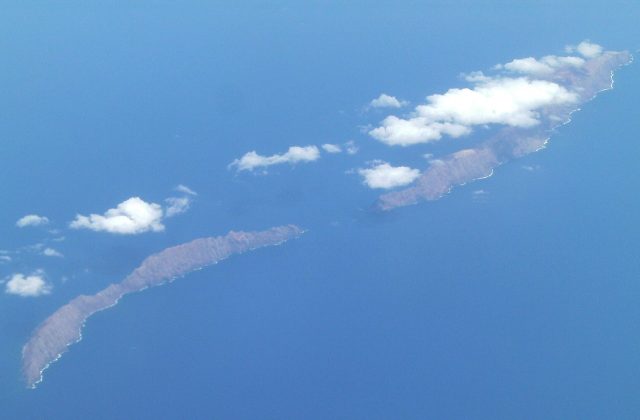
The Desertas Islands are three long, bare volcanic ridges about 25 km south-east of Madeira, a strict nature reserve…
3 tours & trips