Gozo
Maltese Islands, Malta
Gozo is Malta's green and rural second island, 67 square kilometres of flat-topped hills, stone villages and sea…
202 tours & trips
Malta · Mediterranean Sea · Historic island
Malta is the largest of the Maltese Islands, 27 km long and only 246 square kilometres, between Sicily and North Africa. It packs in Valletta, a fortified capital that is a UNESCO site, stone temples older than the pyramids, a medieval hill town and clear water for diving, all within an hour's drive.
Photo: Frank Vincentz, CC BY-SA 3.0
| Getting there | Flights from across Europe to Malta airport; catamaran from Pozzallo in Sicily in about 1 h 45 min |
|---|---|
| Gateway | Malta airport (Luqa), or Pozzallo in Sicily |
| Travel time | About 3 h by air from London; 1 h 45 min by sea from Sicily |
| Days | 3 to 5 nights |
| Best months | Apr–Jun and Sep–Oct; Jul–Aug hot and crowded; mild but windy in winter |
| Getting around | Buses cover the island; ferries across the harbour; car optional, drive on the left |
| Booking | Hypogeum tickets weeks ahead; summer rooms early; Comino boats a day ahead |
| Cost | Mid-range for southern Europe |
| Beaches | Few sandy beaches: Golden Bay and Mellieha Bay; elsewhere swim from rocks and lidos |
| Sea | Mediterranean Sea |
| Archipelago | Maltese Islands |
| Area | 246 km² |
| Population | 357,000 |
| Highest point | 253 m (Ta' Dmejrek) |
| Airport | Yes, scheduled flights |
| Car-free | No |
| UNESCO | City of Valletta; Megalithic Temples of Malta; Hal Saflieni Hypogeum |
| Checked | October 2026 |
Malta is small, so most trips are short and many combine several sights.
Boat trips are the most popular. Catamarans and smaller boats leave Sliema, Bugibba and Mellieha for the Blue Lagoon on Comino, usually with stops at caves and bays and sometimes Gozo; drinks and lunch may or may not be included, and the lagoon itself is crowded at midday in summer. Grand Harbour cruises from Sliema show the fortifications from the water, and private boats and sunset cruises are widely sold.
On land, guided day tours cover the south, with the Blue Grotto, the temples of Hagar Qim and Mnajdra and the fishing village of Marsaxlokk, or Mdina and Rabat with the catacombs. Full-day trips to Gozo by ferry are sold with a guide and transport. There is a hop-on hop-off bus, a multisite heritage pass, and day trips by catamaran to Sicily.
Diving is a strength: centres around St Paul's Bay and Mellieha run try-dives and courses on wrecks and reefs.
For a first visit, walk Valletta on your own, take one guided day to the south and Mdina, and book a boat to Comino.
The capital is a grid of honey-coloured streets on a peninsula, built by the Knights of St John after 1565 and enclosed by massive bastions. Visit St John's Co-Cathedral, with its gilded interior and two paintings by Caravaggio, and the Grand Master's Palace. At noon, the cannon fires from the Saluting Battery above the Upper Barrakka Gardens, overlooking the Grand Harbour.
The old capital stands on a ridge in the centre of the island, about 20 minutes by road from Valletta: a walled town of quiet lanes, palaces and a cathedral, with wide views from the bastions. Next door, Rabat has the catacombs of St Paul, a maze of early Christian tombs, and good pastry shops for the local pastizzi.
Across the Grand Harbour from Valletta, Birgu, Senglea and Cospicua were the Knights' first base and saw the Great Siege of 1565. Cross by small ferry or by a traditional water taxi, then walk to Fort St Angelo at the tip of Birgu and the lookout at the end of Senglea, which gives the classic view back to the capital.
On the south coast, the temples of Hagar Qim and Mnajdra were built of huge limestone blocks more than 5,000 years ago and sit on a cliff above the sea. A few minutes away, small boats from Wied iz-Zurrieq visit the Blue Grotto and other sea caves when the water is calm, best in the morning light.
This fishing village on a wide bay is filled with brightly painted boats with eyes on the bow. The Sunday market sells fish and local produce, and the waterfront restaurants serve the catch. Nearby, the rock pool of St Peter's Pool is a popular place to swim and jump from the flat rocks on calm days.
Our pick for each kind of trip, with live dates and prices. Free cancellation on most.
Best for: First visit, the south and Mdina
Combines the sea caves of the Blue Grotto, the prehistoric temples of Hagar Qim, the cliffs of Dingli and the old capital Mdina in a single guided day.
Malta International Airport at Luqa is about 8 km from Valletta and handles almost all visitors. Flights arrive from across Europe all year, around three hours from London, and from North Africa and the Middle East; in summer there are many extra low-cost routes. Buses and taxis link the airport with Valletta, Sliema and St Julian's.
By sea, high-speed catamarans run from Pozzallo in Sicily to Valletta in about an hour and three-quarters, daily for most of the year and more often in summer; they carry cars and suit travellers combining Malta with Sicily. Crossings can be cancelled in strong winds. Malta is a major cruise stop, and ships berth at the Valletta Waterfront below the bastions, from where a lift climbs to the city. Gozo is reached by ferry from Cirkewwa in about 25 minutes.
The public bus network covers the whole island from the terminus outside Valletta's city gate; buses are cheap and frequent but slow in traffic, and a rechargeable card saves money. Small ferries cross from Valletta to Sliema and to the Three Cities in a few minutes. Traffic is heavy and parking hard in the harbour towns, so a rental car is useful mainly for the north and the coast; driving is on the left. Ride-hailing cars are common and cheap.
Malta is sunny for most of the year. April to June is ideal for sightseeing, with warm days, wild flowers in spring and the sea warm enough for swimming from late May. July and August are hot, often over 30 degrees, humid and crowded, with the sea around 26 degrees; this is the season of village festas, with processions, brass bands and fireworks on summer weekends.
September and October are excellent, with a warm sea and fewer people, though a few heavy storms can arrive in autumn.
Winter, from November to March, is mild, typically 14 to 17 degrees, with rain and strong winds on some days and rough seas that can cancel boat trips. Most sights stay open and prices are low, making it good for history and walking. Carnival in February is lively in Valletta and Gozo. Three to five nights cover Malta, with a day on Gozo.
Valletta is the most atmospheric base, compact and walkable, with sights, restaurants and buses on the doorstep, though rooms are small and pricey. Sliema has the most hotels, a seafront promenade and ferries to Valletta. St Julian's and Paceville are the nightlife centre. St Paul's Bay and Bugibba are cheaper, family-friendly and close to the dive sites. Mellieha, in the north, has the best sandy beach and suits those heading to Comino and Gozo.
Malta's story is written in stone. Farmers built the megalithic temples from about 3600 BC, and the underground Hypogeum was carved soon after. Phoenicians, Romans, Arabs and Normans followed; tradition says St Paul was shipwrecked here in AD 60. In 1530 the Knights of St John arrived, resisted the Ottoman Great Siege of 1565 and built Valletta. Napoleon took the island in 1798, and Britain ruled from 1800, using it as a naval base. Malta was heavily bombed in the Second World War, became independent in 1964 and joined the European Union in 2004.
Gozo is the obvious pairing, 25 minutes by ferry from Cirkewwa or about 45 minutes by fast ferry from Valletta, greener and slower, worth a day or a few nights. Comino, with the Blue Lagoon, sits between them. Sicily is less than two hours away by catamaran, so Malta combines well with a trip to Syracuse, Ragusa or Mount Etna.
Flights from across Europe to Malta airport; catamaran from Pozzallo in Sicily in about 1 h 45 min.
From Malta airport (Luqa), or Pozzallo in Sicily: about 3 h by air from London; 1 h 45 min by sea from Sicily.
3 to 5 nights.
Apr–Jun and Sep–Oct; Jul–Aug hot and crowded; mild but windy in winter.
Buses cover the island; ferries across the harbour; car optional, drive on the left.
Go if you want history at every turn, excellent diving and easy short distances, with English widely spoken. Skip it or choose Sardinia or Gozo if you are after long sandy beaches, open countryside or quiet in summer.
Mid-range for southern Europe.
Few sandy beaches: Golden Bay and Mellieha Bay; elsewhere swim from rocks and lidos.
Hypogeum tickets weeks ahead; summer rooms early; Comino boats a day ahead.
Yes. Boat trips, guided tours and day trips for Malta can be booked online; live prices and free cancellation on most are shown on this page.
Maltese Islands, Malta
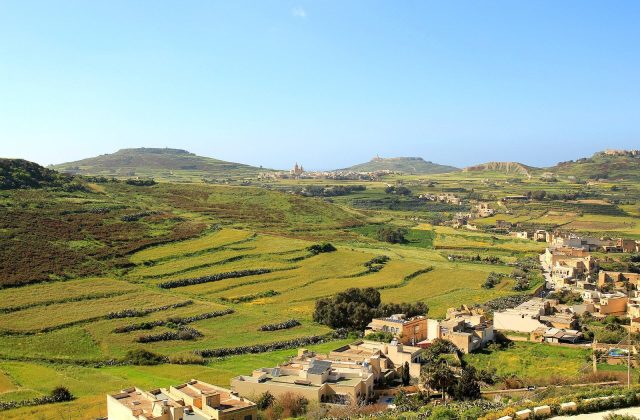
Gozo is Malta's green and rural second island, 67 square kilometres of flat-topped hills, stone villages and sea…
202 tours & trips
Maltese Islands, Malta
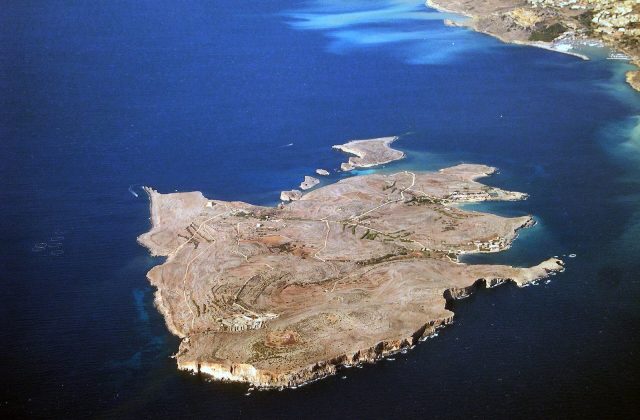
Comino is the tiny, almost uninhabited island between Malta and Gozo, just 3.5 square kilometres of rock, scrub and…
198 tours & trips
Maltese Islands, Malta
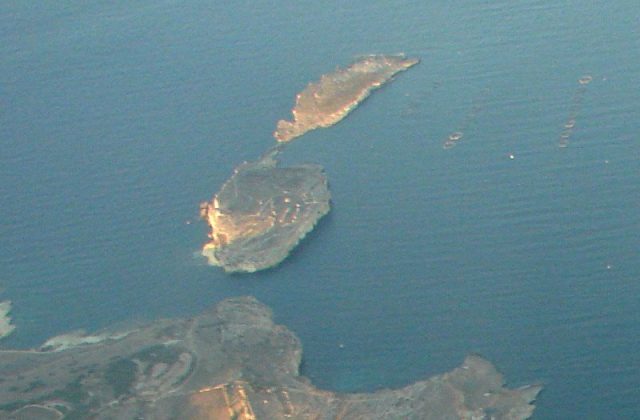
St Paul's Islands are a pair of bare limestone islets off the Selmun headland at the mouth of St Paul's Bay…
No tours listed