Brazil · Atlantic Ocean · Nature & wildlife island
Marajó
Marajó is the vast island at the mouth of the Amazon, about 40,000 square kilometres of savannah, mangrove and seasonally flooded fields, roughly the size of Switzerland. Visitors come for the water buffalo that pull carts through the streets of Soure, wide empty beaches on the river mouth and the pottery of a culture that thrived here for over a thousand years.
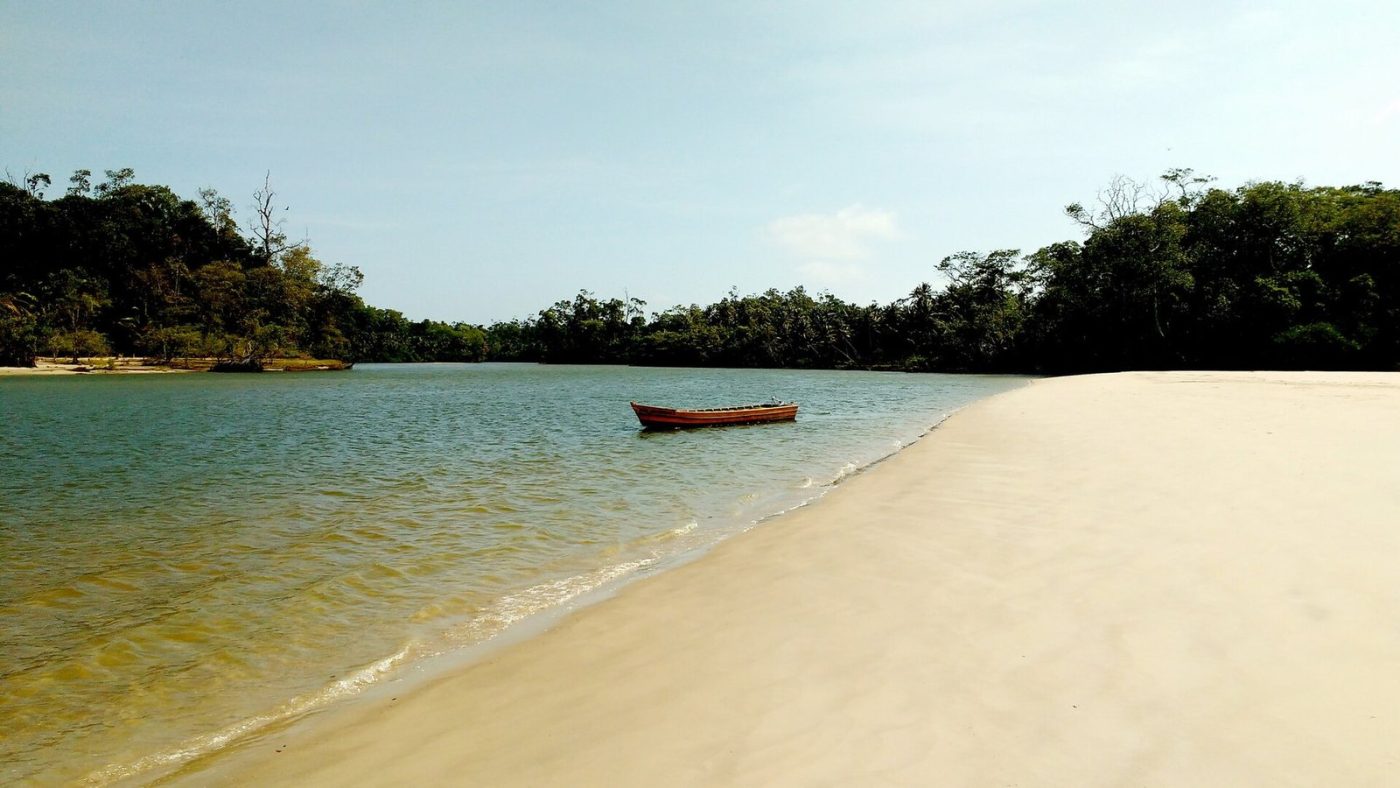
Photo: Just a Brazilian man from Brazil, CC BY 2.0
At a glance
| Getting there | Boat from Belém to Camará in about 3 h, then road and a short river crossing to Soure |
|---|---|
| Gateway | Belém (boat to Camará) |
| Travel time | 3 to 4 h by boat and road to Soure |
| Days | 1 to 2 nights |
| Best months | Jul–Dec drier and best for beaches; Jan–Jun rainy, with flooded fields |
| Getting around | Bikes, moto-taxis and vans around Soure and Salvaterra; farms by tour or transfer |
| Booking | Boat seats and rooms for July and holidays; farm visits a few days ahead |
| Cost | Cheap by Brazilian standards |
| Beaches | Wide river-mouth beaches of pale sand and brown water: Pesqueiro, Barra Velha and Araruna near Soure |
| Sea | Atlantic Ocean |
| Archipelago | Marajó Archipelago |
| Area | 40,100 km² |
| Population | 419,744 (2022) |
| Highest point | 19 m |
| Car-free | No |
| Checked | October 2026 |
Tours and day trips: what to book
Most tours to Marajó start in Belém and solve the main difficulty of the trip, which is the chain of transport: an early boat across the bay, a van across the east of the island and a small ferry over the river to Soure.
Day trips leave Belém before dawn and return late in the evening. They include the boat, road transfers and a guide, and usually a visit to a buffalo farm or a ride on a buffalo, a walk on a beach such as Pesqueiro and lunch with buffalo meat and cheese; drinks and some entry fees are extra. With six or more hours of travel, they suit people with no time rather than people who want to see the island.
Multi-day packages of two to four days add rooms in Soure or Salvaterra and more time on farms, in the mangroves and on the beaches, sometimes with a canoe trip along a creek to look for scarlet ibis and monkeys. Once on the island, short local tours of Soure cover the town, its pottery workshops, a carimbó dance show and the beach at Barra Velha.
The best plan for most visitors is at least one night: travel on a package or independently, then book farm visits and boat trips through your guesthouse.
What to see and do on Marajó
Soure and its buffalo
The main town of the island sits on the bank of the Paracauari River, a grid of wide, grassy streets shaded by mango trees. Water buffalo are everywhere: grazing on the verges, pulling carts and even carrying the military police on patrol. Visit the workshops where potters copy the old Marajoara patterns, and try buffalo cheese and steak in the restaurants.
A working buffalo farm
The east of Marajó is ranch country, divided into huge fazendas, some of which open to visitors. A visit usually includes riding a buffalo, watching milking or cheese-making and a walk or canoe trip through the farm's mangroves and creeks, where scarlet ibis, herons and caimans live. Some farms near Soure take day visitors; others are overnight stays reached by boat or dirt road.
Praia do Pesqueiro
About 10 km north of Soure, Pesqueiro is the island's best-known beach: a wide strand of pale sand facing the open mouth of the Amazon, where the water is fresh or brackish depending on the tide and the season. Wooden huts serve fried fish and crab. At low tide the beach is enormous; check the tides and come by moto-taxi or bike.
Barra Velha and the mangroves
Closer to town, Barra Velha is reached on a path through the mangroves, a good chance to see the tangled roots, fiddler crabs and wading birds at close range. The beach is quieter than Pesqueiro and usually has a shack or two open at weekends. Araruna, further on, is wilder still, and reaching it depends on the tide, so ask locally before setting out.
Salvaterra and Joanes
Across the river from Soure, Salvaterra is a quieter town with the long Praia Grande on the bay and simple guesthouses. A short drive south, the fishing village of Joanes has the stone ruins of a church built by missionaries in colonial times and a calm beach with wooden boats pulled up on the sand. Both lie on the road from the boat landing at Camará.
Marajó tours: which one for you
Our pick for each kind of trip, with live dates and prices. Free cancellation on most.
Best for: First visit, a day from Belém
Covers the boat crossing, road transfers and a guide in Soure, so you see the town, a beach and the buffalo without working out the connections yourself.
- More time: 2 to 4 days with rooms: Belem 2 3 or 4 day marajo island excursion with lodging Nights on the island leave time for a buffalo farm, mangrove walks and the beaches at low tide, with transfers and lodging arranged in advance.
- Already in Soure: town and beach: Marajo island city tour in soure and barra velha beach A short local outing around Soure and out to the long beach at Barra Velha, useful if you came on your own and want a guide for a few hours.
How to get to Marajó
There is no bridge, and only small air-taxi planes use the island's airstrips, so almost everyone arrives by boat from Belém. Passenger boats leave from the river terminal in the city for Camará, the landing on the east coast, in about three hours; a car ferry from Icoaraci, north of Belém, is the way to bring a vehicle. Boats run daily, more often at weekends and in July, the main Brazilian holiday month, but some days have only one departure each way, so check the schedule in Belém and buy tickets a day ahead. From Camará, vans and buses wait for the boat and take about 40 minutes to Salvaterra, where a small ferry or canoe crosses the river to Soure in a few minutes. Day visitors must catch the afternoon boat back.
Getting around
Soure and Salvaterra are flat and compact, so walking, cycling and moto-taxis cover most needs. Bicycles can be hired in Soure and are the classic way to ride out to the beaches, and moto-taxis are cheap and everywhere. Roads cover only the east of the island; the interior is a mosaic of private farms, creeks and seasonal floods, visited with a guide or a farm transfer. After rain, dirt roads turn to deep mud.
When to go
Marajó has two seasons rather than four. From July to December the weather is drier, the fields dry out, the beaches are at their widest and wildlife gathers around the remaining water, which makes it easier to see. July is the Brazilian school holiday and the busiest month, with full boats and higher prices at weekends; September to November is quieter and hot, with temperatures around 30 degrees most days.
From January to June it rains heavily, often every afternoon. The savannah floods, buffalo stand knee-deep in water, some farm roads become impassable and the river runs high and brown, so swimming is less pleasant. It is green and atmospheric, but plan on fewer activities, and expect more mosquitoes. Carnival and Easter bring crowds from Belém. One or two nights let you see Soure, a beach and a farm; a longer stay suits a farm in the interior.
Where to stay
Soure is the best base for a first visit: the most guesthouses and small hotels, the restaurants, bike hire and the shortest rides to Pesqueiro and Barra Velha. Salvaterra, across the river, is quieter and slightly cheaper, with a long town beach and a few resort-style hotels. Joanes suits those who want a fishing village by the water and little else. For wildlife, spend a night or two on a working farm, where meals and excursions are part of the stay.
History and character
Long before Europeans arrived, Marajó was home to the Marajoara culture, which flourished from around 400 BC to 1600 AD. Its people raised earth mounds above the flood line for houses and burials, and made painted funeral urns with intricate geometric designs, now displayed in museums in Belém and copied by the island's potters today. The Portuguese took control in the seventeenth century, missionaries founded villages, and the land was divided into vast cattle ranches. Water buffalo, introduced in the late nineteenth century, coped better with the floods than cattle and became the island's emblem. Marajó remains rural, poor and lightly touched by tourism.
Combine it with
Marajó is a side trip from Belém, the gateway to the eastern Amazon, which deserves two days of its own for the Ver-o-Peso market, the restored docks and the city's food. The river island of Combu, about 15 minutes by boat from Belém, makes an easy afternoon of forest creeks and small chocolate makers. Further west, river boats head up the Amazon to Santarém and Alter do Chão, a journey of several days.
Frequently asked questions
How do I get to Marajó?
Boat from Belém to Camará in about 3 h, then road and a short river crossing to Soure.
How long does it take to get to Marajó from Belém (boat to Camará)?
From Belém (boat to Camará): 3 to 4 h by boat and road to Soure.
How many days do you need on Marajó?
1 to 2 nights.
When is the best time to visit Marajó?
Jul–Dec drier and best for beaches; Jan–Jun rainy, with flooded fields.
Do I need a car on Marajó?
Bikes, moto-taxis and vans around Soure and Salvaterra; farms by tour or transfer.
Is Marajó worth a day trip?
Go if you want buffalo farms, mangroves, scarlet ibis and Amazon beaches within a boat ride of Belém. Skip it or stay in Belém if you want clear blue sea, polished hotels or a short, predictable journey.
Is Marajó expensive?
Cheap by Brazilian standards.
What are the beaches like on Marajó?
Wide river-mouth beaches of pale sand and brown water: Pesqueiro, Barra Velha and Araruna near Soure.
What should I book ahead for Marajó?
Boat seats and rooms for July and holidays; farm visits a few days ahead.
Can I book tours and day trips to Marajó online?
Yes. Boat trips, guided tours and day trips for Marajó can be booked online; live prices and free cancellation on most are shown on this page.