Rodrigues
Mascarene Islands, Mauritius
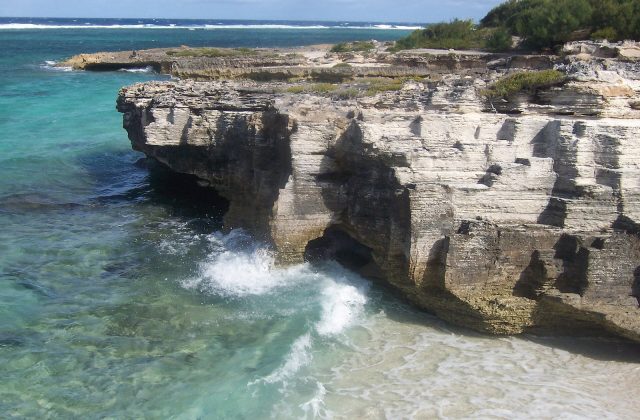
Rodrigues is a small, hilly island of the Mascarenes, about 560 km east of Mauritius, surrounded by a reef lagoon…
3 tours & trips
Mauritius · Indian Ocean · Beach island
Mauritius is a volcanic island in the Indian Ocean, about 2,000 km off the coast of Africa and east of Madagascar, almost entirely ringed by a coral reef that shelters calm turquoise lagoons. Behind the beaches rise jagged green mountains, sugar-cane fields and Hindu temples, the mark of a mixed Indian, African, French and Chinese population.
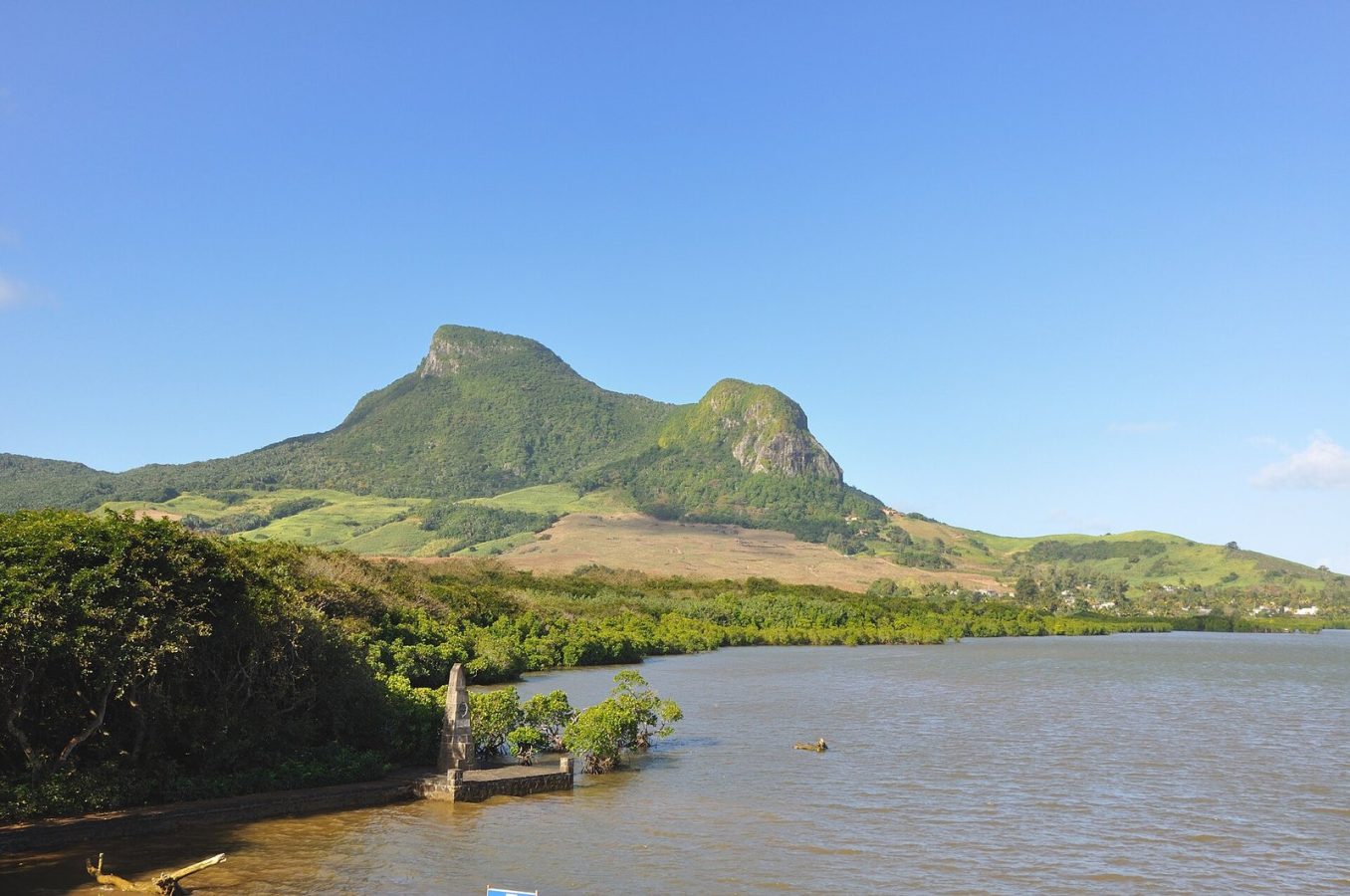
Photo: Simisa (talk · contribs), CC BY-SA 3.0
| Getting there | Long-haul flights to the airport at Plaisance from Europe, Dubai, Johannesburg and India |
|---|---|
| Gateway | Mauritius airport (Plaisance) |
| Travel time | About 12 h from Paris or London; 4 h from Johannesburg |
| Days | A week or more |
| Best months | May–Dec dry and cooler; Sep–Nov ideal; cyclone risk Jan–Mar |
| Getting around | Rent a car (drive on the left) or hire a taxi for the day; cheap but slow buses |
| Booking | Resorts months ahead for Christmas and Easter; catamaran trips a few days ahead |
| Cost | Expensive; resorts dear, local food and buses cheap |
| Beaches | White sand on reef-sheltered lagoons: Belle Mare, Trou aux Biches, Le Morne, Blue Bay |
| Sea | Indian Ocean |
| Archipelago | Mascarene Islands |
| Area | 2,040 km² |
| Population | 1.3 million (2017) |
| Highest point | 828 m (Piton de la Petite Rivière Noire) |
| Airport | Yes, scheduled flights |
| Car-free | No |
| UNESCO | Aapravasi Ghat; Le Morne Cultural Landscape |
| Checked | October 2026 |
Most of what is sold in Mauritius happens in the lagoon, and nearly all trips include hotel pickup, which matters because resorts are spread around the coast.
The classic is the east-coast catamaran day to Île aux Cerfs, a small island of white beaches in a wide lagoon, usually with a speedboat stop at the Grande Rivière Sud-Est waterfall, snorkelling and a barbecue lunch with drinks on board. The island itself gets crowded, so a boat that anchors elsewhere for lunch is a plus. In the north, catamarans sail from Grand Baie to Gabriel Island and Flat Island; in the south-east, glass-bottom boats work the Blue Bay marine park.
On the west coast, early boats from Tamarin and Black River take visitors to see spinner and bottlenose dolphins and, from July to October, humpback whales. Choose an operator that does not chase the animals.
Land tours by minibus or private car cover the south-west in a day: the crater at Curepipe, the sacred lake of Grand Bassin, Black River Gorges and the coloured earths and waterfall of Chamarel, with lunch and entry fees often included. Guided hikes up Le Morne, sea walking, submarine trips and deep-sea fishing complete the list. For a first visit, book one catamaran day and one southern island tour.
Off Trou d'Eau Douce, the east coast's lagoon is at its widest, and Île aux Cerfs has long white beaches, water sports and a golf course. Come with a catamaran trip or take the short shuttle boat from the village, and walk past the busy beach near the jetty to find quiet sand. The long beaches of Belle Mare and Palmar face the same lagoon.
The basalt mountain on the south-west tip rises 556 metres above a lagoon full of kitesurfers. Escaped slaves hid on its cliffs, and it is now a UNESCO-listed memorial to them. A guided hike of three to four hours climbs through forest to a cross with views over the reef and the famous underwater waterfall illusion; the final section is a steep scramble.
In the hills of the south-west, the Seven Coloured Earths of Chamarel are dunes of red, purple and ochre volcanic soil, with a waterfall of about 100 metres nearby and a rum distillery for tastings. The road continues through Black River Gorges National Park, the largest area of native forest, with viewpoints, marked trails and a chance of pink pigeons and fruit bats.
Grand Bassin, a crater lake in the central highlands, is the holiest Hindu site on the island, with temples and giant statues of Shiva and Durga at its entrance; at Maha Shivaratri, in February or March, huge numbers of pilgrims walk here. Nearby Curepipe has Trou aux Cerfs, an extinct crater with a road around the rim and views to the coast.
The capital on the north-west coast is noisy and hot but the most Mauritian place on the island. Eat street food such as dholl puri at the central market, see Aapravasi Ghat, the UNESCO-listed depot through which indentured labourers arrived from India, and finish on the Caudan waterfront. The Pamplemousses botanical garden, with its giant water lilies, is 20 minutes north.
Our pick for each kind of trip, with live dates and prices. Free cancellation on most.
Best for: First visit: Île aux Cerfs by catamaran
A day on the wide east-coast lagoon with snorkelling, a waterfall stop and a grilled lunch on board, the outing most first-timers want.
Sir Seewoosagur Ramgoolam International Airport, at Plaisance in the south-east, is the only international gateway. Direct flights take about 11 to 12 hours from Paris and London, around six and a half from Dubai and about four from Johannesburg, and there are links with India and the other Gulf hubs; Réunion is 45 minutes away.
Most resorts arrange transfers, and the drive takes from 20 minutes to Blue Bay to about an hour and a half to Grand Baie or the west coast, longer at rush hour. A ship sails now and then to Rodrigues and Réunion, but flying is far quicker. Cruise ships dock in Port Louis.
Driving is on the left, roads are mostly good and a motorway runs from the airport through the centre to Port Louis and Grand Baie, though traffic around the capital is heavy at rush hour. Renting a car gives the most freedom; many visitors instead hire a taxi with a driver for the day, agreeing the price first. Buses reach almost every village and are very cheap but slow, and stop early in the evening. A light railway links Port Louis with Curepipe.
Mauritius lies in the southern hemisphere, so its seasons are the reverse of Europe's. The winter, from May to October, is dry and cooler, with days around 24 degrees, chilly nights in the highlands and strong trade winds on the east and south coasts, which suit kitesurfers; the sheltered north and west are better for swimming then. September to November is often the best time overall: dry, warm and clear for diving.
From December to April the summer is hot and humid, with the warmest sea, around 28 degrees, and heavy showers. Cyclones are possible from January to March; most years none hits directly, but a passing storm can mean several days of rain. Christmas, New Year and the French school holidays are peak times for prices. A week covers a beach and two or three trips.
Choose your coast by season and mood. The north around Grand Baie and Trou aux Biches has the most restaurants, nightlife and boat trips, with sheltered water all year. The east, from Belle Mare to Trou d'Eau Douce, has long beaches and large resorts but catches the trade wind in winter. The west around Flic en Flac and Tamarin has the sunsets and the dolphins, and the south-west at Le Morne suits kitesurfers. The wild south has few hotels.
Mauritius was uninhabited when Arab and Portuguese sailors passed it, and the Dutch took possession in 1598, naming it after Prince Maurice of Nassau; by the time they left, the dodo had been hunted to extinction. The French made it a sugar colony worked by enslaved Africans, and the British took it in 1810. After slavery ended in 1835, nearly half a million indentured labourers came from India through Aapravasi Ghat, and their descendants are now the majority. Independence came in 1968, and Creole, French and English are all spoken.
Réunion, the French island next door, is 45 minutes away by air and has superb volcanic hiking. Rodrigues, part of Mauritius, is about an hour and a half away by air, a quiet island of lagoons and fishing villages. The Seychelles and Madagascar are a few hours away by air, and many visitors stop in Dubai on the way.
Long-haul flights to the airport at Plaisance from Europe, Dubai, Johannesburg and India.
From Mauritius airport (Plaisance): about 12 h from Paris or London; 4 h from Johannesburg.
A week or more.
May–Dec dry and cooler; Sep–Nov ideal; cyclone risk Jan–Mar.
Rent a car (drive on the left) or hire a taxi for the day; cheap but slow buses.
Go if you want calm lagoons, good resorts, warm sea and a lively mix of cultures and food. Skip it or choose the Seychelles if you want granite beaches and wilder islands, or Zanzibar if your budget is tighter.
Expensive; resorts dear, local food and buses cheap.
White sand on reef-sheltered lagoons: Belle Mare, Trou aux Biches, Le Morne, Blue Bay.
Resorts months ahead for Christmas and Easter; catamaran trips a few days ahead.
Yes. Boat trips, guided tours and day trips for Mauritius can be booked online; live prices and free cancellation on most are shown on this page.
Mascarene Islands, Mauritius
Rodrigues is a small, hilly island of the Mascarenes, about 560 km east of Mauritius, surrounded by a reef lagoon…
3 tours & trips