Japan · Seas of Japan & Korea · Beach island
Miyakojima
Miyakojima is a flat limestone island of about 159 square kilometres in Okinawa, some 300 km south-west of the main island of Okinawa, known in Japan for some of the clearest water in the country. Long white beaches, sea turtles in the shallows and three long bridges to neighbouring islands make it ideal for a beach break by car.
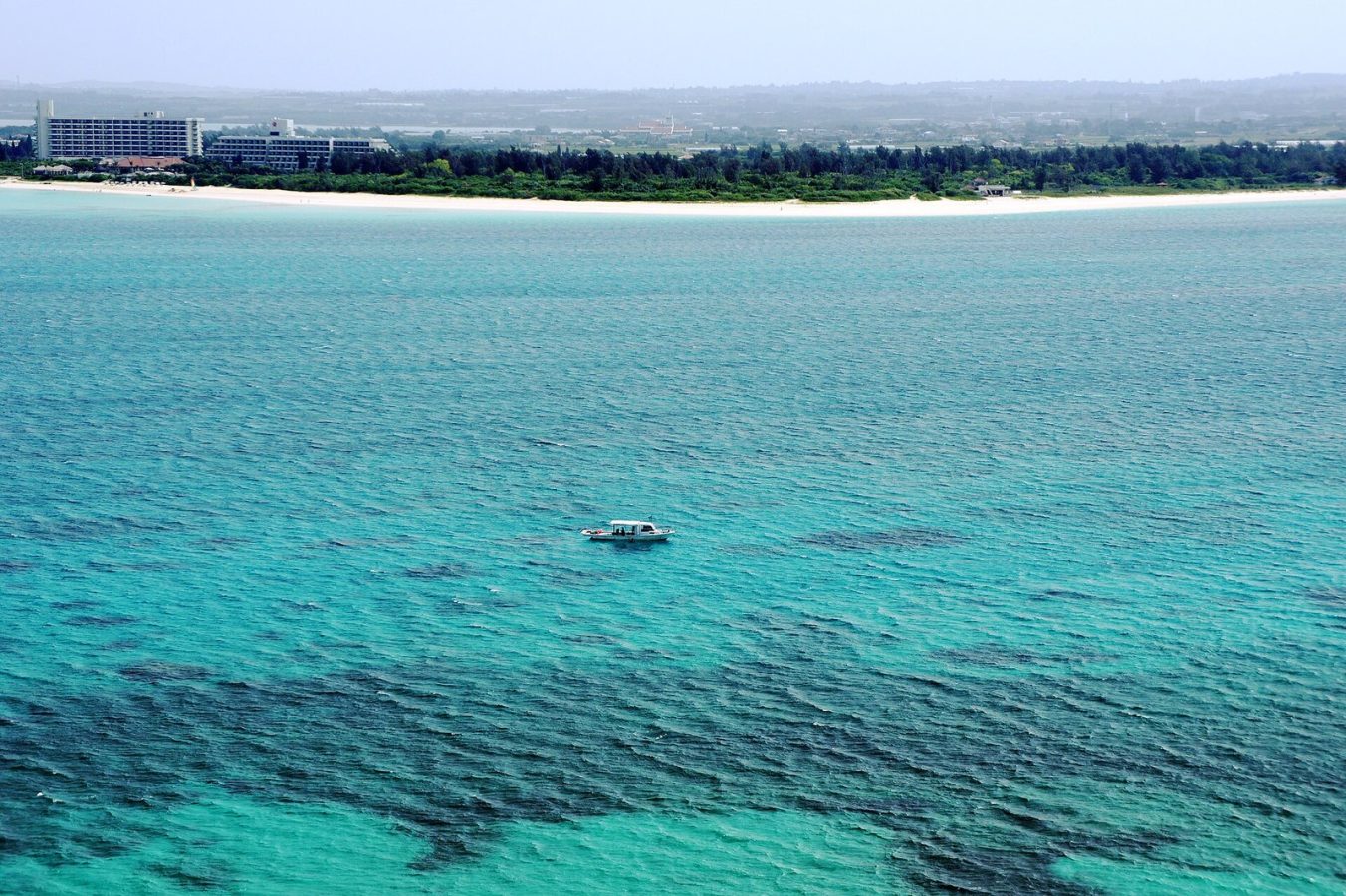
Photo: 663highland, CC BY 2.5
At a glance
| Getting there | Flights from Naha in about 50 min, and direct flights from Tokyo and Osaka; no passenger ferry from Okinawa |
|---|---|
| Gateway | Naha; direct flights from Tokyo or Osaka |
| Travel time | 50 min by air from Naha; about 3 h from Tokyo |
| Days | 3 to 5 nights |
| Best months | Apr–early May and Jul–Oct; rainy season mid-May–Jun; typhoons Aug–Sep |
| Getting around | Rent a car; buses are few; bridges link Ikema, Kurima and Irabu islands |
| Booking | Flights, cars and hotels months ahead for Golden Week and Jul–Aug; tours days ahead |
| Cost | Mid-range for Japan |
| Beaches | Fine white coral sand; Yonaha Maehama is the long beach, Aragusuku and Shigira for snorkelling |
| Sea | Seas of Japan & Korea |
| Archipelago | Miyako Islands |
| Area | 159 km² |
| Population | 47,825 |
| Highest point | 115 m |
| Airport | Yes, scheduled flights |
| Car-free | No |
| Checked | November 2026 |
Tours and day trips: what to book
On Miyakojima almost everything sold is in or on the water, run by small local operators who pick you up from your hotel or meet you at the beach.
The most popular choice is a guided snorkel with sea turtles, which graze in the shallows of several beaches on the south and west coasts; trips last about two hours and include wetsuit, mask and fins. Clear-bottomed SUP and canoe tours paddle the turquoise lagoons, sometimes at sunset, and are offered with photos. A popular combination paddles to Pumpkin Hole, a limestone cave on the shore with a rock formation shaped like a giant pumpkin, usually reached by paddling or swimming, then snorkels nearby. Divers book boat dives on the caverns off Shimoji and Irabu; beginners can try an introductory dive. Night walks in the forest look for coconut crabs and stars.
Most tours include gear, guide and photos; transport is sometimes extra. Bridges link Miyako with Irabu and Ikema, so both are easy to add by car. Rent a car, book a turtle snorkel on a calm morning and explore the beaches on your own.
What to see and do on Miyakojima
Yonaha Maehama Beach
On the south-west coast, about 7 km of fine white sand slopes gently into shallow, clear water facing Kurima Island. It is the island's best swimming beach, with showers and rental shops in summer. Come in the late afternoon for the light and the sunset; the Kurima Bridge starts just to the south.
The bridges to Irabu and Ikema
Three bridges link Miyakojima with its neighbours. The Irabu Bridge, opened in 2015 and about 3.5 km long, is the longest toll-free bridge in Japan; the Ikema Bridge crosses to a small fishing island in the north, and the Kurima Bridge in the south. Driving them is free, and there are viewpoints at each end.
Higashi-hennazaki
The narrow cape at the island's south-eastern tip runs about 2 km into the Pacific, with cliffs on both sides and a white lighthouse at the end. It is a national Place of Scenic Beauty. Climb the lighthouse for views along the coast, and visit in the morning, when the light is behind you.
Shimoji and the Toriike ponds
Across the Irabu Bridge, the flat island of Shimoji has an airport runway whose end overlooks one of the most vivid lagoons in Japan. Nearby, the Toriike are two round ponds connected underground to the sea. Naka-no-shima Beach on Shimoji is a shallow cove for snorkelling, best at high tide.
Sunayama Beach
North of Hirara, a short walk over a steep sand dune leads to a small beach framed by a natural rock arch. It is about 15 minutes' drive from the town centre and best in the evening, when the sun sets beyond the arch. Currents can be strong; swim only in calm conditions and do not climb on the rocks.
Aragusuku and Shigira
The south-east coast has the island's best shore snorkelling. Aragusuku Beach has coral and fish within a few metres of the sand and turtles nearby; Shigira, near the large resort, has a protected reef. Snorkel only on a rising or high tide, wear a vest and avoid the channels where currents flow out.
Miyakojima tours: which one for you
Our pick for each kind of trip, with live dates and prices. Free cancellation on most.
Best for: First visit, swimming with turtles
A guided snorkel off one of the island's beaches where green turtles feed on seagrass close to shore; gear and a guide make it easy for nervous swimmers.
- Caves and snorkelling: Miyako island pumpkin limestone caving snorkeling Combines a visit to the limestone cave known as Pumpkin Hole, usually reached from the sea, with snorkelling on the reef nearby.
- Certified divers: Okinawa miyako island guided boat fun diving tour Boat dives at the caverns and arches around Shimoji and Irabu, the underwater landscape that makes Miyako one of Japan's best-known dive areas.
How to get to Miyakojima
Miyako Airport, just outside Hirara, has flights from Naha on Okinawa Island many times a day, taking about 50 minutes, and direct flights from Tokyo Haneda and Osaka in about two and a half to three hours. A second airport, Shimojishima, on the linked island of Shimoji, has flights from Tokyo and a few other cities, often with low-cost carriers.
There is no regular passenger ferry from Okinawa Island, so fly. From Hirara port, small ferries go on to the neighbouring island of Tarama, and from the east coast a short boat crosses to Ogami. Cruise ships call at Hirara, especially from Taiwan. Bring an international driving permit if you want to rent a car.
Getting around
A rental car is almost essential: the beaches, capes and bridges are spread around the island and linked islands, and buses run infrequently. Book the car with your flight and collect it at the airport. Japan drives on the left, roads are quiet and well kept, and parking at beaches is usually free. Taxis are useful for evenings out in Hirara. Bicycles and scooters suit short trips, though the sun is strong and shade is rare.
When to go
April and early May bring warm, settled days and quieter beaches before the rainy season, which runs from mid-May to the end of June. July to October is the main beach season, with air temperatures of 30 to 32 degrees and the sea at 27 to 29. Typhoons are most likely in August and September and can cancel flights and close beaches for days, so keep plans flexible and buy travel insurance.
Japanese holidays matter: Golden Week in early May, Obon in mid-August and the school holidays in late July and August fill hotels and push up car rental prices. From November to March it is mild, around 18 to 23 degrees, windy and too cool for most swimmers, but prices fall. Three to five nights let you see the main beaches, the bridges and a snorkel tour.
Where to stay
Hirara, the main town on the west coast, has the most hotels in every price range, restaurants, izakaya and bars, and is central for driving anywhere. Around Yonaha Maehama in the south-west are beach resorts and holiday villas. Irabu and Shimoji have newer resorts and villas with lagoon views, close to Shimojishima Airport. The south-east around Ueno and Shigira has a large resort complex and quieter coves.
History and character
Miyakojima was part of the Ryukyu Kingdom, which paid tribute to China and, after 1609, was controlled by the Satsuma domain of southern Japan. From the seventeenth century the islanders paid a heavy head tax, abolished only in 1903; a stone in Hirara is said to have marked the height at which it applied. With no rivers and frequent droughts and typhoons, life was hard, and sugar cane still dominates the fields. The United States administered the island from 1945 to 1972, and tourism grew after the bridges opened.
Combine it with
Ishigaki, 30 minutes by air, is the base for the Yaeyama islands of Iriomote and Taketomi. Okinawa Island, 50 minutes away, has Naha, Shuri Castle and the Churaumi Aquarium. Tarama, a quiet farming island, is a short ferry or flight from Miyakojima. A week can combine Naha, Miyakojima and Ishigaki.
Compare
Frequently asked questions
How do I get to Miyakojima?
Flights from Naha in about 50 min, and direct flights from Tokyo and Osaka; no passenger ferry from Okinawa.
How long does it take to get to Miyakojima from Naha; direct flights from Tokyo or Osaka?
From Naha; direct flights from Tokyo or Osaka: 50 min by air from Naha; about 3 h from Tokyo.
How many days do you need on Miyakojima?
3 to 5 nights.
When is the best time to visit Miyakojima?
Apr–early May and Jul–Oct; rainy season mid-May–Jun; typhoons Aug–Sep.
Do I need a car on Miyakojima?
Rent a car; buses are few; bridges link Ikema, Kurima and Irabu islands.
Is Miyakojima worth a day trip?
Go if you want white beaches, easy snorkelling with turtles and long bridge drives over turquoise water. Skip it or choose Ishigaki if you want jungle, rivers and boat hops to many small islands, or Okinawa Island for history and nightlife.
Is Miyakojima expensive?
Mid-range for Japan.
What are the beaches like on Miyakojima?
Fine white coral sand; Yonaha Maehama is the long beach, Aragusuku and Shigira for snorkelling.
What should I book ahead for Miyakojima?
Flights, cars and hotels months ahead for Golden Week and Jul–Aug; tours days ahead.
Can I book tours and day trips to Miyakojima online?
Yes. Boat trips, guided tours and day trips for Miyakojima can be booked online; live prices and free cancellation on most are shown on this page.