Spain · Atlantic Ocean · Nature & wildlife island
Ons
Ons is a small, car-free island of about 4.5 square kilometres at the mouth of the Ría de Pontevedra in Galicia, part of the Atlantic Islands of Galicia National Park. Summer ferries bring day visitors for its white sandy beaches, cliff paths to a lighthouse and a blowhole, and the octopus served in the tiny village by the pier.
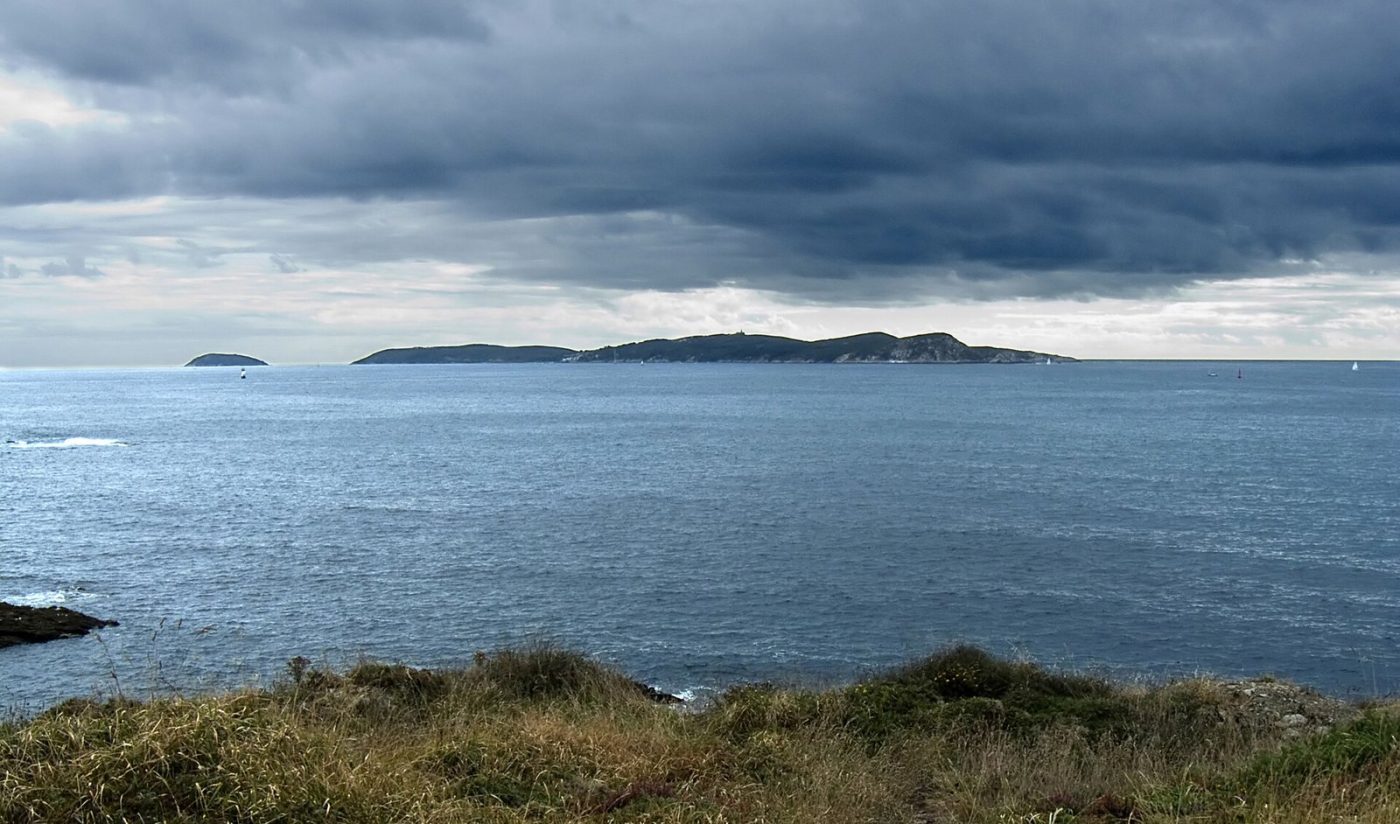
Photo: Angel Torres, CC BY 2.0
At a glance
| Getting there | Passenger ferries from Portonovo, Sanxenxo, Bueu and Marín, about 30 to 45 min, mainly in summer |
|---|---|
| Gateway | Portonovo, Sanxenxo or Bueu |
| Travel time | About 30 to 45 min by passenger ferry |
| Days | A day trip, or a night camping |
| Best months | Jun–Sep; Jul–Aug busiest; permit needed in high season; few boats Oct–May |
| Getting around | Car-free: on foot along signposted trails |
| Booking | Ferry and park permit together, a few days ahead in July and August; camping weeks ahead |
| Cost | Mid-range for Spain |
| Beaches | White sand and clear, cold water: Area dos Cans by the pier, Melide in the north |
| Sea | Atlantic Ocean |
| Archipelago | Atlantic Islands of Galicia |
| Area | 4.5 km² |
| Airport | No |
| Car-free | Yes |
| Checked | October 2026 |
Tours and day trips: what to book
Visiting Ons is mostly a matter of buying a ferry ticket. Several companies run passenger boats from the ports of the Ría de Pontevedra, and what is sold is a return crossing, often bundled with the free national park permit that every visitor needs in high season. Once on the island you are on your own, which suits most people, since the trails are signposted and short.
The standard plan is a day trip: an early boat out, a walk to the lighthouse or the south of the island, a swim at one of the beaches, lunch at one of the restaurants near the pier, and a late afternoon boat back. Some crossings include a short tour of the coast or of the Ria on the way, and some boats from further ports combine Ons with other stops.
Guided walks with park staff are sometimes offered, explaining the plants, seabirds and history of the island; check at the information point by the pier. For an overnight stay, the campsite, with tents and simple cabins, must be booked separately, and space is limited.
Recommendation: buy your ferry and permit together a few days ahead in summer, take the earliest boat, and bring food and water in case the restaurants are full.
What to see and do on Ons
The lighthouse and the west cliffs
The lighthouse stands on the highest ground of the island, a gentle climb of about half an hour from the pier. From the top you see the whole of Ons, the open Atlantic to the west and the Rías Baixas behind. The western side is wild and rocky, with steep cliffs where yellow-legged gulls and shags nest in spring.
Melide beach
A walk of about 2 km north from the village leads to Melide, a white sand beach in a sheltered bay with clear turquoise water, among the most beautiful in Galicia. It is quieter than the beach by the pier, and nudism is traditional here. Bring everything you need, as there are no facilities, and remember the Atlantic water is cold.
Buraco do Inferno
In the south of the island, a path leads to the Buraco do Inferno, or Hell's Hole, a deep chasm in the rocks where the sea booms and spouts in rough weather. Legend says the cries of lost souls can be heard here. The southern loop also passes small coves and old farm terraces, taking a couple of hours.
Area dos Cans and the village
Next to the pier, Area dos Cans is a long curve of fine white sand with calm water, ideal for families and a swim between walks. The small village nearby has a few houses, a chapel, the information point and the restaurants, where octopus prepared the island way, with a paprika sauce, is the local speciality.
Castro and the eastern coast
On the east side, a path leads to the remains of an Iron Age castro, a fortified settlement of the ancient Galician culture, on a headland overlooking the Ria. Nearby are traditional stone granaries and small coves with sheltered water. This walk is gentler and more shaded, a good choice on a hot or windy afternoon.
Ons tours: which one for you
Our pick for each kind of trip, with live dates and prices. Free cancellation on most.
Best for: A first visit from the Rías Baixas
A return crossing from Bueu or Portonovo that leaves most of the day free for a walk to the lighthouse, a swim and lunch near the pier.
- Staying in Sanxenxo or Portonovo: From portonovo return trip ferry transfer to ons island A straightforward return ferry from Portonovo, the closest port to the Sanxenxo beach hotels, convenient for families who want to choose their own times.
How to get to Ons
Passenger ferries reach Ons from Portonovo, Sanxenxo, Bueu, Marín and sometimes Aldán, taking about 30 to 45 minutes. They run frequently from June to September and at Easter, with a reduced service in spring and autumn and very few or no boats in winter. Tickets are sold online and at kiosks in the ports.
Because Ons is part of a national park with a daily visitor limit, a free permit from the Galician regional government is required in high season; ferry companies usually arrange it when you buy your ticket, but check that it is included. No cars or bicycles are allowed on the boats, so leave your car in the port car park. The nearest airports are Vigo and Santiago de Compostela, and the ports are within an hour of both by road.
Getting around
Ons is car-free and small, about 6 km from north to south, and everything is done on foot. Four signposted trails lead from the pier to the lighthouse, the north, the south and the castro, each taking between one and three hours. Paths are mostly easy, but some sections are rocky and steep near the cliffs. Wear good shoes, carry water and sun protection, and stay on the marked trails to protect the vegetation.
When to go
The season runs from June to September, when ferries are frequent, the restaurants and campsite open and the weather is warmest. July and August are the busiest, with permits and boats selling out on weekends, so book ahead. The Atlantic water stays cool, around 16 to 19 C, even in high summer, though the white sand and clear water make it inviting.
Spring and early autumn are quieter and good for walking and birdwatching, but boats run less often and services may be closed. In winter there are few or no visitor boats and the weather is wet and windy. Fog and strong winds can cancel crossings even in summer. One day is enough to see the island's highlights; a night at the campsite lets you enjoy the sunset and the silence after the day boats have gone.
Where to stay
Most visitors stay on the mainland and come for the day. Sanxenxo and Portonovo, with long beaches, hotels and nightlife, suit families and beach lovers; Bueu and the Morrazo peninsula are quieter and more local. On Ons itself, the campsite offers pitches, tents and cabins for a night or two, and a few rooms are sometimes available in the village. Camping on the island must be booked in advance and needs a permit.
History and character
Ons has been inhabited since the Iron Age, when the castro was built on its eastern headland. For centuries it belonged to the Church and to noble families, and its small community lived from fishing, farming and gathering seaweed. In the twentieth century the island was privately owned and its population declined, especially after the 1960s, as families moved to the mainland. The state acquired it, and in 2002 it became part of the Atlantic Islands of Galicia National Park. A few residents still live there.
Combine it with
Ons pairs naturally with the other islands of the national park, especially the Cíes Islands off Vigo, reached by ferry from Vigo, Cangas or Baiona. The Rías Baixas coast offers seafood towns such as Combarro, with its granaries by the water, and the wine country of Albariño. Pontevedra, with its old town, is half an hour from the ports.
Frequently asked questions
How do I get to Ons?
Passenger ferries from Portonovo, Sanxenxo, Bueu and Marín, about 30 to 45 min, mainly in summer.
How long does it take to get to Ons from Portonovo, Sanxenxo or Bueu?
From Portonovo, Sanxenxo or Bueu: about 30 to 45 min by passenger ferry.
How many days do you need on Ons?
A day trip, or a night camping.
When is the best time to visit Ons?
Jun–Sep; Jul–Aug busiest; permit needed in high season; few boats Oct–May.
Do I need a car on Ons?
No. Ons is car-free. Car-free: on foot along signposted trails.
Is Ons worth a day trip?
Go if you want an easy day trip to quiet beaches, coastal walks and seabirds in a protected national park. Skip it or choose the Cíes Islands if you want the famous Rodas beach and more facilities, or a beach resort with nightlife.
Is Ons expensive?
Mid-range for Spain.
What are the beaches like on Ons?
White sand and clear, cold water: Area dos Cans by the pier, Melide in the north.
What should I book ahead for Ons?
Ferry and park permit together, a few days ahead in July and August; camping weeks ahead.
Can I book tours and day trips to Ons online?
Yes. Boat trips, guided tours and day trips for Ons can be booked online; live prices and free cancellation on most are shown on this page.