United Kingdom · North Sea & Channel · Nature & wildlife island
Outer Hebrides
The Outer Hebrides are a 210-km chain of islands off the north-west coast of Scotland, from Lewis and Harris in the north to Barra in the south. They offer white beaches and turquoise water, standing stones about 5,000 years old, and the strongest Gaelic-speaking communities left in Scotland.
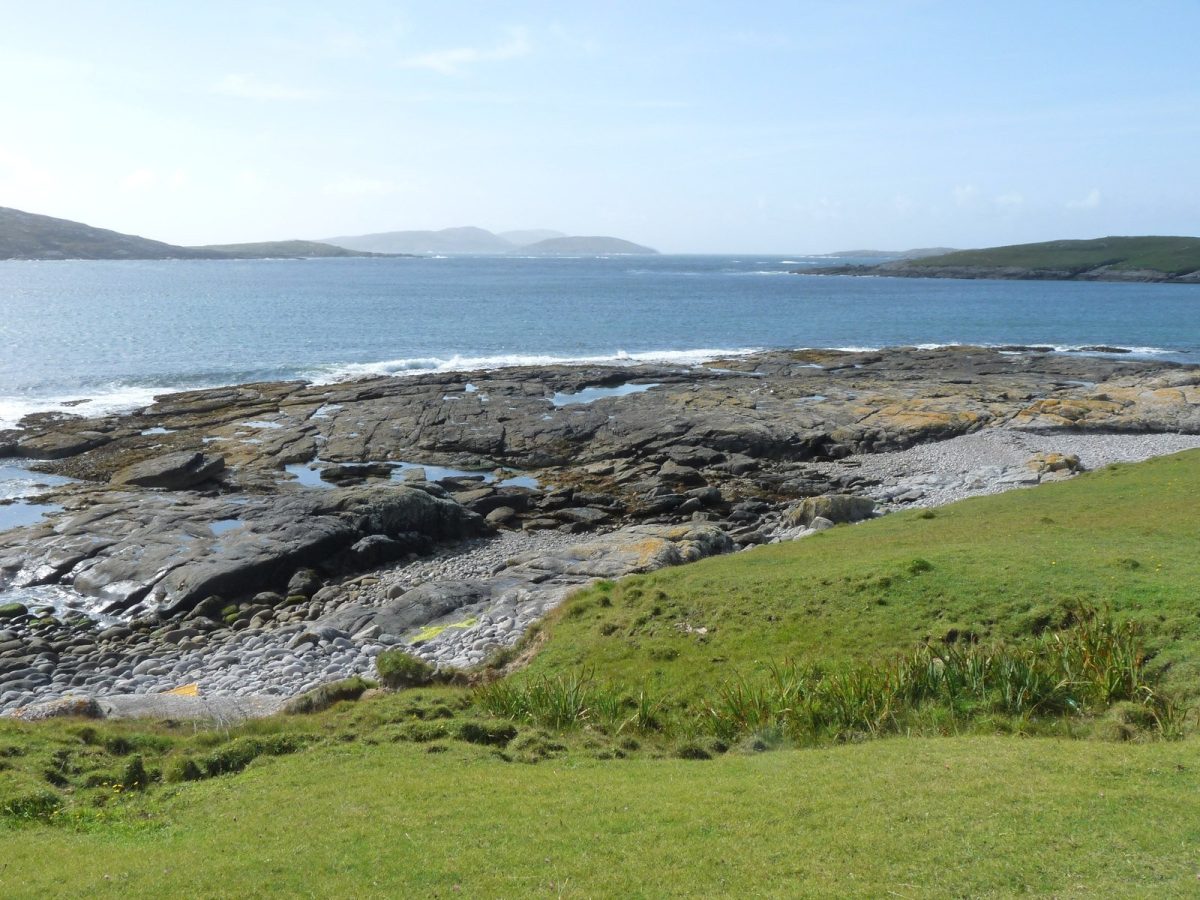
Photo: Alan Reid, CC BY-SA 2.0
At a glance
| Getting there | Ferries from Ullapool 2.5 h, Uig on Skye about 1.5 h, Oban 5 h; flights from Glasgow, Edinburgh and Inverness |
|---|---|
| Gateway | Ullapool (Stornoway ferry), Uig on Skye, Oban |
| Travel time | 2.5 h by ferry from Ullapool; about 1 h by air |
| Days | A week or more |
| Best months | May–September; long light evenings Jun–Jul; many places shut Oct–Mar |
| Getting around | Bring or rent a car; single-track roads, causeways and short ferries link the islands |
| Booking | Car places on summer ferries and rooms months ahead; island-hopping tickets early |
| Cost | Mid-range for Scotland; few places to eat out |
| Beaches | White shell sand and clear water: Luskentyre, Seilebost and Scarista on Harris, Vatersay on Barra |
| Sea | North Sea & Channel |
| Archipelago | Hebrides |
| Area | 3,059 km² |
| Population | 25,770 (2025) |
| Highest point | 799 m (Clisham) |
| Ferry | 2 h 30 min from Ullapool (Stornoway ferry), Uig on Skye, Oban |
| Airport | Yes, scheduled flights |
| Car-free | No |
| Checked | October 2026 |
Tours and day trips: what to book
Because the islands are far from Scotland's cities, what is sold online is mostly multi-day minibus tours from Edinburgh and a long day trip from Inverness.
The multi-day tours, usually five or six days, cross the Highlands, take the ferry to Lewis or Harris and spend two or three days on the islands before returning via Skye. They include transport, ferries and a driver-guide; accommodation is sometimes included and sometimes booked separately, and meals and entry fees are extra, so read the details. Some versions add the steam train from Fort William to Mallaig.
The day trip from Inverness leaves very early, drives to Ullapool and crosses to Stornoway, then visits Callanish, the blackhouse village and a beach on Harris before the evening boat back. It works if your time is short, but expect a 15-hour day with only a few hours on the islands.
Independent travellers do better with a car: ferries and roads are simple, and local guides offer wildlife boat trips, walks and tweed workshops. Our advice: drive yourself if you can; otherwise take a five-day tour rather than the day trip.
What to see and do in Outer Hebrides
Callanish Standing Stones
On the west coast of Lewis, about 25 km from Stornoway, a cross-shaped setting of tall gneiss slabs has stood for around 5,000 years, older than most of Stonehenge. Visit early or late, when the light is low and the coach groups have gone, and walk to the smaller stone circles nearby. A visitor centre explains the site.
Luskentyre and the Harris beaches
On the west coast of South Harris, an hour south of Callanish, the beaches of Luskentyre, Seilebost and Scarista have white shell sand, turquoise shallows and mountains behind. The water is cold, but on a sunny day it looks Caribbean. Walk the dunes at low tide and look for otters and seabirds along the shore.
Gearrannan and the west coast of Lewis
North of Callanish, Gearrannan is a row of restored thatched blackhouses on the shore, some open as a museum and some as holiday cottages. Close by stands Dun Carloway, a well-preserved Iron Age broch. Further north, the cliffs and lighthouse at the Butt of Lewis are the windy northern end of the chain.
Stornoway and Lews Castle
The only town of any size, with the main ferry port and airport, is where most visitors arrive. Lews Castle, set in wooded grounds across the harbour, holds a museum with some of the Lewis chessmen, the medieval walrus-ivory pieces found on the island in 1831. The town has the best choice of restaurants and shops.
Rodel and the Golden Road
At the southern tip of Harris, St Clement's Church at Rodel has carved medieval tombs of the MacLeod chiefs. Return up the east side on the narrow Golden Road, which winds through a rocky moonscape of lochans and tiny crofting settlements, and stop at a weaving shed to watch Harris Tweed made on a hand loom.
The Uists, Eriskay and Barra
South of Harris, causeways and short ferries link North Uist, Benbecula, South Uist and Eriskay, with long machair beaches, birdlife and flowers in June and July. Barra, at the southern end, has a castle on a rock in Castlebay harbour and an airport where planes land on the beach at low tide.
Outer Hebrides tours: which one for you
Our pick for each kind of trip, with live dates and prices. Free cancellation on most.
Best for: First visit without a car
A small-group trip from Edinburgh that crosses the Highlands to Lewis and Harris and covers the stones, beaches and blackhouse villages, with ferries and nights arranged for you.
- One long day from Inverness: Lewis harris and outer hebrides tour from inverness A full day out of Inverness with the ferry from Ullapool, covering the main sights of Lewis and Harris; long, but the only way to see them without staying over.
- Combining Skye and the islands: Outer hebrides skye and jacobite steam train 6 day tour A longer guided loop from Edinburgh that adds the Isle of Skye and the West Highland steam railway, suiting travellers who want several regions in one trip.
How to get to Outer Hebrides
CalMac ferries serve every main island. The busiest route is Ullapool to Stornoway on Lewis, about two and a half hours, several times a day in summer. From Uig on Skye, boats take about an hour and a half to Tarbert on Harris or Lochmaddy on North Uist. Oban to Castlebay on Barra takes about five hours, and Mallaig to Lochboisdale on South Uist about three and a half. Car places sell out in summer, so book as soon as the timetable opens; foot passengers rarely have problems.
Stornoway airport has flights from Glasgow, Edinburgh, Inverness and Aberdeen; Benbecula has flights from Glasgow; and Barra's beach runway, used at low tide, has flights from Glasgow. Arrive at one end and leave from the other to avoid backtracking.
Getting around
A car is the easiest way to explore: one road runs the length of the chain, joined by causeways between the Uists and Eriskay and by short ferries from Leverburgh to Berneray and from Eriskay to Barra. Most roads are single-track with passing places, so drive slowly and let locals overtake. Buses link the main villages but are infrequent and sparse on Sundays. Cycling the whole chain is popular, if you can cope with wind.
When to go
May to September is the season. May and June are often the driest months, with very long evenings and wild flowers on the machair in June and July. July and August are the busiest, with full ferries and higher prices, though crowds are small by any standard. Midges can be a nuisance on still summer evenings, especially inland.
Weather is changeable at any time: expect wind, rain and bright spells in a single day, with temperatures in the mid-teens in summer and a cold sea. Autumn brings gales and fewer services, and from October to March many cafes, guesthouses and attractions shut. On Lewis and Harris Sunday is still kept quiet, with many shops and petrol stations closed, so plan ahead. Allow a week to travel the whole chain.
Where to stay
Most visitors split their stay. Stornoway has the most rooms and restaurants and is a base for Lewis. Tarbert and the west coast of Harris put you near the beaches and the Golden Road. In the south, stay around Lochmaddy or Benbecula for the Uists and in Castlebay for Barra. Self-catering cottages, including restored blackhouses, are common and suit a week, but book early for summer.
History and character
People have lived on these islands for at least 5,000 years, leaving chambered cairns, standing stones and Iron Age brochs. Norse settlers ruled for centuries, which shows in many place names, before the islands passed to Scotland in 1266 and to clan chiefs such as the MacLeods and MacNeils. In the nineteenth century the Clearances moved tenants off the land for sheep. Crofting, fishing and the Harris Tweed industry survive today, and Gaelic is still spoken in homes, churches and on road signs.
Combine it with
The obvious pairing is Skye: cross from Uig to Tarbert and make a loop through the Highlands via Ullapool. A longer route links Oban, Barra, the Uists, Harris and Lewis before returning to Ullapool and on to Inverness, around a week and a half. Coll and Tiree are reached from Oban too.
Frequently asked questions
How do I get to Outer Hebrides?
Ferries from Ullapool 2.5 h, Uig on Skye about 1.5 h, Oban 5 h; flights from Glasgow, Edinburgh and Inverness.
How long does it take to get to Outer Hebrides from Ullapool (Stornoway ferry), Uig on Skye, Oban?
From Ullapool (Stornoway ferry), Uig on Skye, Oban: 2.5 h by ferry from Ullapool; about 1 h by air.
How many days do you need in Outer Hebrides?
A week or more.
When is the best time to visit Outer Hebrides?
May–September; long light evenings Jun–Jul; many places shut Oct–Mar.
Do I need a car in Outer Hebrides?
Bring or rent a car; single-track roads, causeways and short ferries link the islands.
Is Outer Hebrides worth a day trip?
Go if you want empty white beaches, prehistoric sites, wildlife and a slow road trip through Gaelic Scotland. Skip it or choose Skye if you have only two days, need warm weather, or want plenty of restaurants and nightlife. At about 2 h 30 min each way from Ullapool (Stornoway ferry), Uig on Skye, Oban, it is worth staying at least one night.
Is Outer Hebrides expensive?
Mid-range for Scotland; few places to eat out.
What are the beaches like in Outer Hebrides?
White shell sand and clear water: Luskentyre, Seilebost and Scarista on Harris, Vatersay on Barra.
What should I book ahead for Outer Hebrides?
Car places on summer ferries and rooms months ahead; island-hopping tickets early.
Can I book tours and day trips to Outer Hebrides online?
Yes. Boat trips, guided tours and day trips for Outer Hebrides can be booked online; live prices and free cancellation on most are shown on this page.