Reunion · Indian Ocean · Nature & wildlife island
Reunion
Reunion is a French volcanic island of 2,512 square kilometres in the Indian Ocean, about 175 km southwest of Mauritius. It rises to 3,070 metres at Piton des Neiges, holds three vast cirques and one of the world's most active volcanoes, and pairs serious hiking with a warm reef lagoon on the west coast.
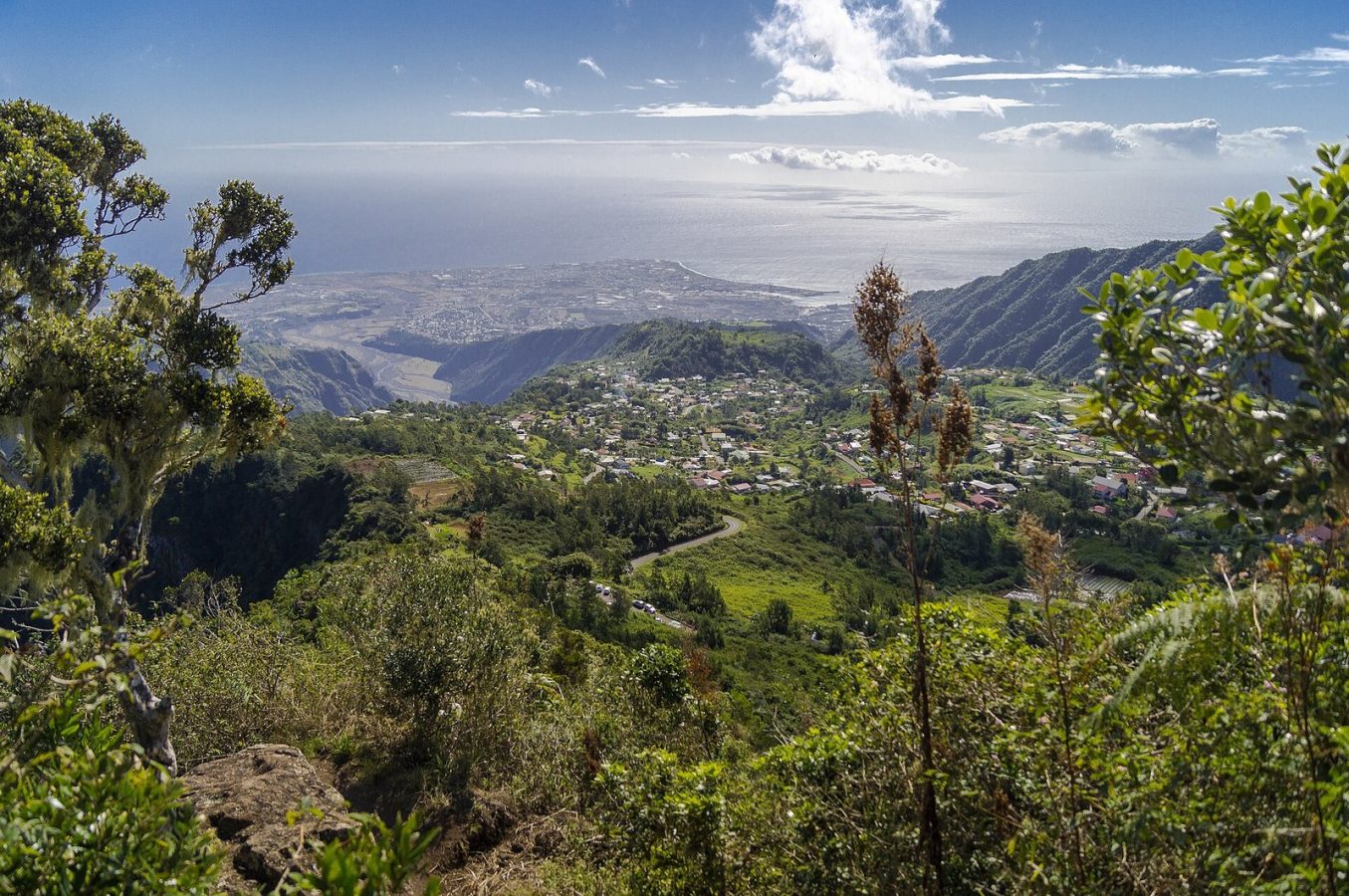
Photo: Alexandre Péribé, CC BY-SA 4.0
At a glance
| Getting there | Flights of about 11 h from Paris to Saint-Denis; 45 min from Mauritius; no passenger ferries |
|---|---|
| Gateway | Saint-Denis (Roland Garros airport) |
| Travel time | About 11 h by air from Paris, 45 min from Mauritius |
| Days | A week or more |
| Best months | May–Nov dry and cooler, best for hiking; Jan–Mar hot, wet, cyclone risk |
| Getting around | Rent a car; mountain roads are slow and winding; island buses link coastal towns |
| Booking | Flights and cars for French school holidays; mountain huts and gites weeks ahead |
| Cost | Expensive, close to mainland France prices |
| Beaches | Reef lagoon of white sand at Saint-Gilles and L'Hermitage; black sand at Etang-Sale |
| Sea | Indian Ocean |
| Archipelago | Mascarene Islands |
| Area | 2,512 km² |
| Population | 889,679 (2023) |
| Highest point | 3,070 m (Piton des Neiges) |
| Airport | Yes, scheduled flights |
| Car-free | No |
| UNESCO | Pitons, cirques and remparts of Reunion Island |
| Checked | October 2026 |
Tours and day trips: what to book
Reunion is a self-drive island, and most tours fill gaps that a car cannot. The most popular are volcano days: guided hikes or minibus trips to the plateau of Piton de la Fournaise, often with a visit to the lava tubes on the eastern flank. Cirque tours with a driver-guide to Cilaos or Salazie suit visitors who do not want to tackle the hairpin roads.
Helicopter and microlight flights from Saint-Gilles or Saint-Pierre are a speciality, and they sell out first in clear morning weather. On the water there are dolphin and whale trips from Saint-Gilles, with humpbacks between about July and October, sunset catamarans, introductory dives at Cap La Houssaye and guided snorkels in the lagoon.
Active options are what set the island apart: canyoning in Cilaos and the east, rafting and tubing on the Riviere des Marsouins, tandem paragliding over Saint-Leu, and a guided climb of Piton des Neiges or the Grand Benare. Food tours, rum distillery visits and cooking classes are sold too.
Rent a car for the week, then book one volcano hike, one flight and one canyoning or sea trip; guides are worth it where weather and terrain are serious.
What to see and do on Reunion
Piton de la Fournaise
The volcano in the southeast erupts every year or two. A road climbs through moorland to the Pas de Bellecombe viewpoint above the caldera, and a marked trail of about five hours return crosses the lava floor to the Dolomieu crater rim when the observatory allows. Start before dawn, because cloud closes in by late morning.
Mafate and the Maido viewpoint
Mafate is a cirque with no roads, where hamlets are supplied by helicopter and reached on foot. For a view without the hike, drive at dawn up to Maido at about 2,200 metres, above Saint-Paul, and look straight down into it. Hikers spend two or three days walking between gites; book beds in advance.
Cilaos and Piton des Neiges
The road to Cilaos twists through some 400 bends from Saint-Louis to a spa town in the southern cirque, known for lentils, embroidery and canyoning. From here the classic climb goes up to a hut below Piton des Neiges, the highest summit in the Indian Ocean, for a sunrise on the top.
Salazie and Hell-Bourg
The greenest cirque, in the northeast, is full of waterfalls such as the Voile de la Mariee, visible from the road. At its end, Hell-Bourg has restored Creole houses with verandas and gardens and is the place to taste local dishes. A day hike leads to the viewpoint over the deep Trou de Fer gorge.
The west coast lagoon
Between Saint-Gilles and La Saline, a coral reef encloses a shallow lagoon with white sand, turtles and calm water for swimming and snorkelling. Outside the reef, swimming is banned on most of the coast because of shark attacks, so stay within the marked areas. Saint-Gilles has the bars, the port and the boat trips.
The wild south
East of Saint-Pierre the coast turns rugged: black lava cliffs, blowholes at Souffleur d'Arbonne, the cove of Grand Anse with its protected pool, and the lava flows at Sainte-Rose that crossed the road to the sea. Plantations of vanilla and sugar cane line the road; stop for a Creole lunch in Saint-Joseph.
Reunion tours: which one for you
Our pick for each kind of trip, with live dates and prices. Free cancellation on most.
Best for: First visit, the volcano by day
A guided day up to the lunar plateau of Piton de la Fournaise with transport from the west coast, so you avoid the long mountain drive yourself.
- The cirques from the air: Reunion tour of the island by helicopter departing from saint gilles A helicopter loop over Mafate, Cilaos, Salazie and the volcano; the only way to see the roadless cirque of Mafate without days of hiking.
- Easy snorkelling with turtles: Reunion island snorkel with turtles in saint gilles les bains A guided swim in the shallow lagoon at Saint-Gilles, where green turtles graze close to shore; suits children and hesitant swimmers.
How to get to Reunion
The main airport, Roland Garros near Saint-Denis in the north, has daily flights from Paris of about 11 hours, operated by Air France, Air Austral, Corsair and French Bee, and some seasonal links from other French cities. Fares rise sharply in French school holidays.
Regional flights connect Mauritius in about 45 minutes, and there are routes to Madagascar, Mayotte, the Seychelles and South Africa. The smaller Pierrefonds airport near Saint-Pierre in the south has a few regional flights. A combined trip with Mauritius is easy by air; there is no regular passenger ferry, and cruise ships call at Le Port.
As part of France and the European Union, the island uses the euro and follows French entry rules.
Getting around
A rental car is close to essential, picked up at the airport. The coastal expressway is fast, but roads into the cirques and up to the volcano and Maido are narrow and winding, so an hour on the map often takes two. Car Jaune buses link the coastal towns and run to Cilaos and Salazie, but are slow for touring. Mafate can be reached only on foot or by helicopter. Drive on the right, and fill up before heading inland.
When to go
The southern winter from May to November is the best time: cooler, drier and clearer in the mountains, ideal for hiking. September to November combine dry trails with warm sea, and humpback whales visit the west coast from about July to October. Nights at the volcano and in the huts can be near freezing.
December to April is the hot and humid season, with heavy rain on the east coast and in the cirques, and cyclones can strike between January and March, closing roads and trails. The west coast stays the driest year-round, and the sea is warmest at around 27 degrees in February.
French school holidays in July, August and around Christmas fill flights and rental cars. October brings the Grand Raid, a famous ultra-trail across the island. Plan at least a week; ten days allow for a Mafate trek and weather delays.
Where to stay
Most visitors split their stay. The west coast around Saint-Gilles, L'Hermitage and Saint-Leu has the lagoon, the restaurants and the driest weather, and is the best base for the sea and the Maido. Saint-Pierre in the south is a lively town closer to the volcano and the wild coast. Then spend nights in the mountains: Cilaos or Hell-Bourg for the cirques, the Plaine des Cafres for an early start at the volcano, and gites in Mafate for hikers.
History and character
The island was uninhabited until French settlers arrived in the 17th century, naming it Ile Bourbon. Coffee and then sugar plantations relied on slaves brought from Madagascar and East Africa; after abolition in 1848, indentured workers came from India, and traders from China and Gujarat followed. That mix shaped the Creole language, the curries known as carri and the temples, mosques and churches standing side by side. Reunion became a French department in 1946, and its peaks and cirques were listed by UNESCO in 2010.
Combine it with
Mauritius is the natural partner, 45 minutes by air: Reunion for mountains and hiking, Mauritius for beaches and resorts. Some visitors add Rodrigues, a small and quiet Mauritian island further east. The Seychelles and Madagascar are reachable by direct flights for a longer Indian Ocean trip, but all need careful planning.
Frequently asked questions
How do I get to Reunion?
Flights of about 11 h from Paris to Saint-Denis; 45 min from Mauritius; no passenger ferries.
How long does it take to get to Reunion from Saint-Denis (Roland Garros airport)?
From Saint-Denis (Roland Garros airport): about 11 h by air from Paris, 45 min from Mauritius.
How many days do you need on Reunion?
A week or more.
When is the best time to visit Reunion?
May–Nov dry and cooler, best for hiking; Jan–Mar hot, wet, cyclone risk.
Do I need a car on Reunion?
Rent a car; mountain roads are slow and winding; island buses link coastal towns.
Is Reunion worth a day trip?
Go if you want dramatic mountain hiking, an active volcano, waterfalls and Creole food in a French, euro-using setting. Skip it or choose Mauritius if you mainly want long white beaches, safe sea swimming everywhere and a lazy resort week.
Is Reunion expensive?
Expensive, close to mainland France prices.
What are the beaches like on Reunion?
Reef lagoon of white sand at Saint-Gilles and L'Hermitage; black sand at Etang-Sale.
What should I book ahead for Reunion?
Flights and cars for French school holidays; mountain huts and gites weeks ahead.
Can I book tours and day trips to Reunion online?
Yes. Boat trips, guided tours and day trips for Reunion can be booked online; live prices and free cancellation on most are shown on this page.