Saint Lucia · Caribbean Sea · Beach island
Saint Lucia
Saint Lucia is a mountainous volcanic island in the Windward Islands of the eastern Caribbean, between Martinique and Saint Vincent. It is famous for the Pitons, two steep forested peaks rising straight from the sea near Soufriere, and for rainforest, waterfalls and a drive-in volcano on an island only 617 square kilometres in size.
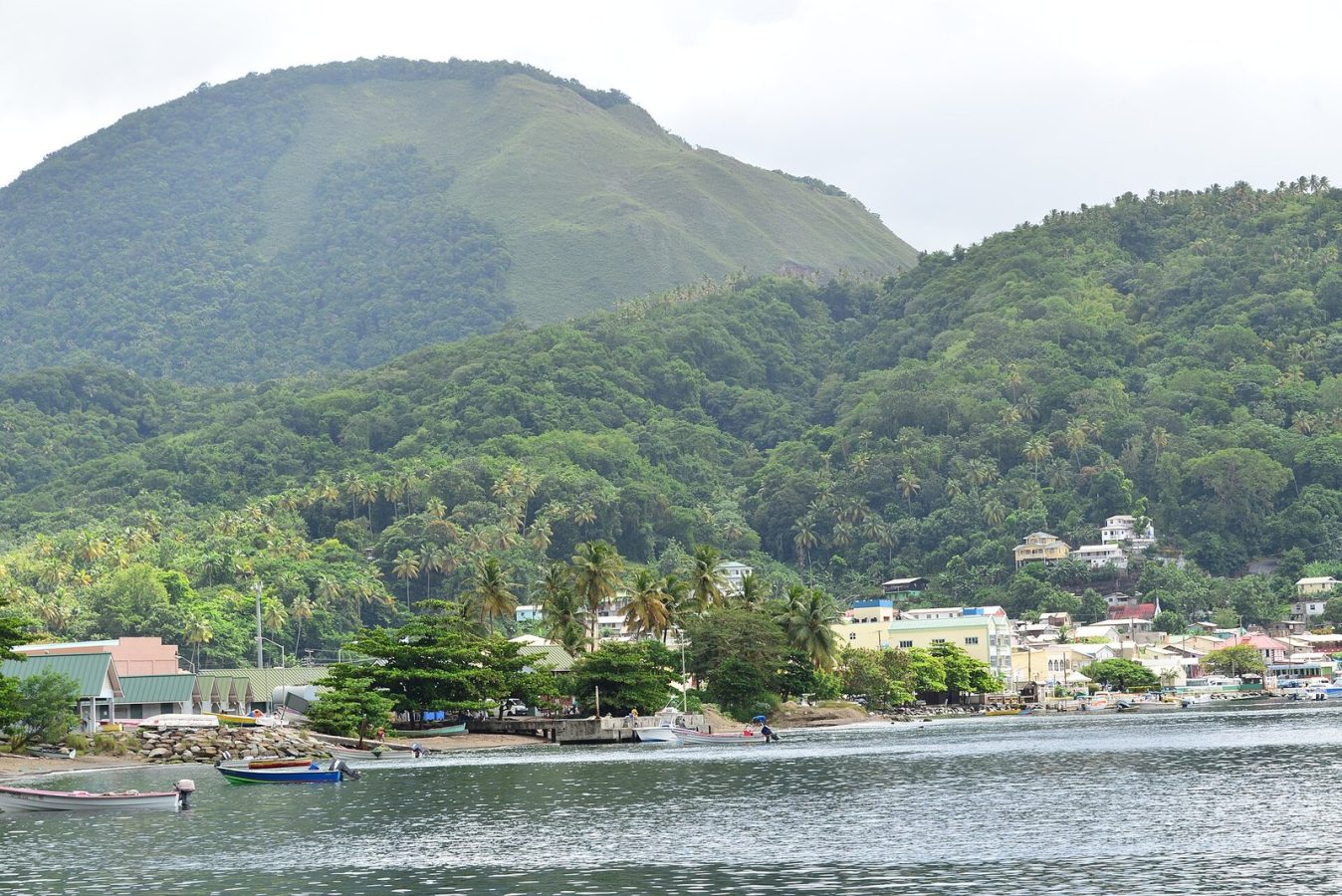
Photo: Андрей Бобровский, CC BY 3.0
At a glance
| Getting there | International flights to Hewanorra (Vieux Fort); regional flights to Castries; fast ferry from Martinique |
|---|---|
| Gateway | Hewanorra airport (Vieux Fort) or Castries |
| Travel time | 1 to 1.5 h by road from Hewanorra to the north |
| Days | A week or more |
| Best months | Dec–Apr dry season; Jun–Nov hurricane season, wettest Aug–Oct |
| Getting around | Taxis, rental car (drive on the left) or minibuses; water taxis around Soufriere |
| Booking | Resorts and flights months ahead for Dec–Apr; Piton guide and boat trips a few days ahead |
| Cost | Expensive, even by Caribbean standards |
| Beaches | Golden sand at Reduit and Rodney Bay; dark sand under the Pitons at Sugar Beach and Anse Chastanet |
| Sea | Caribbean Sea |
| Archipelago | Lesser Antilles |
| Area | 617 km² |
| Population | 184,100 (2023) |
| Highest point | 950 m (Mount Gimie) |
| Airport | Yes, scheduled flights |
| Car-free | No |
| UNESCO | Pitons Management Area |
| Checked | October 2026 |
Tours and day trips: what to book
Almost every tour sold on Saint Lucia aims at the same area: Soufriere and the Pitons on the south-west coast, about an hour or more by road from the hotels around Rodney Bay and Castries.
Land tours by minibus visit the Sulphur Springs, where you can bathe in warm mud pools, the Diamond Falls gardens and a viewpoint over the Pitons, usually with a Creole lunch and a beach stop. Sea tours cover the same ground by catamaran or speedboat from Castries or Rodney Bay, stopping at Marigot Bay, snorkelling under the Pitons and landing in Soufriere for a short bus tour; many visitors find the boat less tiring than the mountain road. Hikers can book a guided climb of Gros Piton, the Tet Paul nature trail or a rainforest walk to a waterfall. There are also rum distillery visits, horse rides on the beach in the north, private airport transfers by road or speedboat, and short northern loops with Pigeon Island and Rodney Bay.
Transport, guide, entrance fees and lunch are usually included; drinks and tips are not always. For a first visit, book one Soufriere day, by land or sea, and add a Piton hike if you are fit.
What to see and do in Saint Lucia
The Pitons and Soufriere
The two volcanic plugs, Gros Piton at 798 metres and Petit Piton at 743, stand over the old French town of Soufriere and form a protected World Heritage area. See them from the Tet Paul trail, from the water or from the beach between them, and climb Gros Piton with a local guide in about four hours return.
Sulphur Springs and Diamond Falls
A few minutes above Soufriere, a collapsed crater steams and bubbles, and a road leads almost to the vents, hence the nickname drive-in volcano. Below it you can sit in warm grey mud pools and rinse off. Nearby, the Diamond botanical gardens hide a small waterfall coloured by minerals, with old mineral baths you can still use.
Snorkelling under the Pitons
The reefs off Anse Chastanet and around the foot of Petit Piton are part of a marine reserve, with coral walls a few metres from the shore, turtles and reef fish. Snorkel from the beach at Anse Chastanet or join a boat; divers find steep walls nearby. Sugar Beach, between the peaks, is the most photographed swim on the island.
Marigot Bay
Halfway down the west coast, this deep, sheltered inlet lined with palms and yachts is one of the prettiest harbours in the Caribbean. Take the small ferry across to the strip of sand, eat by the water and watch the boats. Most catamaran trips between Castries and Soufriere pause here, and the coast road passes above it.
Rodney Bay and Pigeon Island
The north is where most visitors stay: Reduit Beach is the long golden swimming beach, with the marina behind it. At its end, Pigeon Island is joined to the land by a causeway and holds the ruins of Fort Rodney, a British base, with a short climb to a lookout towards Martinique.
Castries and the rainforest
The capital has a lively covered market selling spices, cocoa and crafts, best on Saturday morning. Drive up Morne Fortune for the view over the harbour, then head inland to the rainforest reserves around Mount Gimie, the highest point at about 950 metres, where guided trails lead to waterfalls and the rare Saint Lucia parrot.
Saint Lucia tours: which one for you
Our pick for each kind of trip, with live dates and prices. Free cancellation on most.
Best for: First visit, a day in Soufriere
Covers the classic southern sights in one guided day: the Pitons viewpoints, the sulphur springs and a waterfall, with transport from the north so you avoid the long mountain drive yourself.
- Down the west coast by catamaran: From castries full day catamaran tour of saint lucia A relaxed full day sailing from Castries past Marigot Bay to the Pitons, with snorkelling stops and a land visit in Soufriere; good for those who prefer the sea to winding roads.
- Fit hikers: Saint lucia piton hike A guided climb of Gros Piton, steep and rocky but manageable for fit walkers, with the whole south coast and Petit Piton below you from the summit.
How to get to Saint Lucia
Most long-haul flights from Europe and North America land at Hewanorra International Airport at Vieux Fort, on the southern tip. The smaller George F. L. Charles Airport in Castries takes regional flights from other Caribbean islands. From Hewanorra it is about 1 to 1.5 hours by road to Rodney Bay and the north, and about 45 minutes to Soufriere, on winding mountain roads; resorts arrange transfers, and some offer helicopter or speedboat transfers for a fee. A fast ferry links Castries with Fort-de-France on Martinique in about 1.5 hours several times a week, and continues to Dominica and Guadeloupe; check the current schedule. Many visitors arrive on cruise ships, which dock in Castries harbour, within walking distance of the market.
Getting around
Taxis are plentiful but expensive, with fares agreed before the ride; ask for the price in East Caribbean dollars or US dollars. Renting a car gives freedom, but roads are steep, narrow and twisting, and driving is on the left; you will need a local permit, sold by rental agencies. Local minibuses are cheap and frequent between Castries, Gros Islet and Vieux Fort, less so to Soufriere. Water taxis run from Soufriere to the beaches around the Pitons.
When to go
The dry season from December to April is the classic time: sunny days around 28 degrees, cooler nights, a warm sea, and the highest prices and fullest hotels, especially at Christmas and Easter. May and June are still mostly fine and cheaper. The rainy season runs from June to November, with short heavy showers, more humidity and the risk of hurricanes, which peaks from August to October; many visitors still come, and prices drop sharply.
The sea stays warm all year, around 27 to 29 degrees. The Saint Lucia Jazz and Arts Festival is held in spring and Carnival in July, and Friday evenings bring the street party in Gros Islet. Give the island a week: two or three days for the south, the rest for beaches, hiking and a boat day.
Where to stay
Rodney Bay and Gros Islet in the north have most hotels, the best swimming beach, restaurants and nightlife, and are closest to Castries. The south-west around Soufriere is the place for the Pitons views, rainforest and snorkelling, with smaller and often costly hotels on the hillsides; it suits couples and walkers. Marigot Bay is a quiet middle option. The east coast is wild, windy and mostly undeveloped, and Vieux Fort is handy only for the airport.
History and character
The Arawaks and then the Kalinago lived here before Europeans arrived. France and Britain fought over the island again and again, and it changed hands many times before Britain kept it from 1814; this is why towns carry French names, people speak a French-based Creole alongside English, and cars drive on the left. Sugar plantations worked by enslaved Africans shaped the economy, later replaced by bananas. Saint Lucia became independent in 1979 and has produced two Nobel laureates, the poet Derek Walcott and the economist Arthur Lewis. Today tourism is the main business.
Combine it with
Martinique is the easy pairing: the fast ferry takes about 1.5 hours to Fort-de-France, adding French food and beaches. Short regional flights reach Barbados, Saint Vincent and the Grenadines, and Grenada, so Saint Lucia fits into a two-island Caribbean holiday or a sailing trip south to Bequia and the Grenadines.
Compare
Frequently asked questions
How do I get to Saint Lucia?
International flights to Hewanorra (Vieux Fort); regional flights to Castries; fast ferry from Martinique.
How long does it take to get to Saint Lucia from Hewanorra airport (Vieux Fort) or Castries?
From Hewanorra airport (Vieux Fort) or Castries: 1 to 1.5 h by road from Hewanorra to the north.
How many days do you need in Saint Lucia?
A week or more.
When is the best time to visit Saint Lucia?
Dec–Apr dry season; Jun–Nov hurricane season, wettest Aug–Oct.
Do I need a car in Saint Lucia?
Taxis, rental car (drive on the left) or minibuses; water taxis around Soufriere.
Is Saint Lucia worth a day trip?
Go if you want a green, mountainous Caribbean island with hikes, sulphur springs, reef snorkelling and romantic resorts. Skip it or choose Barbados or Antigua if you want flat white-sand beaches, easy roads and cheaper holidays.
Is Saint Lucia expensive?
Expensive, even by Caribbean standards.
What are the beaches like in Saint Lucia?
Golden sand at Reduit and Rodney Bay; dark sand under the Pitons at Sugar Beach and Anse Chastanet.
What should I book ahead for Saint Lucia?
Resorts and flights months ahead for Dec–Apr; Piton guide and boat trips a few days ahead.
Can I book tours and day trips to Saint Lucia online?
Yes. Boat trips, guided tours and day trips for Saint Lucia can be booked online; live prices and free cancellation on most are shown on this page.