Italy · Mediterranean Sea · Beach island
San Pietro (Carloforte)
San Pietro is a volcanic island seven kilometres off the south-west coast of Sardinia, with one town, Carloforte, founded in 1738 by Ligurian coral fishermen from Tunisia. It is known for red tuna, a Genoese dialect still spoken in the streets, and cliffs on the western side where rare falcons nest above clear water.
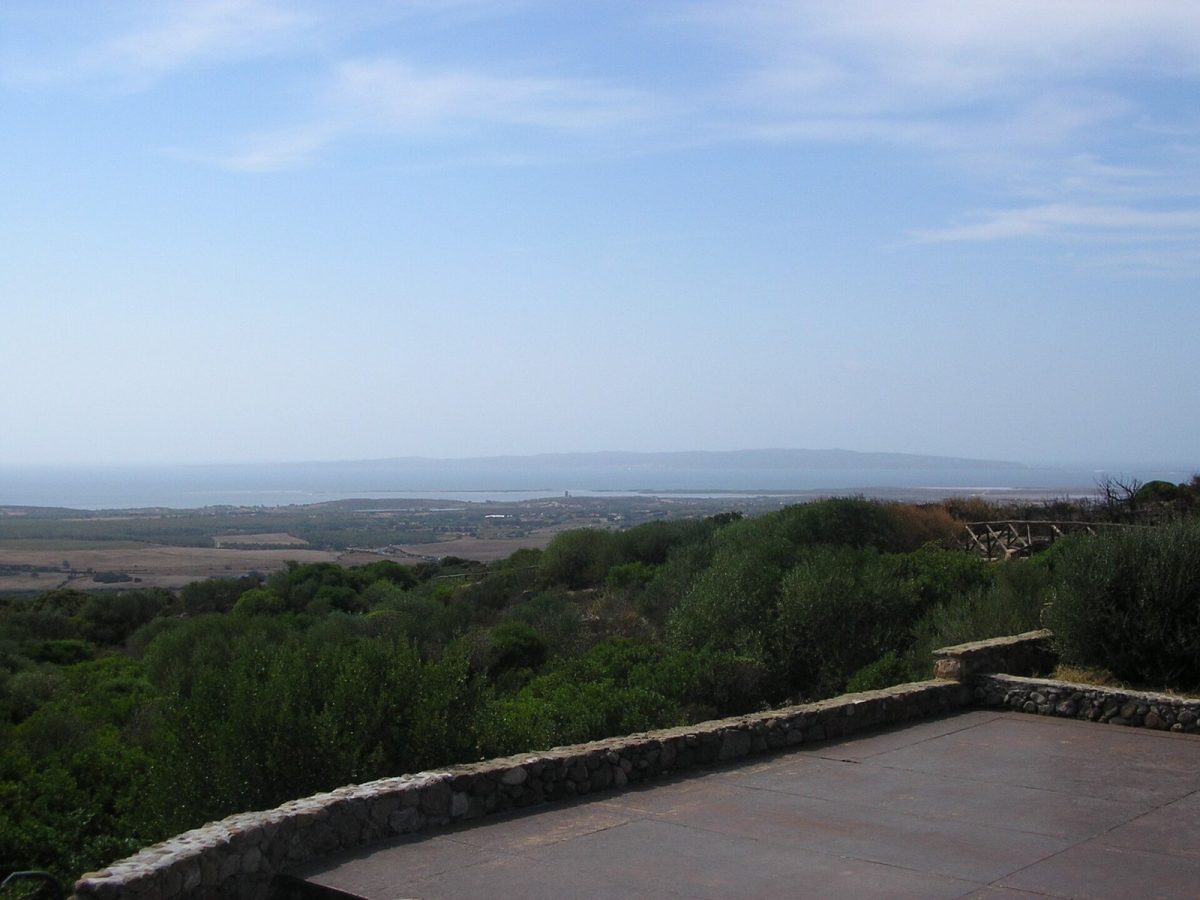
Photo: Alex10, CC BY-SA 3.0
At a glance
| Getting there | Ferry from Portovesme in about 40 min or from Calasetta on Sant'Antioco in about 30 min, all year |
|---|---|
| Gateway | Portovesme or Calasetta (Sardinia) |
| Travel time | 30 to 40 min by ferry; 90 min drive from Cagliari |
| Days | 1 to 2 nights |
| Best months | May–Jun and Sep; Girotonno tuna festival late May or early June; Aug crowded |
| Getting around | Scooter, bike or car; a few summer buses; Carloforte itself is walkable |
| Booking | Car places on August ferries and rooms in summer; boat trips a day ahead |
| Cost | Mid-range for Sardinia; tuna dishes priced high |
| Beaches | Small coves of sand and rock: La Caletta, La Bobba and Punta delle Colonne; rocks on the west |
| Sea | Mediterranean Sea |
| Archipelago | Sulcis Archipelago |
| Area | 51 km² |
| Population | 6,465 |
| Highest point | 211 m (Guardia dei Mori) |
| Ferry | 30 min from Portovesme or Calasetta (Sardinia) |
| Airport | No |
| Car-free | No |
| Checked | October 2026 |
Tours and day trips: what to book
Almost everything sold for San Pietro happens by boat, and most of it leaves from the harbour of Carloforte.
The classic is a half-day or full-day boat tour around the island. Fast inflatables cover the whole coast in three or four hours: the sea stacks at Punta delle Colonne, the sea caves under the western cliffs, Cala Fico and the lighthouse at Capo Sandalo, with two or three stops to swim. Slower wooden boats do the same route with lunch on board, often pasta with tuna, and a skipper who knows the falcon nesting sites. Snorkelling trips are shorter and stay in the calmer bays of the south. Private RIBs and sailing boats with an aperitif at sunset are the expensive option, worth it for a group.
From Sardinia, a few boats leave Calasetta and Sant'Antioco for a day around San Pietro with a stop in Carloforte, which suits visitors staying on the bigger island. Food is the other theme: tuna tastings and cooking are arranged locally rather than online.
Prices usually include the boat, the skipper and snorkelling gear; lunch, drinks and the ferry to the island are extra. Book a round-the-island tour for your first full day, and keep a second day for the beaches by scooter.
What to see and do on San Pietro (Carloforte)
Carloforte and the harbour
The only town is a grid of pastel houses behind a palm-lined waterfront, still Ligurian in its dialect, its focaccia and its pesto. Walk up to the old walls and the small church above the port, then eat tuna in its many forms: cured, in sauce or as a steak. In the evening the whole town strolls along the harbour.
The western cliffs by boat
The west coast is wild: dark volcanic cliffs, sea caves and water deep enough to look blue-black. From the sea you see Cala Fico, a narrow inlet where Eleonora's falcons nest from late spring, and the rock arches below Capo Sandalo. This is the reason to take a boat tour, since much of it cannot be reached by road.
Capo Sandalo lighthouse
A road crosses the island west from Carloforte, about 12 km, to the lighthouse on the westernmost cape. Walk the paths along the cliffs for wide views over the open sea and, in season, the falcons hunting overhead. Sunset here is the local ritual; bring a jacket, because the wind rarely stops on this side.
Punta delle Colonne and La Caletta
In the south two volcanic stacks rise from the sea near a small rocky bay; you can swim and snorkel around their base. On the west coast La Caletta is the largest sandy beach, a sheltered bay with a lifeguard and a bar in summer. La Bobba, nearer the stacks, is smaller and quieter.
The salt pans and the tonnara
Just south of Carloforte the old salt pans are a nature reserve where flamingos feed most of the year; a walk along the edge takes half an hour. In the north the tonnara, the tuna trap, still works in late spring, and the buildings by the shore explain a fishing method centuries old.
San Pietro (Carloforte) tours: which one for you
Our pick for each kind of trip, with live dates and prices. Free cancellation on most.
Best for: Around the island by boat
A fast inflatable from Carloforte reaches the western cliffs, the sea caves and the stacks at Punta delle Colonne in a few hours, with swimming stops in coves you cannot reach by road.
- Snorkelling: Snorkeling excursion in carloforte san pietro island Short trip from the harbour to clear, rocky water with fish and posidonia meadows, with masks provided and a guide who knows which bays are calm that day.
- A day from Sant'Antioco: From calasetta tour to san pietro island on a fishing boat Crossing from Calasetta on a working fishing boat avoids the ferry with a car, and includes time around the coast and in Carloforte for lunch.
How to get to San Pietro (Carloforte)
San Pietro has no airport and no bridge, so you arrive by ferry. The fastest route from Cagliari airport is the drive of about 90 minutes to Portovesme, near Portoscuso, where car ferries cross to Carloforte in about 40 minutes, roughly hourly in summer and less often in winter, with a few night sailings. The other route is from Calasetta on the island of Sant'Antioco, joined to Sardinia by a causeway, with crossings of about 30 minutes.
Tickets are sold at the ports and online. Foot passengers rarely need to book, but car places on August weekends sell out, and the queue at Portovesme can be long. If you come only for a day or two, leave the car on the mainland side and rent a scooter in Carloforte.
Getting around
The island is small, about 51 square kilometres, but hilly and spread out, so you need wheels for the beaches. Scooters and bikes are rented near the harbour, and an electric bike makes the hills easy. A few local buses run in summer to the southern beaches and the lighthouse, but not often. Roads are narrow and quiet outside August, when parking near La Caletta fills by mid-morning. Carloforte is walkable.
When to go
May, June and September are the best months: warm days, sea temperatures around 20 to 24 degrees, and space on the boats and beaches. July and August are hot and busy, with Italian holidaymakers filling every room and ferry, especially around the middle of August. The mistral wind from the north-west can blow hard for days in any season, closing the western coves and cancelling boat trips, so keep a day in hand.
The big event is the Girotonno, a tuna festival with cooking contests and concerts, held in late May or early June. From November to March the island is quiet, many restaurants and most boat operators close, and ferries still run. One or two nights is the usual stay.
Where to stay
Stay in Carloforte. The town has almost all the hotels, rooms and restaurants, the ferry port, the boat tours and an evening scene along the waterfront, and the beaches are 10 to 20 minutes away by scooter. Rooms in the old streets behind the harbour are cheaper than those facing the sea. A few holiday houses and agriturismi lie in the countryside towards the south coast, for visitors with a car who want silence.
History and character
The island was almost empty until 1738, when King Charles Emmanuel III of Sardinia gave it to Ligurian families from Pegli near Genoa who had lived for two centuries on Tabarka, a coral-fishing island off Tunisia. They named their town Carloforte after the king and kept their dialect, Tabarchino, still spoken today. In 1798 Tunisian corsairs raided the town and carried hundreds of people into slavery. Tuna fishing with fixed traps shaped the economy, and its traditions survive in the festival and the cuisine.
Combine it with
Pair San Pietro with Sant'Antioco, its larger neighbour 30 minutes away by ferry, which has the old town of Sant'Antioco and the beaches of the south. On the Sardinian side, the mining coast around Nebida and Masua, with the sea stack of Pan di Zucchero, is a short drive from Portovesme, and Cagliari is 90 minutes away. Two nights here and two on Sant'Antioco make an easy week.
Frequently asked questions
How do I get to San Pietro (Carloforte)?
Ferry from Portovesme in about 40 min or from Calasetta on Sant'Antioco in about 30 min, all year.
How long does it take to get to San Pietro (Carloforte) from Portovesme or Calasetta (Sardinia)?
From Portovesme or Calasetta (Sardinia): 30 to 40 min by ferry; 90 min drive from Cagliari.
How many days do you need on San Pietro (Carloforte)?
1 to 2 nights.
When is the best time to visit San Pietro (Carloforte)?
May–Jun and Sep; Girotonno tuna festival late May or early June; Aug crowded.
Do I need a car on San Pietro (Carloforte)?
Scooter, bike or car; a few summer buses; Carloforte itself is walkable.
Is San Pietro (Carloforte) worth a day trip?
Go if you want a small Italian island with good tuna cooking, boat trips to sea stacks and a lively harbour town. Skip it or choose the Maddalena islands if you want long white beaches and a choice of resorts. With about 30 min each way from Portovesme or Calasetta (Sardinia), a day trip is easy to do.
Is San Pietro (Carloforte) expensive?
Mid-range for Sardinia; tuna dishes priced high.
What are the beaches like on San Pietro (Carloforte)?
Small coves of sand and rock: La Caletta, La Bobba and Punta delle Colonne; rocks on the west.
What should I book ahead for San Pietro (Carloforte)?
Car places on August ferries and rooms in summer; boat trips a day ahead.
Can I book tours and day trips to San Pietro (Carloforte) online?
Yes. Boat trips, guided tours and day trips for San Pietro (Carloforte) can be booked online; live prices and free cancellation on most are shown on this page.