Sri Lanka · Indian Ocean · Nature & wildlife island
Sri Lanka
Sri Lanka is an island nation of 22 million people off the southern tip of India, 65,610 square kilometres of beaches, tea hills, ancient cities and wildlife parks. In two weeks you can climb a rock fortress, ride a hill-country train, watch leopards and elephants and finish on a palm-lined beach.
At a glance
| Getting there | Flights to Colombo's Bandaranaike airport from the Gulf, India, Asia and some European cities |
|---|---|
| Gateway | Colombo (Bandaranaike airport) |
| Travel time | About 1.5 h flight from south India; 4 to 5 h from the Gulf |
| Days | A week or more; two weeks is best |
| Best months | Dec–Apr for the west and south coasts and the hills; May–Sep for the east coast |
| Getting around | Car with a driver is easiest; scenic trains and cheap buses; tuk-tuks for short trips |
| Booking | Driver and safari jeeps days ahead; reserved seats on the hill train weeks ahead |
| Cost | Cheap to mid-range; safaris and site tickets add up |
| Beaches | Long golden sand: Mirissa, Unawatuna and Tangalle in the south; Arugam Bay and Nilaveli in the east |
| Sea | Indian Ocean |
| Area | 65,610 km² |
| Population | 22 million (2023) |
| Highest point | 2,524 m (Pidurutalagala) |
| Airport | Yes, scheduled flights |
| Car-free | No |
| UNESCO | Ancient City of Sigiriya, Sacred City of Anuradhapura, Galle and other sites |
| Checked | October 2026 |
Tours and day trips: what to book
Sri Lanka is a whole country rather than a beach island, so most of what is sold is about moving between regions.
The biggest group is multi-day private tours with a car and an English-speaking driver, from three days to two weeks, often with hotels, breakfast and sometimes entrance fees included. The classic loop runs from Colombo or Negombo to the Cultural Triangle of Sigiriya, Dambulla and Polonnaruwa, then Kandy, the tea country around Nuwara Eliya and Ella, a safari park in the south, and the beaches of the south coast. Check which entry fees are covered: the major sites charge foreigners substantial tickets.
Day trips include jeep safaris in Minneriya, Yala or Udawalawe, rainforest walks in Sinharaja, cooking classes, cycling and hiking around Ella and the Knuckles range, and whale watching from Mirissa or Trincomalee. Airport transfers to the coast are sold as well.
Hiring a car and driver for the whole trip is the normal way to travel and costs much less than in Europe. Book safari jeeps through your driver or hotel, add the Kandy to Ella train for one leg, and keep the last few days for the beach.
What to see and do in Sri Lanka
Sigiriya and the Cultural Triangle
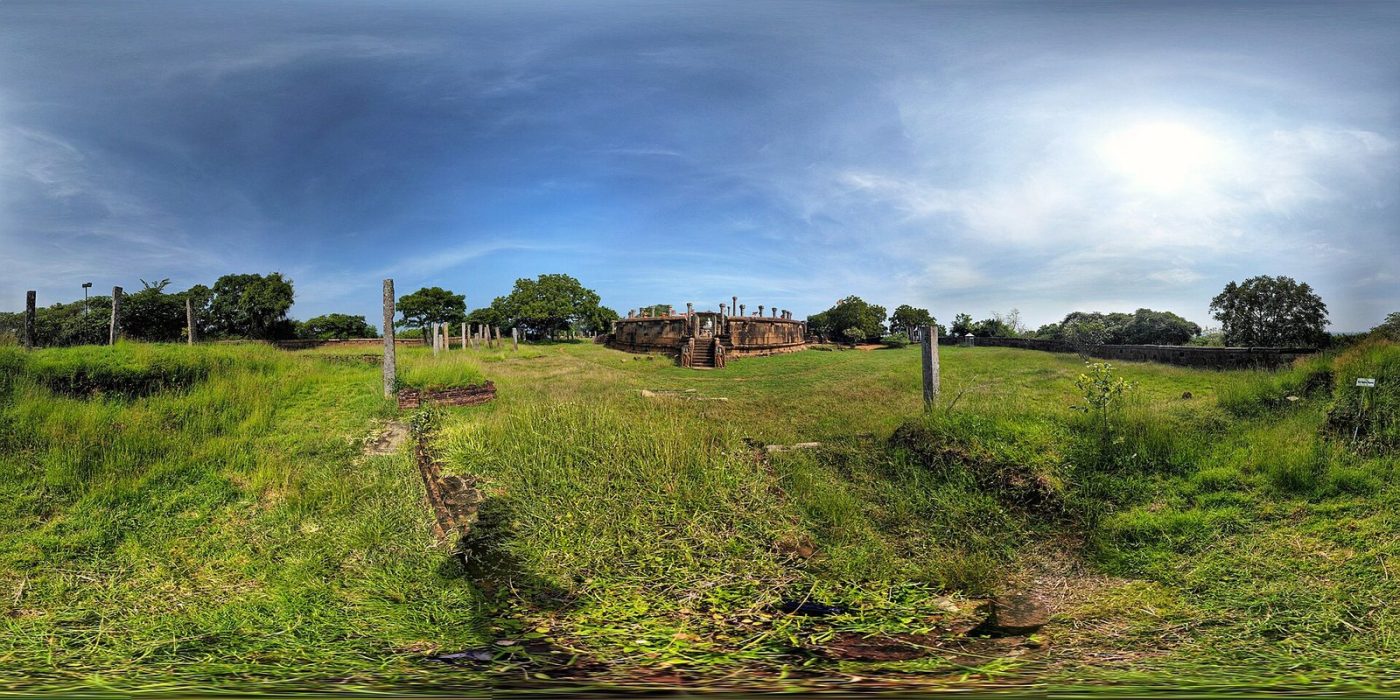
The rock fortress of Sigiriya rises about 200 metres from the plain, with a 5th-century palace on top reached by steep stairs past frescoes and the giant lion's paws. Climb at opening time to beat the heat. Nearby are the painted cave temples of Dambulla and the ruined royal city of Polonnaruwa, best seen by bicycle; allow two or three days for the area.
Kandy and the hill-country train
Kandy, the last royal capital, is built around a lake and the Temple of the Tooth, which holds a relic of the Buddha. From here the railway climbs through tea estates to Nuwara Eliya and Ella in about seven hours, one of the most scenic train rides in Asia. Book reserved seats in advance or ride second class with the open doors.
Ella and the tea country
Ella is a small hill town with easy walks to Little Adam's Peak and the Nine Arch Bridge, where trains cross a stone viaduct in the forest. Around Nuwara Eliya, at nearly 1,900 metres, tea factories offer tours and tastings, and Horton Plains has a morning walk to the cliff of World's End. Bring a fleece, as nights are cool.
Yala, Udawalawe and Minneriya
Jeep safaris are a highlight. Yala in the south-east has one of the densest leopard populations anywhere, along with elephants, crocodiles and birds; go at dawn. Udawalawe is the surest park for elephants, and in the dry months from about July to October hundreds of elephants gather at the reservoir of Minneriya near Sigiriya.
Galle and the south coast
The old fort of Galle is a walled town of colonial houses, churches and cafes on a headland, best seen on a walk round the ramparts at sunset. East of it lie beaches for every taste: Unawatuna for swimming, Mirissa for whale watching from November to April, and quieter Tangalle with long stretches of sand.
Sri Lanka tours: which one for you
Our pick for each kind of trip, with live dates and prices. Free cancellation on most.
Best for: First visit, a private car and driver
Most first-time visitors tour with a driver; this lets you set your own route through the ancient cities, the hills and the coast at your own pace.
- The Cultural Triangle in two days: Sri lanka sigiriya dambulla minneriya safari 2 day tour A short trip that covers the rock of Sigiriya, the Dambulla cave temples and an elephant safari in Minneriya, good if your time is limited.
- Whales and dolphins off the east coast: Exclusive whale dolphin tours in sri lanka trincomalee A boat trip from the Trincomalee coast in search of whales and dolphins, the best sea outing when the east coast is in season.
How to get to Sri Lanka
Almost everyone arrives by air at Bandaranaike International Airport at Katunayake, about 35 km north of Colombo and close to the beach town of Negombo. There are direct flights from the Gulf hubs, India, Southeast Asia and a few European cities, with connections from everywhere else; the flight from Chennai or Bangalore takes about an hour and a half.
Most visitors need an electronic travel authorisation arranged online before departure, so check the current rules early. From the airport, the expressway reaches Colombo in about 40 minutes and Galle in around three hours. Negombo makes a sensible first or last night after a long flight, and many drivers meet clients at arrivals. Cruise ships call at Colombo, but there is no regular passenger ferry that most visitors use.
Getting around
Distances look short on the map but roads are slow: expect 30 to 40 km an hour through towns and hills. That is why most visitors hire a car with a driver for the whole trip; self-drive is possible but tiring. Trains are cheap and slow, and the hill line through Kandy and Ella is worth one leg. Buses go everywhere for very little but are crowded and fast. Tuk-tuks handle short trips; agree the fare first or use a ride app in cities.
When to go
Sri Lanka has two monsoons, so some part of the island is always in season. From December to April the west coast, the south coast and the hill country are at their best, with dry sunny days and calm seas; this is high season, with the highest prices around Christmas and New Year. The pilgrimage season on Adam's Peak runs from December to May.
From May to September the south-west monsoon brings rain and rough seas to the west and south, while the east coast around Trincomalee and Arugam Bay is dry and sunny, and Arugam Bay has its surf season. October and November are the wettest months across much of the island.
The lowlands are hot all year, around 30 degrees, and the hills are cooler. The Esala Perahera procession in Kandy, usually in July or August, is the biggest festival. Two weeks allow a relaxed loop.
Where to stay
Most trips use several bases rather than one. Negombo suits the first or last night near the airport. In the Cultural Triangle, stay around Sigiriya or Habarana to reach all the sites within an hour. Kandy and Ella are the hill-country bases, Ella being more relaxed with walks from the door. Near Yala, Tissamaharama is convenient for dawn safaris. On the coast, Galle Fort suits culture and food, Mirissa and Unawatuna nightlife and swimming, and Tangalle quiet.
History and character
Buddhism arrived in the 3rd century BC, and kingdoms at Anuradhapura and later Polonnaruwa built vast reservoirs, monasteries and dagobas whose ruins still dominate the dry north. The Portuguese reached the coast in 1505, the Dutch took over the forts in the 17th century and built much of Galle, and the British captured the coast and then, in 1815, the kingdom of Kandy, planting coffee and later tea. Ceylon became independent in 1948 and took the name Sri Lanka in 1972. A long civil war ended in 2009, and tourism has grown strongly since.
Combine it with
The Maldives are about an hour and a half by air from Colombo, which makes a popular pairing: two weeks touring Sri Lanka, then a few days on a resort island. South India is equally close, with short flights to Chennai, Bangalore and Kochi in Kerala, so Sri Lanka also works as an add-on to a trip there.
Frequently asked questions
How do I get to Sri Lanka?
Flights to Colombo's Bandaranaike airport from the Gulf, India, Asia and some European cities.
How long does it take to get to Sri Lanka from Colombo (Bandaranaike airport)?
From Colombo (Bandaranaike airport): about 1.5 h flight from south India; 4 to 5 h from the Gulf.
How many days do you need in Sri Lanka?
A week or more; two weeks is best.
When is the best time to visit Sri Lanka?
Dec–Apr for the west and south coasts and the hills; May–Sep for the east coast.
Do I need a car in Sri Lanka?
Car with a driver is easiest; scenic trains and cheap buses; tuk-tuks for short trips.
Is Sri Lanka worth a day trip?
Go if you want temples, ancient cities, wildlife safaris, tea country and beaches on one affordable trip. Skip it or choose the Maldives or Bali if you only want a beach and a pool and no long road journeys.
Is Sri Lanka expensive?
Cheap to mid-range; safaris and site tickets add up.
What are the beaches like in Sri Lanka?
Long golden sand: Mirissa, Unawatuna and Tangalle in the south; Arugam Bay and Nilaveli in the east.
What should I book ahead for Sri Lanka?
Driver and safari jeeps days ahead; reserved seats on the hill train weeks ahead.
Can I book tours and day trips to Sri Lanka online?
Yes. Boat trips, guided tours and day trips for Sri Lanka can be booked online; live prices and free cancellation on most are shown on this page.