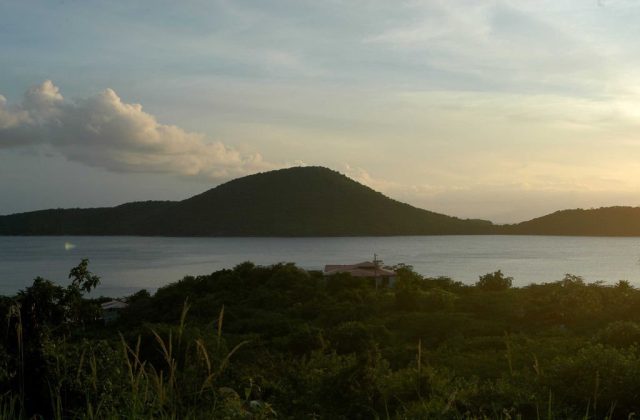
Culebra
Spanish Virgin Islands, Puerto Rico
Culebra is a small, dry island of Puerto Rico about 27 km off the main island's north-east coast, with fewer than…
6 tours & trips
Puerto Rico · Caribbean Sea · Beach island
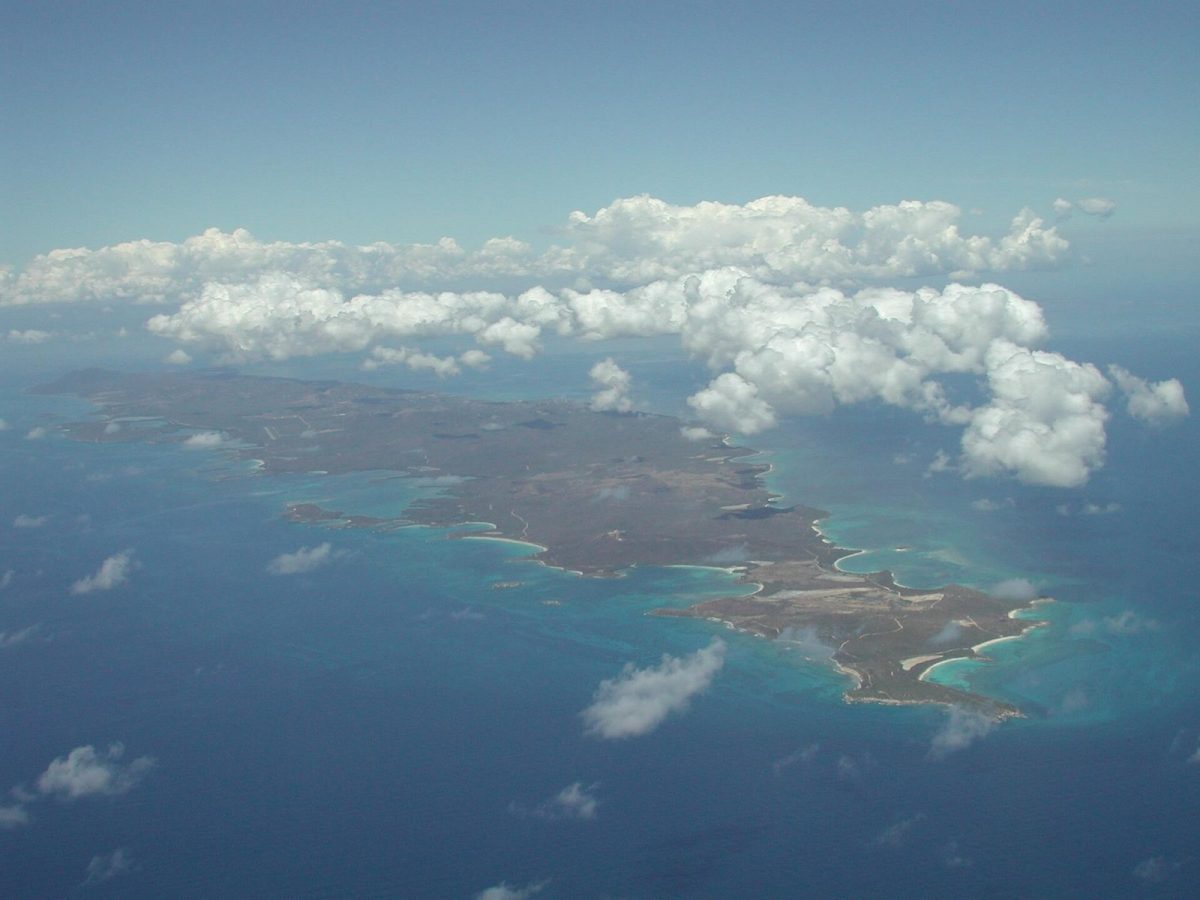
Vieques is a quiet island municipality of Puerto Rico, about 13 km off the main island's east coast and some 32 km long. Decades as a US Navy range kept it undeveloped, so today it has empty beaches inside a large wildlife refuge, wild horses on the roads and Mosquito Bay, one of the brightest bioluminescent bays in the world.
| Getting there | Ferry from Ceiba in about 45 min to 1 h, or a short flight from San Juan or Ceiba |
|---|---|
| Gateway | Ceiba ferry terminal, or San Juan by air |
| Travel time | About 1 h by ferry; 25 to 30 min by air from San Juan |
| Days | 3 to 5 nights |
| Best months | Dec–Apr dry season; May–Jul fine; hurricane risk Aug–Oct |
| Getting around | Rent a jeep on the island; shared vans and taxis between the two towns |
| Booking | Car hire, biobay tour and ferry seats ahead; flights if ferries are unreliable |
| Cost | Mid-range for Puerto Rico |
| Beaches | Sun Bay near Esperanza; Caracas, La Chiva and Navío in the refuge; black sand at Playa Negra |
| Sea | Caribbean Sea |
| Archipelago | Spanish Virgin Islands |
| Area | 136 km² |
| Population | 8,249 (2020) |
| Highest point | 301 m (Monte Pirata) |
| Airport | Yes, scheduled flights |
| Car-free | No |
| Checked | October 2026 |
The night kayak on Mosquito Bay is what most visitors book. Guides take small groups out after dark in regular or clear-bottomed kayaks, or in electric boats, for about two hours; the darker the night, the brighter the water, so avoid the days around the full moon. Swimming in the bay is banned, and trips can be cancelled in heavy rain or when the glow is weak. Transport from Esperanza is usually included.
Some tours start on the main island, at Fajardo, Luquillo or Ceiba, and include the ferry or a boat crossing; they save organising but leave little time on Vieques, and some Fajardo trips actually visit the bay there instead, so read where the paddling takes place.
By day, snorkelling trips look for turtles, rays and reef fish off the south coast, with gear included. Jet-ski tours reach remote beaches in the refuge, and horseback rides cover trails and beaches. There are also sunset beach outings with transfers.
The plan that works is to stay at least two nights, rent your own jeep for the beaches and book only the biobay tour and perhaps one snorkel trip.
This shallow, mangrove-lined bay near Esperanza holds billions of tiny plankton that flash blue-green when the water moves. On a moonless night a paddle or a trailing hand leaves a glowing trail, and fish streak like sparks below. You may only visit with a licensed guide; no swimming, insect repellent or photography with flash.
The former Navy lands at both ends of the island are now a national wildlife refuge with a string of undeveloped beaches. In the east, a dirt road leads to Caracas, also called Red Beach, then La Chiva and Pata Prieta, all calm, clear and almost empty. Open daytime only; bring shade, food and water.
The small south-coast village has a seafront promenade of bars, cafés and dive shops, and is the base for the bay tours. A short drive east, Sun Bay is a long curve of sand with facilities, shallow water and wild horses grazing behind the palms. Further along a rough track are the smaller coves of Media Luna and Navío.
The main town and ferry port on the north coast is busier and less touristy. On the hill above it stands the Fortín Conde de Mirasol, a small fort from the 1840s, among the last the Spanish built in the Americas, now a museum of the island's history, including the Navy years and the protests. The Punta Mulas lighthouse overlooks the harbour.
On the south coast west of Esperanza, a short walk down a dry stream bed from the road leads to a small beach of black volcanic sand, unusual in the Caribbean. The sea is often rough, so it is for looking rather than swimming. Go at low tide in the afternoon light.
Our pick for each kind of trip, with live dates and prices. Free cancellation on most.
Best for: First visit, the bioluminescent bay
A guided night paddle on Mosquito Bay, where every stroke lights the water; it is the reason many people come to the island, so book it for a dark night.
Public ferries leave from Ceiba, on the east coast of Puerto Rico about an hour's drive from San Juan, several times a day; the passenger crossing takes about 45 minutes to an hour, longer on the slower car ferry. The service is cheap but often unreliable, with cancellations and long queues, so buy tickets ahead, arrive early and keep a buffer before flights home.
Small planes fly to the airport on the north-west of the island from both San Juan airports in about 25 to 30 minutes, and from Ceiba in about 10 minutes, which many visitors find worth the higher price.
Most mainland rental companies do not allow their cars on the ferry, so leave yours at Ceiba and hire a vehicle on Vieques.
A car, ideally a jeep or other high vehicle, is the practical way to see the island, since the refuge beaches lie at the end of potholed dirt roads. Rent one in advance on Vieques, as supply is limited in season. Shared vans and taxis run between the ferry, the airport, Isabel Segunda and Esperanza, but rarely to the beaches. Watch for wild horses on the roads, especially at night. Bikes and scooters suit the paved roads around Esperanza.
December to April is the dry season, with sunny days around 28 degrees, steady trade winds and the busiest weeks at Christmas, Easter and in February and March. May to July is still good, a little hotter and quieter, with lower rates. The sea stays warm all year, between about 26 and 29 degrees.
August to October brings the highest risk of hurricanes and heavier showers; the island was badly hit by Hurricane Maria in 2017, and some services close in the low season. Rain can also briefly dim the bioluminescence.
Plan around the moon: the bay glows best in the darkest week of the lunar month, so check the calendar before you fix dates. Three to five nights allow time for the beaches, the bay and a day lost to ferries.
Esperanza, on the south coast, is the easiest base: guesthouses and small hotels within walking distance of the promenade, restaurants and the biobay tour departures, with Sun Bay close by. Isabel Segunda has more local life, the ferry and cheaper rooms, but fewer places to eat in the evening. Rental houses in the hills between the two give views and privacy but need a car, and there is one large resort on the north coast.
The Taíno people lived here before the Spanish, and the island's name comes from their word for small land. Spain, Britain and other powers fought over it for centuries, and sugar plantations worked by enslaved and later poor farm labour shaped its economy. In the 1940s the US Navy took about two-thirds of the land for a training and bombing range. After a civilian guard was killed in 1999, mass protests forced the Navy out in 2003. The old range became a wildlife refuge, though clean-up of unexploded ordnance continues and some areas remain closed.
Culebra, the other Spanish Virgin Island, is close by, reached by small plane or the ferry from Ceiba, and has Flamenco Beach and excellent snorkelling. On the main island, Fajardo and El Yunque rainforest are about an hour from Ceiba, and Old San Juan about 90 minutes. A good week is three nights on Vieques, two on Culebra and two in San Juan.
Ferry from Ceiba in about 45 min to 1 h, or a short flight from San Juan or Ceiba.
From Ceiba ferry terminal, or San Juan by air: about 1 h by ferry; 25 to 30 min by air from San Juan.
3 to 5 nights.
Dec–Apr dry season; May–Jul fine; hurricane risk Aug–Oct.
Rent a jeep on the island; shared vans and taxis between the two towns.
Go if you want empty Caribbean beaches, a night paddle in glowing water and a slow, unpolished island with no big resorts. Skip it or choose Culebra if you mainly want one perfect beach and snorkelling, or stay on the main island if ferries worry you.
Mid-range for Puerto Rico.
Sun Bay near Esperanza; Caracas, La Chiva and Navío in the refuge; black sand at Playa Negra.
Car hire, biobay tour and ferry seats ahead; flights if ferries are unreliable.
Yes. Boat trips, guided tours and day trips for Vieques can be booked online; live prices and free cancellation on most are shown on this page.
Spanish Virgin Islands, Puerto Rico
Culebra is a small, dry island of Puerto Rico about 27 km off the main island's north-east coast, with fewer than…
6 tours & trips