Japan · Pacific Ocean · Nature & wildlife island
Yakushima
Yakushima is a round, mountainous island about 60 km south of mainland Kyushu, covered in mossy forests of ancient cedars, some thought to be thousands of years old. A World Heritage Site since 1993, it rises to 1,936 metres and is one of the wettest places in Japan, which keeps its rivers and waterfalls full.
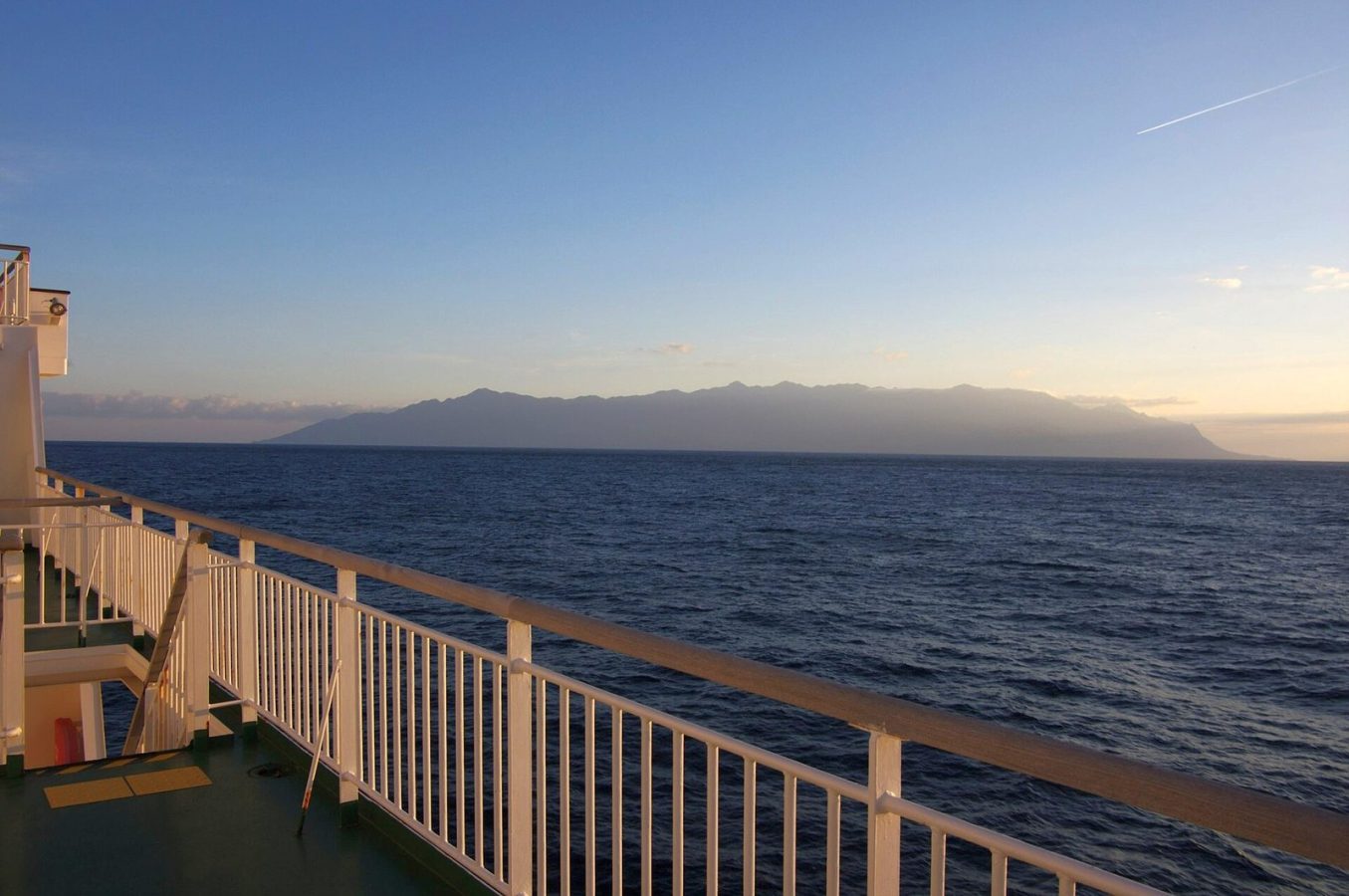
Photo: tsuda from Tsushima, Aichi, Japan, CC BY-SA 2.0
At a glance
| Getting there | Jetfoil from Kagoshima in about 2 to 3 h, car ferry about 4 h, or a 40-min flight |
|---|---|
| Gateway | Kagoshima |
| Travel time | 2 to 3 h by jetfoil or 40 min by air |
| Days | 3 to 5 nights |
| Best months | Mar–May and Oct–Nov; rain possible any month; typhoons Aug–Sep |
| Getting around | Rent a car; buses circle the coast but are infrequent; shuttle buses to trailheads |
| Booking | Jetfoil and rooms for Golden Week and summer weeks ahead; guided hikes a few days ahead |
| Cost | Mid-range for Japan |
| Beaches | Few swimming beaches; Isso and Nagata for sand, turtles nest at Nagata in summer |
| Sea | Pacific Ocean |
| Archipelago | Osumi Islands |
| Area | 505 km² |
| Population | 11,858 (2020) |
| Highest point | 1,936 m (Mount Miyanoura) |
| Ferry | 1 h 50 min from Kagoshima |
| Airport | Yes, scheduled flights |
| Car-free | No |
| UNESCO | Yakushima |
| Checked | October 2026 |
Tours and day trips: what to book
Hiking is the reason most people come, and what is sold reflects that.
The best-known product is the guided day hike to Jomon Sugi, the giant cedar deep in the forest. It is a long walk of about ten hours along an old logging railway and up steep forest trails; guides handle the very early start, the shuttle bus to the trailhead, rain gear and packed lunch. Shorter guided walks visit Shiratani Unsuikyo, the moss gorge with the climb to Taiko rock, or the trails of Yakusugi Land. Private guided tours let you set the pace and combine forest, waterfalls and coast in a day with a driver.
Other options include activity packages that pair a hike with river kayaking or canyoning, e-bike rental with delivery to your accommodation, sea kayaking and diving off the coast, and evening food experiences in the port town. Jetfoil tickets from Kagoshima can also be bought in advance.
Recommendation: if you are fit and have at least three days, book a guided Jomon Sugi hike for your first full day; otherwise, choose a guided walk to Taiko rock, which gives the essence of the forest in half the time.
What to see and do on Yakushima
Jomon Sugi
The island's most famous tree is a vast, gnarled cedar estimated to be several thousand years old, standing on a mountainside deep in the forest. The round trip from the Arakawa trailhead is about 22 km and ten hours, first along an old logging railway, then up steep paths past Wilson's stump, a hollow giant you can stand inside.
Shiratani Unsuikyo and Taiko rock
A gorge of moss-covered rocks, roots and fallen trunks above the port of Miyanoura, said to have inspired the forest of a famous animated film. Trails of one to five hours wind past streams and old cedars. The longer route climbs to Taiko rock, a granite outcrop with a sweeping view of the central peaks.
Yakusugi Land
A forest reserve in the hills above Anbo with loop trails from 30 minutes to about three hours, crossing suspension bridges over clear streams and passing ancient cedars with names. It is the easiest way to see big trees without a long hike, and good for families. Buses run from Anbo a few times a day.
The waterfalls
Rain feeds dramatic waterfalls around the island. Senpiro falls drop into a granite gorge in the south-east, viewed from a platform. Ohko falls on the south-west coast, nearly 90 metres high, can be reached in a few minutes from the road, and you can walk close to the spray. Both are easy stops on a drive around the coast.
Hirauchi seaside hot spring
On the south coast, this hot spring bubbles up among rocks on the shore and can be used only for about two hours around low tide. It is mixed bathing, simple and very local, with a small donation box. Check the tide tables before you go; the nearby Yudomari spring is usable at any time.
Nagata beach and the west road
Nagata Inakahama in the north-west is the main nesting beach for loggerhead turtles in the North Pacific; females come ashore from May to July. Visit at night only on guided watching programmes. South of Nagata the narrow western forest road passes through World Heritage forest where macaques and small deer often sit on the asphalt.
Yakushima tours: which one for you
Our pick for each kind of trip, with live dates and prices. Free cancellation on most.
Best for: The classic Jomon Sugi hike
A guided full-day hike to the island's oldest and most famous cedar, with the early start, shuttle logistics and pacing handled by someone who knows the long trail well.
- Moss forest and the big view: Yakushima taiko rock guided day trip A guided day through the moss-covered gorge of Shiratani Unsuikyo up to Taiko rock, a shorter and easier alternative to the Jomon Sugi hike with a superb view.
- Easy forest walks: Yakushima yakusugiland hiking A guided walk in Yakusugi Land, where loops of different lengths pass ancient cedars, suitable for families and anyone who wants the forest without a long climb.
How to get to Yakushima
Jetfoils from Kagoshima's southern pier reach Miyanoura or Anbo in about two to three hours, depending on stops at Ibusuki or Tanegashima; there are several sailings a day, which fill up during Japanese holidays, so book ahead then. The car ferry takes about four hours, sails once a day and carries vehicles. Rough seas and typhoons can cancel the fast boats.
Yakushima Airport, on the north-east coast between Miyanoura and Anbo, has flights from Kagoshima in about 40 minutes and seasonal or daily direct flights from Fukuoka and Osaka. Most visitors fly to Kagoshima and take the jetfoil, or combine both: fly in, boat out. Bringing a car from the mainland is rarely worth the ferry cost, as rentals are easy to find at the ports and airport.
Getting around
A coastal road of about 100 km circles the island, and most sights lie along it or on roads climbing inland. A rental car is by far the easiest option; book ahead in busy periods. Buses run around the coast but are infrequent, and from March to November private cars are banned on the road to the Jomon Sugi trailhead, replaced by shuttle buses from the Yakusugi Museum. The narrow western forest road has no buses at all.
When to go
Yakushima is wet all year: the mountains receive several times the rainfall of the coast, and locals joke that it rains 35 days a month. Pack proper rain gear in any season.
Spring, from March to May, brings mild weather, rhododendrons on the high slopes in late May and fresh green forest, but Golden Week at the start of May is crowded and expensive. The rainy season runs from late May to early July. July and August are hot, humid and popular with Japanese families, and typhoons are most likely in August and September, cancelling ferries and closing trails. October and November are clearer and comfortable for hiking. In winter the high peaks get snow, and the Jomon Sugi trail can become icy and hazardous.
Three to five nights allow one long hike, a shorter forest walk, a coast drive and a rest day in case of bad weather.
Where to stay
Miyanoura, the main port in the north-east, has the most guesthouses, shops and restaurants, and is close to Shiratani Unsuikyo. Anbo on the east coast is the base for Jomon Sugi and Yakusugi Land, with easy access to the shuttle bus. The south coast around Onoaida and Hirauchi is warmer, quieter and near the seaside hot springs. Nagata in the north-west suits turtle season. Accommodation is mostly family-run inns, often with dinner.
History and character
For centuries islanders lived from fishing and small farming along the coast, treating the mountains as sacred. Under the Satsuma domain in the Edo period, cedars were felled on a large scale and cut into roof shingles, paid as tax, and the stumps of that logging still stand in the forest. Modern logging continued into the 20th century, served by the forest railway. Conservation campaigns from the 1970s ended the felling of the ancient trees, and World Heritage status in 1993 made the island a destination for hikers.
Combine it with
Kagoshima, with the active volcano of Sakurajima across the bay, deserves a day before or after. Tanegashima, the flat neighbour with Japan's space centre and surf beaches, is linked by jetfoil in under an hour. Kuchinoerabujima, a small volcanic island west of Yakushima, is reached by local ferry. Ibusuki, with its hot sand baths, is a stop on some jetfoils.
Frequently asked questions
How do I get to Yakushima?
Jetfoil from Kagoshima in about 2 to 3 h, car ferry about 4 h, or a 40-min flight.
How long does it take to get to Yakushima from Kagoshima?
From Kagoshima: 2 to 3 h by jetfoil or 40 min by air.
How many days do you need on Yakushima?
3 to 5 nights.
When is the best time to visit Yakushima?
Mar–May and Oct–Nov; rain possible any month; typhoons Aug–Sep.
Do I need a car on Yakushima?
Rent a car; buses circle the coast but are infrequent; shuttle buses to trailheads.
Is Yakushima worth a day trip?
Go if you want to hike through ancient cedar forest, moss gorges and mountains, with hot springs and turtles on the side. Skip it or choose Okinawa or the Yaeyama Islands if you want reliable sun and beaches. At about 1 h 50 min each way from Kagoshima, it is worth staying at least one night.
Is Yakushima expensive?
Mid-range for Japan.
What are the beaches like on Yakushima?
Few swimming beaches; Isso and Nagata for sand, turtles nest at Nagata in summer.
What should I book ahead for Yakushima?
Jetfoil and rooms for Golden Week and summer weeks ahead; guided hikes a few days ahead.
Can I book tours and day trips to Yakushima online?
Yes. Boat trips, guided tours and day trips for Yakushima can be booked online; live prices and free cancellation on most are shown on this page.