Tortola
44 km away
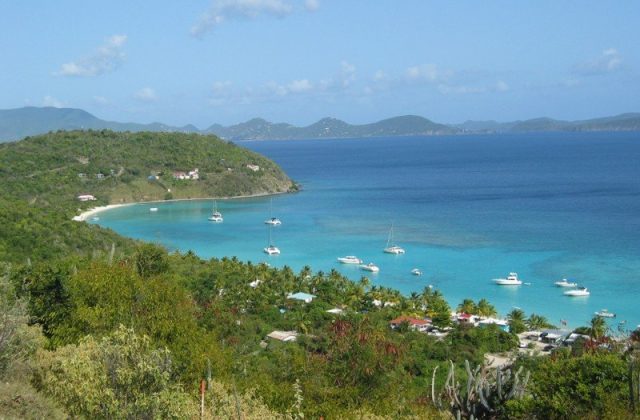
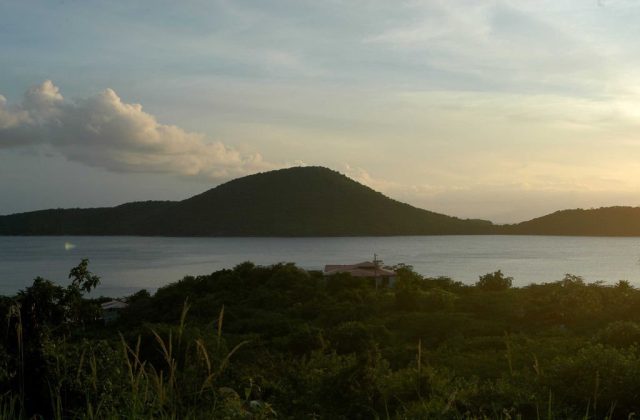
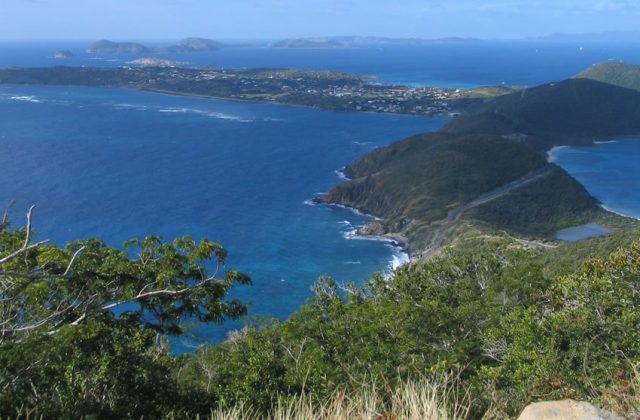
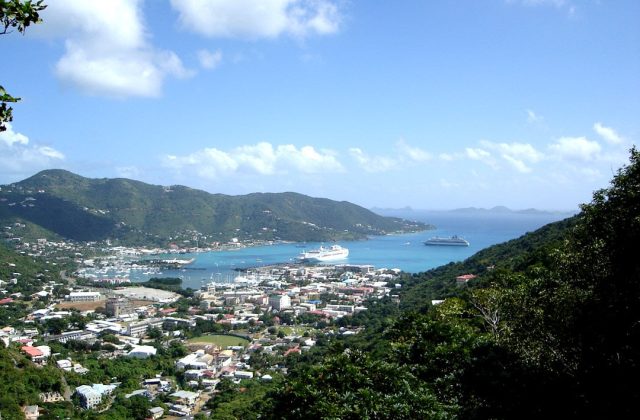
Tortola is the largest island of the British Virgin Islands, 55.7 square kilometres of steep green hills rising to…
1 tour
British Virgin Islands · Atlantic Ocean · Beach island
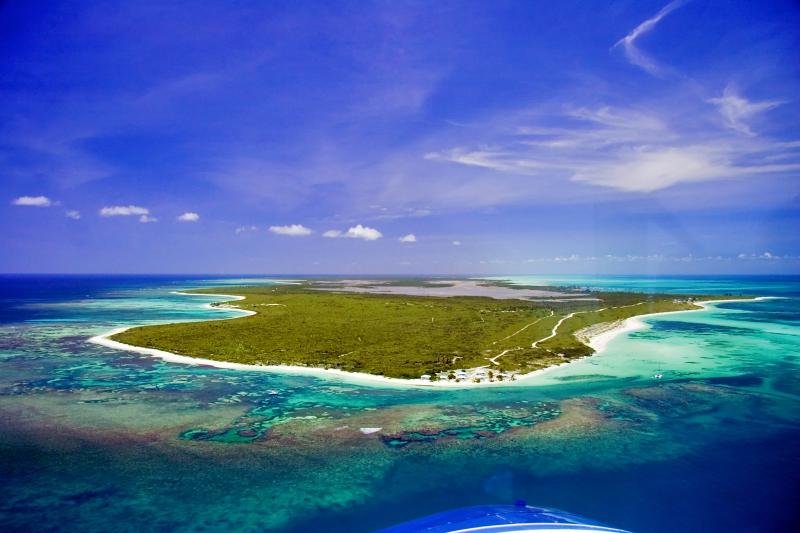
Anegada is the flat coral island at the north-eastern end of the British Virgin Islands, about 24 km north of Virgin Gorda and barely 8 metres high at its highest point. Long empty beaches, salt ponds with flamingos and the huge Horseshoe Reef, plus grilled lobster, draw sailors and day-trippers.
| Getting there | Ferry from Road Town, Tortola, about 90 min on a few days a week; charter boats and small planes |
|---|---|
| Gateway | Tortola (Road Town) |
| Travel time | About 90 min by ferry or 15 min by small plane |
| Days | 1 to 2 nights |
| Best months | Dec–Apr dry and breezy; May–Jul quieter; hurricane risk Aug–Oct |
| Getting around | Rent a jeep, scooter or bike, or use the open-air taxis from the ferry dock |
| Booking | Ferry and lobster dinners a day ahead; rooms in high season; charter boats early |
| Cost | Expensive, as everywhere in the British Virgin Islands |
| Beaches | Long white coral sand on the north shore; Loblolly Bay and Cow Wreck Beach are the best |
| Sea | Atlantic Ocean |
| Area | 38 km² |
| Population | 450 (2024) |
| Highest point | 8 m |
| Ferry | 1 h 30 min from Tortola (Road Town) |
| Car-free | No |
| Checked | October 2026 |
Nothing is sold online for Anegada on its own, and there are few package products for it, so visits are arranged directly. There are three usual ways.
The cheapest is the public ferry from Road Town on Tortola, which runs only a few days a week and takes about an hour and a half; check the current days before you plan. At the dock in Setting Point, open-air taxis wait to take passengers to the north-shore beaches and back in time for the return boat, and many visitors do it as a long day trip.
The second is a day charter on a fast powerboat from Tortola or Virgin Gorda. It costs much more, but the boat goes when you want, the crossing is quicker and the captain usually arranges a taxi, lunch and snorkel gear on the island. Groups split the price.
The third is sailing. Anegada is a classic stop on a yacht charter around the islands, but the approach through the reef is shallow and must be done in good light with care; many charter companies brief crews specially, and some skippered boats do it as part of a week.
On the island itself, snorkel gear, bikes and fishing or bonefishing guides are arranged locally. For a first visit, stay at least one night: the day trip leaves very little time on the beach.
On the north shore, about 20 minutes by taxi from the ferry dock, this long curve of white sand has the best easy snorkelling on the island: the reef starts a short swim from the beach, with brain coral, parrotfish and small rays. There are beach bars at both ends serving lunch, and plenty of empty sand between them.
Further west along the north coast, this beach is named after a ship that sank here carrying cattle bones. The water is shallow, calm and turquoise, good for children and for floating, and a bar rents loungers and serves lobster and conch. It is the classic place to spend the afternoon before the taxi back to the ferry.
Stretching for many kilometres to the south-east, this is one of the largest barrier reefs in the Caribbean and has caused hundreds of shipwrecks over the centuries. It is protected, and anchoring on it is forbidden, but dive and snorkel trips can be arranged locally to the wrecks and coral heads on calm days. Ask about conditions before you set out.
Much of the island's west is a maze of shallow salt ponds. Caribbean flamingos were reintroduced here in the 1990s after hunting wiped them out, and the flock now numbers in the hundreds. Watch them from the roadside viewpoint near the ponds with binoculars; do not walk into the wet ground, which disturbs the birds and swallows feet.
The island's only village is a quiet cluster of houses, churches and small shops on the south side. Next to the government buildings, a headstart facility raises young Anegada rock iguanas, a critically endangered species found only here, until they are big enough to survive feral cats. Ask locally about opening hours before you visit.
Anegada spiny lobster is the island's speciality, grilled over half oil drums in the restaurants around Setting Point and Pomato Point on the west end. Order by early afternoon, as the restaurants buy and cook to order, then eat with your feet in the sand as the sun goes down over the water towards the other islands.
The public ferry leaves Road Town on Tortola for Setting Point on Anegada on a few days a week, usually with a morning departure and a late afternoon return, and takes about 90 minutes; some sailings call at Spanish Town on Virgin Gorda. Tickets are bought at the ferry dock. The open crossing can be rough when the trade winds are strong. Private powerboat charters from Tortola and Virgin Gorda take about an hour and run any day. The small Auguste George Airport receives charter flights and occasional scheduled services from Beef Island airport on Tortola, about 15 minutes away, and the flight gives a striking view of the reef. To reach Tortola, fly via San Juan or Antigua, or take a ferry from St Thomas in the US Virgin Islands. Sailors anchor off Setting Point after a careful approach.
The island is about 18 km long and flat, with a single paved road round the south and west and sandy tracks to the beaches. Open-air safari taxis meet the ferries and charge per person to the north shore. Jeeps and scooters can be rented near the dock, and bicycles suit the flat roads, though there is little shade and the beaches are far apart. Driving is on the left. There is no public bus, and street lighting is minimal, so avoid driving after dark.
December to April is the dry season, with steady trade winds, temperatures around 28 degrees and sea water near 26 degrees. It is also the main sailing season, when the moorings fill and prices peak, especially around Christmas, New Year and Easter. Still, the island rarely feels busy: even in season there are only a few hundred visitors on a typical day.
May to July is warmer and calmer, with fewer boats and lower prices, and is a good time for snorkelling. The hurricane season runs from June to November, with the greatest risk from August to October; in 2017 Hurricane Irma badly damaged the islands. Some restaurants and guesthouses close in September and October. The annual lobster festival in late November celebrates the island's catch. A day trip is possible but rushed; one or two nights let you see two beaches and eat lobster at sunset.
Accommodation is limited to a few small hotels, beach cottages, campsites and villas. Setting Point and the west end, near the ferry dock and the anchorage, have the most restaurants and sunsets over the water, and suit those arriving by ferry or boat. Loblolly Bay and the north shore offer rooms right on the snorkelling beaches, quieter but far from everything else. The Settlement has a few guesthouses. Book ahead in winter, as there are few beds.
The Taino and earlier peoples fished here, and Spanish sailors named it the flooded land because it barely rises above the sea. Unlike its mountainous volcanic neighbours, Anegada is made of coral and limestone. Its reef made it notorious: hundreds of ships were wrecked on Horseshoe Reef, and for generations islanders lived partly by salvaging cargo. Fishing for lobster and conch remains a way of life, and today about 450 people live on the island, almost all in The Settlement, alongside a tourism economy built on beaches and seafood.
Anegada pairs best with Virgin Gorda, about an hour by fast boat, for The Baths and its granite boulders, and with Tortola, the hub with Road Town and the airport. A classic week of sailing links Tortola, Norman Island, Jost Van Dyke and Virgin Gorda, adding Anegada for a night when the weather is right.
44 km away
Tortola is the largest island of the British Virgin Islands, 55.7 square kilometres of steep green hills rising to…
1 tour
53 km away
Jost Van Dyke is the smallest of the four main British Virgin Islands, about 8 square kilometres of steep green hills…
1 tour
111 km away
Culebra is a small, dry island of Puerto Rico about 27 km off the main island's north-east coast, with fewer than…
6 tours & trips
Ferry from Road Town, Tortola, about 90 min on a few days a week; charter boats and small planes.
From Tortola (Road Town): about 90 min by ferry or 15 min by small plane.
1 to 2 nights.
Dec–Apr dry and breezy; May–Jul quieter; hurricane risk Aug–Oct.
Rent a jeep, scooter or bike, or use the open-air taxis from the ferry dock.
Go if you want long empty white beaches, reef snorkelling straight from the sand and fresh lobster on a very quiet island. Skip it or choose Virgin Gorda or Jost Van Dyke if you want hills, bars and shops, or a trip without a long boat ride. With about 1 h 30 min each way from Tortola (Road Town), a day trip is easy to do.
Expensive, as everywhere in the British Virgin Islands.
Long white coral sand on the north shore; Loblolly Bay and Cow Wreck Beach are the best.
Ferry and lobster dinners a day ahead; rooms in high season; charter boats early.
British Virgin Islands
Jost Van Dyke is the smallest of the four main British Virgin Islands, about 8 square kilometres of steep green hills…
1 tour
British Virgin Islands
Tortola is the largest island of the British Virgin Islands, 55.7 square kilometres of steep green hills rising to…
1 tour
British Virgin Islands
Virgin Gorda is the third-largest of the British Virgin Islands, about 21 square kilometres of hills, beaches and…
No tours listed