Tortola
British Virgin Islands
Tortola is the largest island of the British Virgin Islands, 55.7 square kilometres of steep green hills rising to…
1 tour
British Virgin Islands · Caribbean Sea · Beach island
Jost Van Dyke is the smallest of the four main British Virgin Islands, about 8 square kilometres of steep green hills with fewer than 300 residents, lying some 8 km north-west of Tortola. It is famous among sailors for its barefoot beach bars, its white sand bays and its huge New Year's Eve party.
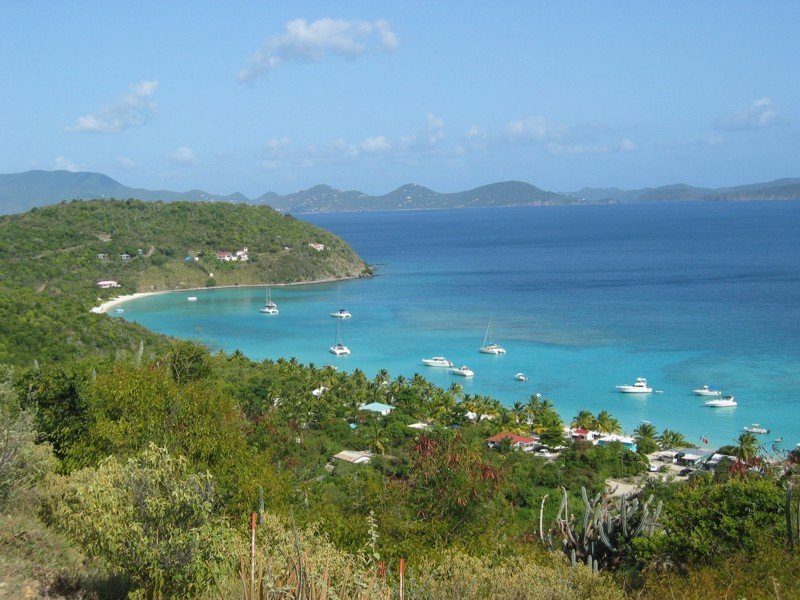
Photo: Cemerp, CC BY 3.0
| Getting there | Ferry from West End, Tortola in about 25 min; fewer boats from St Thomas and St John; many arrive by yacht |
|---|---|
| Gateway | Tortola (West End) or St Thomas (Red Hook) |
| Travel time | About 25 min by ferry from Tortola |
| Days | A day trip or 1 to 2 nights |
| Best months | Dec–Apr dry and breezy; hurricane season Jun–Nov, peak risk Aug–Oct |
| Getting around | Walk or take a taxi; the few roads are very steep; water taxis between bays |
| Booking | Charters and rooms months ahead for Christmas and New Year; ferries on the day |
| Cost | Expensive, as everywhere in the Virgin Islands |
| Beaches | Soft white sand at White Bay, the main draw; Great Harbour and Little Harbour are anchorages |
| Sea | Caribbean Sea |
| Area | 8 km² |
| Population | 298 (2010) |
| Highest point | 321 m (Majohnny Hill) |
| Ferry | 25 min from Tortola (West End) or St Thomas (Red Hook) |
| Airport | No |
| Car-free | No |
| Checked | October 2026 |
Very little is sold specifically for Jost Van Dyke, because most visitors arrive on boats that cover several islands in one day. The one product listed online is a private catamaran charter from St Thomas, which suits groups who want their own crew and timing; it usually includes the boat, skipper, snorkel gear and drinks, while lunch ashore and the BVI entry fees are extra.
Locally, day sails from Tortola, St Thomas and St John commonly combine White Bay with Sandy Cay or Sandy Spit and a snorkelling stop. Check whether your trip includes the customs clearance and passport check needed to cross between the US and British islands. Bareboat and crewed yacht charters from Tortola almost always anchor here for a night. Some catamaran day trips also offer a stop at the Bubbly Pool or lunch at Great Harbour, and a few include hotel pickup.
If you prefer to go independently, the ferry from West End is cheap and easy, and you can walk or take a taxi between the bays. For a first visit, a day sail that includes White Bay is the simplest and most enjoyable choice.
A long curve of fine white sand in front of a reef, with calm, clear water and palm-shaded bars. Boats anchor offshore and many visitors swim to the beach, which is how one bar got its name, from the wet banknotes handed over the counter. It is busiest from late morning, when the day boats arrive.
The island's main settlement is a sandy street of bars, a few shops, the customs office and the ferry dock along a sheltered bay. The best-known beach bar in the Virgin Islands stands here and hosts the famous New Year's Eve party. It is a 20-minute walk over the hill from White Bay, or a short taxi ride.
At the eastern end, near Diamond Cay, a gap in the rocks lets Atlantic swells pour into a shallow natural pool, filling it with foam. It is reached by a walk of about 20 minutes from the road end at Long Bay. It works only when there is a northerly swell; never go when waves are large.
Off the eastern tip lies Sandy Spit, a tiny islet of white sand and a few palms, and next to it Little Jost Van Dyke, birthplace of the 18th-century physician John Lettsom. Both are reached by boat, and the shallow water around the spit is good for swimming and snorkelling.
A quieter bay east of Great Harbour where yachts moor and a few family-run restaurants serve lobster in the evening. It is a 30-minute walk or short taxi ride from Great Harbour over steep roads, and a good place to stay for dinner after the day boats have left.
Live dates and prices. Free cancellation on most tours.
There is no airport on Jost Van Dyke, so everyone arrives by sea. The main ferry runs from West End on Tortola to Great Harbour several times a day and takes about 25 minutes; check the latest timetable, especially in low season.
Fewer boats run from Red Hook on St Thomas and Cruz Bay on St John, in the US Virgin Islands, and take around 45 minutes; you need a passport and must clear BVI immigration at Great Harbour, paying an entry fee. To reach the gateway, fly to St Thomas for the widest choice of flights from the United States, or to Beef Island on Tortola via Puerto Rico or Antigua. Many visitors arrive on a chartered yacht, mooring in Great Harbour, White Bay or Little Harbour.
The island has a single paved road linking the main bays, and it is extremely steep in places. Walking between Great Harbour and White Bay takes about 20 minutes over the hill, in heat that makes it harder than it looks. Open-sided taxis wait at the ferry dock and can be called by phone. Car rental is very limited and not needed for a short stay. Water taxis and dinghies also link the bays.
The dry season from December to April brings steady trade winds, sunshine and calm anchorages, and it is the busiest and most expensive time, especially around Christmas and New Year. The New Year's Eve party at Great Harbour fills the bay with hundreds of yachts and needs booking long in advance.
May and June are quieter and still good, with warmer sea. The hurricane season runs from June to November, with the highest risk from August to October, when some bars and guesthouses close and boat traffic drops. Hurricane Irma badly damaged the island in 2017, though it has largely rebuilt. The sea stays warm all year, around 26 to 29 degrees. For most visitors one day is enough, but a night or two lets you enjoy the island after the day boats have left.
Accommodation is limited to a few small hotels, villas and cottages, so book early. White Bay suits those who want the beach on their doorstep and lively bars by day. Great Harbour is the most convenient for the ferry and the evening scene. Little Harbour and the eastern end around Long Bay are the quietest. Many visitors prefer to sleep on Tortola or St John and come for the day.
Jost Van Dyke is said to be named after a 17th-century Dutch privateer who used its harbours, though there is little proof. The English took the Virgin Islands in 1672, and in the 18th century Quaker planters settled here and on Little Jost Van Dyke, where the physician John Lettsom, later founder of the Medical Society of London, was born. After the plantations failed, a small community lived by fishing, farming and boatbuilding. Paved roads and mains electricity arrived late, and yacht tourism turned beach bars into the island's livelihood.
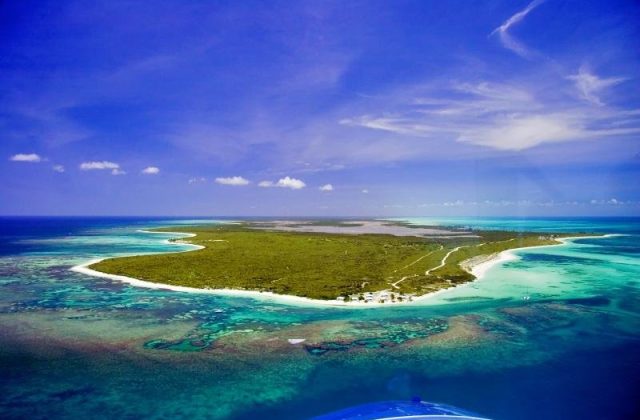
Jost Van Dyke is a standard stop on a sailing route around the British Virgin Islands: Tortola is 25 minutes away, Norman Island and the caves about an hour by yacht, and Virgin Gorda's Baths a long day's sail east. From St Thomas and St John it is an easy day trip by ferry or charter. Anegada, flat and remote, makes a contrasting final stop.
Ferry from West End, Tortola in about 25 min; fewer boats from St Thomas and St John; many arrive by yacht.
From Tortola (West End) or St Thomas (Red Hook): about 25 min by ferry from Tortola.
A day trip or 1 to 2 nights.
Dec–Apr dry and breezy; hurricane season Jun–Nov, peak risk Aug–Oct.
Walk or take a taxi; the few roads are very steep; water taxis between bays.
Go if you want a day of beach bars, soft sand and swimming ashore from a boat in the Virgin Islands. Skip it or choose Virgin Gorda or St John if you want hiking, varied snorkelling and a choice of restaurants and hotels. With about 25 min each way from Tortola (West End) or St Thomas (Red Hook), a day trip is easy to do.
Expensive, as everywhere in the Virgin Islands.
Soft white sand at White Bay, the main draw; Great Harbour and Little Harbour are anchorages.
Charters and rooms months ahead for Christmas and New Year; ferries on the day.
Yes. Boat trips, guided tours and day trips for Jost Van Dyke can be booked online; live prices and free cancellation on most are shown on this page.
British Virgin Islands
Tortola is the largest island of the British Virgin Islands, 55.7 square kilometres of steep green hills rising to…
1 tour
British Virgin Islands
Anegada is the flat coral island at the north-eastern end of the British Virgin Islands, about 24 km north of Virgin…
No tours listed
British Virgin Islands
Virgin Gorda is the third-largest of the British Virgin Islands, about 21 square kilometres of hills, beaches and…
No tours listed