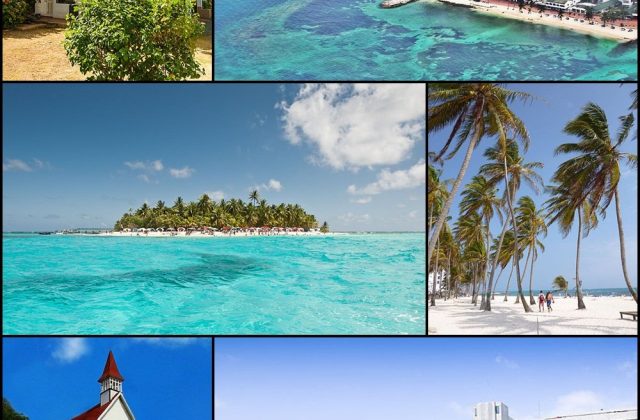
Rosario Islands
Colombia
The Rosario Islands are a group of small coral islands about an hour by speedboat southwest of Cartagena, inside a…
90 tours & trips
Colombia · Caribbean Sea · Beach island
Baru is a low island of mangroves and white-sand beaches just south of Cartagena, separated from the mainland only by the Canal del Dique and now linked to it by a bridge. It is the closest place to the city with clear turquoise water, and Playa Blanca is Cartagena's favourite beach day.
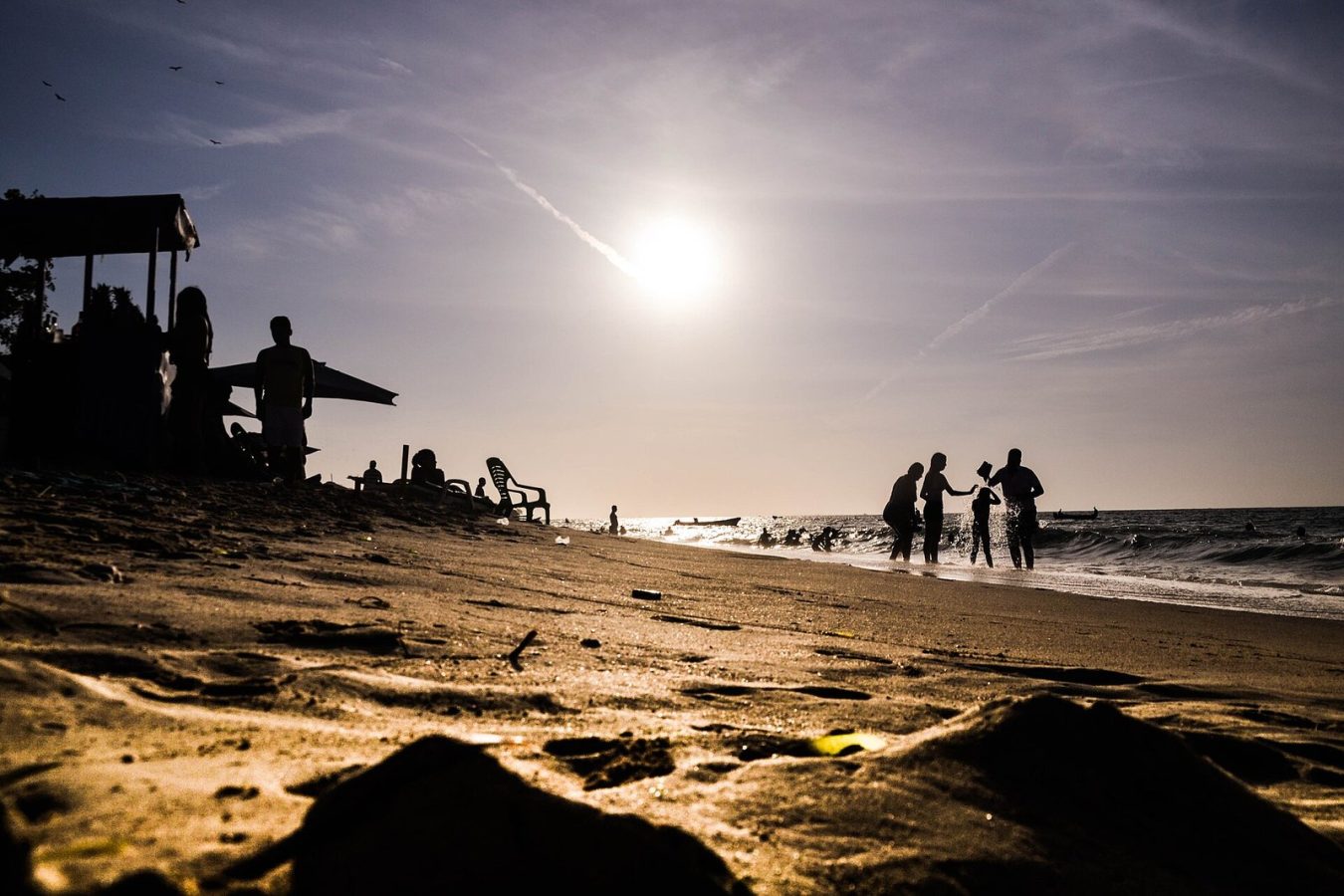
Photo: TitiNicola, CC BY-SA 4.0
| Getting there | About 1 to 1.5 h by road over the Canal del Dique bridge, or 45 min by speedboat from Cartagena |
|---|---|
| Gateway | Cartagena |
| Travel time | 1 to 1.5 h by road or 45 min by speedboat |
| Days | A day trip; one night for the plankton |
| Best months | Dec–Apr dry and breezy; Oct–Nov wettest |
| Getting around | Taxis and vans from Cartagena; mototaxis on the island; boats to the coves |
| Booking | Beach club day passes and boat trips a day ahead; rooms for holidays early |
| Cost | Mid-range; beach clubs cost more than Playa Blanca |
| Beaches | Soft white sand; Playa Blanca the busiest, Playa Tranquila and Agua Azul calmer |
| Sea | Caribbean Sea |
| Airport | No |
| Car-free | No |
| Bridge | Road bridge or causeway to the mainland |
| Checked | November 2026 |
Almost everything sold for Baru starts in Cartagena, and the choice is about how you get there and where you spend the day.
The standard trip is a beach day at Playa Blanca: either a speedboat from the tourist pier near the walled city, about 45 minutes, or a bus over the bridge with hotel pickup, plus a fish lunch and a few hours on the sand. Port tax, sunbeds and drinks are often extra. Speedboat combos stop at two to five places on the way, typically the Rosario Islands reefs or aquarium, Agua Azul and the Cholon sandbar, where party boats anchor with music.
Beach club day passes at Playa Tranquila and near Baru village cost more but buy a pool, loungers, a welcome drink, lunch and fewer vendors; several include the bus. Evening trips pair sunset on the beach with a night swim in a mangrove lagoon where plankton glow. Smaller options include the National Aviary on the Baru road, kayaking and snorkelling in the mangroves, shipwreck snorkelling, try-dives for beginners, and private boats or transfers.
For a first visit take the speedboat day to Playa Blanca, and stay a night if you want the plankton without a late drive back.
The long beach on the western side is the main draw: fine white sand, shallow clear water and wooden huts serving fried fish and coconut rice. By late morning boats from Cartagena unload hundreds of day visitors, and vendors offer massages and souvenirs persistently. Walk away from the central section for more space, and agree prices before accepting anything.
After dark, boats take small groups into the mangrove lagoons near Playa Blanca, where microscopic plankton glow blue-green as you move in the water. The effect is strongest on moonless nights and after calm weather. It is only practical if you stay the night on the island or join an evening tour from Cartagena.
North of Playa Blanca, these quieter stretches of sand have fewer hawkers and several beach clubs with day passes. The water is just as clear and calm, and the atmosphere is more relaxed. Reach them by mototaxi along the sandy track or by boat; allow 15 to 20 minutes from the main beach.
On the road to Playa Blanca, a short drive after the bridge, the aviary keeps well over a thousand birds of more than 100 species from across Colombia in walk-through enclosures by habitat: macaws, toucans, flamingos and a harpy eagle. Allow about two hours, go early before the heat, and combine it with the beach.
Cholon is a shallow sandbar lagoon off the northern tip where speedboats anchor and floating bars and music turn it into a party on weekends. Further out, the coral islands of the Rosario archipelago, a national park, offer the best snorkelling around Cartagena and an aquarium on San Martin de Pajarales.
Our pick for each kind of trip, with live dates and prices. Free cancellation on most.
Best for: First visit, a beach day by speedboat
The quickest way to Playa Blanca, by speedboat from the Cartagena pier with lunch, leaving most of the day for swimming before the boat back.
There are two ways from Cartagena. By road, the route crosses the bridge over the Canal del Dique, opened in 2014, and takes about an hour to Playa Blanca, longer in traffic; taxis, shared vans and tour buses all make the trip, and the last stretch passes small villages and mangroves.
By sea, speedboats leave every morning from the tourist pier near the walled city and take about 45 minutes, sometimes with stops at the Rosario Islands. The ride can be bumpy and wet in the windy months, and a port tax is charged at the pier.
Rafael Nunez airport in Cartagena is the nearest airport, with flights from Bogota and Medellin. A hire car is not needed.
Baru is long and thin, with one main road from the bridge to Playa Blanca and sandy tracks beyond. Most visitors never use more than their arrival transport: the bus or boat drops you at the beach and collects you in the afternoon. Mototaxis wait at the end of the road and run between beaches and villages; agree the fare first. Boats can be hired to the plankton lagoon and the Rosario Islands. Walking along the beach between clubs is easy.
The dry season from December to April is the most reliable time: sunny, with steady trade winds that cool the air but can make the speedboat crossing rough. December, January and Holy Week are high season, when Colombian families fill the beaches and prices rise.
May to November is hotter and more humid, with rain usually falling in short afternoon storms. October and November are the wettest months, when the sea can turn murky after heavy rain. June to August often brings a short dry spell and school holidays.
The sea stays warm all year, around 27 to 29 degrees. Avoid weekends and public holidays if you dislike crowds; on weekdays even Playa Blanca can be peaceful in the early morning. One day is enough to see the main beach; stay one night if you want to see the plankton and an empty beach at dawn.
Most visitors stay in Cartagena and come for the day. If you want to stay over, simple cabanas and hammock places line Playa Blanca, often with shared bathrooms and electricity only in the evening, so you get the beach to yourself after the boats leave. Boutique hotels and beach clubs with rooms along Playa Tranquila and around Barú village suit couples looking for comfort. A few glamping sites offer more privacy.
Baru was a peninsula until the Spanish dug the Canal del Dique in the 17th century to link Cartagena with the Magdalena River, cutting it off from the mainland. The island's villages, such as Barú, Santa Ana and Ararca, are Afro-Colombian communities descended from enslaved Africans brought to Cartagena, and fishing and coconut farming were long the main work. Paved roads and the bridge arrived only in this century, bringing day trips, beach clubs and, with them, disputes over land and access.
Baru combines naturally with Cartagena, an hour away, and with a boat day to the Rosario Islands just offshore. Tierra Bomba, ten minutes by boat from the city, is a closer and simpler beach alternative. For a longer route, continue to San Bernardo islands to the south or, further along the coast, to Tayrona National Park near Santa Marta, about five hours away.
About 1 to 1.5 h by road over the Canal del Dique bridge, or 45 min by speedboat from Cartagena.
From Cartagena: 1 to 1.5 h by road or 45 min by speedboat.
A day trip; one night for the plankton.
Dec–Apr dry and breezy; Oct–Nov wettest.
Taxis and vans from Cartagena; mototaxis on the island; boats to the coves.
Go if you want an easy Caribbean beach day from Cartagena, with calm water, seafood lunches and plankton at night. Skip it or choose the Rosario Islands if you want better snorkelling, fewer vendors and less of a party crowd.
Mid-range; beach clubs cost more than Playa Blanca.
Soft white sand; Playa Blanca the busiest, Playa Tranquila and Agua Azul calmer.
Beach club day passes and boat trips a day ahead; rooms for holidays early.
Yes. Boat trips, guided tours and day trips for Baru can be booked online; live prices and free cancellation on most are shown on this page.
Colombia
The Rosario Islands are a group of small coral islands about an hour by speedboat southwest of Cartagena, inside a…
90 tours & trips
San Andres and Providencia, Colombia
San Andres is a small coral island in the western Caribbean, about 26 square kilometres, belonging to Colombia but…
80 tours & trips