Baru
Colombia
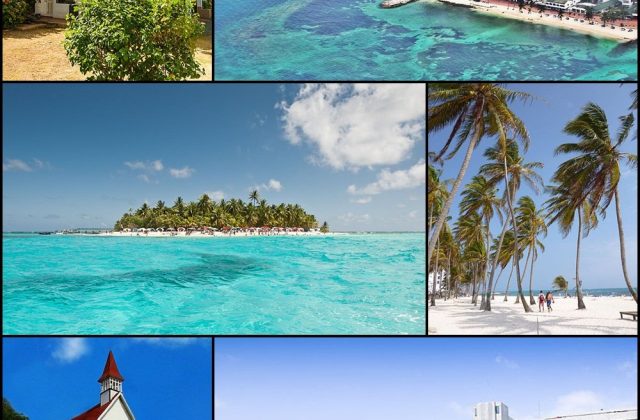
Baru is a low island of mangroves and white-sand beaches just south of Cartagena, separated from the mainland only by…
144 tours & trips
Colombia · Caribbean Sea · Beach island
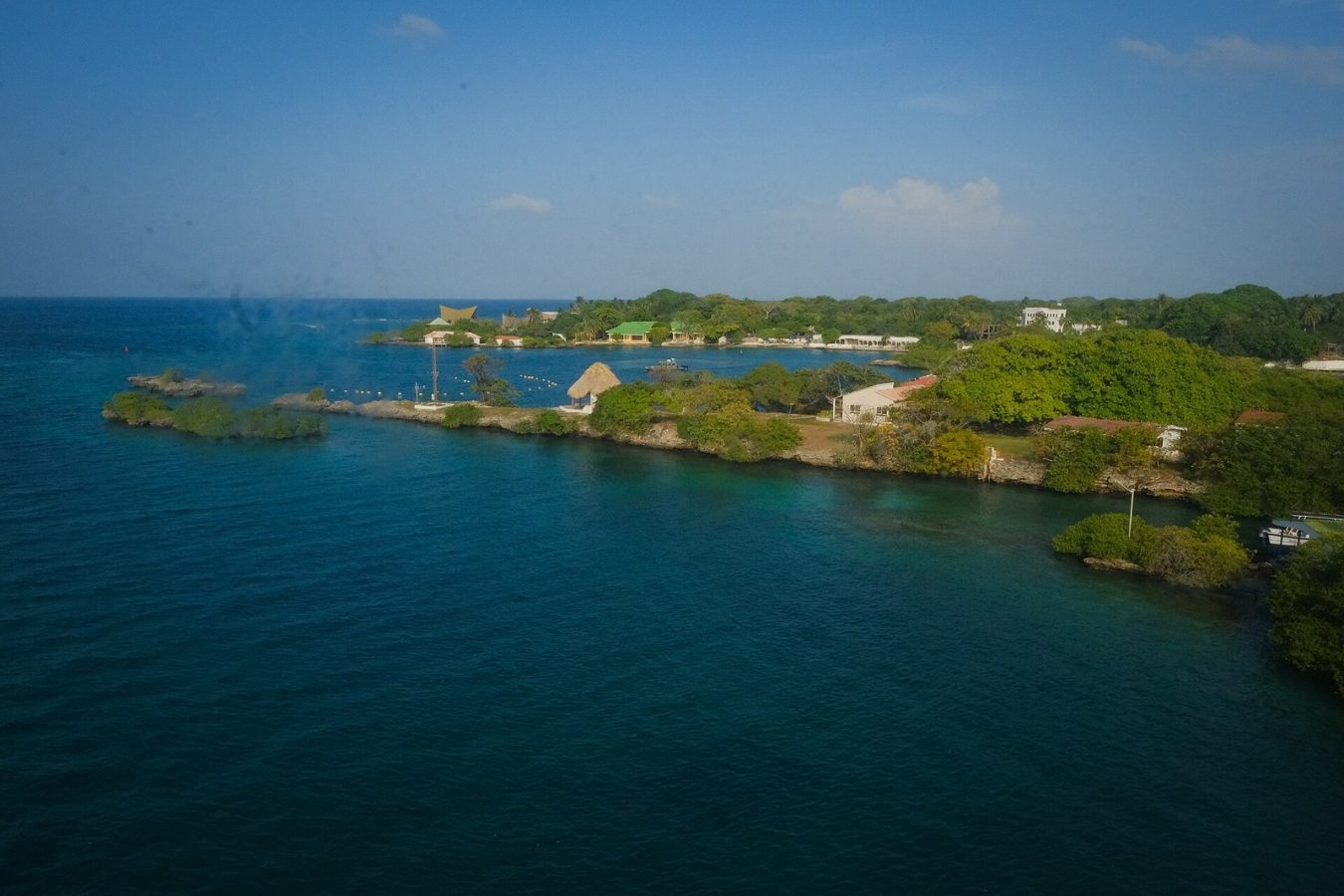
The Rosario Islands are a group of small coral islands about an hour by speedboat southwest of Cartagena, inside a national park that protects one of the main coral reefs of Colombia's Caribbean coast. They are the classic boat day from Cartagena: clear water, beach clubs and reef snorkelling.
| Getting there | Speedboats from the Cartagena tourist pier in about 1 h; boats also from Baru |
|---|---|
| Gateway | Cartagena |
| Travel time | About 1 h by speedboat |
| Days | A day trip; one night on Isla Grande |
| Best months | Dec–Apr dry but windy crossings; Oct–Nov wettest |
| Getting around | By boat between islands; walk on the islands; no roads or cars |
| Booking | Day passes and boats a few days ahead in high season; port and park fees on the day |
| Cost | Mid-range; private island clubs cost more |
| Beaches | Small coral-sand beaches at the clubs; Isla Grande has the longest; much of the shore is mangrove |
| Sea | Caribbean Sea |
| Airport | No |
| Checked | November 2026 |
Almost everything for the Rosario Islands is sold in Cartagena, with boats leaving the tourist pier in the morning and returning around 4 or 5 pm. The archipelago lies about an hour away by speedboat, past the fortresses of Bocachica.
There are four main formats. The classic shared tour visits several islands: the oceanarium on San Martin de Pajarales, snorkelling on the park reef, a swim at a sandbank and an afternoon at Playa Blanca on Baru, with lunch. It is the cheapest option but long and crowded. The second is a day pass to a beach club on one of the small private islands, such as Isla del Sol, Cocoliso or Pao Pao, with boat transport, lunch, loungers and often an open bar, spending most of the day in one place; clubs range from simple to luxurious.
The third is the party boat with a DJ that anchors at the Cholon sandbar, and the fourth a private speedboat or catamaran that lets a group choose its islands and timing. Evening versions stay out to swim with glowing plankton, and dive centres run try-dives and double dives for certified divers.
Transport and lunch are usually included; the port tax and park entry are often paid separately. A beach club pass is the best choice for most visitors, and the snorkel tour for those who want to see the reef.
The largest island has mangroves, inland lagoons, a small Afro-Colombian village called Orika and simple eco-lodges. Paths cross it in about an hour, and after dark boats take visitors into the Laguna Encantada to swim among glowing plankton. Stay a night to see it without day-trippers, and bring cash and insect repellent.
Many of the small islands are private, with a single hotel or club. A day pass buys a boat seat, a beach, a lounger, lunch and often kayaks and snorkel gear. Atmosphere varies widely: some clubs are quiet and family-friendly, others play loud music. Choose by reviews, and check how much sand there really is.
The park protects coral reefs, seagrass and mangroves, with brain coral, sea fans and tropical fish in shallow water around the islands. Coral has suffered from warming water and sediment from the Canal del Dique, so visibility and coral health vary. Snorkel early, and dive with a school to reach better sites.
On the island of San Martin de Pajarales, an open-sea aquarium built into pens in the sea shows sharks, turtles, rays and reef fish, with a dolphin show that divides opinion. It is a standard stop on shared tours and holds a visit of about an hour; the entry fee is extra.
Between the islands and Baru, Cholon is a shallow lagoon where speedboats anchor side by side and visitors stand waist-deep with music, drinks and food sold from canoes. It is crowded and loud on weekends, especially on Colombian holidays. Other sandbars offer quieter swimming in turquoise water.
Our pick for each kind of trip, with live dates and prices. Free cancellation on most.
Best for: First visit, a classic island day
A speedboat day from Cartagena with snorkelling on the park reef, lunch and beach time, without the party atmosphere of the open-bar boats.
Boats to the islands leave from the Muelle de la Bodeguita, the tourist pier beside the walled city of Cartagena, mostly between 8 and 9 am. The crossing takes about an hour by speedboat, passing the old forts at the mouth of the bay, and slower boats take longer. A port tax is collected at the pier, and the national park fee may be charged separately.
The crossing can be rough and wet, especially from December to April when the trade winds are strong; sit at the back and protect phones in a bag. Some boats also leave from Baru, which is reached by road over the bridge and is closer to the islands.
Cartagena's Rafael Nunez airport has frequent flights from Bogota and Medellin.
There are no roads, cars or bridges between the islands. Boats are the only transport: your tour or beach club arranges the trip, and private speedboats or local launches can be hired for island-hopping. On Isla Grande you can walk the sandy paths between the village, lagoons and lodges. Other islands are small enough to cross in minutes, and many are private, so landing is limited to guests.
The dry season from December to April brings the sunniest days and the clearest water, but also strong trade winds that make the morning crossing bumpy, with afternoon returns rougher still. December, January and Holy Week are the busiest weeks, when Colombian holidaymakers fill the boats and clubs.
From May to November the weather is hotter and more humid, with frequent afternoon showers, and the sea is often calmer. October and November are the wettest months, when runoff can cloud the water. A short drier spell often comes in June and July, which coincides with the mid-year school holidays.
The sea stays warm, around 27 to 29 degrees, all year. Weekdays are always quieter than weekends. A day trip is enough for most people, but a night on Isla Grande allows the plankton swim.
Most visitors stay in Cartagena and come for the day, which suits a short trip. Isla Grande has eco-lodges and guesthouses with hammocks and simple rooms, where you can watch the islands empty after the boats leave and swim with plankton at night. A few private islands have boutique hotels, expensive but quiet. For more beach choice and road access, Baru is an alternative base.
The islands were low coral outcrops used by fishermen and Afro-Colombian communities descended from people enslaved in Cartagena. From the mid-20th century wealthy families from Bogota and Cartagena built holiday homes on many of them, and some estates were later linked to drug money. The area became a national park, later extended to the San Bernardo islands, and disputes over ownership of the islands and their beaches have continued since, as hotels and day-pass clubs gradually replaced many of the old holiday homes.
The islands combine naturally with Cartagena, an hour by boat, and with Baru next door, which has Playa Blanca and is reachable by road. For more islands, the San Bernardo archipelago lies further south, including Santa Cruz del Islote, one of the most densely populated islands in the world. Tierra Bomba is a short trip from the city.
Speedboats from the Cartagena tourist pier in about 1 h; boats also from Baru.
From Cartagena: about 1 h by speedboat.
A day trip; one night on Isla Grande.
Dec–Apr dry but windy crossings; Oct–Nov wettest.
By boat between islands; walk on the islands; no roads or cars.
Go if you want a day of clear Caribbean water, beach clubs and easy snorkelling within reach of Cartagena. Skip it or choose Baru by road if speedboats make you seasick, or Providencia if you want healthy coral and real solitude.
Mid-range; private island clubs cost more.
Small coral-sand beaches at the clubs; Isla Grande has the longest; much of the shore is mangrove.
Day passes and boats a few days ahead in high season; port and park fees on the day.
Yes. Boat trips, guided tours and day trips for Rosario Islands can be booked online; live prices and free cancellation on most are shown on this page.
Colombia
Baru is a low island of mangroves and white-sand beaches just south of Cartagena, separated from the mainland only by…
144 tours & trips
San Andres and Providencia, Colombia
San Andres is a small coral island in the western Caribbean, about 26 square kilometres, belonging to Colombia but…
80 tours & trips