Isle of Skye
Inner Hebrides, United Kingdom
The Isle of Skye is the largest island of the Inner Hebrides, 1,656 square kilometres of sea lochs, moorland and jagged…
62 tours & trips
United Kingdom · North Sea & Channel · Nature & wildlife island
The Farne Islands are a group of 15 to 20 low rocky islands two to seven kilometres off the Northumberland coast, depending on the tide. In early summer they hold one of the largest seabird colonies in England, with puffins, terns and guillemots close enough to photograph from a boardwalk, and in autumn thousands of grey seals breed on the outer rocks.
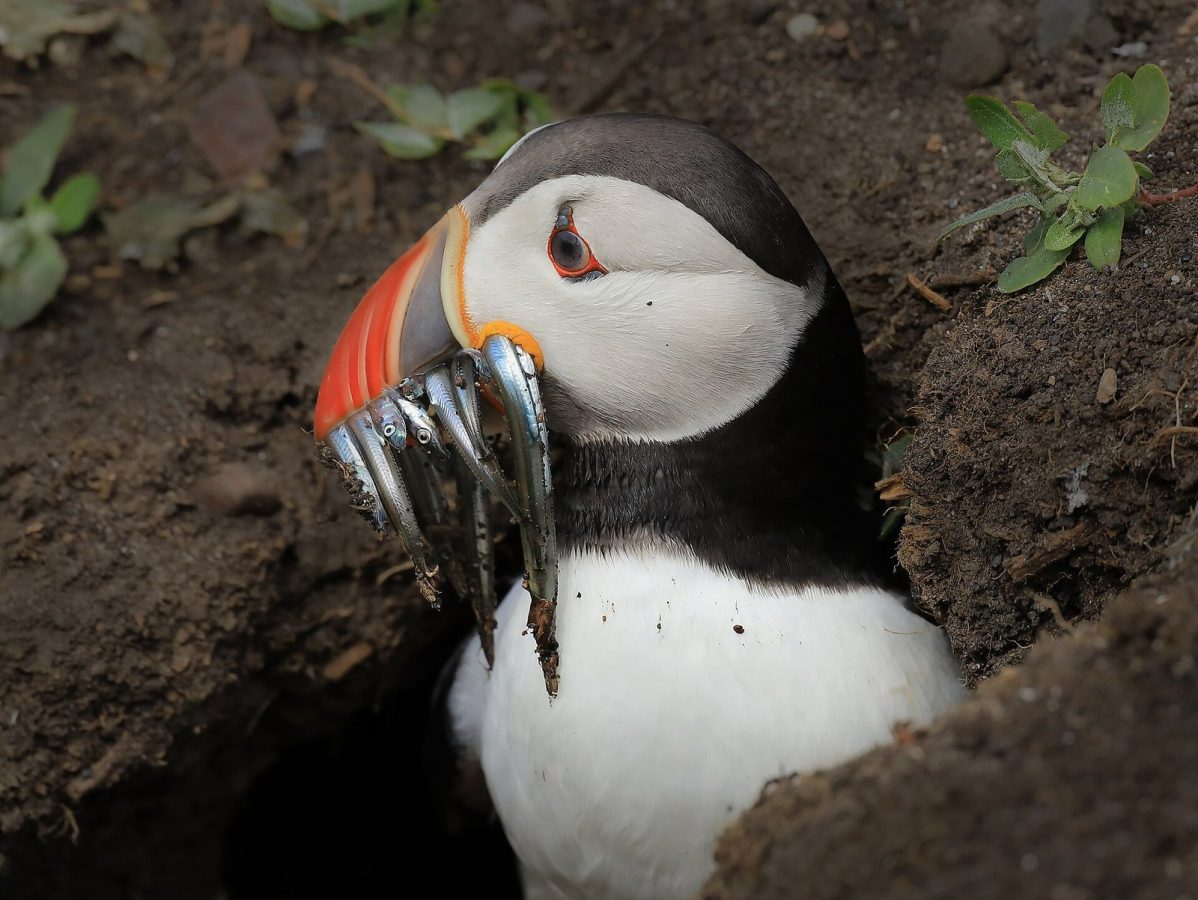
Photo: Charlie Marshall from Bristol UK, United Kingdom, CC BY 2.0
| Getting there | Boat trips from Seahouses harbour, 15 to 30 minutes to the islands; tours last 1.5 to 6 hours |
|---|---|
| Gateway | Seahouses (Northumberland) |
| Travel time | 15 to 30 min by boat from Seahouses |
| Days | A day trip is enough |
| Best months | May–Jul for puffins and nesting seabirds; Oct–Nov for seal pups |
| Getting around | Only on foot on the boardwalks of Inner Farne and Staple; no facilities, no overnight stays |
| Booking | Landing trips a day or two ahead in May–July; check the weather on the morning |
| Cost | Mid-range; landing fee for non-members of the National Trust |
| Beaches | No beaches to use; long sandy beaches at Bamburgh and Beadnell on the mainland |
| Sea | North Sea & Channel |
| Area | 1 km² |
| Population | Uninhabited |
| Highest point | 19 m (Inner Farne) |
| Airport | No |
| Checked | October 2026 |
Every visit is a boat trip from the harbour at Seahouses, where several family-run boat companies sell tickets from kiosks on the quay and online. The trips fall into a few kinds.
The shortest are cruises of about one and a half to two hours that circle the islands without landing. You see grey seals hauled out on the rocks, guillemots and kittiwakes packed on the cliffs of the Pinnacles and, in the breeding season, puffins on the water. They suit families and anyone with limited time.
Landing trips add an hour or so ashore on Inner Farne, where a boardwalk runs through the nesting colonies, or on Staple Island in the Outer Group. These take about three hours. The National Trust charges a separate landing fee, paid on the island, unless you are a member.
Other trips head to the Longstone lighthouse, linked with the rescue by Grace Darling, sometimes with a visit inside. All-day birdwatching trips land on both islands, and in some years dive boats take divers down to swim with seals.
The ticket covers the boat and a skipper's commentary; food, drink and the landing fee are extra. For a first visit in May, June or early July, choose a trip that lands on Inner Farne, and wear a hat against the terns.
The largest and closest island has a boardwalk through nesting puffins, Arctic terns, eider ducks and shags. Terns nest beside the path and dive at heads, so a hat is essential. Rangers live here in season and explain the colony. By the landing stage, look into St Cuthbert's Chapel and the old pele tower.
A short crossing from Inner Farne in the Outer Group, Staple Island has the most dramatic bird cliffs. The Pinnacles, three stacks of rock just offshore, are covered with guillemots so tightly packed that their backs touch, with razorbills and kittiwakes on the ledges and puffins burrowing in the grassy top.
Thousands of grey seals live around the islands all year, lying on the low rocks and watching boats from the water. In October and November the cows give birth on the outer islands, and the white-coated pups are visible from boats. Landing is not allowed then, but seal cruises run whenever the sea permits.
The red and white tower on the outermost rock was home to the keeper William Darling and his daughter Grace, who rowed out with him in a storm in 1838 to save survivors of the steamer Forfarshire. Some boats circle or land at the lighthouse and show the room where the family lived.
The little fishing town is where every trip starts. Walk round the harbour wall to see the boats and the islands on the horizon, buy fish and chips or kippers from the local smokehouse, and visit the lifeboat station. Arrive early on summer mornings, as the car parks fill quickly.
Five kilometres north of Seahouses, Bamburgh has a huge castle on a rock above a wide sandy beach, and a small museum run by the lifeboat charity telling the story of Grace Darling, including the coble she rowed. Her grave is in the churchyard of St Aidan's, facing the islands.
Our pick for each kind of trip, with live dates and prices. Free cancellation on most.
Best for: First visit, landing on Inner Farne
Lands you on the main bird island for about an hour among nesting puffins and terns, after a slow cruise past the seal rocks and cliffs.
Boats leave from Seahouses, a fishing village on the Northumberland coast about an hour and a quarter by car north of Newcastle. Trips run from roughly March or April to October, several times a day in summer, weather permitting; in winter there are only occasional seal trips. The crossing to Inner Farne takes about 15 minutes, longer to the Outer Group. If the swell is high, sailings are cancelled or landings dropped, so keep the morning free and check at the kiosks.
Without a car, take a train to Newcastle, Alnmouth or Berwick-upon-Tweed and then the coastal bus that runs through Seahouses. The nearest airport is Newcastle. There is long-stay parking near the harbour, and the islands themselves have no jetty for private boats except the landing stages used by the licensed operators.
On the islands you walk. Inner Farne and Staple Island have fixed boardwalks and paths, and visitors must stay on them to protect nests and burrows; the rest of the group is closed to landing. There are toilets on Inner Farne but no shop or cafe, so bring water and food for long trips. On the mainland, a car is the easiest way to link Seahouses, Bamburgh and Beadnell, though buses run along the coast.
The bird season decides everything. Puffins arrive in April and leave by late July or early August, with the peak of nesting activity from May to mid-July, when the terns also nest by the paths. This is the busiest time, and the boats fill on fine days and weekends, so book landing trips a day or two ahead. Bring warm layers: even in June the North Sea wind is cold.
From August the colonies empty and trips focus on seals. The pupping season runs from October into December, when hundreds of pups are born on the outer islands. Landing stops then, but cruises sail on calm days. Winter trips are rare and often cancelled.
In some recent years bird flu has closed the islands to landing for part of the season, so check before you travel. Half a day is enough for one trip; a full day allows a landing trip and Bamburgh.
No one may stay on the islands apart from the rangers. Seahouses is the obvious base, with guesthouses, holiday cottages and pubs a few minutes' walk from the boats, ideal for an early departure. Bamburgh is smaller and prettier, with the castle and beach on the doorstep. Beadnell, just south, suits families and watersports. Alnwick, 25 minutes inland, has more choice and the castle and garden, and makes sense if you are touring the county.
The Farnes were a place of retreat for the early Northumbrian church. Saint Aidan used Inner Farne for prayer from 651, and Saint Cuthbert lived there as a hermit and died on the island in 687. Benedictine monks from Durham kept a small cell until the Reformation, and their chapel and the defensive tower of Prior Castell survive. Lighthouses followed the many wrecks on the rocks. The National Trust took over in 1925 and the islands have been managed for seabirds and seals ever since.
The Farnes fit into a few days on the Northumberland coast. Bamburgh Castle is ten minutes north by car, and Lindisfarne, the tidal Holy Island linked to Saint Cuthbert, is about 30 minutes away, crossed by causeway at low tide. Dunstanburgh Castle is a coastal walk from Craster, and Alnwick Castle is 25 minutes inland. Newcastle and Edinburgh are each within two hours.
Boat trips from Seahouses harbour, 15 to 30 minutes to the islands; tours last 1.5 to 6 hours.
From Seahouses (Northumberland): 15 to 30 min by boat from Seahouses.
A day trip is enough.
May–Jul for puffins and nesting seabirds; Oct–Nov for seal pups.
Only on foot on the boardwalks of Inner Farne and Staple; no facilities, no overnight stays.
Go if you want puffins, nesting seabirds and grey seals at close range on an easy half-day trip from Seahouses. Skip it or choose Lindisfarne if you get seasick, travel in winter or want an island with a village to explore.
Mid-range; landing fee for non-members of the National Trust.
No beaches to use; long sandy beaches at Bamburgh and Beadnell on the mainland.
Landing trips a day or two ahead in May–July; check the weather on the morning.
Yes. Boat trips, guided tours and day trips for Farne Islands can be booked online; live prices and free cancellation on most are shown on this page.
Inner Hebrides, United Kingdom
The Isle of Skye is the largest island of the Inner Hebrides, 1,656 square kilometres of sea lochs, moorland and jagged…
62 tours & trips
Northern Isles, United Kingdom
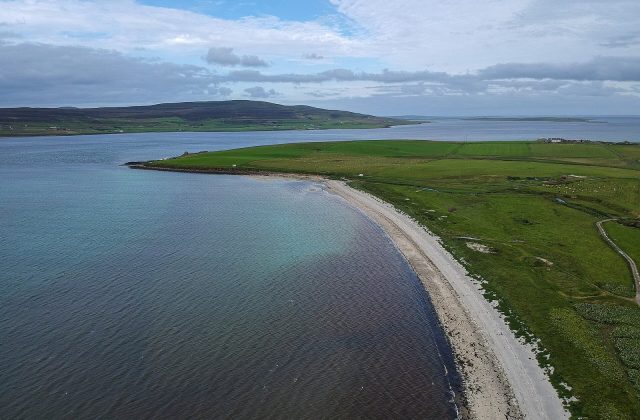
Orkney is an archipelago of about 70 low, green islands off the north coast of Scotland, 20 of them inhabited, with the…
23 tours & trips
United Kingdom
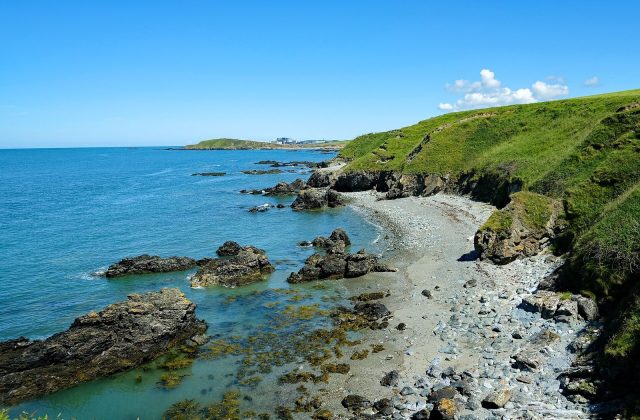
Anglesey is the largest island in Wales, about 676 square kilometres of farmland and coves joined to the mainland by…
14 tours & trips
United Kingdom
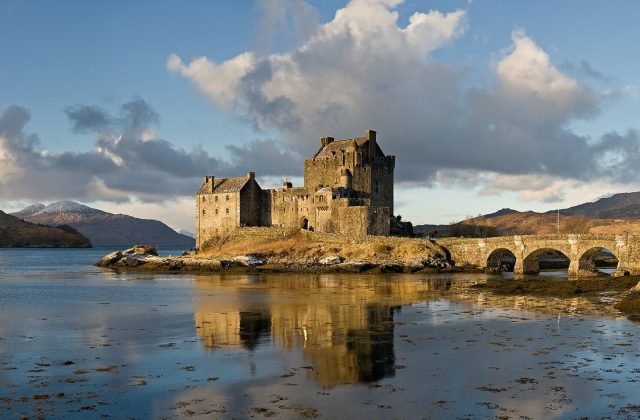
Eilean Donan is a small tidal island where three sea lochs meet in the western Highlands of Scotland, joined to the…
10 tours & trips
Channel Islands, United Kingdom
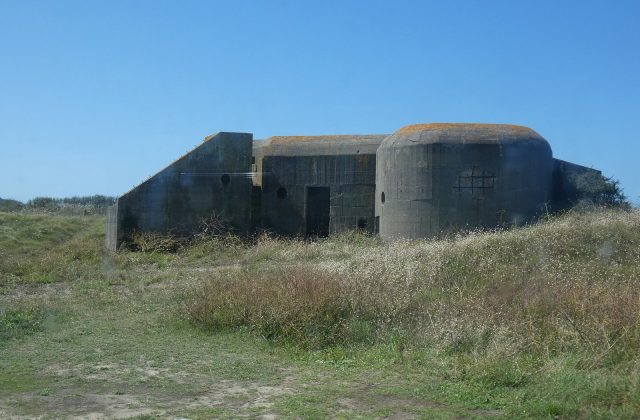
Guernsey is the second-largest of the Channel Islands, a self-governing British Crown dependency in the Gulf of St…
8 tours & trips
Inner Hebrides, United Kingdom
Mull is the second-largest island of the Inner Hebrides, a 45-minute ferry crossing from Oban on the west coast of…
8 tours & trips