Jersey
Channel Islands, United Kingdom
Jersey is the largest of the Channel Islands, a self-governing British Crown Dependency about 23 km off the coast of…
5 tours & trips
United Kingdom · North Sea & Channel · Historic island
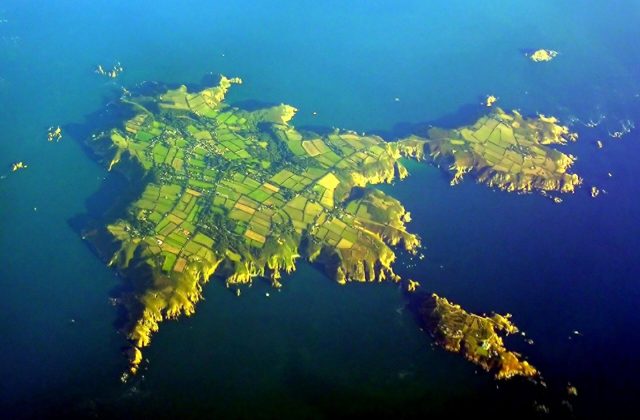
Guernsey is the second-largest of the Channel Islands, a self-governing British Crown dependency in the Gulf of St Malo, closer to Normandy than to England. Its harbour capital, St Peter Port, cliff paths, sandy west-coast bays and the bunkers of the German occupation make it a varied short break.
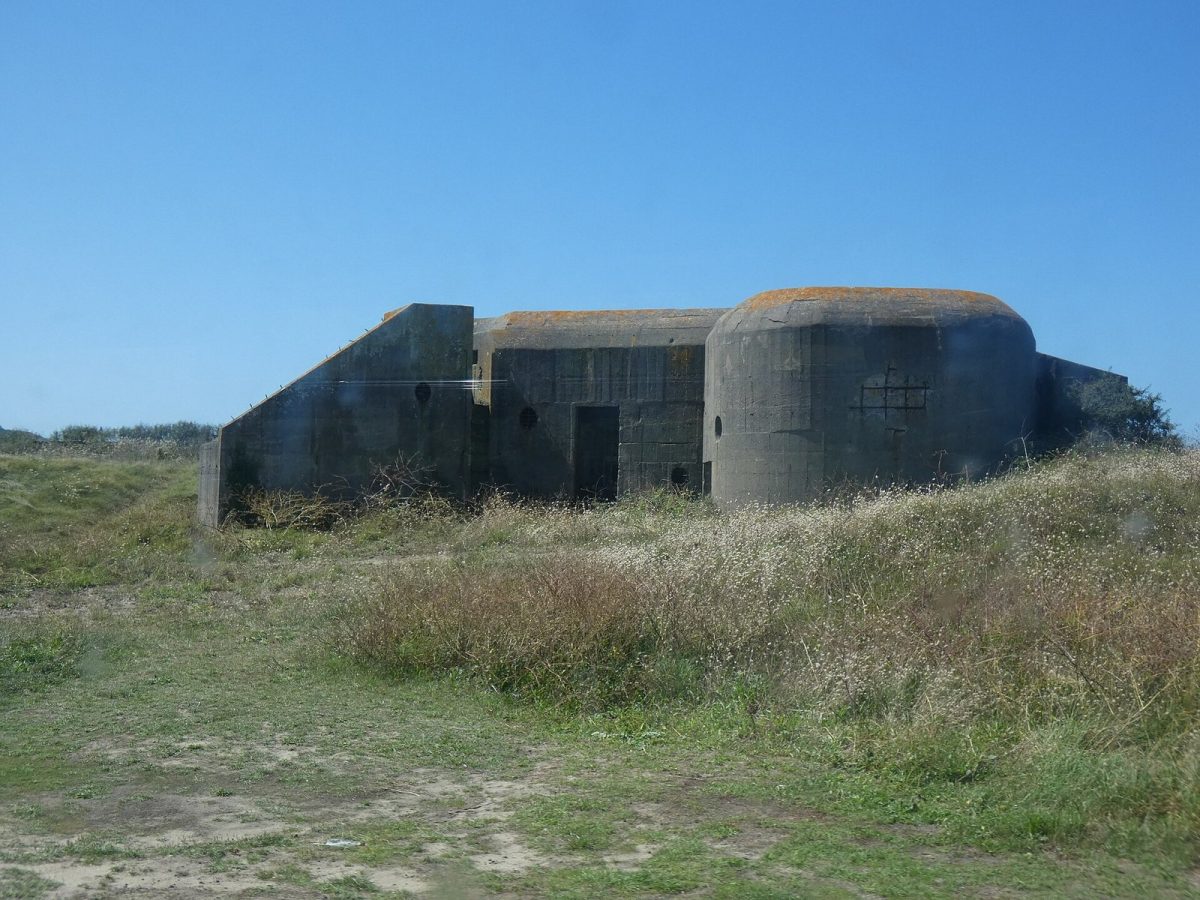
Photo: David.Monniaux, CC BY-SA 4.0
| Getting there | Flights of about 1 h from London and other UK airports; fast ferries from Poole and Portsmouth, and from St Malo |
|---|---|
| Gateway | London or Southampton (air); Poole or Portsmouth (ferry) |
| Travel time | About 1 h by air or 3 h by fast ferry from Poole |
| Days | 3 to 5 nights |
| Best months | May–Sep; Apr–May for wild flowers; quiet and often windy in winter |
| Getting around | Cheap island-wide buses; car rental easy; narrow lanes with a 35 mph limit |
| Booking | Summer ferries with a car and hotels well ahead; Herm and Sark boats a day ahead |
| Cost | Expensive, similar to southern England |
| Beaches | Sandy bays on the west and north (Cobo, Vazon, L'Ancresse); small coves below the south cliffs |
| Sea | North Sea & Channel |
| Archipelago | Channel Islands |
| Area | 63 km² |
| Population | 64,781 (2023) |
| Highest point | 110 m |
| Airport | Yes, scheduled flights |
| Car-free | No |
| Checked | October 2026 |
Guernsey is easy to explore independently by bus, car or on foot, so tours here are about adding depth rather than solving transport.
Guided coastal tours are the most popular option: half-day small-group drives in a minibus or a Land Rover circle the island, stop at bays, the Little Chapel and viewpoints, and include commentary on history, farming and the occupation. Wartime history is a strong theme, with guided visits to the German Underground Hospital and restored gun batteries such as Batterie Mirus. On the water, short cruises from St Peter Port pass Herm and Jethou, and guided sea kayaking trips explore the south coast caves and coves. Coasteering, which combines scrambling, swimming and cliff jumping with wetsuits and helmets provided, suits active teenagers and adults.
Prices include the guide and transport or equipment; meals and museum entries are usually extra. The regular passenger boats to Herm and Sark are not tours, but they are among the best things to do and can be booked on the day or a day ahead.
Recommendation: take one guided coastal tour early on, then use the bus and the cliff paths, and keep a day for Herm or Sark.
The capital climbs steeply from its harbour in granite terraces, cobbled lanes and stepped alleys. Castle Cornet, on a rock at the harbour entrance, has eight centuries of history, several museums and a noon gun. In town, visit Hauteville House, where Victor Hugo lived in exile and wrote much of Les Misérables, and the Guernsey Museum in Candie Gardens.
The cliffs of the south coast are the island's best walking: a path follows them from near St Peter Port to Pleinmont in the far south-west, past bays such as Moulin Huet, which Renoir painted, Saints Bay and Petit Bot. Sections of two to three hours can be combined with the bus; spring brings carpets of wild flowers.
Guernsey was occupied by German forces from 1940 to 1945, and the island became part of the Atlantic Wall. The Underground Hospital, a huge network of tunnels dug by forced labourers, is atmospheric and cold. Batterie Mirus, a massive gun emplacement in the west, and observation towers along the coast complete the story, with museums explaining daily life under occupation.
In the parish of St Andrew, this tiny chapel was built in the early 20th century by a monk who covered it inside and out with seashells, pebbles and pieces of broken china. It is one of the smallest chapels in the world and free to visit, with donations welcome. Combine it with the Underground Hospital, a few minutes away.
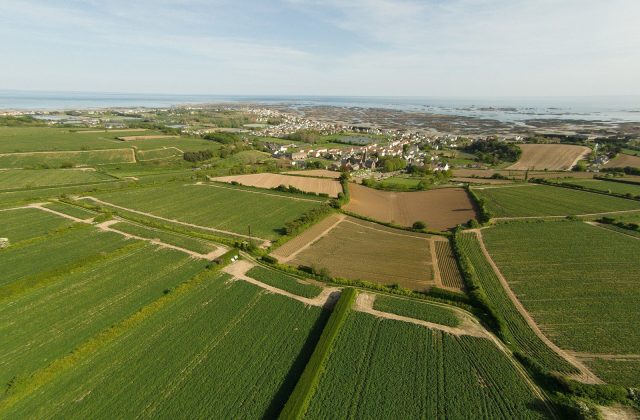
The west coast is low and sandy, with wide bays such as Vazon and Cobo, good for swimming, surfing and watching the sunset with fish and chips. Further north, L'Ancresse is a long sheltered bay with a golf course on the common behind it. Tides are among the largest in the world, so the sea retreats a long way at low tide.
Herm is a 20-minute boat ride from St Peter Port, a car-free island with white sand beaches, a short coastal walk and a pub. Sark, about 50 minutes away, has no cars at all and is known for its dark skies, horse-drawn carriages and cliffs. Both are excellent day trips; boats run frequently in summer.
Our pick for each kind of trip, with live dates and prices. Free cancellation on most.
Best for: First visit, an overview of the island
A half-day small-group drive around the coast with a local guide, ideal on your first day to understand the island's layout before exploring on your own.
Guernsey Airport, in the south of the island, has flights from London Gatwick, Southampton, Manchester, Bristol, Birmingham and other UK cities, as well as from Jersey and Alderney, many taking about an hour. Ferries arrive at St Peter Port from Poole, about three hours by fast ferry in summer, and from Portsmouth, a longer conventional crossing that carries cars and freight. There are also sailings from St Malo in France and frequent fast ferries from Jersey.
Taking a car is possible but expensive in summer; most short-stay visitors use the bus or hire a car on arrival. Guernsey is not part of the UK, but there are no passport checks from Britain; carry photo ID. Guernsey pounds are used alongside sterling. Cruise ships anchor off St Peter Port and tender passengers to the harbour.
Buses run all over the island from the terminus in St Peter Port at a low flat fare, making car-free stays easy. Car hire is widely available; roads are narrow, often walled, with an island-wide speed limit of 35 mph and lower in many lanes. Parking requires a disc. Cycling is possible but hilly in the south, and walking the cliff paths is the best way to see the coast.
May to September is the main season. July and August are the warmest, with temperatures around 20 degrees and sea temperatures up to about 17 degrees; this is also when ferries and hotels are busiest. Spring, especially April and May, brings wild flowers on the cliffs and fewer visitors, and the Liberation Day celebrations on 9 May mark the end of the occupation with parades and events.
Autumn is mild and still good for walking, food and boat trips into early October. From November to March many attractions shorten their hours, boats to Herm and Sark run less often, and ferries can be cancelled due to storms, though the island is peaceful and accommodation cheaper.
Weather can change quickly, so bring layers. Three to five nights suit a visit including a day on Herm or Sark.
St Peter Port is the obvious base, with the widest choice of hotels, restaurants and bars, the bus terminus and boats to Herm and Sark. The west coast, around Cobo and Vazon, suits families and beach lovers, with sunsets over the sea. The quiet south-western parishes near the cliff paths are ideal for walkers, with country hotels and guesthouses. Self-catering cottages are found across the island and are worth booking early for summer.
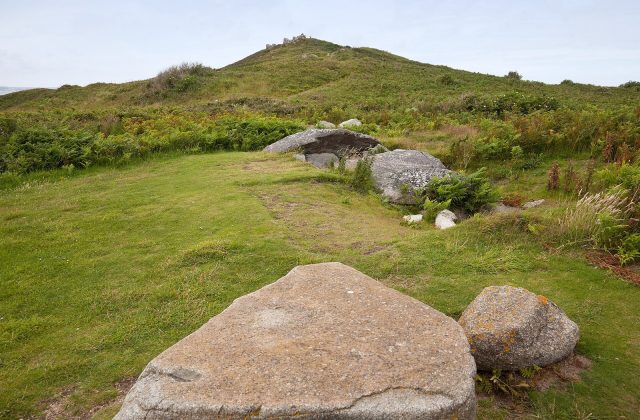
Guernsey has been inhabited for thousands of years, with dolmens and standing stones scattered across the island. It was part of the Duchy of Normandy, and when Normandy was lost to France in 1204 the island stayed loyal to the English crown while keeping its own laws and parliament. Fortifications from many centuries line the coast. German occupation from 1940 to 1945 left tunnels and bunkers, and liberation came on 9 May 1945. Today finance and tourism support the economy.
Herm and Sark are easy day trips from St Peter Port, 20 and 50 minutes by boat respectively. Jersey is about an hour away by fast ferry and makes a good second island for a week's trip. Alderney, the northernmost Channel Island, is reached by small plane. St Malo in Brittany is linked by ferry for a continental extension.
Flights of about 1 h from London and other UK airports; fast ferries from Poole and Portsmouth, and from St Malo.
From London or Southampton (air); Poole or Portsmouth (ferry): about 1 h by air or 3 h by fast ferry from Poole.
3 to 5 nights.
May–Sep; Apr–May for wild flowers; quiet and often windy in winter.
Cheap island-wide buses; car rental easy; narrow lanes with a 35 mph limit.
Go if you like coastal walking, wartime history, good seafood and boat hops to tiny Herm and Sark. Skip it or choose Jersey if you want more beaches, nightlife and a wider choice of big hotels and attractions.
Expensive, similar to southern England.
Sandy bays on the west and north (Cobo, Vazon, L'Ancresse); small coves below the south cliffs.
Summer ferries with a car and hotels well ahead; Herm and Sark boats a day ahead.
Yes. Boat trips, guided tours and day trips for Guernsey can be booked online; live prices and free cancellation on most are shown on this page.
Channel Islands, United Kingdom
Jersey is the largest of the Channel Islands, a self-governing British Crown Dependency about 23 km off the coast of…
5 tours & trips
Channel Islands, United Kingdom
Herm is a tiny car-free island in the Channel Islands, about 2 km long and less than a kilometre wide, 20 minutes by…
1 tour
Channel Islands, United Kingdom
Sark is a tiny car-free island in the Channel Islands, about 5.5 square kilometres with some 560 residents, 50 minutes…
1 tour