Boa Vista
Cape Verde Islands, Cape Verde
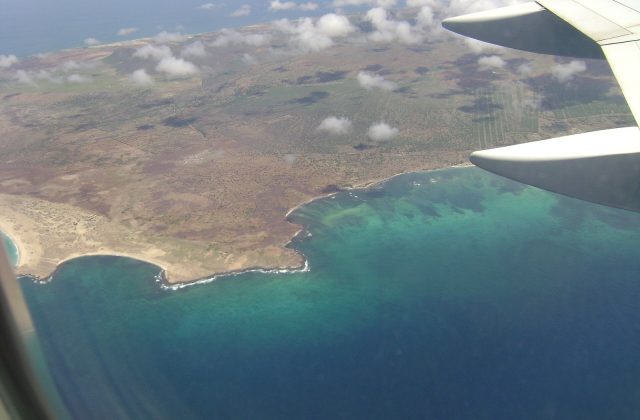
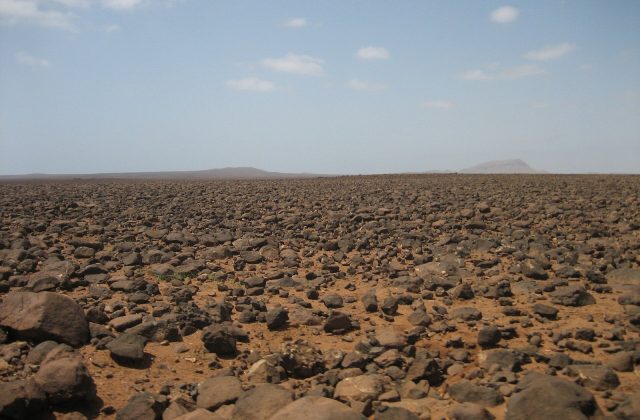
Boa Vista is the easternmost island of Cape Verde, a flat, desert-like island of about 630 square kilometres only 450…
82 tours & trips
Cape Verde · Atlantic Ocean · Volcanic island
Fogo is a single volcano rising from the Atlantic in southern Cape Verde, its summit cone reaching 2,829 metres, the highest point of the country. Inside a vast caldera, villagers grow grapes and coffee in black ash beside lava from the 2014 eruption, and the climb of Pico do Fogo is the most rewarding hike in the islands.
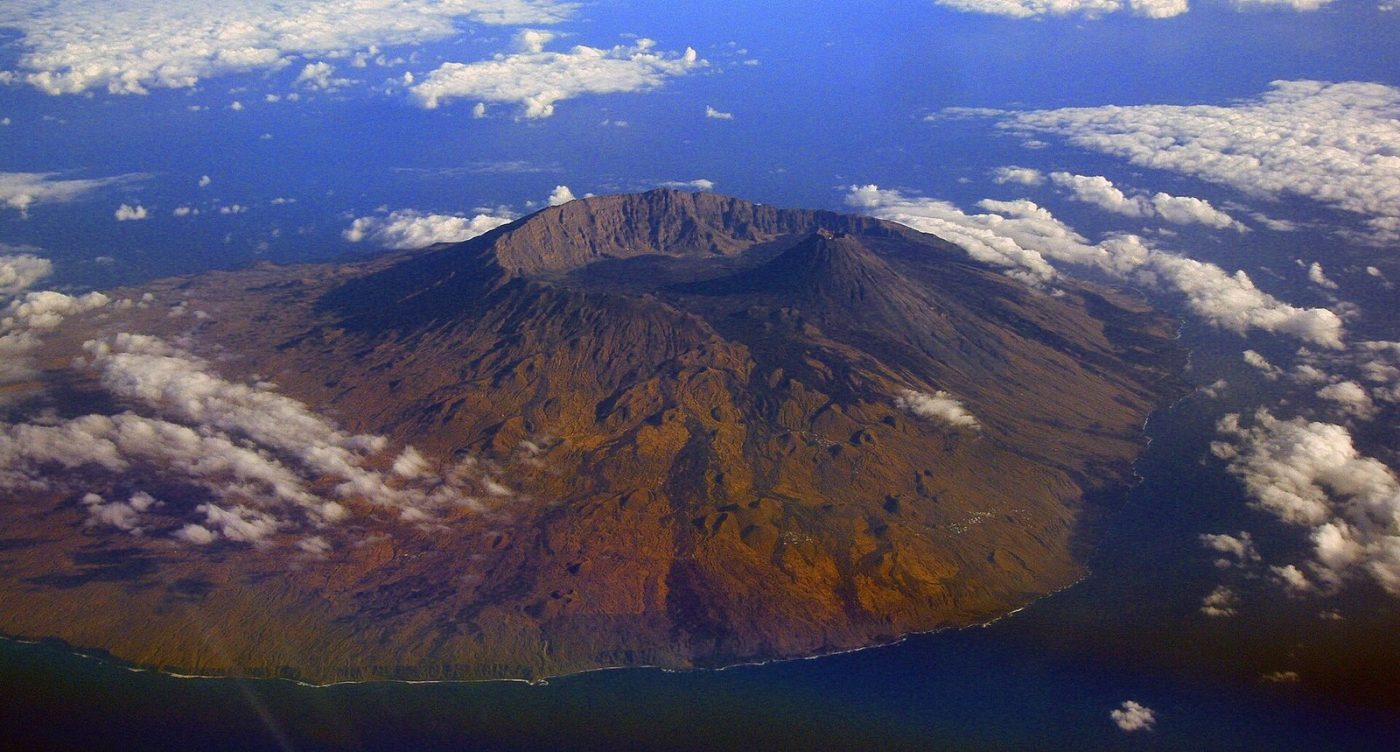
Photo: Aldo Bien, CC BY-SA 3.0
| Getting there | Short flight from Praia to São Filipe, or a ferry from Praia in about 3 to 4 h; ferries also to Brava |
|---|---|
| Gateway | Praia, Santiago (flight or ferry) |
| Travel time | About 30 min by air or 3 to 4 h by ferry |
| Days | 3 to 5 nights |
| Best months | Nov–Jun dry; rains Aug–Oct; summit climb best Nov–Apr |
| Getting around | Shared minibuses from São Filipe, taxis or a hired driver; few rental cars |
| Booking | Inter-island flights and the summit guide a few days ahead; caldera rooms in winter |
| Cost | Mid-range for Cape Verde |
| Beaches | Black volcanic sand with strong surf; swim in the rock pools at Salinas, not off the beaches |
| Sea | Atlantic Ocean |
| Archipelago | Cape Verde Islands |
| Area | 476 km² |
| Population | 35,837 (2015) |
| Highest point | 2,829 m (Pico do Fogo) |
| Airport | Yes, scheduled flights |
| Car-free | No |
| Checked | October 2026 |
What is sold on Fogo is almost all on foot, in the caldera of Chã das Caldeiras, and most visitors arrange it on arrival through their guesthouse or the guides in the crater village.
The headline is the summit climb. A local guide leads you from the village at about 1,700 metres up loose ash and rock to the crater rim, roughly 1,100 metres of climbing that takes three to four hours, followed by an exhilarating run down the scree in about an hour. A guide is strongly recommended and usually required by the natural park; the price covers the guide only, so bring water, food and a jacket.
Gentler options include walks on the rim of the Bordeira, the caldera wall, the small cone of Pico Pequeno created in 1995, and the lava flows that buried parts of the village in 2014 and 2015. A classic one-way hike descends from the caldera through forest and farms to Mosteiros on the north-east coast.
Wine tastings are the other product, at the cooperative in the crater and small family producers. Full-day island tours by car from São Filipe combine the town, the drive up and a tasting, with lunch extra.
The plain recommendation: spend at least two nights in Chã das Caldeiras and book a guide for the summit if you are fit.
The near-perfect cone above the caldera is the reason to come. Starting at dawn from Chã das Caldeiras, you climb steep slopes of ash to the crater rim, where sulphur steams and the view stretches over the caldera to Brava and Santiago on a clear day. Wear sturdy boots and gaiters for the long, sliding scree descent.
About 9 km across, the caldera holds the scattered village of Chã, rebuilt by its people after lava destroyed houses, schools and the winery in 2014. Walk among vines planted in black ash, see the new lava flows and taste the local wine and goat cheese. Nights at 1,700 metres are cold, so bring a fleece.
The island capital, one of the oldest towns in the country, sits on a cliff above a black beach. Its lanes are lined with colonial mansions called sobrados, painted in pastel colours, with a small museum and a town square overlooking the sea. It is the base for flights, ferries and transport up to the crater.
The great semicircular wall of the caldera rises up to about a kilometre above the crater floor. Paths along its crest and down its flanks give the best overview of the cone and the 2014 lava. The walk is quieter than the summit, takes half a day and is best done with a guide in cloud.
On the wetter north-east side, Mosteiros is a coffee-growing town where cloud forest and fields cling to steep slopes. Hikers descend here from the caldera in about five hours, through eucalyptus woods and terraces. Stop at a coffee farm and look out for the dramatic sea cliffs along the coastal road.
On the west coast near São Jorge, black lava has formed arches and sheltered rock pools at Ponta da Salina, the safest place on the island to swim when the sea is calm. Bring water shoes and avoid the open beach, where the surf and currents are dangerous. It is about 40 minutes by car from São Filipe.
Our pick for each kind of trip, with live dates and prices. Free cancellation on most.
Best for: Climbing the summit of Pico do Fogo
A guided ascent from Chã das Caldeiras to the crater rim at nearly 2,830 metres, with the long scree run back down, for fit walkers starting before dawn.
Most visitors fly. Domestic flights from Praia on Santiago land at the small airport near São Filipe in about 30 minutes; schedules change often and flights can be cancelled at short notice, so leave a spare day before an international departure.
Ferries sail from Praia to the port of Vale dos Cavaleiros, a short drive north of São Filipe, in about three to four hours, usually several times a week, and continue to Brava, around an hour away. Crossings can be rough in the channel, and timetables are irregular, so check and buy tickets a day or two ahead at the port or the operator's office. Bringing a car is rarely worthwhile. There is no international airport, so connections run through Praia or, less conveniently, Sal.
Shared minibuses called aluguers leave São Filipe for Chã das Caldeiras around midday and return early in the morning, a trip of about an hour and a half on a winding road. They also link the town with Mosteiros and other villages. Taxis and hired drivers are easy to find and are the simplest way to do a loop of the island in a day. Rental cars exist but are few; roads are cobbled and steep, slow but generally in good condition.
Fogo is warm all year. The dry season from November to June is the best time, with clear skies on the summit, cooler mornings in the caldera and steady trade winds. November to April gives the most comfortable climbing conditions. From August to October the rains arrive, mostly as showers on the north-east slopes, turning them green; the climb is still possible but cloud and slippery ash are more common. The sea is warmest, around 25 degrees, in late summer.
Nights in Chã das Caldeiras can drop close to 10 degrees in winter, so pack warm layers. The biggest local festival is the Festa das Bandeiras in São Filipe around 1 May, with horse races, drumming and food, when rooms fill.
Three nights is the minimum: one in São Filipe and two in the caldera.
Split your stay between two places. Chã das Caldeiras, inside the crater, has small family guesthouses where you can start the summit climb at dawn, eat home cooking and drink the local wine; facilities are simple and electricity can be limited. São Filipe has more guesthouses and small hotels in the old mansions, restaurants and the airport and port nearby, and suits arrivals, departures and days on the coast. Mosteiros has a few rooms for hikers finishing the descent.
Fogo was sighted by Portuguese navigators around 1460 and settled within a few decades, making São Filipe one of the first towns in Cape Verde. Plantations worked by enslaved Africans produced cotton and later coffee and wine. The volcano has erupted repeatedly, notably in 1680, 1951, 1995 and 2014 to 2015, and droughts and famine drove many islanders to emigrate, especially to New England on whaling ships. The colonial mansions of São Filipe and the rebuilt houses of Chã recall both histories.
Fogo pairs best with Brava, the small, green island about an hour away by ferry, and with Santiago, where Praia and the old town of Cidade Velha, a World Heritage Site, deserve two days. A good ten-day southern route is Santiago, Fogo and Brava. For beaches, add Sal or Boa Vista with a connection through Praia.
Short flight from Praia to São Filipe, or a ferry from Praia in about 3 to 4 h; ferries also to Brava.
From Praia, Santiago (flight or ferry): about 30 min by air or 3 to 4 h by ferry.
3 to 5 nights.
Nov–Jun dry; rains Aug–Oct; summit climb best Nov–Apr.
Shared minibuses from São Filipe, taxis or a hired driver; few rental cars.
Go if you want to climb an active volcano, sleep inside its crater and drink wine grown in lava fields. Skip it or choose Sal or Boa Vista if you want long swimmable beaches, resorts and an easy flight from Europe.
Mid-range for Cape Verde.
Black volcanic sand with strong surf; swim in the rock pools at Salinas, not off the beaches.
Inter-island flights and the summit guide a few days ahead; caldera rooms in winter.
Yes. Boat trips, guided tours and day trips for Fogo can be booked online; live prices and free cancellation on most are shown on this page.
Cape Verde Islands, Cape Verde
Boa Vista is the easternmost island of Cape Verde, a flat, desert-like island of about 630 square kilometres only 450…
82 tours & trips
Cape Verde Islands, Cape Verde
Maio is a flat, dry island of about 275 square kilometres in the south-east of Cape Verde, a short hop from the…
9 tours & trips