Boa Vista
Cape Verde Islands, Cape Verde
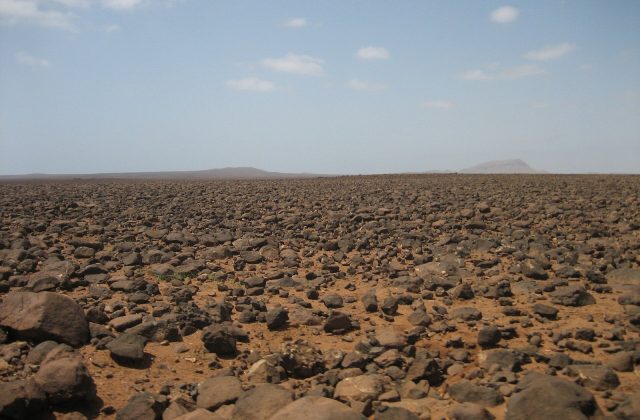
Boa Vista is the easternmost island of Cape Verde, a flat, desert-like island of about 630 square kilometres only 450…
82 tours & trips
Cape Verde · Atlantic Ocean · Beach island
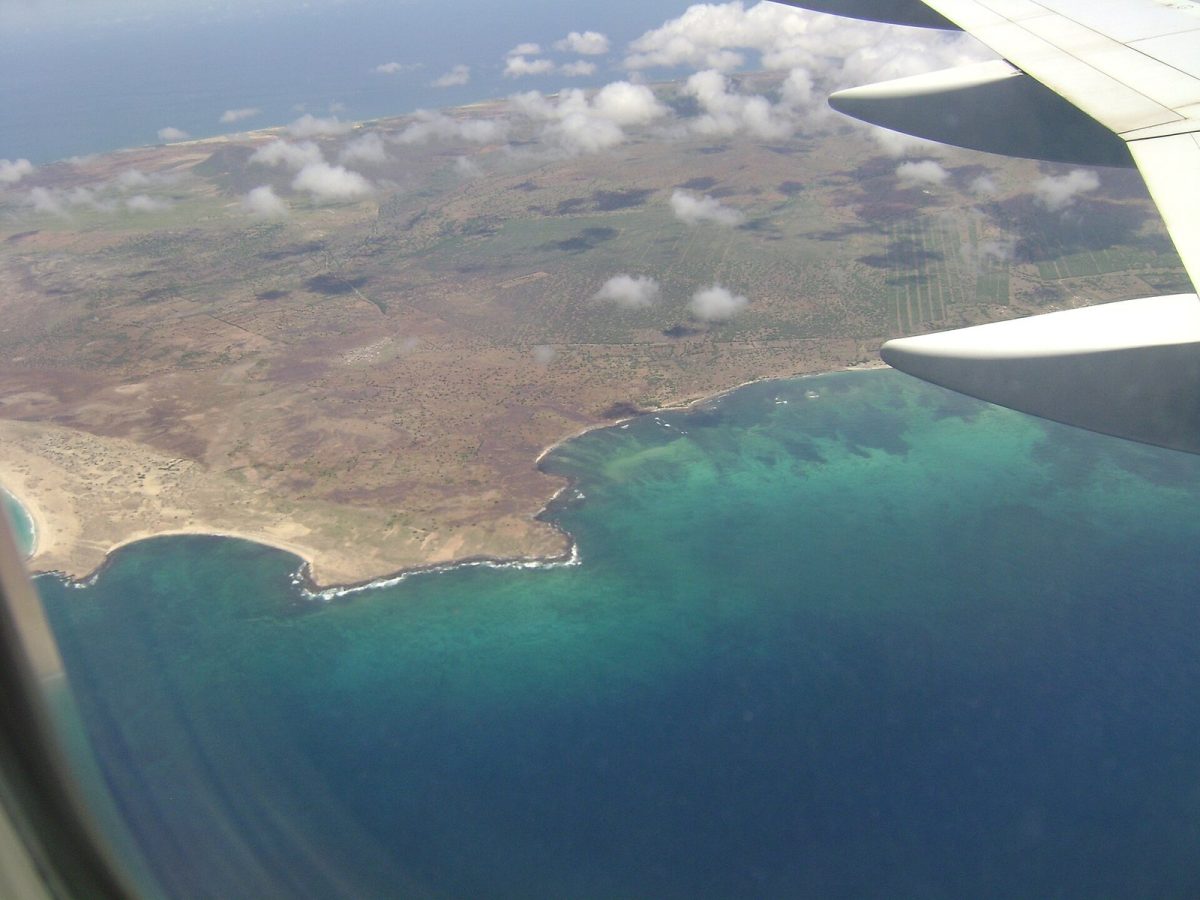
Maio is a flat, dry island of about 275 square kilometres in the south-east of Cape Verde, a short hop from the capital, Praia, on Santiago. It has long empty beaches of pale sand, salt pans, acacia woods and turtle nesting grounds, and sees far fewer visitors than neighbouring Boa Vista or Sal.
| Getting there | Ferry from Praia on Santiago in about 2 h a few times a week, or a short flight when scheduled |
|---|---|
| Gateway | Praia, Santiago (ferry or flight) |
| Travel time | About 2 h by ferry or 15 min by air |
| Days | 3 to 5 nights |
| Best months | Nov–Jun dry and breezy; Jul–Oct hotter, some rain, turtle nesting |
| Getting around | Shared pickups from Vila do Maio to the villages; a 4x4 or jeep tour for the remote beaches |
| Booking | Ferry or flight from Praia and rooms ahead; tours and turtle walks locally a day before |
| Cost | Mid-range for Cape Verde, cheaper than Sal |
| Beaches | Long pale sand all round; Bitxe Rotxa near town, Ponta Preta and Morrinho for dunes, Calheta |
| Sea | Atlantic Ocean |
| Archipelago | Cape Verde Islands |
| Area | 275 km² |
| Population | 6,812 (2018) |
| Highest point | 436 m (Monte Penoso) |
| Airport | Yes, scheduled flights |
| Car-free | No |
| Checked | October 2026 |
Maio has a small, informal tourism scene, and almost everything sold here starts in Vila do Maio, the main town, with a local guide and a vehicle.
The core product is the full-day island tour by four-wheel drive. The roads beyond the villages are sand and stone, so a jeep with a driver is the practical way to see the dunes of the north, the salt plain, the acacia forest and the remote beaches of the east. Most tours include hotel pickup and lunch in a village, sometimes breakfast too; drinks are extra. Gentler versions follow the cobbled roads and add a scenic drive and swimming stops.
On the water there are snorkelling trips over the coastal reefs, stand-up paddleboard outings in calm bays and surfboard hire for the beach breaks. Some agents in Praia sell a three-day package that includes the crossing and the island tour.
Turtle-watching walks in season are arranged locally through the island's conservation group, with small groups and strict rules.
Our advice: book one jeep day early in your stay, then spend the rest on the beaches and in the villages.
The island's capital, also called Porto Inglês, is a quiet town of low pastel houses around a square dominated by a white church with twin towers. The fishing boats come in on the town beach in the morning, and a few small restaurants serve grilled fish and cachupa, the national stew. Everything is within a short walk.
Just north of town, the old salt pans that once made the island's fortune spread behind the beach, with flamingos and wading birds in the shallow pools. Beyond them, Bitxe Rotxa is a long beach of pale sand with gentle water, easy to reach on foot or by bike from Vila do Maio.
In the north-west, high white dunes run down to the sea near the village of Morrinho, part of a protected area that includes the salty plain of Terras Salgadas. Ponta Preta nearby has a wide beach and waves that attract surfers. The tracks are sandy, so come by jeep or with a guide.
A large forest of planted acacias covers the centre and south-west of the island, unusual in an archipelago so short of trees, and it was created to hold back the sand and provide wood. The shade makes it a pleasant place to stop on a jeep tour, and goats graze among the trunks.
North of the capital, Calheta is the largest fishing village, with a sheltered beach, colourful boats and a relaxed pace. Further on, Morro and Pedro Vaz are small farming settlements where life has changed little. Shared pickups from Vila do Maio make this an easy half-day trip.
From July to October loggerhead turtles come ashore on the beaches to lay their eggs, and later the hatchlings make their way to the sea. Local conservation volunteers patrol the beaches at night and take small groups to watch. Never use torches or flash photography near a nest.
Our pick for each kind of trip, with live dates and prices. Free cancellation on most.
Best for: First visit, the island by jeep
A day in a four-wheel drive with a driver who knows the sandy tracks, reaching the dunes, salt flats and empty beaches you could not find alone, with lunch included.
Most visitors fly into Praia on Santiago, which has international flights from Lisbon and other European cities, and continue from there.
Inter-island ferries sail from Praia to Vila do Maio, taking around two hours, usually a few times a week rather than daily. Timetables change, crossings can be rough and departures are sometimes delayed, so allow a buffer day before an international flight. Buy tickets at the port or through agencies in Praia.
Maio also has a small airport near the capital. Domestic flights from Praia take about 15 minutes, but they are not always scheduled, so check before planning around them.
Cars can travel on the ferry, but renting on the island is simpler, and most visitors arrive as foot passengers.
The capital is small enough to walk. Shared pickup trucks, called aluguer, leave Vila do Maio for the villages, mostly in the morning, and return later in the day. Car and quad rental is available in town, but many beaches are reached only by sandy tracks, so a four-wheel drive or a guided jeep trip is the safer choice. Roads between villages are cobbled. Bicycles are fine for the beaches near town.
Maio is warm all year, with daytime temperatures in the high twenties. November to June is the dry season, with steady north-east trade winds that keep the heat comfortable and suit surfing. From December to February a dusty haze from the Sahara can sometimes dim the sky.
July to October is hotter and more humid, with occasional heavy showers, mostly in August and September. This is also the turtle nesting season, and the sea is warmest then.
The island never feels crowded. Prices change little through the year, though European holidays and the Christmas period bring more visitors to the few guesthouses. Local festivals take place in the villages, and Carnival in February is celebrated in the capital. Three to five nights are enough to see the island and relax.
Vila do Maio is the best base, with most of the guesthouses, apartments, restaurants and the ferry port, and with beaches on both sides of town. It suits nearly every visitor, especially those without a car. A few holiday villas and small lodges lie along the coast nearby, quieter but dependent on transport. Calheta and other villages have very simple rooms for travellers who want to live alongside local families.
Maio was sighted by Portuguese navigators in 1460, reportedly on the first day of May, which gave it its name. Settlers arrived only at the end of the sixteenth century to raise goats, and salt from the coastal pans brought ships and growth, especially English ones, which is why the capital was called Porto Inglês. A naval battle between British and French frigates took place offshore in 1814. Drought later drove many islanders to emigrate, and the island has stayed quiet since.
Santiago is the natural partner, with Praia, the old town of Cidade Velha and mountain villages, two hours away by ferry. Boa Vista lies to the north and Sal beyond it, both reached via Praia by air. Fogo, with its active volcano, is a good next island from Santiago, and the route Praia, Maio, Praia, Fogo works well in a week.
Ferry from Praia on Santiago in about 2 h a few times a week, or a short flight when scheduled.
From Praia, Santiago (ferry or flight): about 2 h by ferry or 15 min by air.
3 to 5 nights.
Nov–Jun dry and breezy; Jul–Oct hotter, some rain, turtle nesting.
Shared pickups from Vila do Maio to the villages; a 4x4 or jeep tour for the remote beaches.
Go if you want long, empty beaches, slow village life and turtle watching without big resorts or crowds. Skip it or choose Sal or Boa Vista if you want all-inclusive hotels, reliable flights, nightlife or watersports centres.
Mid-range for Cape Verde, cheaper than Sal.
Long pale sand all round; Bitxe Rotxa near town, Ponta Preta and Morrinho for dunes, Calheta.
Ferry or flight from Praia and rooms ahead; tours and turtle walks locally a day before.
Yes. Boat trips, guided tours and day trips for Maio can be booked online; live prices and free cancellation on most are shown on this page.
Cape Verde Islands, Cape Verde
Boa Vista is the easternmost island of Cape Verde, a flat, desert-like island of about 630 square kilometres only 450…
82 tours & trips
Cape Verde Islands, Cape Verde
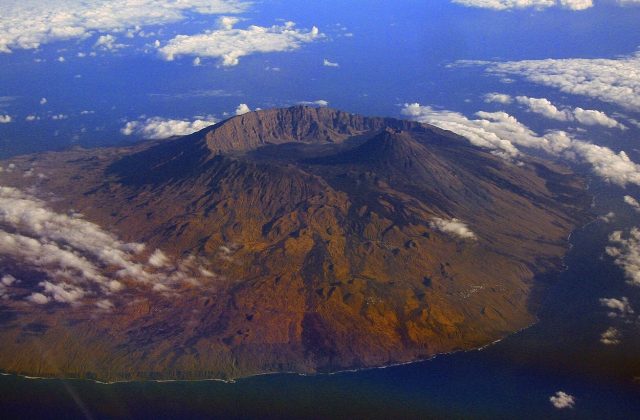
Fogo is a single volcano rising from the Atlantic in southern Cape Verde, its summit cone reaching 2,829 metres, the…
3 tours & trips