Martinique
Lesser Antilles, French West Indies
Martinique is a French island in the eastern Caribbean, about 1,128 square kilometres, where the volcano of Mount Pelee…
48 tours & trips
French West Indies · Caribbean Sea · Beach island
Guadeloupe is a French overseas department in the Lesser Antilles, shaped like a butterfly: the volcanic, rain-forested wing of Basse-Terre and the flat, beach-lined wing of Grande-Terre, joined by a mangrove channel. Around them lie Les Saintes, Marie-Galante and La Desirade, so one trip mixes a 1,467-metre volcano, reefs, rum and quiet islands.
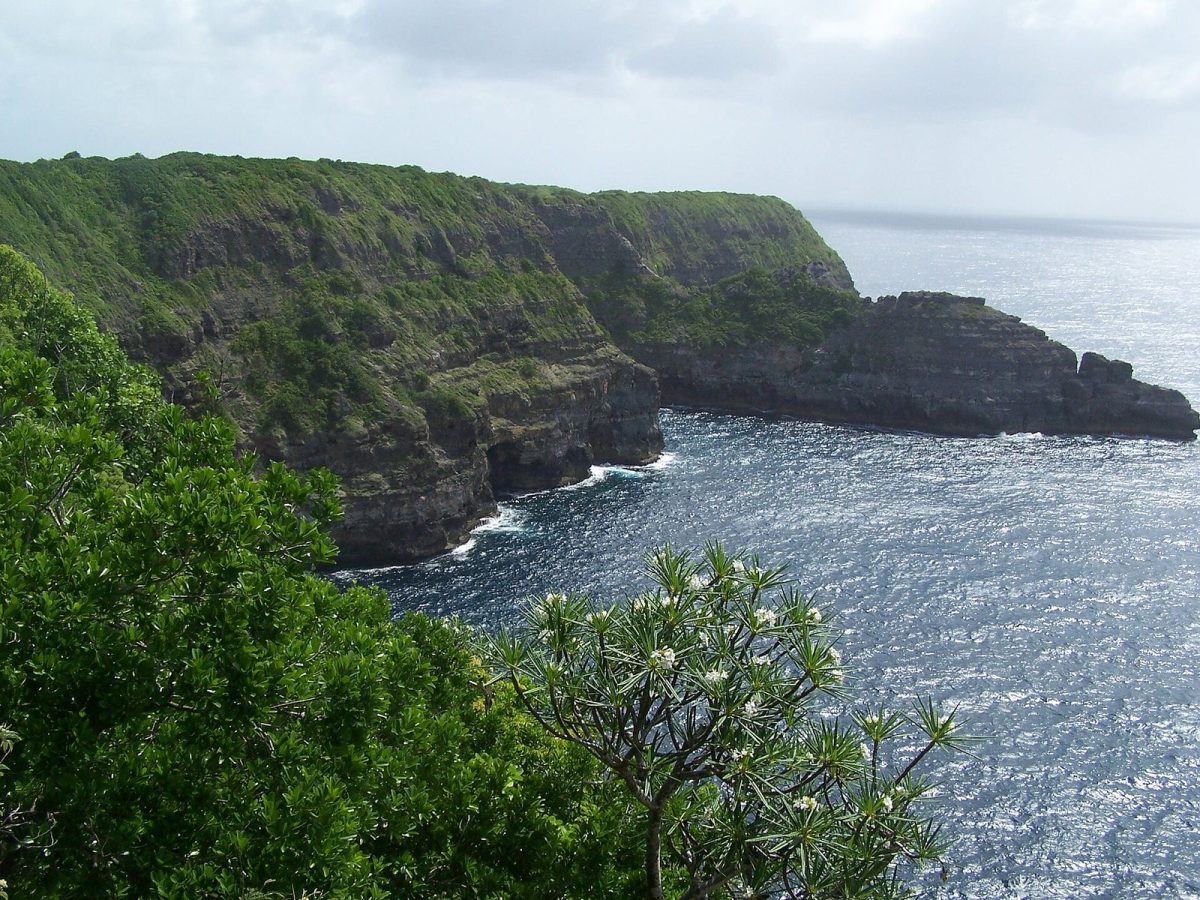
Photo: LPLT, CC BY-SA 3.0
| Getting there | Direct flights from Paris in about 8.5 h to Pointe-a-Pitre; fast ferries from Dominica and Martinique |
|---|---|
| Gateway | Pointe-a-Pitre (Pole Caraibes airport) |
| Travel time | About 8.5 h nonstop from Paris |
| Days | A week or more |
| Best months | Dec–Apr dry and sunny; May and Nov quieter; Jun–Nov hurricane season |
| Getting around | Rent a car (drive on the right); buses are sparse; ferries to the outer islands |
| Booking | Flights, cars and rooms months ahead for Christmas, February and Easter |
| Cost | Mid-range for the Caribbean, with French prices |
| Beaches | White sand on Grande-Terre (Sainte-Anne, Saint-Francois); golden Grande Anse at Deshaies |
| Sea | Caribbean Sea |
| Archipelago | Lesser Antilles |
| Area | 1,628 km² |
| Population | 384,160 (2023) |
| Highest point | 1,467 m (La Grande Soufriere) |
| Airport | Yes, scheduled flights |
| Car-free | No |
| Checked | November 2026 |
Most things sold for Guadeloupe are days on the water or guided outings on the main island, and nearly all start on Grande-Terre or Basse-Terre.
The most popular boat trips explore the Grand Cul-de-Sac Marin, the protected lagoon between the two wings, leaving from Baie-Mahault, Sainte-Rose or the harbour of Ilets la Biche near Morne-a-l'Eau. Catamarans and small motorboats wind through the mangroves, stop at white-sand islets such as Ilet Caret and anchor on the barrier reef for snorkelling, usually with lunch, drinks and gear included; one version serves brunch standing in the shallow water. Shorter outings use jet skis or paddleboards in the mangroves, and half-day sails, private boats and a charter between Deshaies and Bouillante cover the west coast.
On land, guided tours by minibus or private car take in the waterfalls, rainforest and viewpoints of Basse-Terre, the beaches and wild cliffs of the north, or the cane fields and rum distilleries with tastings. Canyoning around Bouillante suits families as well as adults, e-bike rides explore Le Moule and the Pointe des Chateaux, and there are music workshops, spa days and art visits.
Les Saintes, Marie-Galante and La Desirade are not sold as tours: take the public ferry and hire a scooter there. Diving is booked with the centres at Malendure. Rent a car, book one lagoon day, and do the outer islands yourself.
The active volcano in the south of Basse-Terre is the highest peak in the Lesser Antilles. From the car park at Bains Jaunes, a paved and rocky path climbs through cloud forest to the sulphur vents and craters of the summit in about two hours. Start very early, before the cloud closes in, and bring a fleece and rain jacket.
A small archipelago south of Basse-Terre, reached by fast ferry, with one of the world's loveliest bays. On Terre-de-Haut, rent a scooter or walk from the pastel village to Fort Napoleon for the view, swim at Pompierre beach, and climb the Chameau hill. Day trips work well, but a night shows the village after the boats leave.
At the eastern tip of Grande-Terre, a short path climbs to a cross on a headland of jagged limestone with views to La Desirade and the Atlantic surf. Swimming is better on the sheltered south coast: Sainte-Anne and the Caravelle beach have calm turquoise water, cafes and rented sunbeds. Saint-Francois has the marina and ferries to La Desirade.
The rain forest of Basse-Terre is a national park with well-signed trails. The best known are the Carbet Falls on the slopes of La Soufriere, where the second fall is a 15-minute walk from the car park along a forest path. On the road crossing the island, the Route de la Traversee, short trails lead to pools and the Cascade aux Ecrevisses.
On the west coast near Bouillante, the islets of Pigeon lie in a marine reserve named after the diver Jacques Cousteau. Dive centres and glass-bottom boats leave from Malendure beach; snorkellers can see turtles in the shallows by the beach itself. Further north, Deshaies has a botanical garden and the long golden beach of Grande Anse.
A round, flat island an hour by ferry from Pointe-a-Pitre, still living from sugar cane and rum. Rent a car or scooter to visit the distilleries, the ruined windmills and the old Murat plantation house, and to swim at the long beaches of Capesterre and Petite Anse. Ox carts still work the fields.
Our pick for each kind of trip, with live dates and prices. Free cancellation on most.
Best for: First visit, a day on the lagoon
A boat day in the Grand Cul-de-Sac Marin, the protected lagoon between the two wings, with mangrove channels, a swim on a sandbank islet and snorkelling on the barrier reef.
Pole Caraibes airport at Pointe-a-Pitre has several daily nonstop flights from Paris, of about eight and a half hours, plus seasonal links with Montreal and North America and many short hops to Martinique, Saint-Martin and other Caribbean islands. Citizens of the European Union need only an identity card.
Fast catamarans of L'Express des Iles link Pointe-a-Pitre with Dominica in about two hours and continue to Martinique, several times a week. For the outer islands, fast ferries leave Pointe-a-Pitre for Marie-Galante, about an hour, and for Les Saintes, while the shortest crossing to Les Saintes is from Trois-Rivieres in the south of Basse-Terre, about 20 minutes. La Desirade is reached from Saint-Francois. Leave your car at the port; buy tickets at the terminals or online. Cruise ships dock in central Pointe-a-Pitre.
A car is close to essential: the island is large, buses are infrequent and stop early, and taxis are expensive. Driving is on the right, roads are good, but traffic jams around Pointe-a-Pitre at rush hour are notorious, and roads over the mountains of Basse-Terre are steep and winding. On Les Saintes and Marie-Galante, rent a scooter, electric bike or small car at the port.
The dry season, called the careme, runs from December to April, with sunshine, trade winds and temperatures around 28 to 30 degrees; it is also the most expensive and busiest time, especially at Christmas and during the French school holidays in February. Carnival fills January and February, ending on Ash Wednesday with parades in Pointe-a-Pitre and Basse-Terre.
From June to November, the rainy season, it is hotter, more humid and wetter, and hurricanes are possible, most often from August to October. The sea stays warm all year, about 26 to 29 degrees. May, June and November are good value with fewer visitors. Basse-Terre gets rain all year, so plan hikes for early mornings. A week covers the two wings and one outer island; ten days let you add a second.
Most visitors stay on the south coast of Grande-Terre, between Le Gosier, Sainte-Anne and Saint-Francois, for calm beaches, restaurants and the biggest choice of rooms. Basse-Terre suits hikers and divers: Deshaies in the north-west is a pretty fishing village, Bouillante is close to the Cousteau reserve, and Trois-Rivieres is handy for La Soufriere and Les Saintes. A night or two on Terre-de-Haut or Marie-Galante is worth adding, in small guesthouses and rented villas.
The Kalinago called the island Karukera before Columbus landed in 1493 and named it after the monastery of Guadalupe in Spain. The French settled from 1635 and brought enslaved Africans to work sugar plantations. Slavery was abolished in 1794, restored by Napoleon in 1802 against armed resistance, and ended for good in 1848. Guadeloupe became a French department in 1946. The Memorial ACTe in Pointe-a-Pitre tells this history, and Creole cooking, gwoka drumming and the rum of the old estates still carry it on today.
Dominica, the wild island to the south, is two hours away by fast catamaran, and Martinique, another French department, a few hours further. A good route is Guadeloupe, Dominica and Martinique by sea. Within Guadeloupe, combine the main island with Les Saintes and Marie-Galante. Short flights reach Saint-Martin and Saint-Barthelemy, and Antigua lies just to the north.
Direct flights from Paris in about 8.5 h to Pointe-a-Pitre; fast ferries from Dominica and Martinique.
From Pointe-a-Pitre (Pole Caraibes airport): about 8.5 h nonstop from Paris.
A week or more.
Dec–Apr dry and sunny; May and Nov quieter; Jun–Nov hurricane season.
Rent a car (drive on the right); buses are sparse; ferries to the outer islands.
Go if you want good beaches, rainforest hikes, French food and small outer islands in one easy, euro-paying destination. Skip it or choose Dominica if you want wild, uncrowded nature, or Antigua if you prefer English-speaking resorts.
Mid-range for the Caribbean, with French prices.
White sand on Grande-Terre (Sainte-Anne, Saint-Francois); golden Grande Anse at Deshaies.
Flights, cars and rooms months ahead for Christmas, February and Easter.
Yes. Boat trips, guided tours and day trips for Guadeloupe can be booked online; live prices and free cancellation on most are shown on this page.
Lesser Antilles, French West Indies
Martinique is a French island in the eastern Caribbean, about 1,128 square kilometres, where the volcano of Mount Pelee…
48 tours & trips
Lesser Antilles, French West Indies
St Martin is an 87-square-kilometre island in the north-east Caribbean shared since 1648 by France and the Netherlands,…
No tours listed