Guernsey
Channel Islands, United Kingdom
Guernsey is the second-largest of the Channel Islands, a self-governing British Crown dependency in the Gulf of St…
8 tours & trips
United Kingdom · North Sea & Channel · Car-free island
Herm is a tiny car-free island in the Channel Islands, about 2 km long and less than a kilometre wide, 20 minutes by boat from St Peter Port on Guernsey. It has a harbour hamlet, a ring of coastal paths, sandy beaches and a famous shell beach, and is mostly visited for the day.
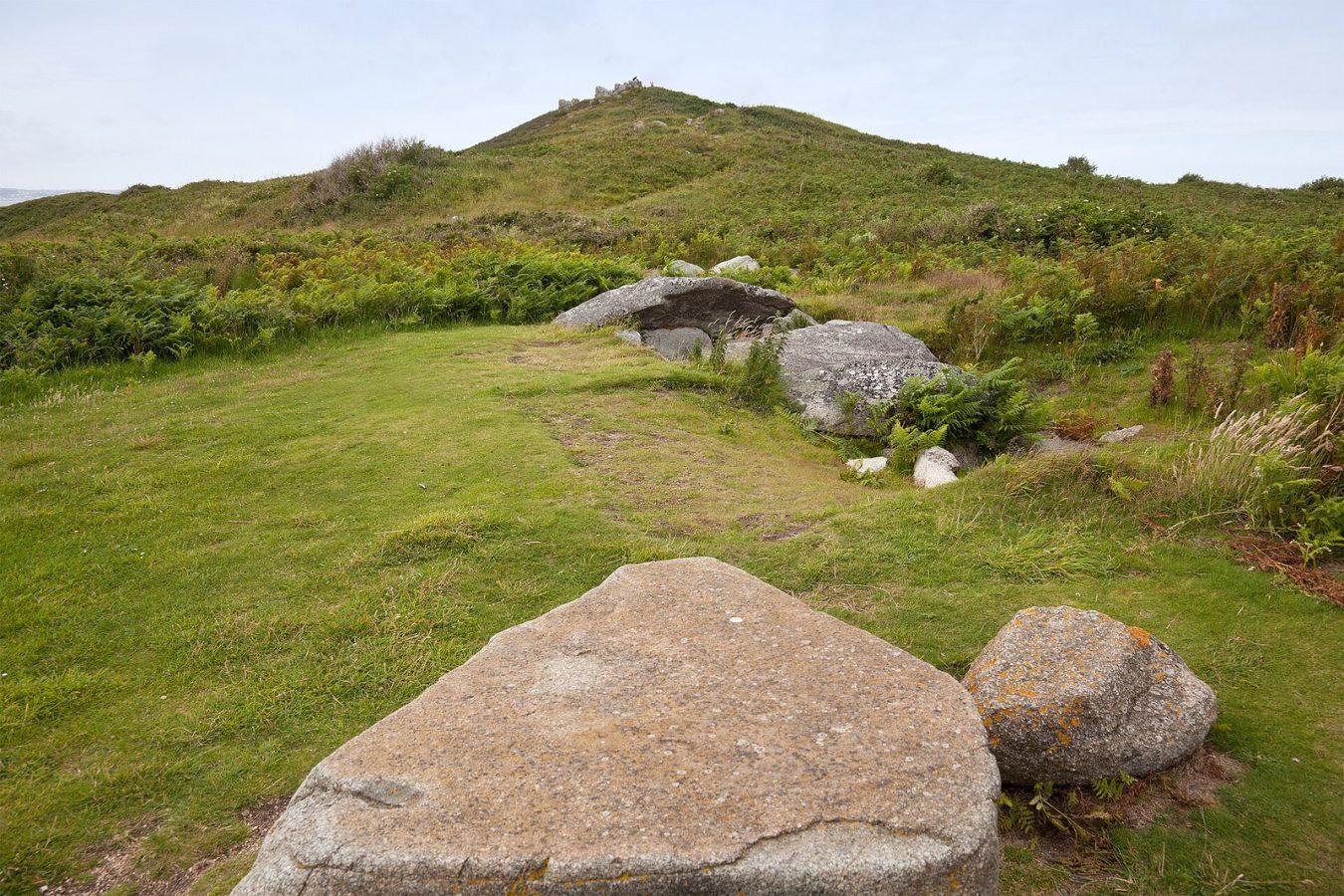
Photo: Unukorno, CC BY-SA 3.0
| Getting there | Ferry from St Peter Port, Guernsey, in about 20 min, frequent in summer and limited in winter |
|---|---|
| Gateway | Guernsey (St Peter Port) |
| Travel time | About 20 min by boat |
| Days | A day trip is enough |
| Best months | May–Sep; boats limited in winter |
| Getting around | Car-free: walk everywhere on paths and lanes |
| Booking | Rooms and cottages months ahead for summer; ferries a day ahead on fine weekends |
| Cost | Mid-range for the Channel Islands |
| Beaches | White sand on the north coast: Shell Beach, Belvoir Bay and Bear's Beach near the harbour |
| Sea | North Sea & Channel |
| Archipelago | Channel Islands |
| Area | 2 km² |
| Population | 60 (2002) |
| Highest point | 66 m |
| Ferry | 20 min from Guernsey (St Peter Port) |
| Airport | No |
| Car-free | Yes |
| Checked | October 2026 |
Herm is easy to visit independently, and most people simply take the ferry from St Peter Port, walk the island and catch a boat back.
The product listed online is a coastal cruise from St Peter Port that sails around Herm and the neighbouring private island of Jethou without landing, looking at the coastline, seabirds and seals. It lasts a couple of hours, includes a commentary and nothing else, and suits people who want to see the islands from the water or who cannot manage the walk. If you want to set foot on Herm, buy a ferry return instead.
On the island, nothing needs booking for a day visit. Some boat operators in St Peter Port run trips to see puffins at nearby rocks in late spring, and kayak trips around Herm are offered from Guernsey in summer. Lunch at the harbour inn or the beach cafe is part of the usual routine.
The plain recommendation: take the morning ferry, walk the coast path clockwise to Shell Beach for a swim, have lunch and return on an afternoon boat.
On the north-east coast, about 25 minutes on foot from the harbour, this long beach is made largely of tiny shells and shell fragments carried by the Gulf Stream currents. The water is clear and shallow, and a seasonal cafe serves lunch. Look closely at the sand, where you can spot cowries and other small shells.
A path circles the whole island in about two hours at an easy pace, changing from low dunes and the open Common in the north to steep granite cliffs and bays in the south. Walk clockwise from the harbour to reach Shell Beach first. The southern stretch has steps, so wear proper shoes.
South of Shell Beach, a steep path drops to this small, sheltered bay of fine sand between rocky headlands. It is the best swimming beach on the island, with calm water on most summer days and a small kiosk. From here the cliff path continues south towards the views over Jethou and Sark.
The tiny settlement around the harbour has the inn, a shop, the island's hotel and a few cottages. A short lane climbs to St Tugual's chapel, a small stone church dating from the 11th century, with simple furnishings and stained glass. The manor farm and its gardens lie just behind.
The flat northern end of the island is open grassland and dunes, scattered with Neolithic burial chambers and standing stones. Walk between them on the way to Shell Beach; rabbits and birds are everywhere. The sandy north coast below it is the quietest part of the island and good for a picnic.
Live dates and prices. Free cancellation on most tours.
Herm is reached only by boat from St Peter Port on Guernsey. The ferry takes about 20 minutes and runs several times a day in summer, roughly from April to October, with a reduced service in winter, when some days have no sailings. Tickets are bought at the kiosk on the harbour or in advance. At low tide boats land at steps at the south of the harbour instead of the quay, a short walk away.
Guernsey itself has an airport with flights from London, Southampton and other British airports, and from Jersey and Alderney. Ferries from Poole and Portsmouth, and from St Malo in France, arrive in St Peter Port. Cars must stay on Guernsey.
Herm has no cars for visitors and no bike rental, so you walk. The island is small enough to cross in 15 minutes, and the coast path round it takes about two hours. Paths are well kept, but the southern cliffs have steep steps and are not suitable for pushchairs. Luggage for overnight guests is carried from the harbour by the island's own tractor.
May to September is the season, when ferries run often, the cafe and beach kiosks open and the sea warms to around 17 to 18 degrees in August. July and August are the busiest months, with Guernsey families and day visitors on fine weekends, but the island never feels packed once you leave the harbour.
Late spring is lovely for flowers on the Common and seabirds, and September brings warmer water and fewer people. From November to March ferries are limited, the hotel closes for part of the winter and the island is very quiet, though the walk is still pleasant on a bright day.
A day is enough to see Herm, and a night lets you enjoy the island after the last boat leaves.
Most visitors stay on Guernsey, usually in St Peter Port, with restaurants and the ferry on the doorstep. On Herm itself there are only three options, all run by the island: a small hotel by the harbour, a range of self-catering cottages and a campsite with tents set up on a field near the centre. Staying overnight suits those who want quiet evenings and empty beaches at dawn; book well ahead for summer.
Neolithic farmers left tombs on the northern Common, and in the Middle Ages monks lived on the island and built St Tugual's chapel. Herm passed with Guernsey to the English Crown in 1204, and in the 19th century its granite was quarried for building. Later tenants included a German prince and the novelist Compton Mackenzie. The Germans occupied it in the Second World War, and afterwards Guernsey bought Herm and leased it to a family who turned it into a holiday island. A trust has run it since 2008.
Guernsey is the obvious base, with St Peter Port, Castle Cornet and the south coast cliffs. Sark is about 50 minutes by ferry from St Peter Port and makes a good second island, and Alderney is a short flight away. Jersey is about an hour by fast ferry, so all the Channel Islands can be combined in a week.
Ferry from St Peter Port, Guernsey, in about 20 min, frequent in summer and limited in winter.
From Guernsey (St Peter Port): about 20 min by boat.
A day trip is enough.
May–Sep; boats limited in winter.
No. Herm is car-free. Car-free: walk everywhere on paths and lanes.
Go if you want a gentle coastal walk, white sand and a pub lunch on a car-free island a short boat ride from Guernsey. Skip it or choose Sark if you want more space, cliffs and villages for a longer stay. With about 20 min each way from Guernsey (St Peter Port), a day trip is easy to do.
Mid-range for the Channel Islands.
White sand on the north coast: Shell Beach, Belvoir Bay and Bear's Beach near the harbour.
Rooms and cottages months ahead for summer; ferries a day ahead on fine weekends.
Yes. Boat trips, guided tours and day trips for Herm can be booked online; live prices and free cancellation on most are shown on this page.
Channel Islands, United Kingdom
Guernsey is the second-largest of the Channel Islands, a self-governing British Crown dependency in the Gulf of St…
8 tours & trips
Channel Islands, United Kingdom
Jersey is the largest of the Channel Islands, a self-governing British Crown Dependency about 23 km off the coast of…
5 tours & trips
Channel Islands, United Kingdom
Sark is a tiny car-free island in the Channel Islands, about 5.5 square kilometres with some 560 residents, 50 minutes…
1 tour