Saaremaa
53 km away
Saaremaa is Estonia's largest island, about 2,670 square kilometres of flat juniper heath, pine forest,…
3 tours & trips
Estonia · Baltic Sea · Nature & wildlife island
Hiiumaa is Estonia's second largest island, 989 square kilometres of pine forest, juniper heath and quiet coast in the Baltic, 22 km off the mainland. It has few people, long empty beaches, historic lighthouses, including one of the oldest in the world still in use, and an unhurried rural life that draws Estonians in summer.
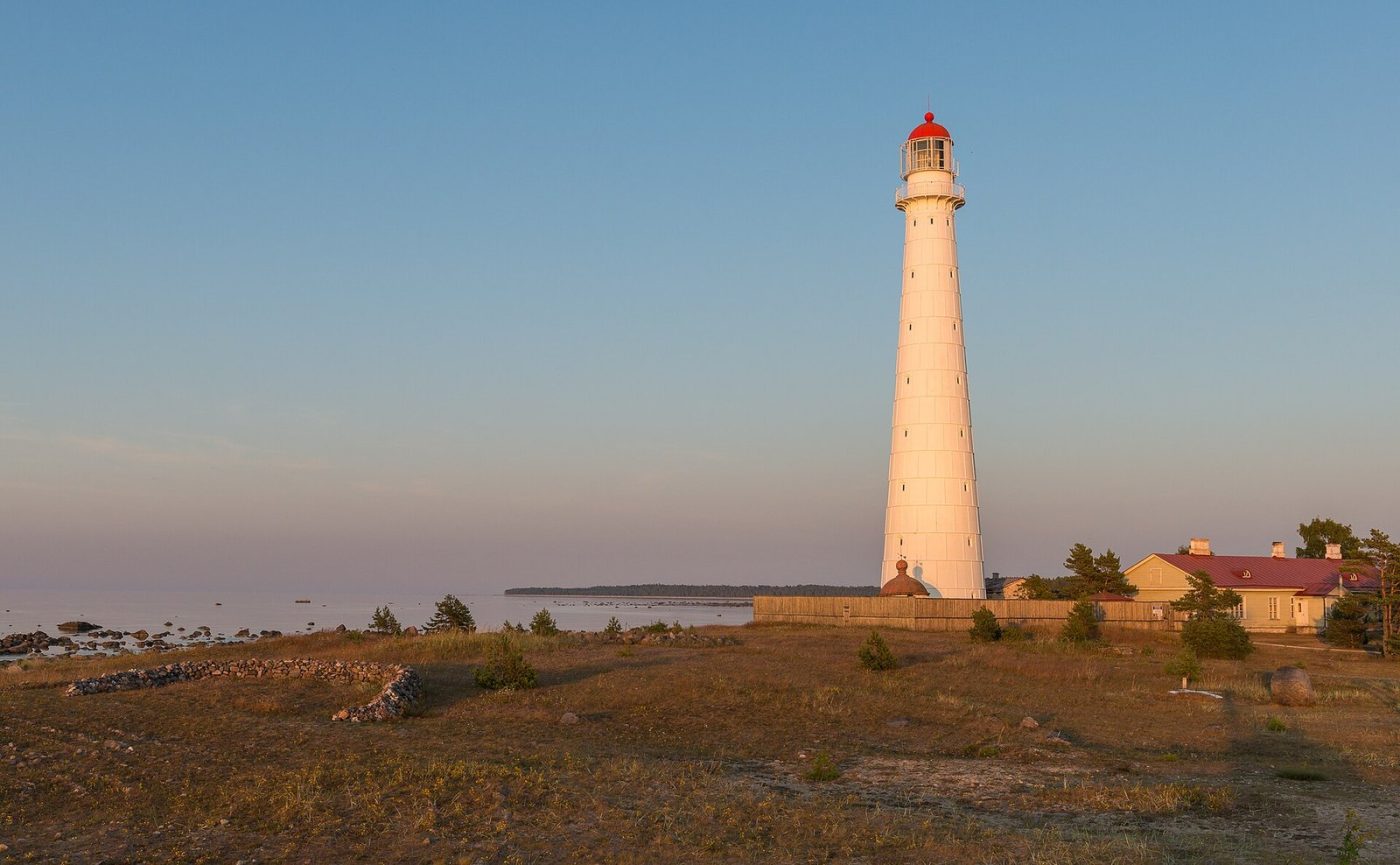
Photo: MinuHiiumaa, CC BY-SA 3.0 ee
| Getting there | Car ferry from Rohuküla near Haapsalu to Heltermaa in about 75 min; flights from Tallinn to Kärdla |
|---|---|
| Gateway | Rohuküla (near Haapsalu) or Tallinn |
| Travel time | About 75 min by ferry; 45 min by air from Tallinn |
| Days | 1 to 2 nights |
| Best months | Jun–Aug; long light evenings; Sep for quiet; winters dark, cold and quiet |
| Getting around | Car needed or bike; sparse buses; flat roads, some gravel |
| Booking | Car places on summer weekend ferries and rooms around Midsummer |
| Cost | Mid-range for Estonia |
| Beaches | Sandy beaches at Kalana and Tõrvanina; calm, shallow bays near Kassari; water is cool |
| Sea | Baltic Sea |
| Archipelago | West Estonian Archipelago |
| Area | 989 km² |
| Population | 8,995 (2017) |
| Highest point | 69 m (Tornimägi) |
| Airport | Yes, scheduled flights |
| Car-free | No |
| Checked | November 2026 |
Nothing is sold online for Hiiumaa alone. Visitors usually arrive by car on the ferry from the mainland or fly from Tallinn and rent a car, then explore independently; the island is made for a self-drive or cycling trip.
There are few organised tours. Small local guides run nature walks, birdwatching outings in the coastal meadows and bogs, and occasional trips to the islets offshore by boat. Some farms offer horse riding and canoeing on the rivers. The lighthouses at Kõpu, Tahkuna and Ristna can be climbed for a small fee in summer, and the island's museums, mostly small, charge modest entry.
Cycling is the best way to experience Hiiumaa slowly. Bikes are rented in Kärdla and at some guesthouses, and the island's roads are flat and quiet, with marked cycle routes.
A few multi-day tours from Tallinn combine Hiiumaa with Saaremaa and Haapsalu, covering transport, accommodation and some meals, but travelling on your own is easy and cheaper. The plan that works: take the car, stay one or two nights, see the lighthouses on the Kõpu peninsula, Kärdla, the Hill of Crosses and Kassari.
On the island's highest ground on the western Kõpu peninsula stands a massive square stone lighthouse begun in the early sixteenth century, among the oldest lighthouses in the world still in use. Climb the stairs inside for views over forest and sea. At the western tip, Ristna lighthouse, a red iron tower from the nineteenth century, overlooks surf beaches.
The island's only town, Kärdla, grew around a cloth factory founded in the nineteenth century and is so full of gardens and trees that it feels like a village. Visit the small island museum, walk the harbour and the beach, and remember that the town lies inside an ancient meteorite crater, now invisible under houses and forest.
Beside the road between Kärdla and the ferry port, Ristimägi is covered with hundreds of small wooden crosses. It marks the place where Hiiumaa's Swedish community held its last service before being forced to resettle in southern Ukraine in 1781. By tradition, first-time visitors make a cross from natural materials and leave it here.
At the northern tip, the iron Tahkuna lighthouse stands beside wartime bunkers and a haunting memorial to the victims of the ferry Estonia, which sank in 1994, shaped as a cross with a bell. Pine forest and rocky beaches run along the coast, with good walking trails and quiet picnic spots.
Kassari, a smaller island linked to Hiiumaa by causeway, has juniper meadows, a small museum of island life and a pretty thatched chapel. At its southern end, the Sääre Tirp spit, a narrow ridge of stones and juniper, stretches several kilometres into the sea. Walk out along it for birdwatching and views of the calm bays.
Near the ferry port, Suuremõisa is one of Estonia's grandest Baroque manor houses, built for the noble families who owned much of the island, and now a school with a park open to visitors. To the south-west, Käina bay is a shallow, reedy lagoon and bird reserve, with towers for watching migrating swans, geese and waders in spring and autumn.
The main route is the car ferry from Rohuküla, just west of Haapsalu on the mainland, to Heltermaa on the island's east coast, taking about 75 minutes. Ferries run several times a day all year, more often in summer; book car places in advance for summer weekends and holidays. Rohuküla is about two hours by car or bus from Tallinn.
Another ferry links the south of Hiiumaa with Saaremaa, crossing from Sõru to Triigi in about an hour, with fewer departures, which makes a loop through both islands easy. Kärdla has a small airport with flights from Tallinn of about 45 minutes, used mainly by locals and business travellers. In very cold winters an official ice road sometimes opens across the frozen sea from the mainland.
A car makes the island easy: it is about 50 km across, roads are paved between the main villages, and gravel tracks lead to beaches and lighthouses. Distances are modest, and traffic is light. Buses connect Kärdla with Käina and the ferry port, but are sparse and not timed for visitors. Cycling is excellent on flat roads, with bike rental in Kärdla. Watch for deer and elk on forest roads at dusk, and fill up the tank in Kärdla or Käina.
June to August is the season, with long light evenings, mild temperatures around 18 to 22 degrees and the sea warm enough for a brisk swim by July, at about 17 to 20 degrees. Midsummer, on 23 and 24 June, is Estonia's biggest celebration, with bonfires in every village, and ferries and rooms fill that weekend. July is the busiest month, when Estonians from Tallinn spend holidays on the island.
September is quieter and good for walking, mushrooms and berries, with autumn colours and bird migration in the bays. From October to April many guesthouses and cafes close, days are short and dark, and the weather is cold and damp, though winter snow and frozen bays have their own beauty. One or two nights cover the highlights; stay longer for cycling or a Saaremaa loop.
Kärdla, in the north, has the most guesthouses, cafes and shops, and is a good base for the lighthouses and the northern coast. Käina, in the south, is close to Kassari and the ferry to Saaremaa, and has a few restaurants and a small centre. For a rural experience, choose a farm stay or a forest cottage on the Kõpu peninsula or Kassari, where nights are silent and dark, and you may share the area with deer and storks.
Hiiumaa emerged from the sea after the last Ice Age, and the land is still slowly rising. Seal hunters lived on the Kõpu peninsula thousands of years ago. In the Middle Ages the island passed between Danish, Swedish, German and Russian rulers, and Swedish-speaking farmers settled its coasts until their deportation in 1781. German landowning families built manors and the Kärdla cloth factory in the nineteenth century. Under Soviet rule the island was a closed border zone, which kept it undeveloped, and today about 9,000 people live here, mostly from farming, fishing, forestry and summer tourism.
Hiiumaa pairs naturally with Saaremaa, reached by the ferry from Sõru in about an hour, and with Haapsalu, a seaside resort town with a castle near the ferry port. Tallinn is two hours from Rohuküla, so a loop of Tallinn, Haapsalu, Hiiumaa, Saaremaa and Pärnu makes a good week in western Estonia, returning via the Virtsu ferry.
53 km away
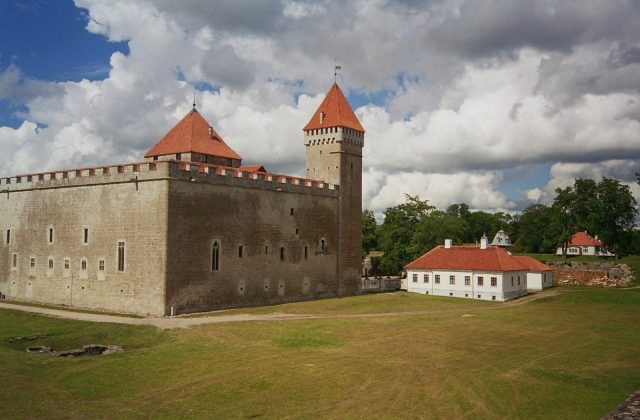
Saaremaa is Estonia's largest island, about 2,670 square kilometres of flat juniper heath, pine forest,…
3 tours & trips
192 km away
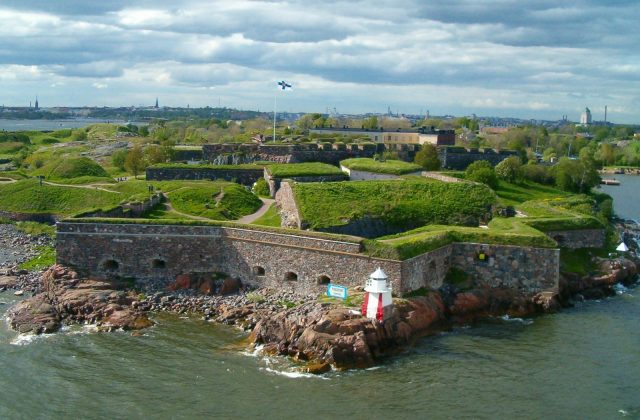
Suomenlinna is an eighteenth-century sea fortress spread across a cluster of islands at the entrance to Helsinki…
12 tours & trips
230 km away
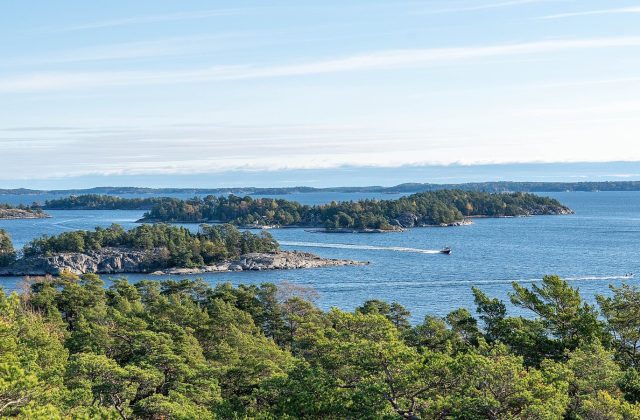
The Stockholm Archipelago is a maze of about 24,000 islands, islets and skerries spreading east from the Swedish…
6 tours & trips
Car ferry from Rohuküla near Haapsalu to Heltermaa in about 75 min; flights from Tallinn to Kärdla.
From Rohuküla (near Haapsalu) or Tallinn: about 75 min by ferry; 45 min by air from Tallinn.
1 to 2 nights.
Jun–Aug; long light evenings; Sep for quiet; winters dark, cold and quiet.
Car needed or bike; sparse buses; flat roads, some gravel.
Go if you want quiet forests, lighthouses, empty beaches and easy cycling in a slow Baltic setting. Skip it or choose Saaremaa if you want a bigger island with a castle town, spas and more restaurants.
Mid-range for Estonia.
Sandy beaches at Kalana and Tõrvanina; calm, shallow bays near Kassari; water is cool.
Car places on summer weekend ferries and rooms around Midsummer.
West Estonian Archipelago, Estonia
Saaremaa is Estonia's largest island, about 2,670 square kilometres of flat juniper heath, pine forest,…
3 tours & trips