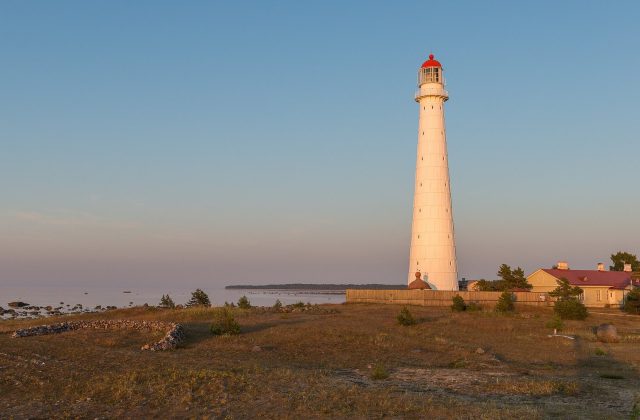
Hiiumaa
West Estonian Archipelago, Estonia
Hiiumaa is Estonia's second largest island, 989 square kilometres of pine forest, juniper heath and quiet coast in…
No tours listed
Estonia · Baltic Sea · Nature & wildlife island
Saaremaa is Estonia's largest island, about 2,670 square kilometres of flat juniper heath, pine forest, stone-walled farms and quiet coast in the Baltic Sea. It has a complete medieval bishop's castle in Kuressaare, a meteorite crater, old windmills and limestone cliffs, and is reached by a short ferry and a causeway.
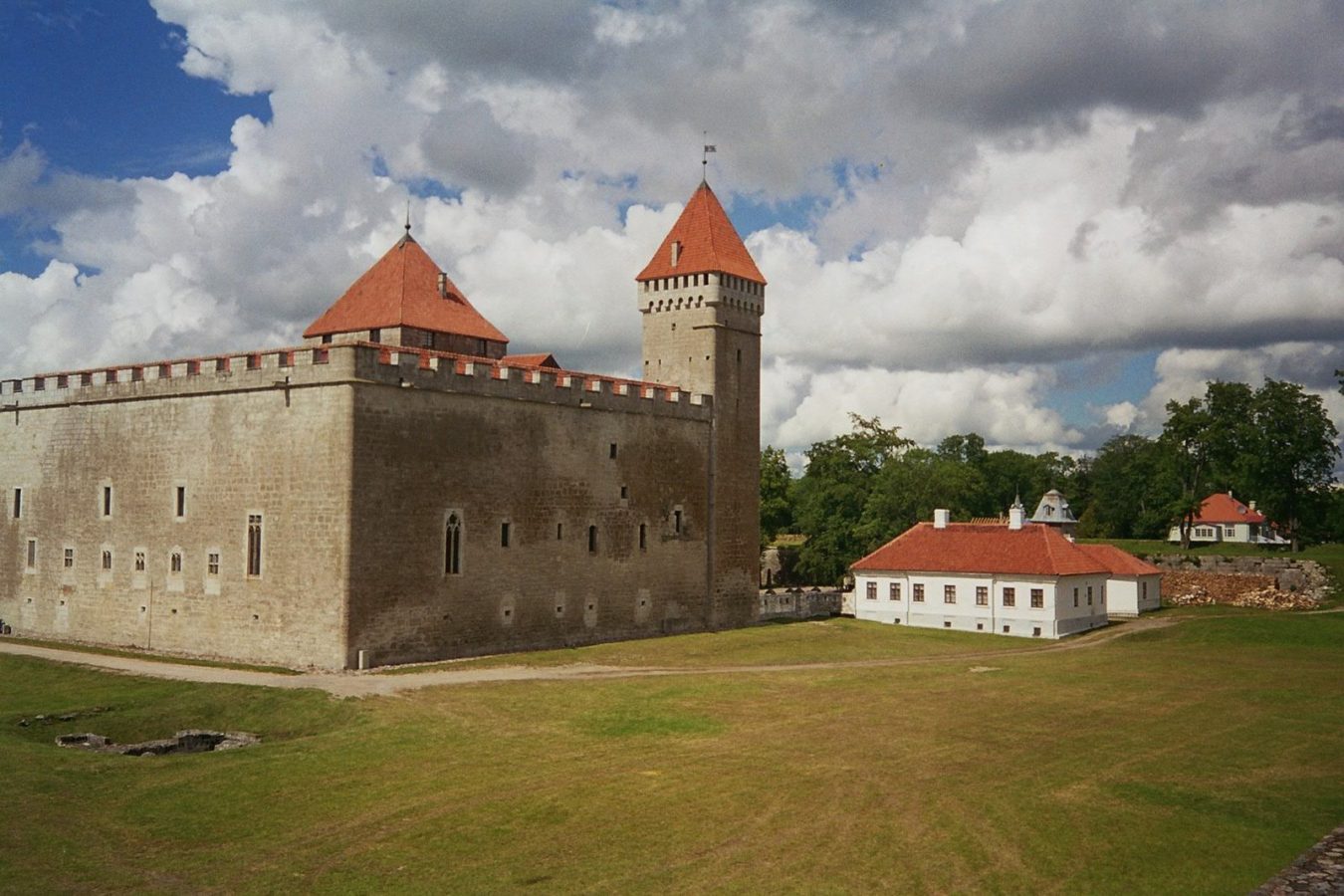
Photo: Sabine Hack (= Vonsoeckchen on de.wikipedia), CC BY-SA 3.0
| Getting there | Ferry Virtsu to Muhu about 30 min, then a causeway; or a 45-min flight from Tallinn to Kuressaare |
|---|---|
| Gateway | Virtsu (ferry) or Tallinn |
| Travel time | About 3.5 h from Tallinn by road and ferry |
| Days | 3 to 5 nights |
| Best months | Jun–Aug; May and September quieter and cool; Midsummer late June busy |
| Getting around | A car is best; flat roads suit cycling; buses link Kuressaare to the main villages |
| Booking | Summer car ferry tickets and Kuressaare spa hotels a few weeks ahead |
| Cost | Mid-range for Estonia |
| Beaches | Sandy beaches on the south coast near Kuressaare, such as Mandjala and Jarve; shallow, cool water |
| Sea | Baltic Sea |
| Archipelago | West Estonian Archipelago |
| Area | 2,673 km² |
| Population | 31,435 (2020) |
| Highest point | 62 m |
| Ferry | 30 min from Virtsu (ferry) or Tallinn |
| Airport | Yes, scheduled flights |
| Car-free | No |
| Checked | October 2026 |
Most visitors drive to Saaremaa and explore at their own pace, but a few organised options are worth knowing.
From Kuressaare, small-group or private tours run a half or full day to the island's three famous sights: the Kaali meteorite crater, the Angla windmills and the Panga cliff, often adding a church or a farm. They include transport and a guide; entry fees and lunch are usually extra. For travellers short of time, full-day trips from Tallinn cover Muhu and Saaremaa in one go, but that means six or seven hours on the road and ferry.
Active options include guided kayaking along the sheltered coasts and islets, with equipment provided, and bike hire in Kuressaare. Locally you can arrange boat trips to the Vilsandi islands for birdwatching and seals, as well as spa treatments, which have been part of the island's tradition since the nineteenth century.
Our advice: bring or rent a car and spend at least two nights, ideally three; if you arrive without one, book the sights tour from Kuressaare and a kayak outing rather than the day trip from Tallinn.
The island's only town has a small old centre, a seafront park and spa hotels. Its pride is the Episcopal Castle, a square fourteenth-century stronghold of grey dolomite surrounded by a moat and ramparts, the best-preserved medieval castle in the Baltic states. Inside, the Saaremaa Museum covers the island's history and nature. Allow two to three hours.
About 18 km north of Kuressaare, a round crater about 110 metres across, filled with a still green lake, was formed when a meteorite struck the island several thousand years ago. Smaller craters lie in the woods around it. A visitor centre and small museum explain the impact and the legends linked to it.
Further north, a row of wooden post windmills stands on a hill by the road, the last of many that once ground grain across the island. A small heritage centre lets you climb inside and learn about milling. Nearby Karja church has unusual medieval stone carvings, and it makes a natural stop on the same drive.
On the north coast, Panga is the highest limestone cliff on Saaremaa, rising about 20 metres above the sea, with fossils in the layered rock. A path runs along the top through juniper and pine, and on clear evenings the sunset over the water is the reason to come. Take care near the unfenced edge.
The western coast is protected as Vilsandi National Park, with islets, bird colonies and grey seals offshore. Walk the coastal paths from Harilaid, see the leaning lighthouse at Kiipsaare, and in summer take a boat or wade with a guide to Vilsandi island. It is the island's wildest corner, well worth a long day.
On the way in from the ferry, the smaller island of Muhu has Koguva, a village of thatched farmhouses behind stone walls that is now an open-air museum. The local embroidery, bright and floral, is sold in craft shops. Stop for a meal, then cross the causeway to Saaremaa, about 15 minutes away.
Our pick for each kind of trip, with live dates and prices. Free cancellation on most.
Best for: First visit, the island's classic sights
A guided loop from Kuressaare to the meteorite crater, the windmills and the northern cliffs, covering the three sights most visitors want without needing a car.
Most visitors drive from Tallinn, about 130 km to Virtsu on the west coast, where car ferries cross to Kuivastu on Muhu in about 30 minutes. They run frequently from early morning to late evening, every half hour or so in summer. Book car tickets online in advance for summer Fridays, Sundays and Midsummer, when queues can be long. From Kuivastu a road crosses Muhu and the causeway to Saaremaa; Kuressaare is about an hour further, so allow three and a half hours from Tallinn.
Buses from Tallinn to Kuressaare include the ferry and take about four hours. Kuressaare airport has flights from Tallinn of about 45 minutes. A ferry also links Triigi in the north with Hiiumaa.
Saaremaa is large, so a car is the easiest way to reach the scattered sights; roads are good and quiet, though some side roads are gravel. Kuressaare has car rental. The island is flat, and cycling is popular, with bikes for hire in town, but distances between sights are long. Local buses link Kuressaare with villages, infrequently. Kuressaare itself is walkable.
June to August is the season, with long, light evenings, the warmest weather and summer events. Daytime temperatures are usually in the high teens to low twenties, and the sea reaches around 18 to 20 degrees in July and August, cool but swimmable. Midsummer Eve, around 23 June, brings bonfires and celebrations across the island, and Kuressaare holds castle festivals and music events in summer. Accommodation fills on weekends.
May and September are quieter and fresher, good for walking, cycling and birdwatching, though some cafes and boat services close. Autumn and winter are grey and windy, but the spa hotels stay open, and in very cold winters ice roads have sometimes been opened across the sea. Allow three to five nights to see the island without rushing.
Kuressaare is the best base for most visitors, with spa hotels, guesthouses, restaurants and the castle, and it is central for day drives. The south coast near Mandjala and Jarve suits families with its sandy beaches and holiday cottages. For quiet nature, stay at a farm guesthouse in the countryside or near Vilsandi in the west. Muhu has a few stylish rural guesthouses.
Saaremaa's people were feared seafarers in the Viking Age, raiding the coasts of Scandinavia, until German crusaders conquered the island in 1227. The bishops of Osel-Wiek built the castle at Kuressaare, and Baltic German nobles later owned the manors. Denmark, Sweden and the Russian Empire ruled in turn before Estonian independence in 1918. In the Soviet period the island was a closed border zone, which kept it rural and undeveloped. Since 1991 its windmills, juniper landscapes and spas have drawn visitors.
Saaremaa pairs naturally with Muhu, crossed on the way in, and Hiiumaa, reached by ferry from Triigi in about an hour. On the mainland, the spa town of Haapsalu is an hour north of Virtsu, and Parnu, the summer capital, is about two hours. Tallinn makes the obvious start and finish.
Ferry Virtsu to Muhu about 30 min, then a causeway; or a 45-min flight from Tallinn to Kuressaare.
From Virtsu (ferry) or Tallinn: about 3.5 h from Tallinn by road and ferry.
3 to 5 nights.
Jun–Aug; May and September quieter and cool; Midsummer late June busy.
A car is best; flat roads suit cycling; buses link Kuressaare to the main villages.
Go if you want a calm, green island of castles, windmills, spa hotels and empty coast within a few hours of Tallinn. Skip it or choose a warmer southern island if you want hot weather, lively nightlife or swimming outside high summer. With about 30 min each way from Virtsu (ferry) or Tallinn, a day trip is easy to do.
Mid-range for Estonia.
Sandy beaches on the south coast near Kuressaare, such as Mandjala and Jarve; shallow, cool water.
Summer car ferry tickets and Kuressaare spa hotels a few weeks ahead.
Yes. Boat trips, guided tours and day trips for Saaremaa can be booked online; live prices and free cancellation on most are shown on this page.
West Estonian Archipelago, Estonia
Hiiumaa is Estonia's second largest island, 989 square kilometres of pine forest, juniper heath and quiet coast in…
No tours listed