Comoros
337 km away
The Comoros is a small island nation at the northern end of the Mozambique Channel, made up of Grande Comore, Mohéli…
9 tours & trips
Mozambique · Indian Ocean · Historic island
Ibo is a small coral island in the Quirimbas archipelago off northern Mozambique, where a sleepy town of crumbling Portuguese mansions, old forts and silversmiths' workshops sits among mangroves and baobabs. It lies inside the Quirimbas National Park, a short dhow ride from the mainland, and gives a rare look at the old Swahili and Portuguese trading coast.
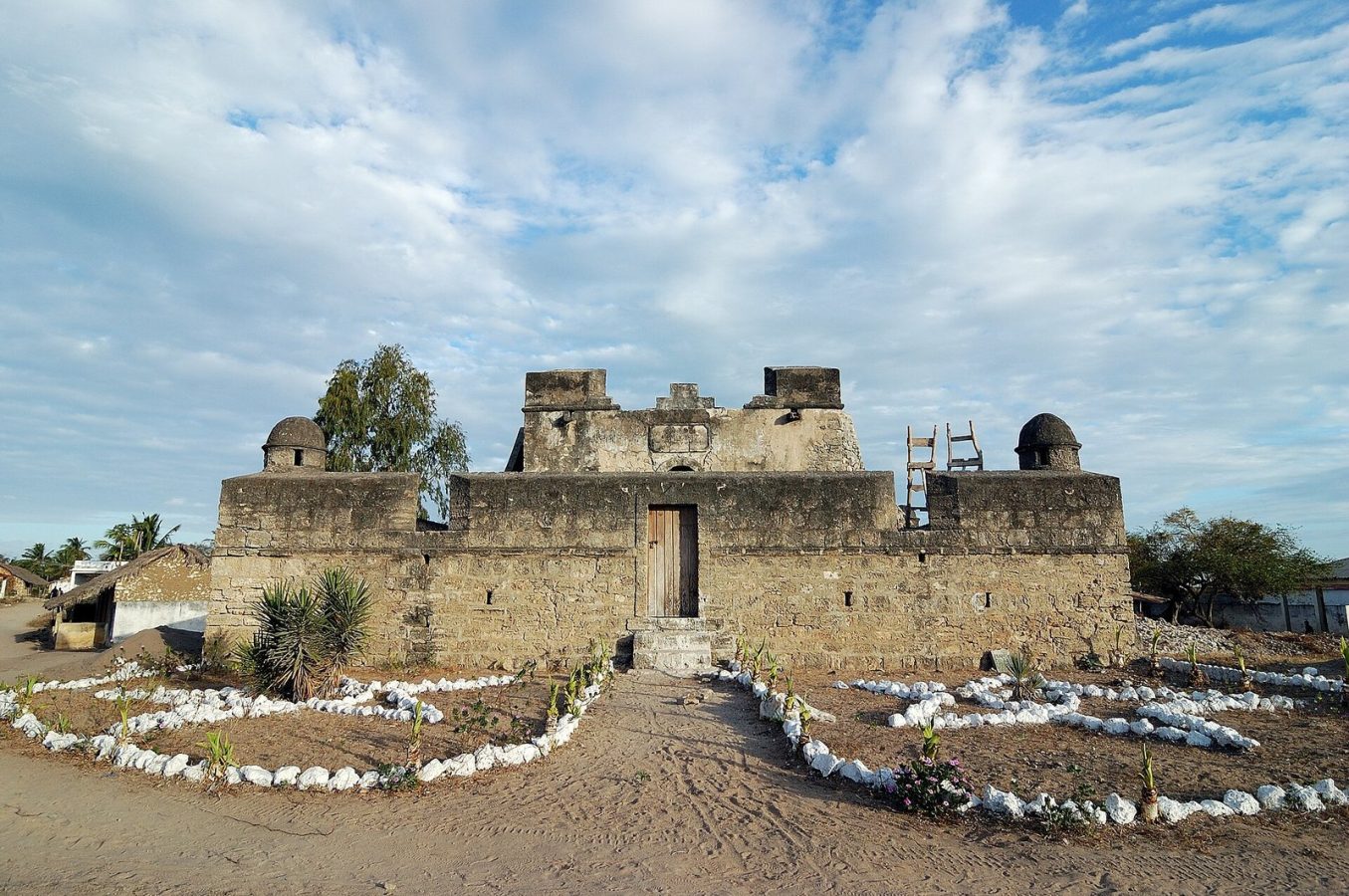
Photo: Rosino, CC BY-SA 2.0
| Getting there | Road from Pemba to the jetty at Tandanhangue, then a dhow across the channel; check security advice first |
|---|---|
| Gateway | Pemba, via the Tandanhangue jetty |
| Travel time | Half a day by road and dhow from Pemba |
| Days | 1 to 2 nights |
| Best months | May–Nov (dry season); rains and cyclone risk Dec–Apr |
| Getting around | On foot: the town is compact; dhow trips and guided walks are arranged locally |
| Booking | Lodge and transfer from Pemba before you go, after checking travel advice |
| Cost | Mid-range for Mozambique |
| Beaches | No real beaches on Ibo itself; mangroves and mudflats, with sandbanks reached by dhow |
| Sea | Indian Ocean |
| Archipelago | Quirimbas Islands |
| Area | 9 km² |
| Checked | October 2026 |
No tours of Ibo are sold online on their own, and most visitors arrange everything through the place they stay. Lodges and guesthouses on the island usually offer a transfer package from Pemba: a drive north to the jetty at Tandanhangue and a dhow across the channel, timed to the tide. Ask exactly what is included, as some prices cover only the boat.
Once on the island, the useful outings are local and simple to arrange. A guided walk through the old town, the forts and the cemetery gives the context that the ruined buildings do not. Dhow trips run to nearby sandbanks for swimming and snorkelling, and into the mangrove channels at high tide. A low-tide crossing on foot to neighbouring Quirimba Island, through mangroves and shallow flats with a guide, is the most unusual day out.
Because of the insurgency that has affected Cabo Delgado since 2017, check your government's current advice before anything else: many advise against all travel to the province, which also affects travel insurance. If the situation allows a visit, book a reputable lodge that handles the whole transfer rather than improvising transport on your own.
The star-shaped fort at the northern edge of town dates from the late 18th century and is the best-preserved monument on the island. Inside its whitewashed walls silversmiths work in small rooms, turning old coins into fine filigree jewellery with simple hand tools; you can watch them and buy. The cells recall darker times, when the colonial secret police held independence fighters here.
Ibo town is a grid of wide sandy streets lined with Portuguese mansions, many roofless and gripped by fig roots, a few restored as guesthouses. Walk past the white parish church, the old administrative buildings and the main square, then down to the waterfront at dusk when the dhows come in. Cyclone Kenneth damaged much of the town in 2019, and rebuilding is still visible.
South of the town the island breaks up into mangrove creeks that fill and drain with the tide. Local guides take visitors through them by canoe or dhow at high tide, watching for kingfishers, herons and crabs among the roots. It is a quiet two-hour outing, best early in the morning or late in the afternoon when the light is soft and the heat lower.
When the tide is out, the channel between Ibo and neighbouring Quirimba Island drains enough to walk and wade across with a guide, through mangroves and over sandy flats. The walk takes several hours and depends entirely on the tide table, so plan it with your lodge a day ahead, start early, wear shoes you can get wet and carry plenty of water.
Dhows from the Ibo waterfront sail to sandbanks and small uninhabited islets in the Quirimbas National Park, where you swim in clear shallow water over seagrass and coral. Trips usually last half a day, often include a simple lunch of grilled fish, and are timed to the wind and tide. The park protects reefs, mangroves and dugong habitat along this coast.
Ibo has no scheduled ferry in the usual sense. The standard route starts in Pemba, the capital of Cabo Delgado, which has an airport with domestic flights from Maputo and other cities. From Pemba a road runs north to the small jetty at Tandanhangue, partly unpaved; allow several hours, and longer in the rainy season. From there motorised or sailing dhows cross to Ibo, a trip that depends on the tide and can take from half an hour to well over an hour. Some lodges have also arranged light-aircraft charters from Pemba to the island's airstrip. There is nothing to do with a car on Ibo, so leave it in Pemba. Before planning, check the current security situation on the road north of Pemba.
Ibo is small and flat, and the town, the forts and the waterfront are all within walking distance of each other, usually 10 to 20 minutes apart along sandy lanes. There are very few vehicles, so walking is the norm, and some guesthouses lend bicycles. Everything beyond the town, from the mangroves to the sandbanks, is reached by dhow or on foot with a local guide, arranged through your lodge or at the waterfront. Carry enough cash, as cards and cash machines cannot be relied on.
The dry season from May to November is the time to go. Days are sunny and warm rather than hot, humidity is lower and the trade winds make dhow sailing reliable, though the wind can be strong in July and August. The sea stays warm all year.
From December to April the rains arrive, the road to Tandanhangue can turn to mud and the coast lies in the path of Indian Ocean cyclones; Kenneth struck the island in April 2019 and destroyed most homes. Some places to stay close in this period.
Tides shape every day on Ibo, so check the tide table when you arrive and plan walks and boat trips around it. One or two nights are enough for the town, the forts and a dhow trip; add a third night for the walk to Quirimba. Visitor numbers are tiny, so crowds are never a concern.
Everyone stays in Ibo town, the only settlement of any size, where the handful of lodges and guesthouses are found, several of them in restored colonial mansions with shady gardens. Rooms near the waterfront catch the breeze and the evening view across the channel; places further inland are quieter and simpler. Choose somewhere that organises the transfer from Pemba and local outings, since there are no travel agencies on the island, and expect to eat most meals where you sleep.
Ibo began as a Muslim trading port on the Swahili coast, exchanging ivory, cloth and later enslaved people with Arabia and India. The Portuguese fortified it in 1609, and in the late 18th century they built the fort of São João and a town that became the region's second slave port after Mozambique Island. When the administration moved to Porto Amélia, now Pemba, in the early 20th century, Ibo slowly emptied and its mansions were left to the fig trees. During the independence war the fort served as a political prison. Today the island is known for its silversmiths and its unhurried pace.
Pemba, with its long beach at Wimbe and reefs close to shore, is the natural start and end point and worth a night on each side. Other islands of the Quirimbas, such as Quirimba and Matemo, can be reached by dhow from Ibo. For more of the same history, Mozambique Island further south shares the story of forts, trade and slow decline.
337 km away
The Comoros is a small island nation at the northern end of the Mozambique Channel, made up of Grande Comore, Mohéli…
9 tours & trips
Road from Pemba to the jetty at Tandanhangue, then a dhow across the channel; check security advice first.
From Pemba, via the Tandanhangue jetty: half a day by road and dhow from Pemba.
1 to 2 nights.
May–Nov (dry season); rains and cyclone risk Dec–Apr.
On foot: the town is compact; dhow trips and guided walks are arranged locally.
Go if you want a quiet, history-soaked Swahili island with colonial ruins, silversmiths and tidal mangrove walks. Skip it or choose Mozambique Island or the Bazaruto islands if you want beaches, easy access or a destination without security warnings.
Mid-range for Mozambique.
No real beaches on Ibo itself; mangroves and mudflats, with sandbanks reached by dhow.
Lodge and transfer from Pemba before you go, after checking travel advice.