Noirmoutier
32 km away
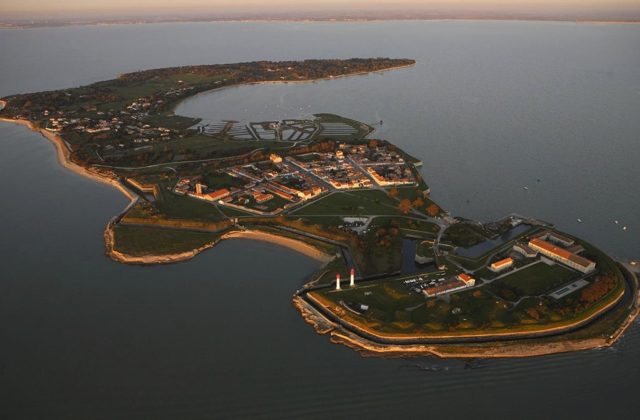
Noirmoutier is a low, flat island off the Vendée coast of western France, linked to the mainland by a bridge and by the…
3 tours & trips
France · Atlantic Ocean · Beach island
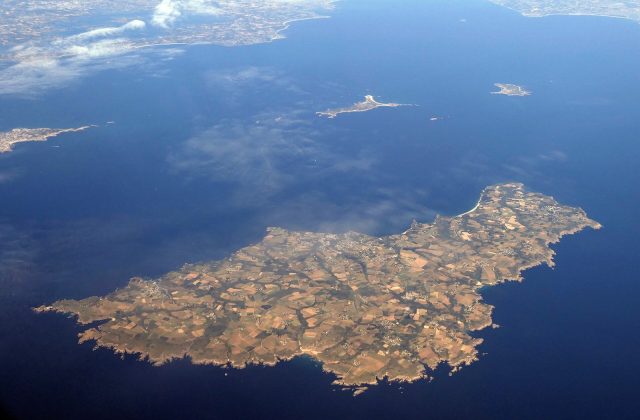
Île d'Yeu is a granite and sand island off the Vendée coast of western France, about 10 km long and reached by fast boat from Fromentine in around half an hour. It pairs a sheltered north-eastern shore of dunes and beaches with a wild rocky south coast, two fishing harbours and quiet lanes made for cycling.
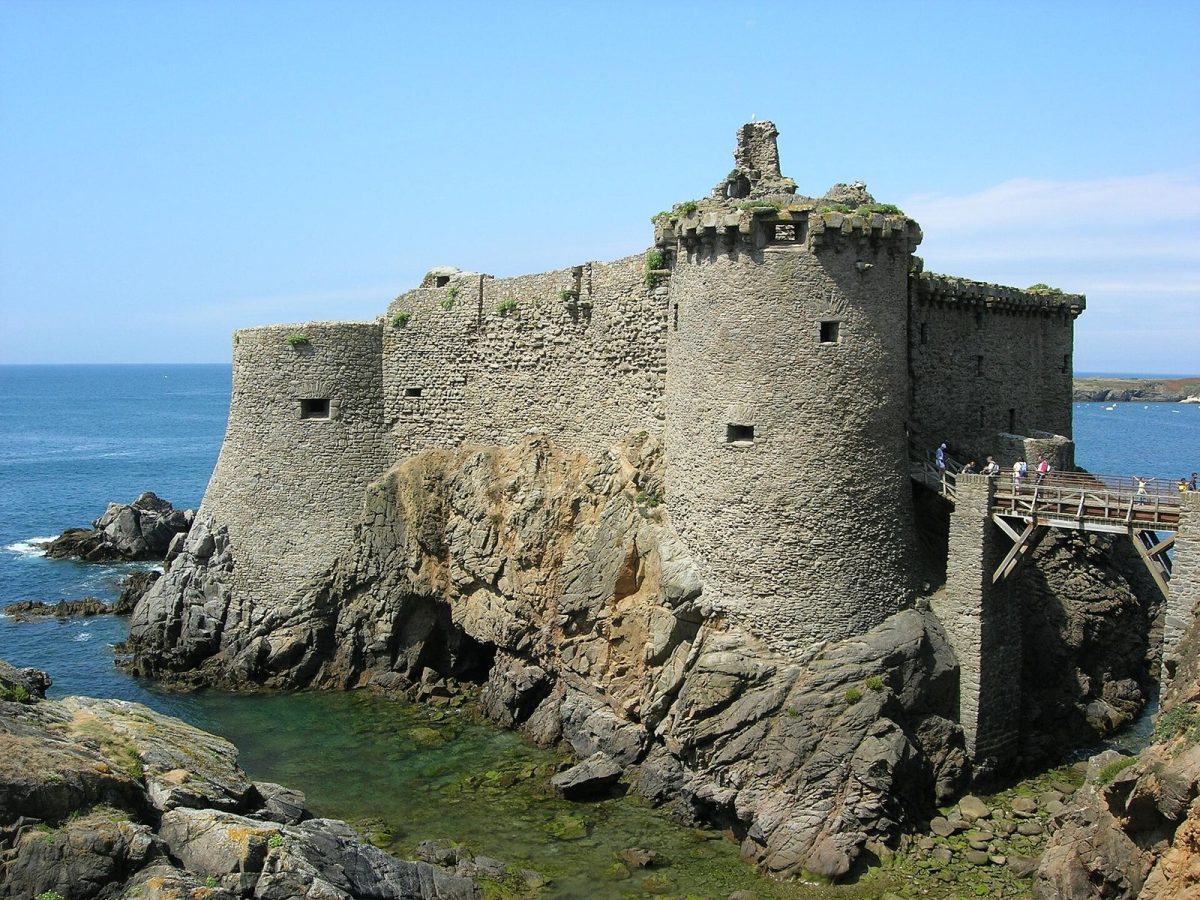
Photo: Remi Jouan, CC BY-SA 3.0
| Getting there | Fast boat from Fromentine in about 30 min; summer boats from Saint-Gilles-Croix-de-Vie |
|---|---|
| Gateway | Fromentine (also Saint-Gilles-Croix-de-Vie) |
| Travel time | About 30 min by fast boat |
| Days | 3 to 5 nights |
| Best months | Jun–Sep; Jul–Aug busiest, May and September quieter |
| Getting around | Rent a bike at Port-Joinville; cycle paths and quiet roads cover the island |
| Booking | Boat crossings and rooms well ahead for July–August; bikes on arrival |
| Cost | Mid-range, a little above the Vendée mainland |
| Beaches | Sandy coves and dune beaches in the north and east; Plage des Vieilles; rocky south coast |
| Sea | Atlantic Ocean |
| Area | 23 km² |
| Population | 4,636 (2013) |
| Highest point | 27 m |
| Ferry | 30 min from Fromentine (also Saint-Gilles-Croix-de-Vie) |
| Car-free | No |
| Checked | October 2026 |
Nothing is sold online for Île d'Yeu alone in the way of packaged tours, and almost nobody needs one. The island is visited independently: you book the boat crossing, rent a bicycle at the harbour and set off. A day trip from the mainland works if you catch an early boat and return on the last one, but the island is at its best over several nights, when the day visitors have gone.
What you arrange is mostly practical. The boat is the one thing to book early in summer, particularly on weekends and at the start and end of the French holidays. Bikes, including electric ones and trailers for children, are rented from shops near the quay in Port-Joinville; reserve them for July and August. The tourist office and local guides run occasional walks on the island's history, its megaliths and its birds, and sea-fishing or sailing outings leave from the harbour in season.
The plain recommendation is to come for at least three nights, leave the car on the mainland and treat the island as a cycling holiday with beaches, seafood and long evening walks along the wild coast.
The main harbour, where the boats arrive, is a lively quay of fishing boats, cafes, seafood restaurants and bike-rental shops. It was once among the leading tuna ports in France, and fish is still landed here. Walk the harbour walls, try the local prune tart, and visit the small cemetery where Marshal Pétain, who died a prisoner on the island, is buried.
On the south-west coast, about 5 km from Port-Joinville, a ruined 14th-century castle stands on a rock above the sea, reached by a footbridge over a deep cleft. It can be visited in season. From here the coastal path follows the granite cliffs past coves and sea stacks; this stretch is the most dramatic walk on the island.
A narrow rocky inlet in the middle of the south coast shelters the brightly painted boats of the lobster fishermen. On the cliff above stands the small white chapel of Notre-Dame-de-Bonne-Nouvelle, the island's best-known view. Come by bike from the château along the coast path, eat at one of the seafood places at the harbour, and continue east to the beach at Les Vieilles.
The long sandy beach of Les Vieilles, on the sheltered south-east, is the island's most popular for families, with shallow water and space even in August. Further east the Pointe des Corbeaux has a lighthouse, rocks for exploring at low tide and quieter coves. The water is Atlantic: refreshing even in summer, but clear and calm on most days.
The old inland village of Saint-Sauveur, the island's original centre, has a Romanesque church tower and low whitewashed houses with coloured shutters. Around it, lanes cross heath, small fields and pine woods dotted with dolmens and menhirs. The Grand Phare, the main lighthouse north-west of Port-Joinville, can be climbed in season for a view over the whole island.
Most crossings leave from Fromentine, at the northern end of the Vendée coast beside the bridge to Noirmoutier. Fast passenger boats take about 30 minutes and run all year, several times a day in summer and less often in winter; a slower conventional ferry also sails. In summer there are extra boats from Saint-Gilles-Croix-de-Vie and from Noirmoutier. Two operators, Yeu Continent and Compagnie Vendéenne, sell tickets online and at the port.
Taking a car across is possible on some sailings but costly and rarely worth it; most visitors leave theirs in the paid car parks at Fromentine. Without a car, the nearest airport and main railway station are in Nantes, about an hour and a half by road, with coaches to Fromentine in summer.
The island is made for cycling: it is roughly 10 km long and gently undulating, so nowhere is more than about 40 minutes by bike from Port-Joinville. Rental shops at the quay have town bikes, electric bikes, tandems and child seats. Marked cycle routes and quiet lanes link the villages, beaches and the wild coast. A small seasonal bus and taxis exist, and cars can be hired, but the roads are narrow and parking near the popular coves is limited in summer.
The season runs from June to September. July and August are the busiest months, with French families filling the rental houses, boats selling out and prices at their highest; days are warm, usually in the mid-twenties, and the sea reaches about 18 to 20 degrees. June and September are the sweet spot, with long days, quieter beaches and lower prices, and the water is still pleasant in early September.
May and October suit walkers and cyclists, though the weather is changeable and swimming is bracing. From November to March the island returns to its residents: many restaurants and rental shops close, boats run less often and Atlantic storms can cancel crossings, but the wild coast is at its most dramatic. Three to five nights is the right length, enough to cycle the whole island at a relaxed pace.
Port-Joinville has the most rooms, restaurants and services and is the easiest base without a car, since the boats, bike shops and market are all here. Saint-Sauveur, in the middle, is quieter and handy for both coasts. The south and east, around La Meule and Les Vieilles, suit families who want to be near the best beaches, mostly in rented houses. Much accommodation is let by the week in summer, so book early.
Megaliths scattered across the interior show the island was settled and sacred in prehistoric times. Irish monks founded a monastery here in the early Middle Ages that Viking raiders destroyed, and in the 14th century the lords of the area built the castle on the south-west coast against pirates. Fishing shaped the modern island: Port-Joinville, named after a 19th-century prince, became a major tuna port, while La Meule specialised in lobster. After the Second World War Marshal Pétain was imprisoned in the fort above Port-Joinville until his death in 1951.
Noirmoutier is the obvious pair, its bridge a few minutes from Fromentine, or cross by the Passage du Gois causeway at low tide. The Vendée beach resorts of Saint-Jean-de-Monts and Saint-Gilles-Croix-de-Vie are close by, Nantes is about 90 minutes away by road, and the Puy du Fou theme park makes a day out inland. Île de Ré lies about two and a half hours to the south.
32 km away
Noirmoutier is a low, flat island off the Vendée coast of western France, linked to the mainland by a bridge and by the…
3 tours & trips
94 km away
Belle-Île-en-Mer is the largest of the Breton islands, 17 km long and 14 km off the Quiberon peninsula, with a wild…
29 tours & trips
119 km away
Ile d'Aix is a tiny car-free island of just over one square kilometre at the mouth of the Charente, a 20-minute…
5 tours & trips
Fast boat from Fromentine in about 30 min; summer boats from Saint-Gilles-Croix-de-Vie.
From Fromentine (also Saint-Gilles-Croix-de-Vie): about 30 min by fast boat.
3 to 5 nights.
Jun–Sep; Jul–Aug busiest, May and September quieter.
Rent a bike at Port-Joinville; cycle paths and quiet roads cover the island.
Go if you want a quiet French island of bike rides, sandy coves, lobster and fishing harbours. Skip it or choose Île de Ré if you want to drive across a bridge, livelier evenings and a wider choice of resorts. With about 30 min each way from Fromentine (also Saint-Gilles-Croix-de-Vie), a day trip is easy to do.
Mid-range, a little above the Vendée mainland.
Sandy coves and dune beaches in the north and east; Plage des Vieilles; rocky south coast.
Boat crossings and rooms well ahead for July–August; bikes on arrival.
France
Mont-Saint-Michel is a granite tidal island crowned by a Benedictine abbey, rising from the bay between Normandy and…
84 tours & trips
France
Corsica is a French island in the Mediterranean, the fourth largest in the sea, where a single chain of granite…
63 tours & trips
France
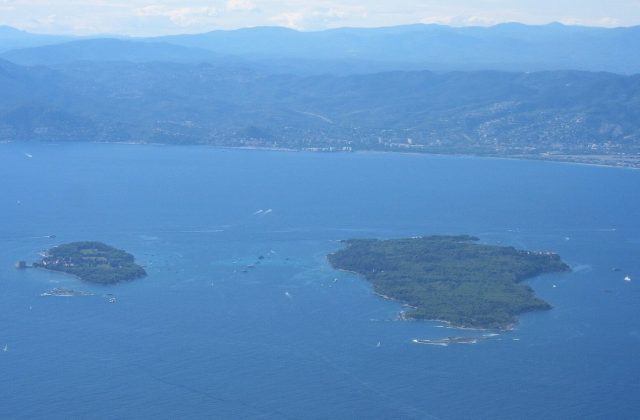
The Lerins Islands are a group of five low, pine-covered islands just off Cannes, only 15 minutes by boat from the old…
42 tours & trips
France
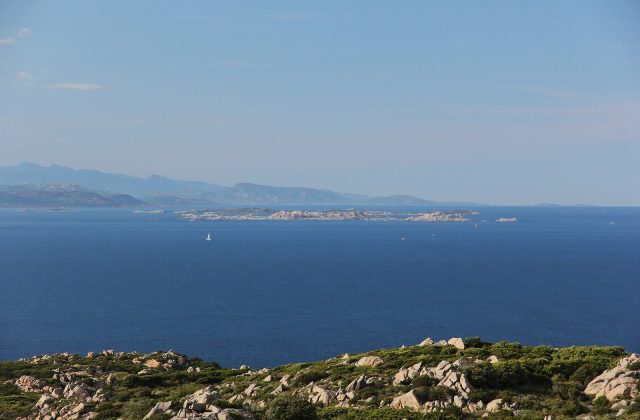
The Lavezzi Islands are a cluster of low granite islets in the Strait of Bonifacio, about 10 km south-east of Bonifacio…
36 tours & trips
France
Belle-Île-en-Mer is the largest of the Breton islands, 17 km long and 14 km off the Quiberon peninsula, with a wild…
29 tours & trips
France
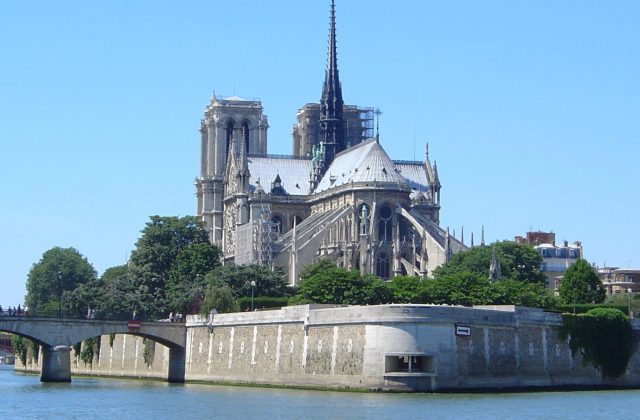
The Ile de la Cite is the small island in the Seine where Paris began, home to Notre-Dame Cathedral, the stained glass…
25 tours & trips