Isle of Skye
Inner Hebrides, United Kingdom
The Isle of Skye is the largest island of the Inner Hebrides, 1,656 square kilometres of sea lochs, moorland and jagged…
62 tours & trips
United Kingdom · North Sea & Channel · Nature & wildlife island
The Isle of Arran is the largest island in the Firth of Clyde, an hour by ferry from the Ayrshire coast and easily reached from Glasgow. A geological fault splits it into rugged mountains in the north, topped by Goat Fell at 874 metres, and gentle farmland in the south, which is why it is called Scotland in miniature.
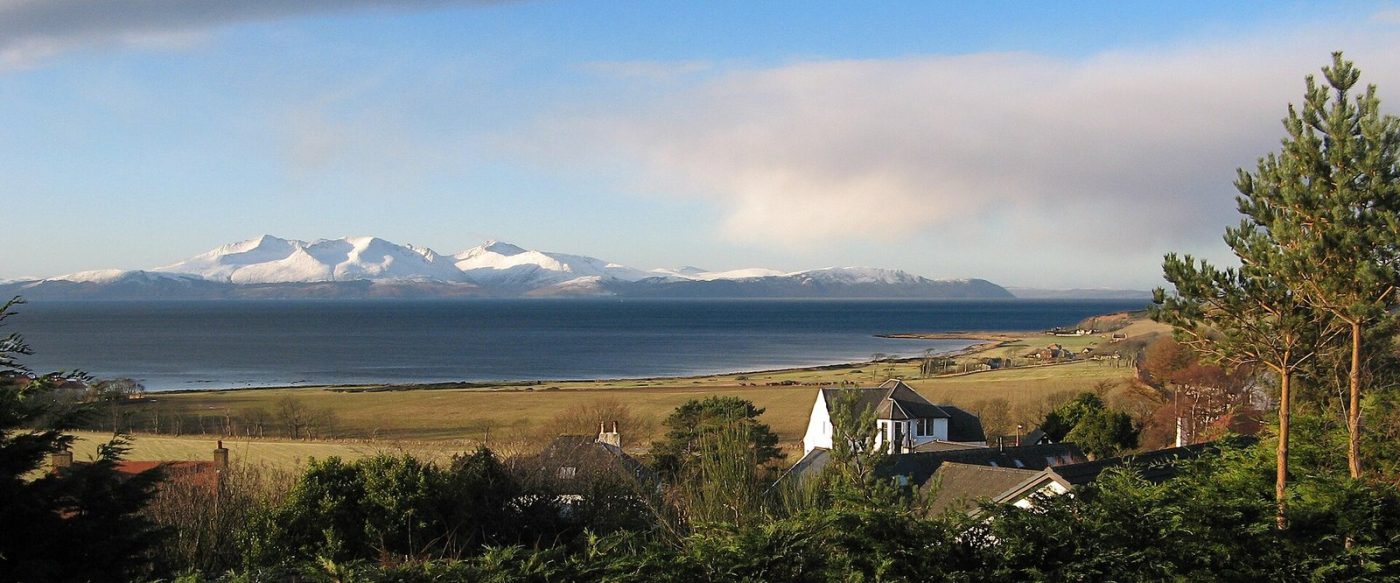
Photo: Scotia, CC BY 3.0
| Getting there | Train from Glasgow to Ardrossan, then a 55-min ferry to Brodick; summer ferry Claonaig to Lochranza |
|---|---|
| Gateway | Glasgow (via Ardrossan) |
| Travel time | 55 min by ferry, about 2 h from Glasgow |
| Days | 3 to 5 nights |
| Best months | May–Sep; May and Sep for fewer midges and quieter roads |
| Getting around | Bring or hire a car; buses circle the coast road and link Brodick to all villages |
| Booking | Car spaces on the ferry and rooms in summer, weeks ahead; foot passengers rarely |
| Cost | Mid-range for Scotland |
| Beaches | Sand at Brodick, Sannox, Kildonan and Blackwaterfoot; cold water, best for walks and seals |
| Sea | North Sea & Channel |
| Area | 432 km² |
| Population | 4,618 (2022) |
| Highest point | 874 m (Goat Fell) |
| Ferry | 55 min from Glasgow (via Ardrossan) |
| Airport | No |
| Car-free | No |
| Checked | October 2026 |
Only a few products are sold for Arran, and most people visit independently, because the ferry is simple and the island is easy to get around.
The most common option is a guided day from Glasgow. A minibus collects you in the city, drives to the ferry port, crosses with you and then follows the coast road around the island with stops at Brodick Castle, Lochranza, the standing stones of Machrie Moor and a distillery or two, returning in the evening. Ferry tickets and transport are normally included; entry fees, tastings and lunch are usually extra. It is a long day, roughly twelve hours, and you see the island from the road more than on foot.
Private day trips work the same way with your own driver, so the route can be shaped around walking, whisky or children. On the island itself, farm visits and distillery tours are sold as tickets and suit families or rainy days.
The plain recommendation is to stay at least two nights and travel on your own by train and ferry. Take a guided day from Glasgow only if a single day is all you have, and book distillery tours directly once you arrive.
Brodick, where the ferry lands, has the island's main sights within walking distance. The red sandstone castle, former seat of the Dukes of Hamilton, has furnished rooms, gardens and woodland trails. Behind it rises Goat Fell, a climb of five to six hours return on a clear path, with views over the Clyde and as far as Ireland on a good day.
At the northern tip, 23 km from Brodick, the ruined castle stands on a spit in a sea loch ringed by hills, with red deer often grazing on the village green. The island's first modern distillery sits at the edge of the village and offers tours and tastings. The summer ferry from Kintyre arrives at the slipway here.
On the west coast a level farm track of about two kilometres leads across open moorland to six Bronze Age stone circles, some of tall red sandstone slabs. It is one of the finest prehistoric sites in Scotland and free to visit. Allow an hour and a half on foot, and combine it with the King's Cave walk nearby.
A coastal path from Blackwaterfoot runs north under cliffs to a series of sea caves. Legend says Robert the Bruce sheltered in the largest and watched a spider persevere. Old carvings are cut into the walls. The round walk takes about two hours, and Blackwaterfoot has a sandy bay, a shop and a golf course.
The south end is gentle green farmland and quiet shore. At Kildonan a long beach looks across to the island of Pladda and its lighthouse, and grey seals often lie on the rocks offshore. Nearby the Glenashdale Falls walk from Whiting Bay climbs through woods to a high waterfall, about two hours there and back.
From Lamlash, a small ferry crosses in about ten minutes in summer to Holy Isle, owned by a Buddhist community that welcomes day visitors. A steep path climbs to the summit for wide views back over Arran, past wild ponies and goats. Allow three hours, and check return times before you set off.
Our pick for each kind of trip, with live dates and prices. Free cancellation on most.
Best for: First visit, a day from Glasgow
Covers the transfer, the ferry and a guided circuit of the island in one long day, the easiest way to see Arran if you have no car.
The main route is the car ferry from Ardrossan on the Ayrshire coast to Brodick, which takes about 55 minutes and runs several times a day all year, more often in summer. Trains from Glasgow Central connect with the sailings at Ardrossan Harbour in under an hour, so the whole journey from the city takes about two hours without a car. In some recent seasons sailings have moved to Troon while the Ardrossan berth was unavailable, so check the departure port before you travel.
From April to October a smaller ferry also links Claonaig on the Kintyre peninsula to Lochranza in about half an hour, useful for continuing west to Islay or Mull. There is no airport. Foot passengers rarely need to book, but car spaces on summer weekends sell out, so reserve as soon as your dates are fixed.
A single coast road of about 90 km circles the island, and two roads cross the middle, the String from Brodick to Blackwaterfoot and the Ross from Lamlash to the west. Buses run round the island from Brodick in both directions and meet most ferries, so a car is helpful but not essential. Hiring a car on the island is possible in limited numbers; bikes and electric bikes are hired in Brodick. Roads in the north and west are narrow, with passing places.
The season runs from May to September. May and early June are often the driest and clearest months, with long light evenings, lambs in the fields and few midges. July and August are the warmest, with daytime temperatures around the high teens, but also the busiest, and the biting midges are at their worst on still evenings in the glens. September brings autumn colour, the red deer rut in the hills and quieter ferries.
Weather changes fast at any time of year, and the summit of Goat Fell can be in cloud while the beaches are in sun, so pack waterproofs. Winter is quiet and many cafes and some accommodation close, but ferries and buses keep running and walking on crisp days is good. Ferry cancellations in winter storms are not unusual. Three to five nights let you climb a hill, see both ends of the island and visit a distillery without rushing.
Brodick is the practical base, with the ferry, the main shops, the castle and the Goat Fell path all on hand. Lamlash and Whiting Bay, on the sheltered east coast south of Brodick, are quieter villages with sea views and good walks. Lochranza in the north suits walkers and whisky lovers, with deer and hills on the doorstep. The west coast around Blackwaterfoot is the most peaceful, best if you have a car and want sunsets over Kintyre.
People have lived on Arran since the early Neolithic, and its chambered cairns and stone circles are among the richest in Scotland. Gaelic-speaking settlers from Ireland arrived from the sixth century, then the island fell under Norse rule before passing to the Scottish crown in the thirteenth century. In the nineteenth century the clearances emptied many glens as tenants were moved to make way for sheep, and Gaelic faded. Steamers from the Clyde later brought holidaymakers, and tourism, farming and whisky now sustain the island.
Arran pairs easily with Glasgow, two hours away by train and ferry. The summer crossing from Lochranza to Kintyre opens a western route on to Islay by ferry from Kennacraig, or north to Oban and Mull. Great Cumbrae, reached by a 10-minute ferry from Largs, a short drive up the coast from Ardrossan, makes a gentle day by bike.
Train from Glasgow to Ardrossan, then a 55-min ferry to Brodick; summer ferry Claonaig to Lochranza.
From Glasgow (via Ardrossan): 55 min by ferry, about 2 h from Glasgow.
3 to 5 nights.
May–Sep; May and Sep for fewer midges and quieter roads.
Bring or hire a car; buses circle the coast road and link Brodick to all villages.
Go if you want Highland hills, standing stones, castles and whisky within two hours of Glasgow. Skip it or choose Skye or Mull if you want wilder, emptier landscapes and are happy to travel further for them. With about 55 min each way from Glasgow (via Ardrossan), a day trip is easy to do.
Mid-range for Scotland.
Sand at Brodick, Sannox, Kildonan and Blackwaterfoot; cold water, best for walks and seals.
Car spaces on the ferry and rooms in summer, weeks ahead; foot passengers rarely.
Yes. Boat trips, guided tours and day trips for Isle of Arran can be booked online; live prices and free cancellation on most are shown on this page.
Inner Hebrides, United Kingdom
The Isle of Skye is the largest island of the Inner Hebrides, 1,656 square kilometres of sea lochs, moorland and jagged…
62 tours & trips
Northern Isles, United Kingdom
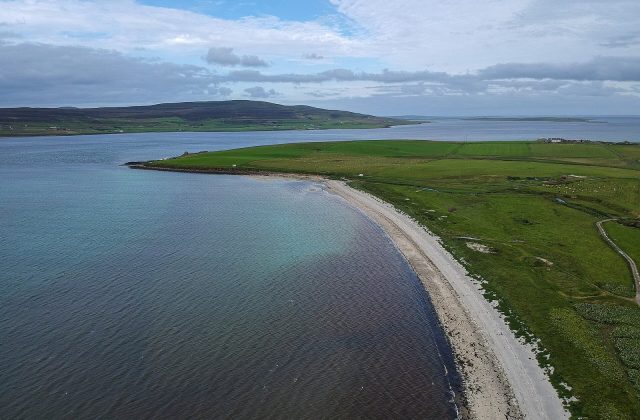
Orkney is an archipelago of about 70 low, green islands off the north coast of Scotland, 20 of them inhabited, with the…
23 tours & trips
United Kingdom
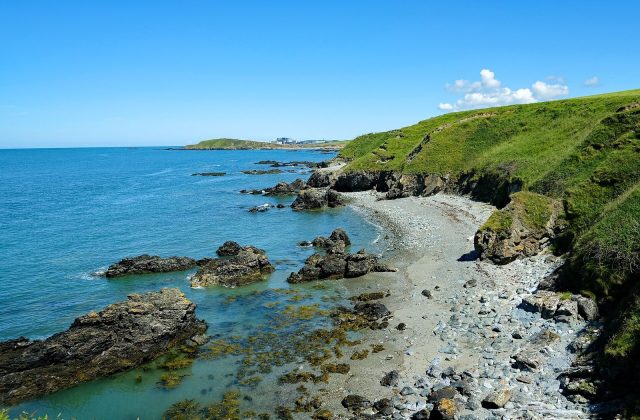
Anglesey is the largest island in Wales, about 676 square kilometres of farmland and coves joined to the mainland by…
14 tours & trips
United Kingdom
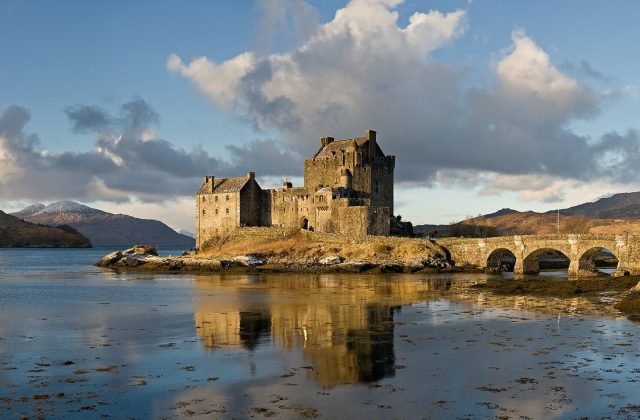
Eilean Donan is a small tidal island where three sea lochs meet in the western Highlands of Scotland, joined to the…
10 tours & trips
Channel Islands, United Kingdom
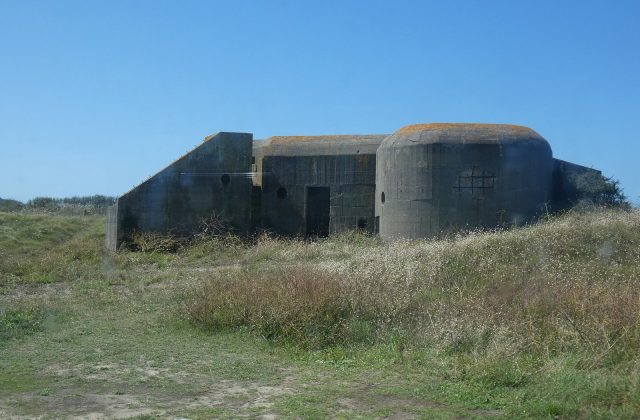
Guernsey is the second-largest of the Channel Islands, a self-governing British Crown dependency in the Gulf of St…
8 tours & trips
Inner Hebrides, United Kingdom
Mull is the second-largest island of the Inner Hebrides, a 45-minute ferry crossing from Oban on the west coast of…
8 tours & trips