Isle of Skye
Inner Hebrides, United Kingdom
The Isle of Skye is the largest island of the Inner Hebrides, 1,656 square kilometres of sea lochs, moorland and jagged…
62 tours & trips
United Kingdom · North Sea & Channel · Beach island
The Isle of Wight is England's largest island, 380 square kilometres of chalk downs, sandy bays and seaside towns just across the Solent from Southampton and Portsmouth. Queen Victoria's summer home, dinosaur fossils, the Needles and a coastal path make it a classic British family holiday a short ferry ride from the mainland.
| Getting there | Car ferries from Portsmouth, Southampton and Lymington in 40 min to 1 h; fast boats and hovercraft 10 to 25 min |
|---|---|
| Gateway | Southampton, Portsmouth or Lymington |
| Travel time | 10 to 25 min fast; 40 min to 1 h by car ferry |
| Days | 3 to 5 nights |
| Best months | May–Sep; festival in June; Cowes Week in early Aug; Sep quieter |
| Getting around | Good bus network and a short railway; a car helps for the west; cycling routes |
| Booking | Car ferries and rooms months ahead for summer, the June festival and Cowes Week |
| Cost | Mid-range for England; car ferry fares are the big cost |
| Beaches | Sandy resort beaches at Sandown, Shanklin and Ryde; Compton Bay for fossils and surf |
| Sea | North Sea & Channel |
| Area | 380 km² |
| Population | 140,794 (2022) |
| Highest point | 241 m (St Boniface Down) |
| Ferry | 25 min from Southampton, Portsmouth or Lymington |
| Airport | No |
| Car-free | No |
| Checked | October 2026 |
The Isle of Wight is easy to visit on your own: frequent ferries, a good bus network and well-signposted sights. What is sold online falls into three groups.
First, transport itself: tickets for the car ferry and the fast passenger boat from Southampton, and the hovercraft from Southsea to Ryde, the only passenger hovercraft service still running in Europe. Buying ahead mostly saves time; summer car ferries are the one thing that sells out.
Second, guided trips. Day tours from London combine rail or coach, the ferry and a driver-guide, usually with entry to Osborne included, and cover the Needles and a seaside town in a long day. Private day trips from Southampton or the ferry ports take a small group wherever it wants. Multi-day small-group tours from London include the island in a loop of the south coast, with transport and hotels included and most meals extra.
Third, attraction tickets, notably Osborne, which can be bought ahead; Carisbrooke Castle and the Needles attractions sell their own.
For a single day without a car, the London day tour is efficient. For a longer stay, travel independently: book the ferry, buy a multi-day bus ticket and walk sections of the coastal path.
At the western tip, three chalk stacks and a red-and-white lighthouse rise from the sea below the cliffs. A chairlift drops to Alum Bay's beach, famous for its many-coloured sand cliffs, and boat trips run close to the stacks in summer. Walk up to the Old Battery, a Victorian fort run by the National Trust, for the best view.
Queen Victoria and Prince Albert built this Italianate palace near East Cowes as their family retreat, and Victoria died here in 1901. You see the state rooms, the royal nursery and the children's Swiss Cottage in the grounds, and walk down to the queen's private beach with its bathing machine. Allow at least half a day; it is a few minutes from the ferry.
On a hill just south-west of Newport, this Norman castle served as the prison of Charles I in 1647 and 1648 before his trial. Walk the full circuit of the walls for views over the island, see the window he tried to escape through, and watch the donkeys turn the great wheel in the well house to raise water.
From Freshwater Bay, a chalk ridge climbs west to a granite cross in memory of the poet Tennyson, who lived nearby, and runs on to the Needles. The walk is about 5 km each way along springy turf with sea on both sides. In late spring the down is covered in wildflowers. Return by the same path or catch a bus back.
The south-east has the island's classic resort beaches: Sandown's long sandy shore and pier, and Shanklin's Old Village of thatched cottages above a deep wooded ravine, the Chine, leading down to the beach. A seafront path links the two towns. In Sandown, the dinosaur museum displays the island's fossil finds and runs guided fossil hunts.
On the south coast, Ventnor is a Victorian town stacked on terraces below St Boniface Down, the island's highest point at 241 metres. A subtropical botanic garden thrives in its mild climate, and a short walk west along the Undercliff leads to Steephill Cove, a tiny car-free bay with fishermen's huts and a crab shack.
Our pick for each kind of trip, with live dates and prices. Free cancellation on most.
Best for: First visit, a day from London
Covers the train, ferry and island driving in one long day, with time inside Queen Victoria's seaside palace and a look at the Needles.
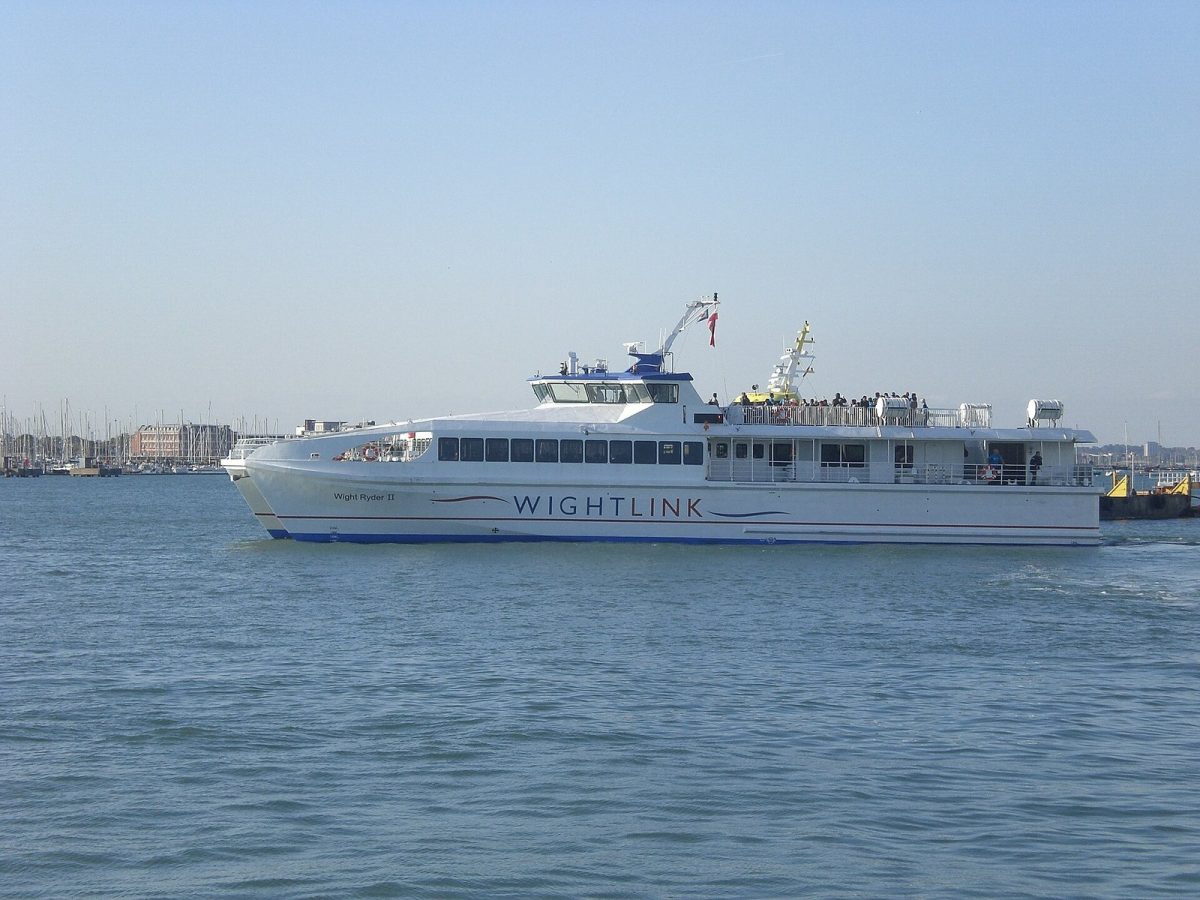
Several routes cross the Solent all year. Car ferries run from Portsmouth to Fishbourne in about 45 minutes, from Lymington to Yarmouth in about 40 minutes and from Southampton to East Cowes in about an hour. Passenger-only fast boats link Southampton with West Cowes and Portsmouth Harbour with Ryde Pier in about 25 minutes, and the hovercraft crosses from Southsea to Ryde in about ten.
Car ferry fares are high in summer, so book early or leave the car behind: fast trains from London Waterloo reach Portsmouth Harbour and Southampton in under two hours, and the Ryde boat connects directly with the island railway. Bicycles travel free or cheaply on most crossings. Sailing your own boat is popular, with marinas at Cowes and Yarmouth.
The island is about 37 km from east to west, and you can manage without a car. Buses run frequently between all the towns and to the Needles in summer, with open-top routes on the coast, and multi-day tickets are good value. A short railway runs from Ryde Pier to Sandown and Shanklin. A car helps in the rural west and south, but roads are narrow and parking in towns fills up in August. Cycling is popular, with quiet lanes and a round-the-island route.
The season runs from May to September, with July and August the warmest and busiest months, when school holidays fill the resorts, ferry prices peak and the sea reaches about 18 degrees. The island is said to be one of the sunniest places in Britain, but rain and wind can come in any month.
Two big events need planning: the Isle of Wight Festival, a large music festival near Newport in mid-June, and Cowes Week, a famous sailing regatta in early August. Both fill ferries and beds months ahead. Walkers prefer May, when the downs flower and a walking festival takes place, and September, when the sea is still warm and the crowds have gone. Winter is quiet and mild, with low ferry fares and some attractions closed. A long weekend covers the main sights; four or five nights allow time for walking and beaches.
Shanklin and Sandown, on the sandy east coast, are the classic family bases, with most hotels and holiday flats. Ryde is handy for car-free visitors, at the fast-ferry and train terminus. Cowes suits sailors, with its yacht clubs and harbour. Yarmouth and Freshwater put you near the Needles, the downs and the quieter west, while Ventnor is good for walkers and food lovers.
Separated from the mainland by rising seas after the last Ice Age, the island was settled by Romans, who left a villa at Brading, and later by Jutes and Saxons. Its position facing the Channel made it a front line: Carisbrooke Castle, the forts on the Solent and the Needles Battery all guarded the approach to Portsmouth. Queen Victoria's love of Osborne made the island fashionable in the 19th century, and Tennyson and other writers followed. Today tourism, sailing and farming shape its economy.
The ferry ports make it easy to pair the island with Portsmouth's historic dockyard, Southampton or the New Forest, which begins just behind Lymington. London is under two hours away by train from Portsmouth or Southampton. For a longer south-coast trip, continue west to the Jurassic Coast in Dorset, about two hours by road from Lymington.
Car ferries from Portsmouth, Southampton and Lymington in 40 min to 1 h; fast boats and hovercraft 10 to 25 min.
From Southampton, Portsmouth or Lymington: 10 to 25 min fast; 40 min to 1 h by car ferry.
3 to 5 nights.
May–Sep; festival in June; Cowes Week in early Aug; Sep quieter.
Good bus network and a short railway; a car helps for the west; cycling routes.
Go if you want easy seaside holidays with sandy beaches, coastal walks, castles and fossils without leaving England. Skip it or choose the Scilly Isles or Cornwall if you want wild coastline, clear sea or a sense of real remoteness. With about 25 min each way from Southampton, Portsmouth or Lymington, a day trip is easy to do.
Mid-range for England; car ferry fares are the big cost.
Sandy resort beaches at Sandown, Shanklin and Ryde; Compton Bay for fossils and surf.
Car ferries and rooms months ahead for summer, the June festival and Cowes Week.
Yes. Boat trips, guided tours and day trips for Isle of Wight can be booked online; live prices and free cancellation on most are shown on this page.
Inner Hebrides, United Kingdom
The Isle of Skye is the largest island of the Inner Hebrides, 1,656 square kilometres of sea lochs, moorland and jagged…
62 tours & trips
Northern Isles, United Kingdom
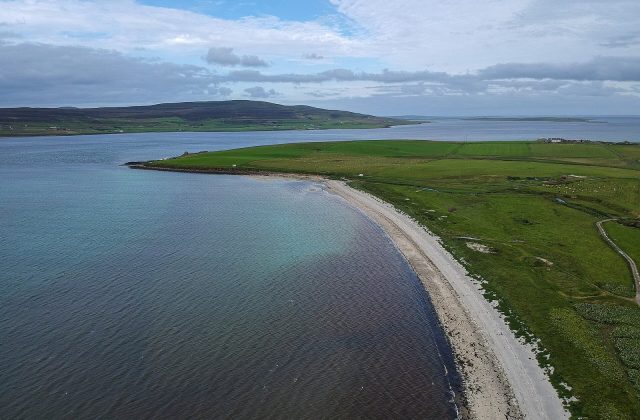
Orkney is an archipelago of about 70 low, green islands off the north coast of Scotland, 20 of them inhabited, with the…
23 tours & trips
United Kingdom
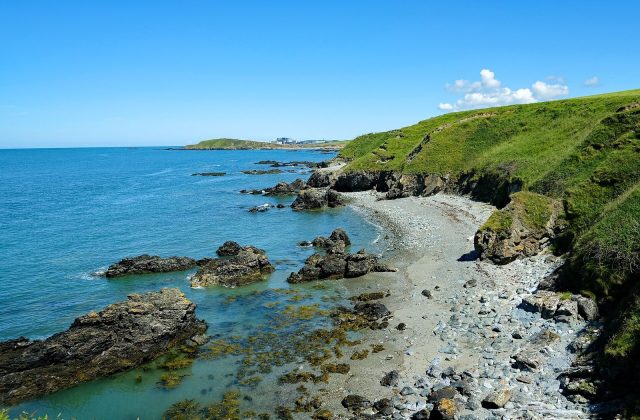
Anglesey is the largest island in Wales, about 676 square kilometres of farmland and coves joined to the mainland by…
14 tours & trips
United Kingdom
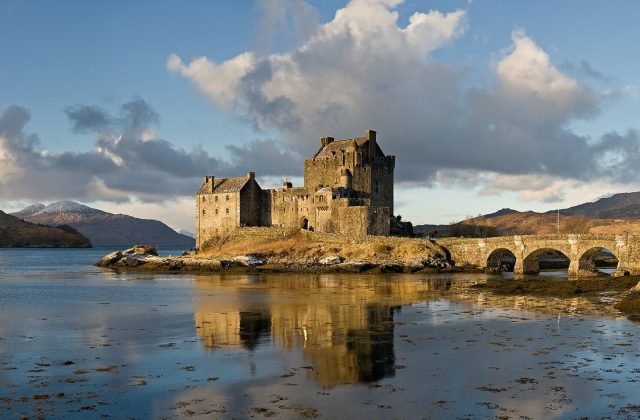
Eilean Donan is a small tidal island where three sea lochs meet in the western Highlands of Scotland, joined to the…
10 tours & trips
Channel Islands, United Kingdom
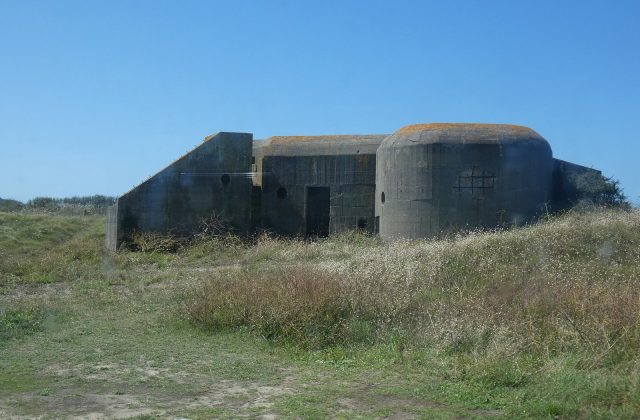
Guernsey is the second-largest of the Channel Islands, a self-governing British Crown dependency in the Gulf of St…
8 tours & trips
Inner Hebrides, United Kingdom
Mull is the second-largest island of the Inner Hebrides, a 45-minute ferry crossing from Oban on the west coast of…
8 tours & trips