Isle of Skye
Inner Hebrides, United Kingdom
The Isle of Skye is the largest island of the Inner Hebrides, 1,656 square kilometres of sea lochs, moorland and jagged…
62 tours & trips
United Kingdom · North Sea & Channel · Historic island
Lindisfarne, or Holy Island, is a tidal island off the Northumberland coast in north-east England, cut off by the sea twice a day and reached by a causeway at low tide. It was the cradle of Christianity in northern England, and its ruined priory, small castle and wide sands draw pilgrims, walkers and birdwatchers.
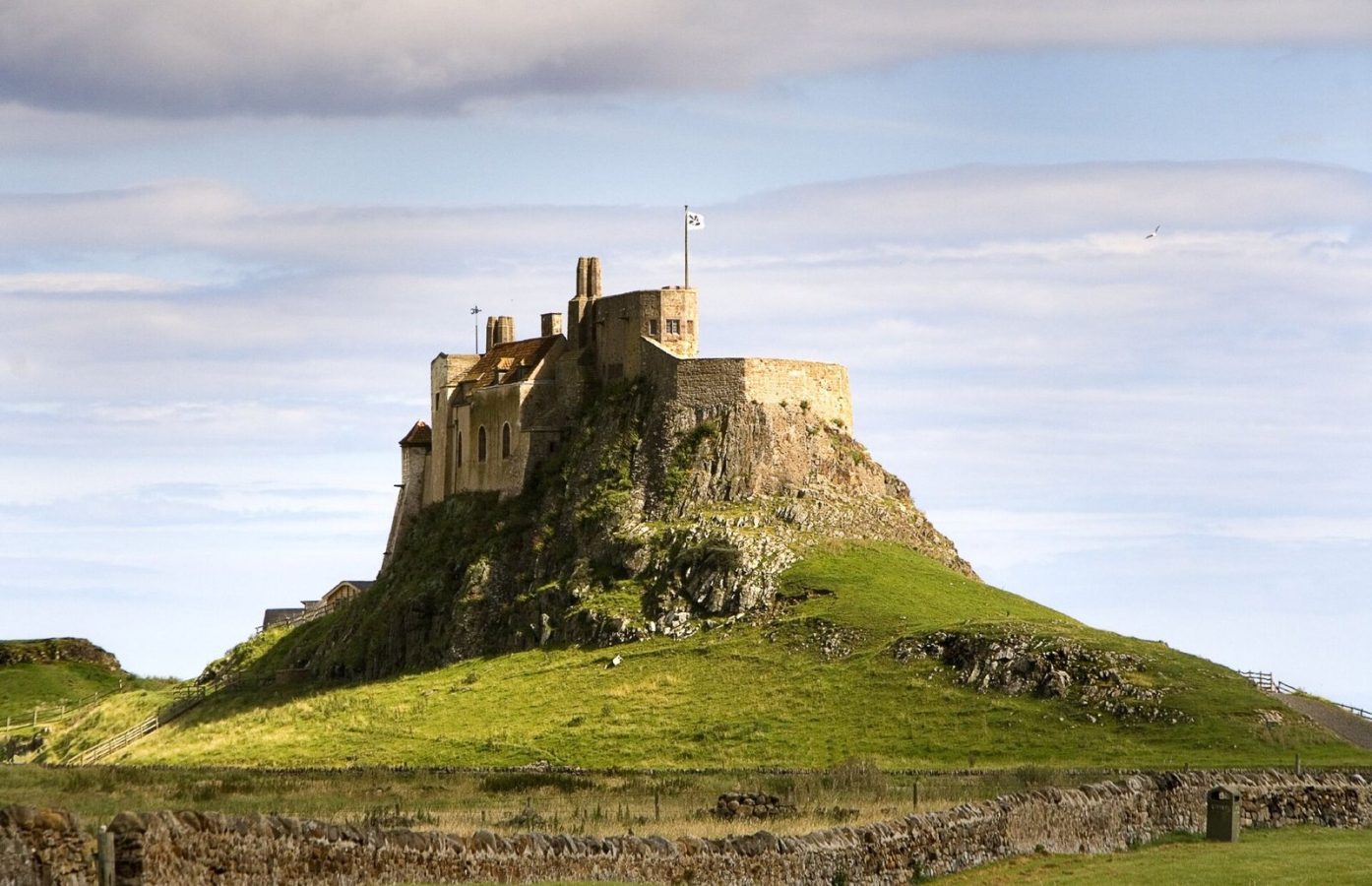
Photo: matthew Hunt, CC BY 2.0
| Getting there | Drive or bus across the tidal causeway from Beal, near Berwick-upon-Tweed, only at safe crossing times |
|---|---|
| Gateway | Berwick-upon-Tweed / Beal (tidal causeway) |
| Travel time | About 20 to 30 min by road from Berwick |
| Days | A day trip is enough, or one night |
| Best months | Apr–Sep; always check the causeway safe crossing times |
| Getting around | On foot; park at the edge of the village; the island is small and flat |
| Booking | Castle tickets ahead in summer; island rooms well ahead; check tide tables first |
| Cost | Mid-range |
| Beaches | Wide sands and dunes on the north shore; cold sea; walk rather than swim |
| Sea | North Sea & Channel |
| Area | 4 km² |
| Population | 160 |
| Airport | No |
| Car-free | No |
| Bridge | Road bridge or causeway to the mainland |
| Checked | October 2026 |
Lindisfarne is easy to visit independently if you have a car, so most people do not need a tour, but timing the tide is essential, and that is what a guided trip removes from your hands.
The product listed online is a private day tour that combines Holy Island with Bamburgh Castle, with a driver-guide who handles the crossing times. It usually includes transport and commentary, while entry to the priory, the castle and Bamburgh is often extra. It suits visitors without a car or those based in Newcastle or Edinburgh who want to see the whole coast in a day.
Coach day trips from Edinburgh and Newcastle also visit the island when the tides allow, often with Alnwick or Bamburgh. Locally, guided walks across the sands on the old Pilgrims' Way are run on some days with a leader who knows the tides, and wildlife walks explore the nature reserve.
If you drive, go on your own, arrive early in the safe window and allow at least four hours on the island, leaving well before the crossing closes for the day.
The red sandstone ruins of the Norman priory stand on the site of the monastery founded by St Aidan in 635, with a famous surviving rib arch spanning the nave. The small museum tells the story of the monks, the Viking raid and the Lindisfarne Gospels. It is in the centre of the village, a 10-minute walk from the car park.
Perched on a volcanic crag at the south-east corner, this small 16th-century fort was turned into a holiday home by the architect Edwin Lutyens in the early 1900s. Inside are cosy rooms and views along the coast; outside, a walled garden by Gertrude Jekyll. It is a 20-minute walk from the village along the harbour.
Before the road existed, pilgrims crossed the sands on a route of about 5 km marked by tall wooden poles, with refuge boxes for those caught by the tide. Walking it barefoot at low tide is still possible, but only within the safe times and preferably with a guide; never set off late.
Beside the priory, the parish church has Anglo-Saxon traces and a carving of monks carrying St Cuthbert's coffin. Below it, upturned old boats serve as fishermen's sheds on the shore of the harbour, and from the beach you can often watch grey seals hauled out on the sandbanks.
Most of the island and the surrounding sands form a national nature reserve. A walk of about two hours circles the dunes, the lough and the north shore beaches. In winter huge flocks of geese and waders feed on the mudflats; in summer, look for orchids in the dunes and terns along the shore.
Live dates and prices. Free cancellation on most tours.
Holy Island is reached by a causeway of about 5 km from the village of Beal, just off the A1 between Newcastle and Berwick-upon-Tweed. The road floods at high tide, so crossing is only safe at published times, roughly a few hours either side of low tide; check the tide tables posted at the causeway and online before you set out. Every year drivers who ignore them are rescued, and there is a refuge box on stilts for anyone caught out.
The nearest railway station is Berwick-upon-Tweed, on the main line from London, Newcastle and Edinburgh, about 20 km away; taxis go from there. A local bus runs from Berwick on some days, timed to the tides. Large pay car parks lie at the edge of the village.
The island is small and mostly flat, about 3 km from west to east, and best explored on foot. Cars must be left in the main car park at the edge of the village, from where the priory is a 10-minute walk and the castle about 20 minutes. Paths and tracks lead on to the dunes and the north shore, and bikes are allowed on the roads. Wear sturdy shoes, as tracks across the dunes can be wet and sandy, and carry a jacket against the wind.
The island is open all year, but the crossing times change daily with the tides, so they decide your visit more than the season. April to September is the busiest period, with long days, the castle open and the gardens at their best; summer weekends and school holidays bring crowds when the tide allows a long midday visit.
Spring and early autumn are quieter, and from October to March the island is calm, cold and windy, with tens of thousands of geese and ducks on the mudflats, a fine time for birdwatchers. Some cafes and the castle keep shorter hours in winter. Staying overnight lets you see the island when the tide is high and the day visitors have gone. A day is enough for most people.
Holy Island has a few inns, guesthouses and cottages in the village, which fill quickly, and staying overnight is the best way to enjoy the quiet after the tide closes. Otherwise, base yourself on the mainland: Berwick-upon-Tweed for the railway and shops, Bamburgh or Seahouses for the coast and castles, or the villages around Belford close to the causeway, which let you cross early in the morning.
In 635 the Irish monk Aidan, invited by the king of Northumbria, founded a monastery here, and the island became the centre of a mission that spread Christianity across northern England. Its most famous bishop, Cuthbert, was venerated as a saint, and around 700 the monks produced the Lindisfarne Gospels, now kept in London. The Viking raid of 793 is often taken as the start of the Viking age in Britain. The monks later left with Cuthbert's body; a priory was rebuilt after the Norman Conquest and closed under Henry VIII.
The Northumberland coast pairs naturally with Lindisfarne: Bamburgh Castle is about 25 minutes south by car, and Seahouses, a little further on, has boat trips to the Farne Islands for puffins and seals. Alnwick Castle is under an hour away. Berwick-upon-Tweed is 20 minutes north, and Edinburgh about 1.5 hours by road or 45 minutes by train from Berwick.
Drive or bus across the tidal causeway from Beal, near Berwick-upon-Tweed, only at safe crossing times.
From Berwick-upon-Tweed / Beal (tidal causeway): about 20 to 30 min by road from Berwick.
A day trip is enough, or one night.
Apr–Sep; always check the causeway safe crossing times.
On foot; park at the edge of the village; the island is small and flat.
Go if you love early medieval history, coastal walks and birdlife, and can plan around the tides. Skip it or visit Bamburgh and the Farne Islands instead if you cannot fit the safe crossing times or dislike crowds on summer days.
Mid-range.
Wide sands and dunes on the north shore; cold sea; walk rather than swim.
Castle tickets ahead in summer; island rooms well ahead; check tide tables first.
Yes. Boat trips, guided tours and day trips for Lindisfarne (Holy Island) can be booked online; live prices and free cancellation on most are shown on this page.
Inner Hebrides, United Kingdom
The Isle of Skye is the largest island of the Inner Hebrides, 1,656 square kilometres of sea lochs, moorland and jagged…
62 tours & trips
Northern Isles, United Kingdom
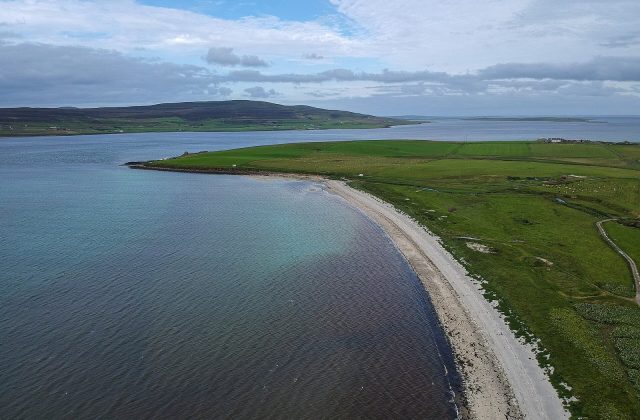
Orkney is an archipelago of about 70 low, green islands off the north coast of Scotland, 20 of them inhabited, with the…
23 tours & trips
United Kingdom
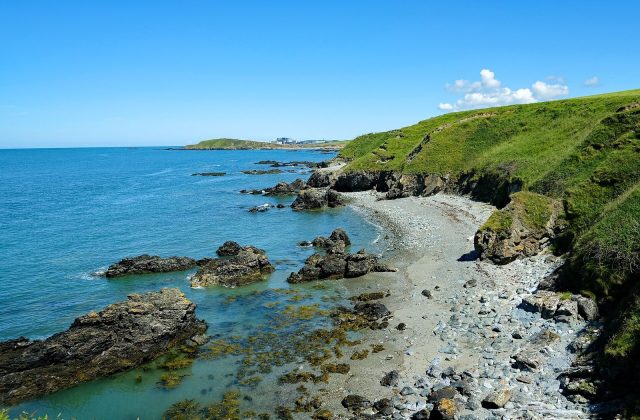
Anglesey is the largest island in Wales, about 676 square kilometres of farmland and coves joined to the mainland by…
14 tours & trips
United Kingdom
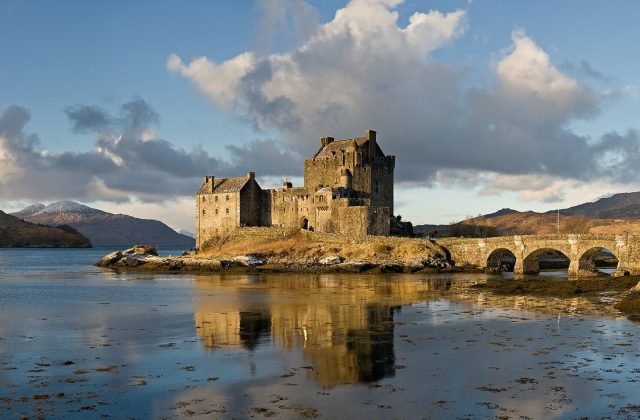
Eilean Donan is a small tidal island where three sea lochs meet in the western Highlands of Scotland, joined to the…
10 tours & trips
Channel Islands, United Kingdom
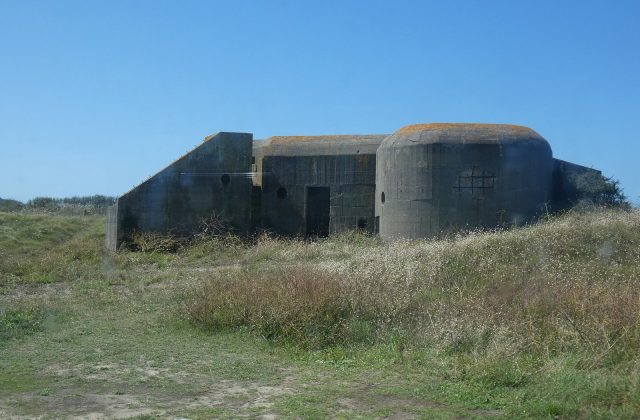
Guernsey is the second-largest of the Channel Islands, a self-governing British Crown dependency in the Gulf of St…
8 tours & trips
Inner Hebrides, United Kingdom
Mull is the second-largest island of the Inner Hebrides, a 45-minute ferry crossing from Oban on the west coast of…
8 tours & trips