Les Saintes
Guadeloupe, French West Indies
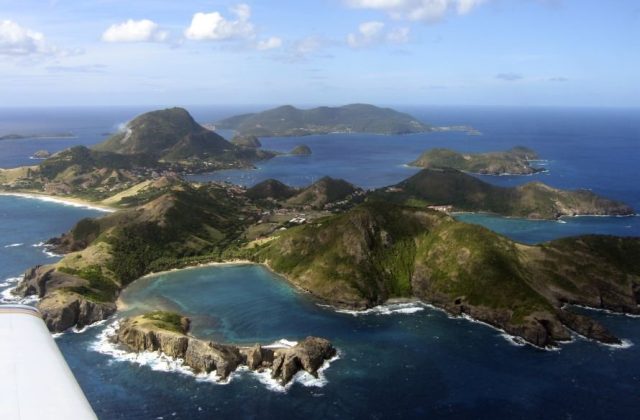
Les Saintes is a cluster of small volcanic islands just south of the main island of Guadeloupe, where a single village…
No tours listed
French West Indies · Caribbean Sea · Beach island
Marie-Galante is a flat, round island of 158 square kilometres south of Guadeloupe, about an hour by ferry from Pointe-a-Pitre. It is known for its sugar cane fields, old windmills, rum distilleries and quiet white-sand beaches, and it feels like the Caribbean of several decades ago.
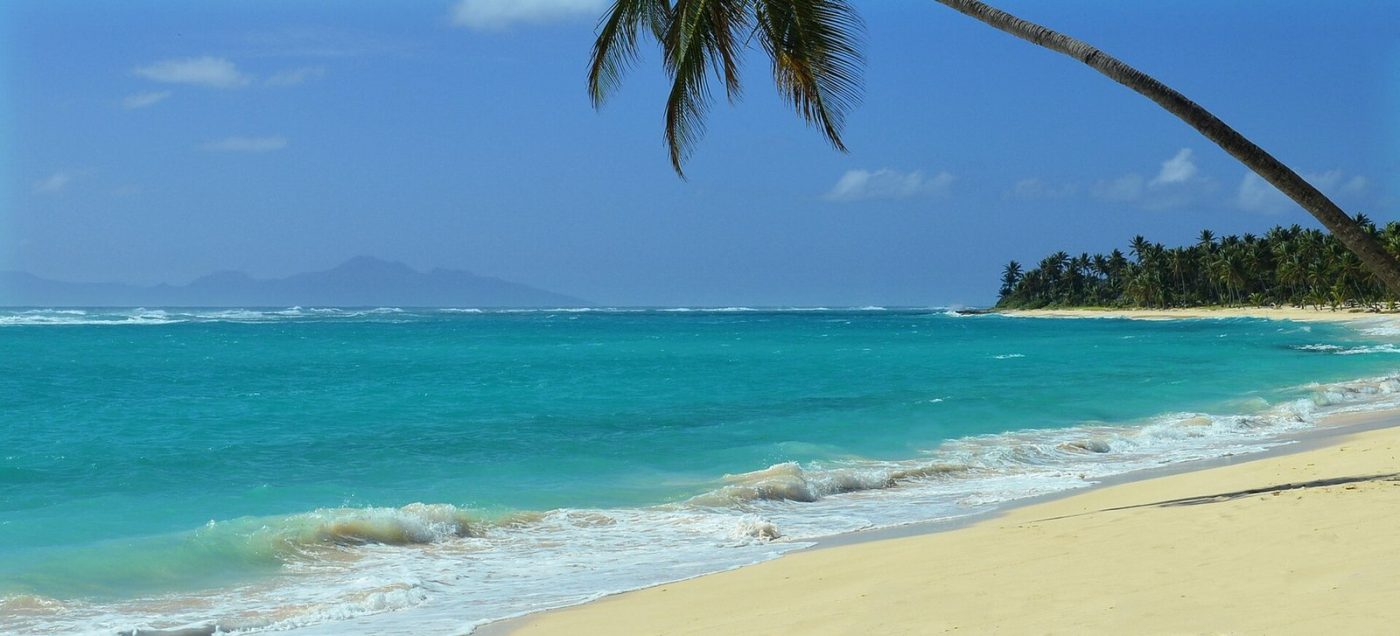
Photo: Kijan Ay, CC BY 3.0
| Getting there | Ferries from Pointe-a-Pitre to Grand-Bourg or Saint-Louis in about 1 h; short flights from Pointe-a-Pitre |
|---|---|
| Gateway | Pointe-a-Pitre (ferry) |
| Travel time | About 1 h by ferry or 20 min by air |
| Days | 1 to 2 nights |
| Best months | Dec–May dry season; Jun–Nov hot, wetter and hurricane-prone |
| Getting around | Rent a car or scooter at the ferry port; buses are few |
| Booking | Ferries and rooms ahead for Christmas, Easter and the Terre de Blues weekend |
| Cost | Mid-range; cheaper than Guadeloupe's resort areas |
| Beaches | White sand and calm water; Petite Anse and La Feuillere at Capesterre, Anse Canot near Saint-Louis |
| Sea | Caribbean Sea |
| Archipelago | Guadeloupe |
| Area | 158 km² |
| Population | 10,655 (2018) |
| Highest point | 204 m (Morne Constant) |
| Airport | Yes, scheduled flights |
| Car-free | No |
| Checked | October 2026 |
Very little is sold online for Marie-Galante, and most visitors simply take the ferry on their own and rent a car on arrival. The main packaged option is a full-day boat excursion that crosses from Guadeloupe and spends the day around the island, with swimming stops at calm beaches, a meal on board or on a beach, drinks including local rum punch, and sometimes a short visit on land. These trips include the boat, crew, food and drinks; transfers to the departure port are usually extra.
Independent day trips are just as easy: early ferries reach Grand-Bourg or Saint-Louis in about an hour, and taxi drivers and small local guides at the port offer tours of the island that take in a distillery, the Murat estate and the north coast cliffs, returning in time for the last boat. Distillery visits with tastings are free or cheap and do not need booking.
Rental cars and scooters are the key thing to arrange, and in high season they should be reserved before you cross. The best plan is one or two nights with a car: a day is enough to see the sights, but the beaches are at their best in the morning and late afternoon, after the day visitors have left.
The east coast around Capesterre has the island's best swimming: Petite Anse and La Feuillere are sheltered by the reef, with shallow turquoise water, palms for shade and beach restaurants serving grilled fish. Snorkelling is good along the reef edge on calm days. Come in the morning, when the light is soft and the sand is still almost empty.
Marie-Galante makes some of the most respected rum in the French Caribbean, distilled from fresh cane juice and often bottled strong. Three working distilleries, Bielle, Bellevue and Pere Labat near Grand-Bourg and Saint-Louis, welcome visitors for free tours and tastings. The cane harvest from roughly February to June is when the mills run; if you are driving, taste lightly.
Just outside Grand-Bourg, the ruins of the Murat sugar estate are the largest on the island, with the restored master's house, a stone windmill tower and the remains of the sugar works. A small ecomuseum explains the plantation economy and the lives of the enslaved workers who made it rich. The grounds host the Terre de Blues music festival every year.
On the wild north coast, about 25 minutes' drive from Saint-Louis, the sea has broken through the limestone into a collapsed cave, leaving a deep chasm and a natural arch where the Atlantic surges in. Walk carefully along the cliff top, then continue to the viewpoint at Caye Plate and the coastal path towards the Trou a Diable cave.
Saint-Louis, the second ferry port, is a quiet fishing town with a long beach in front and colourful boats pulled up on the sand. A few kilometres north, Anse Canot and Vieux-Fort have pale sand, sea-grape trees and little development. Stay for the sunset over the sea towards Guadeloupe, and look for the ox carts still used for cane.
Live dates and prices. Free cancellation on most tours.
Fast passenger ferries leave from the Bergevin ferry terminal in Pointe-a-Pitre and reach Grand-Bourg, the main town, in about an hour, with several departures a day in both directions; some boats call at Saint-Louis instead. The channel can be rough when the trade winds are strong, so take seasickness tablets if you are prone. A car ferry also runs to Saint-Louis, slower and best reserved early if you want your own vehicle.
Small planes fly from Pointe-a-Pitre airport to the airfield near Grand-Bourg in about 20 minutes, useful on windy days but more expensive. Pointe-a-Pitre is linked by direct flights to Paris and to other Caribbean islands, and boats to Les Saintes and La Desirade leave from the same harbour area.
A car or scooter is the easiest way to explore, and rental firms wait at both ferry ports; the island is small enough to drive around in a few hours. Roads are quiet but narrow, with cane trucks and cattle to watch for, and there are few petrol stations outside the towns. Buses link the three communes but run rarely and mostly in the morning. Cycling is possible on the flat roads, though the heat makes long rides tiring.
The dry season from December to May is the best time: sunshine, steady trade winds, air around 28 degrees and sea near 26 degrees. It is also the busiest period, with French holidays at Christmas, February and Easter filling the ferries and guesthouses. The cane harvest and distillation season runs through the first half of the year, so this is when the distilleries are most interesting.
From June to November it is hotter and more humid, with heavy showers and the risk of hurricanes, especially from August to October; prices fall and many places run reduced hours. The Terre de Blues festival around Pentecost, usually in late May or June, brings big crowds and fully booked boats. One night is enough to see the island; two let you settle into its slow pace.
Capesterre is the choice for beach lovers, with guesthouses and small hotels close to Petite Anse and La Feuillere. Grand-Bourg, the main town and ferry port, is practical for those without a car, with shops, restaurants and the Murat estate nearby. Saint-Louis suits travellers who want sunsets, a quiet seafront and easy access to the northern beaches. Accommodation is mostly in family-run guesthouses and holiday cottages rather than big hotels.
Columbus sighted the island in 1493 on his second voyage and named it after his flagship. The Caribs who lived there resisted settlement, and it was French colonists in the 17th century who turned it into a sugar island, with plantations worked by enslaved Africans and more than a hundred windmills to crush the cane. After abolition in 1848 the land passed to small farmers, who still grow cane, now mostly for rum. The ruined mills and estate houses scattered among the fields are the visible legacy.
Marie-Galante pairs naturally with Guadeloupe itself: spend a few days on Grande-Terre and Basse-Terre, then add the outer islands. Les Saintes is the classic combination, a short flight or boat ride away and very different in feel, while La Desirade is an even quieter day trip from Saint-Francois. Dominica lies further south for those continuing by ferry.
Ferries from Pointe-a-Pitre to Grand-Bourg or Saint-Louis in about 1 h; short flights from Pointe-a-Pitre.
From Pointe-a-Pitre (ferry): about 1 h by ferry or 20 min by air.
1 to 2 nights.
Dec–May dry season; Jun–Nov hot, wetter and hurricane-prone.
Rent a car or scooter at the ferry port; buses are few.
Go if you want long quiet beaches, rum distilleries, ox carts and a slow rural island with almost no big resorts. Skip it or choose Les Saintes if you want a pretty harbour village, hiking and lively evenings.
Mid-range; cheaper than Guadeloupe's resort areas.
White sand and calm water; Petite Anse and La Feuillere at Capesterre, Anse Canot near Saint-Louis.
Ferries and rooms ahead for Christmas, Easter and the Terre de Blues weekend.
Yes. Boat trips, guided tours and day trips for Marie-Galante can be booked online; live prices and free cancellation on most are shown on this page.
Guadeloupe, French West Indies
Les Saintes is a cluster of small volcanic islands just south of the main island of Guadeloupe, where a single village…
No tours listed